
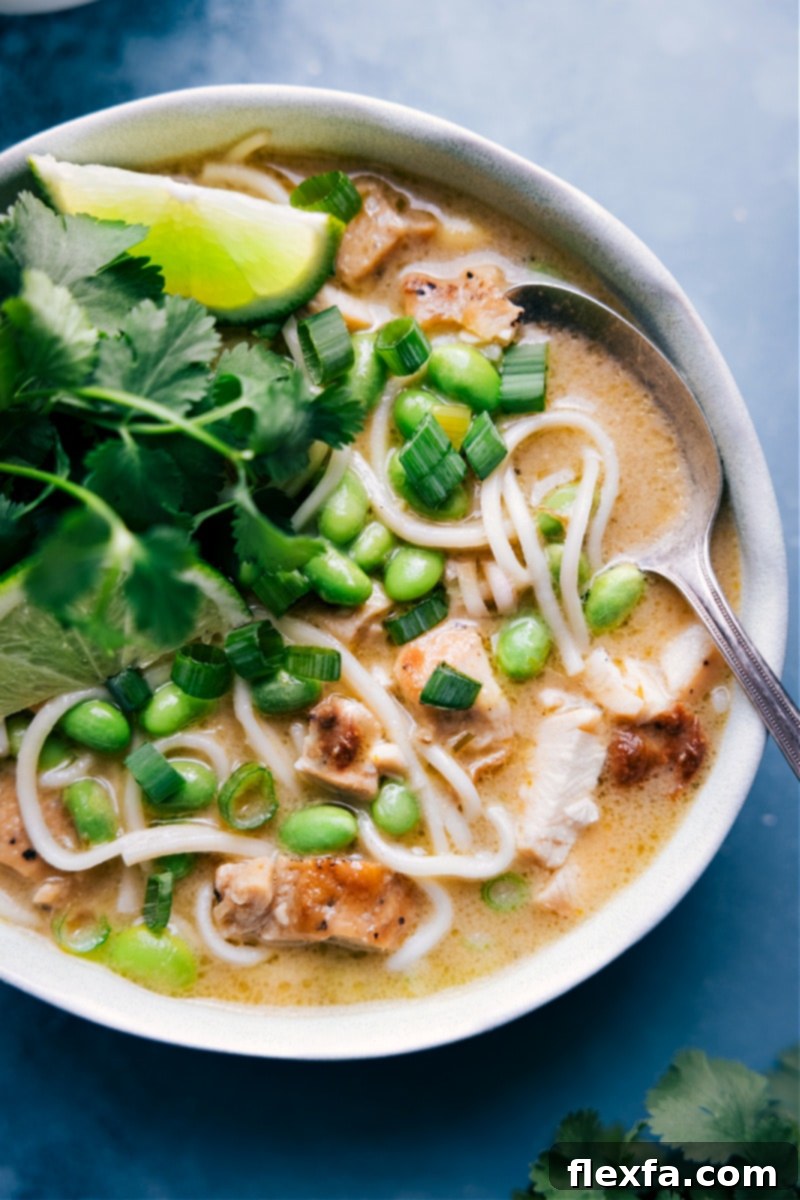
Green Curry Noodle Soup is the quintessential comfort food, especially when the weather turns chilly. Imagine tender, slurpable noodles nestled in a rich, velvety coconut milk broth, bursting with the vibrant flavors of authentic green curry, complemented by succulent chicken and a medley of fresh, crisp vegetables. It’s a harmonious blend of creamy, spicy, and savory that promises warmth and satisfaction in every single spoonful. This isn’t just a meal; it’s an experience designed to soothe your soul and tantalize your taste buds.
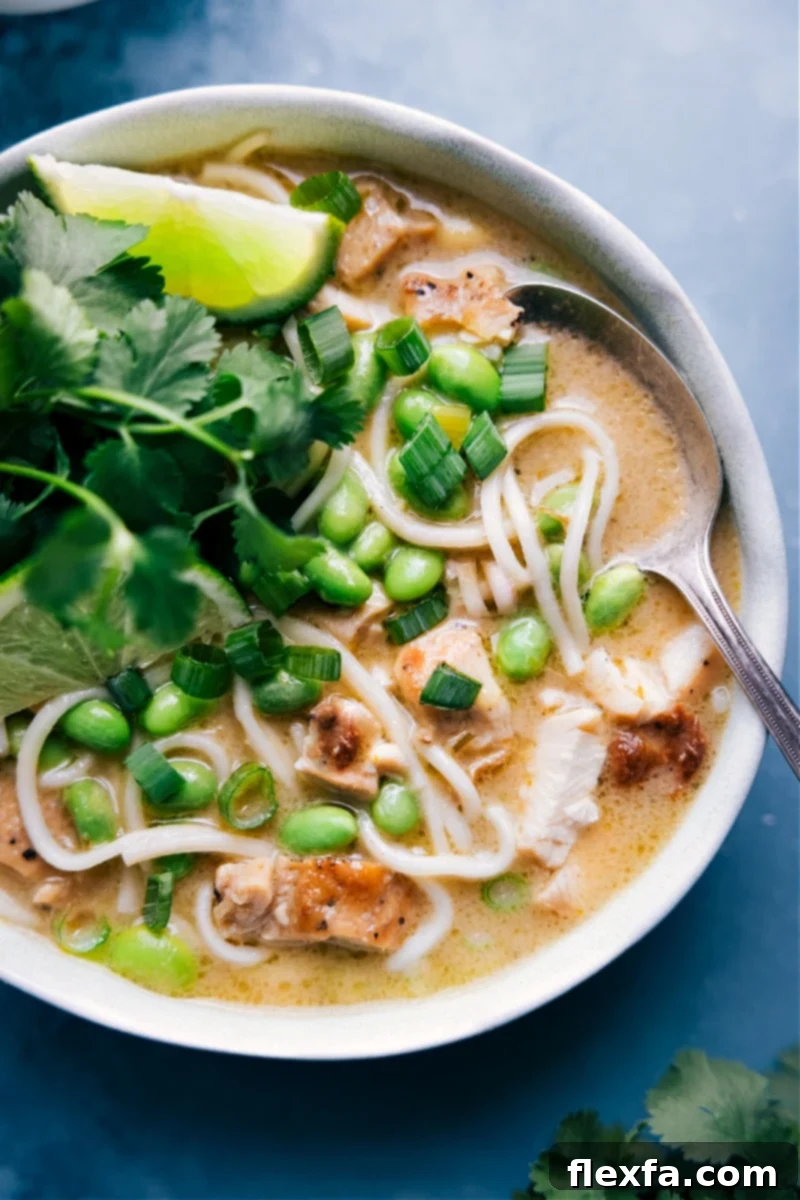
Embrace Warmth with This Green Curry Noodle Soup Recipe
As the temperatures drop and a cozy blanket of snow covers the landscape, my mind invariably drifts to one thing: a steaming, hearty bowl of soup. There’s an undeniable magic in a warm bowl on a cold day, offering both physical comfort and a sense of home. While classics like a traditional Chicken Curry Soup often come to mind, a recent craving for both comforting noodles and the aromatic depth of a Vegetarian Thai Green Curry sparked an idea. Why not combine these two beloved dishes into one spectacular creation?
The result is this incredibly vibrant and profoundly satisfying Green Curry Noodle Soup. It beautifully marries all my cravings, delivering a dish that is not only profoundly comforting in chilly weather but also surprisingly quick to prepare. It’s a true win-win: loved by the entire family and doesn’t demand hours in the kitchen. This soup is a testament to how bold flavors and simple ingredients can come together to create something truly extraordinary, transforming an ordinary weeknight into a culinary adventure.
Crafting this Green Curry Noodle Soup means bringing the rich tapestry of Thai flavors right into your home. The careful balance of savory, sweet, spicy, and tangy notes creates a complex yet approachable dish. Whether you’re a seasoned cook or just starting your culinary journey, this recipe is designed for success, providing clear steps and helpful tips to guide you. Its adaptability, allowing for both meat-lovers and vegetarians to enjoy, makes it a versatile addition to any recipe repertoire.
What Is Green Curry Paste Made Of, and What’s Its Magic?
At the heart of any authentic Thai green curry dish, including this exquisite Green Curry Noodle Soup, lies the green curry paste. While formulations can vary slightly between brands, a high-quality green curry paste is a symphony of fresh, aromatic ingredients. Typically, you’ll find a potent blend of fresh green chilies, which give the paste its characteristic color and heat, along with pungent garlic, earthy wild ginger (or galangal), savory shallots, bright lemongrass, and fragrant Kaffir lime zest. These core ingredients are often balanced with a touch of sugar and salt, and further enhanced by a complex array of spices like coriander seeds, cumin, cardamom, and a hint of turmeric, finished with a touch of black pepper.
This intricate combination of fresh herbs and spices is what provides the deep, layered flavor profile that makes green curry so irresistible. Over the past few years, both red and green curry pastes have transcended their niche market, becoming readily available in the international aisles of most mainstream grocery stores. Their newfound accessibility means you can easily recreate authentic Thai flavors at home without a special trip to an Asian market, though specialty stores often offer an even wider selection and fresher options.
- Where to Find Green Curry Paste: Your best bet is the international foods aisle of your local grocery store, usually alongside other Asian or Latin American products. For a broader selection, check out Asian grocery stores or purchase it conveniently online.
- Recommended Brands for Authentic Flavor: We’ve extensively tested this soup with several brands and highly recommend Maesri® for its robust and spicier profile, and Thai Kitchen® for a slightly milder yet equally authentic taste. Experimenting with different brands can help you discover your preferred flavor and heat intensity.
Understanding the components of green curry paste is key to appreciating the depth of flavor it brings. Galangal, a close relative of ginger, offers a sharper, citrusy, and piney note. Lemongrass adds a distinct lemony, grassy aroma, while Kaffir lime leaves (often the zest in pastes) contribute a uniquely bright and floral citrus fragrance. These elements, when combined and sautéed, release an intoxicating aroma that forms the rich, foundational layer of our Green Curry Noodle Soup.
Is Green Curry Spicy? Balancing the Heat for Your Palate
One of the most common questions regarding green curry is its spice level, and the answer is wonderfully nuanced: green curry paste can range from fairly spicy to surprisingly mild, depending significantly on the brand and its specific chili content. This variability means you have control over the final heat of your Green Curry Noodle Soup, allowing you to tailor it to your personal preference and tolerance.
The intensity of the curry paste is a critical factor. While some brands, like Maesri®, are known for their fiery kick, others, such as Thai Kitchen®, tend to be gentler. The key is to use enough paste to ensure a bold, complex flavor without overwhelming your palate with excessive heat. It’s important to remember that the rich, creamy sweetness of coconut milk plays a crucial role in offsetting and mellowing the spice, creating a beautifully balanced flavor profile rather than a purely hot one.
Quick Tip for Perfect Spice
Always add green curry paste slowly and incrementally to your Green Curry Noodle Soup. Start with a smaller amount (e.g., 3 tablespoons for Maesri, 4 for Thai Kitchen) and taste as you go. You can always add more at the end for bolder flavors or an extra kick, but it’s much harder to reduce the heat once it’s incorporated. This approach ensures your soup achieves the perfect balance of flavor and spice that suits everyone at your table.
Don’t be intimidated by the potential heat. The beauty of cooking with curry paste is its adjustability. Even if you prefer a milder soup, the aromatic depth from the paste, combined with fresh ginger, garlic, and lemongrass, will still deliver an incredibly flavorful experience. For those who love heat, feel free to be generous, knowing that the coconut milk acts as a comforting counterpoint.
What Goes Well With Green Curry? Crafting Your Ideal Bowl
This Thai Green Curry Noodle Soup is incredibly versatile, allowing you to customize it with your favorite components. Our go-to pairings for an unbelievably delicious and satisfying meal include a selection of noodles, tender chicken, and vibrant frozen edamame. Let’s delve deeper into each element to help you create your perfect bowl.
Noodles: The Heart of Your Noodle Soup
The choice of noodles can significantly impact the texture and experience of your Green Curry Noodle Soup. We’ve explored several options, and here’s what we’ve found:
- Lo Mein Noodles (Highly Recommended): These thick, chewy wheat noodles are our absolute favorite for this soup. Their substantial texture holds up beautifully in the rich broth, and they provide a delightful chewiness. You’ll typically find them in the international section of your grocery store.
- Ramen Noodles (Seasoning Packet Discarded): If you have ramen noodles on hand, they make an excellent substitute. Just remember to discard the seasoning packets, as the green curry broth provides all the flavor you need. Their wavy texture is great for slurping.
- Thin Spaghetti (Convenient Alternative): In a pinch, even everyday thin spaghetti can work wonderfully. The goal is a long, thin noodle that absorbs the broth’s flavors. Pretty much any thin, long noodle you have available is a good bet, ensuring convenience without compromising too much on the dining experience.
- Rice Noodles (Gluten-Free Option): We also tested rice noodles, a popular choice in many Asian soups, and found them to be quite enjoyable. They offer a lighter, silkier texture, and are naturally gluten-free, making them a great alternative for those with dietary restrictions. However, our younger tasters weren’t as enthusiastic about them compared to the wheat-based options.
Noodle Quantity Perfection
Regardless of which noodles you choose for your Green Curry Noodle Soup, we’ve found that boiling approximately 4 ounces provides the perfect noodle-to-broth-to-chicken ratio. This amount ensures every spoonful is balanced, preventing the soup from becoming too dense with noodles or too sparse.
Chicken: Your Protein Powerhouse
Incorporating chicken adds a hearty, savory depth to the soup, making it a more substantial meal. To maximize convenience and minimize cooking time:
Buying a pre-cooked and seasoned chicken, such as a rotisserie chicken, is an absolute game-changer. For even greater time savings, many grocery stores now sell rotisserie chicken meat already pulled from the bones, shredded or diced, making preparation incredibly quick and effortless. Alternatively, you can prepare a batch of your favorite grilled chicken ahead of time and use the leftovers for this recipe, ensuring tender and flavorful chicken. For a vegetarian version of this comforting Green Curry Noodle Soup, simply omit the chicken and replace the chicken stock with a high-quality vegetable stock. You can also explore other plant-based proteins like pan-fried tofu or tempeh for added texture and nutrition.
Edamame: A Burst of Green and Goodness
Frozen Shelled Edamame: These vibrant green soybeans are a fantastic addition, offering a pleasant bite, a touch of sweetness, and a boost of protein and fiber. While fresh edamame is wonderful, it can be hard to find and requires more prep. Therefore, I typically opt for frozen shelled soybeans, which are widely available and incredibly convenient. There’s no need to thaw or boil them beforehand; they cook perfectly right from frozen when added to the simmering broth, absorbing all the delicious flavors.
If edamame isn’t your preference or is unavailable, frozen peas make an excellent substitute, providing a similar pop of color and sweetness.
Coconut Milk Notes: The Creamy Foundation of Flavor
Coconut milk is far more than just an ingredient in this Green Curry Noodle Soup; it is an absolutely integral component that defines the soup’s luscious texture and rich flavor profile. Its inherent sweetness beautifully balances the vibrant spice from the curry paste, creating a harmonious and complex taste. Moreover, its natural thickness and creamy consistency transform the broth into a wonderfully rich and indulgent experience, making every spoonful feel luxurious and deeply satisfying. Choosing the right kind of coconut milk is crucial for achieving this desired effect.
- Selecting the Right Type: Always look for shelf-stable cans of coconut milk, not the refrigerated cartons typically found in the dairy aisle. Canned coconut milk has a higher fat content and thicker consistency essential for curry. You’ll usually find these cans in the international aisle of your grocery store, often alongside other Latin or Asian products. During our testing, Imperial Kitchen® consistently yielded excellent results, contributing to the perfect creamy texture and flavor.
- Full-Fat is Essential: For the absolute best flavor and a wonderfully thick, creamy broth, it is imperative to use full-fat coconut milk. Lite coconut milk, while a healthier option in some contexts, simply won’t offer the same richness or effectively offset the spice of the curry paste. It also lacks the body needed to give the soup its signature decadent mouthfeel, resulting in a thinner, less satisfying broth.
- Avoid These: Be cautious not to confuse coconut milk with other coconut products. Cream of coconut, often found in the cocktail mixers section, is far too sweet and intended for desserts or beverages. Similarly, coconut cream, while rich, is generally too thick and can impart an overpoweringly coconut flavor that might dominate the delicate balance of spices in this soup. Stick to canned, full-fat coconut milk for optimal results.
The subtle, nutty undertones of coconut milk also complement the intricate spices of the green curry paste, creating a depth of flavor that is truly remarkable. It transforms a simple broth into a velvety, flavorful base that coats the noodles and chicken beautifully, ensuring every bite is a delightful experience. Don’t underestimate the power of this key ingredient in achieving an authentic and delicious Green Curry Noodle Soup.
Flavorful Green Curry Noodle Soup Variations
Customize Your Green Curry Noodle Soup
This Green Curry Noodle Soup recipe is wonderfully adaptable, allowing you to easily adjust it to suit various tastes and dietary preferences:
- Umami Boost with Fish Sauce: For an extra layer of authentic Thai flavor, consider replacing the soy sauce with fish sauce. Fish sauce is a common finishing ingredient in Thai green curry chicken soup, known for adding a potent umami depth that truly rounds out the dish.
- Make it Vegan: Transforming this soup into a delicious vegan option is simple. Substitute the chicken stock with a robust vegetable stock and omit the chicken entirely. For added protein, consider incorporating pan-fried tofu, tempeh, or chickpeas.
- Alternative Veggies: If shelled edamame is hard to find or not to your liking, frozen peas are an excellent and readily available alternative. They offer a similar pop of green color and a subtly sweet flavor that blends beautifully with the curry. Beyond peas, consider adding thinly sliced bell peppers, spinach, mushrooms, or baby corn for more vegetable variety.
- Add More Freshness: Fresh Thai basil leaves, cilantro, or a squeeze of fresh lime juice just before serving can elevate the aromatic profile and brightness of the soup.
Green Curry Noodle Soup Tips: Mastering the Flavors
Achieving a truly exceptional Green Curry Noodle Soup involves a few crucial steps that elevate the flavors from good to extraordinary. These tips focus on building depth and ensuring perfect balance in every spoonful.
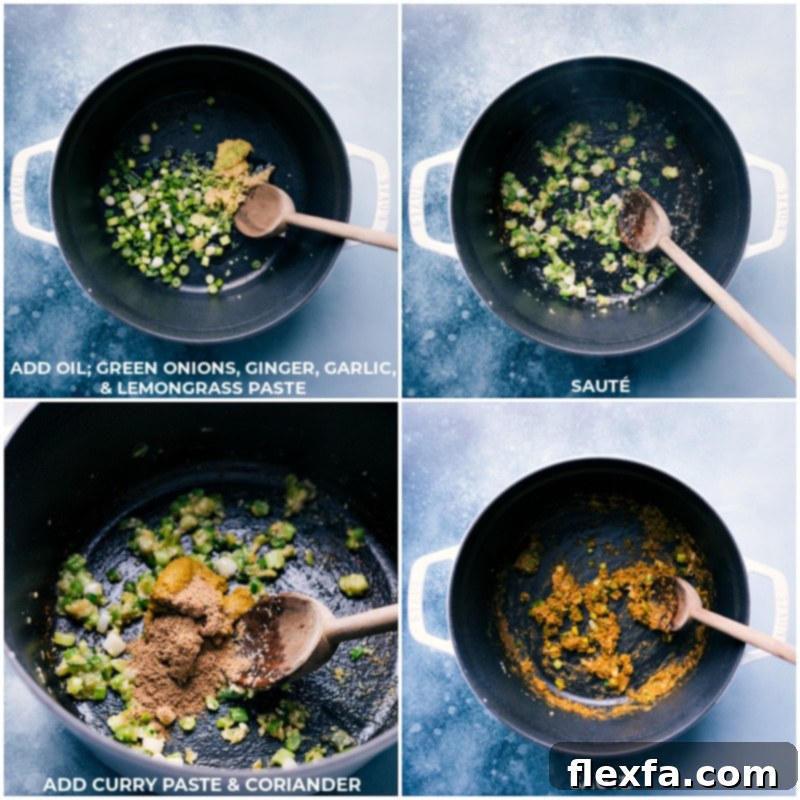
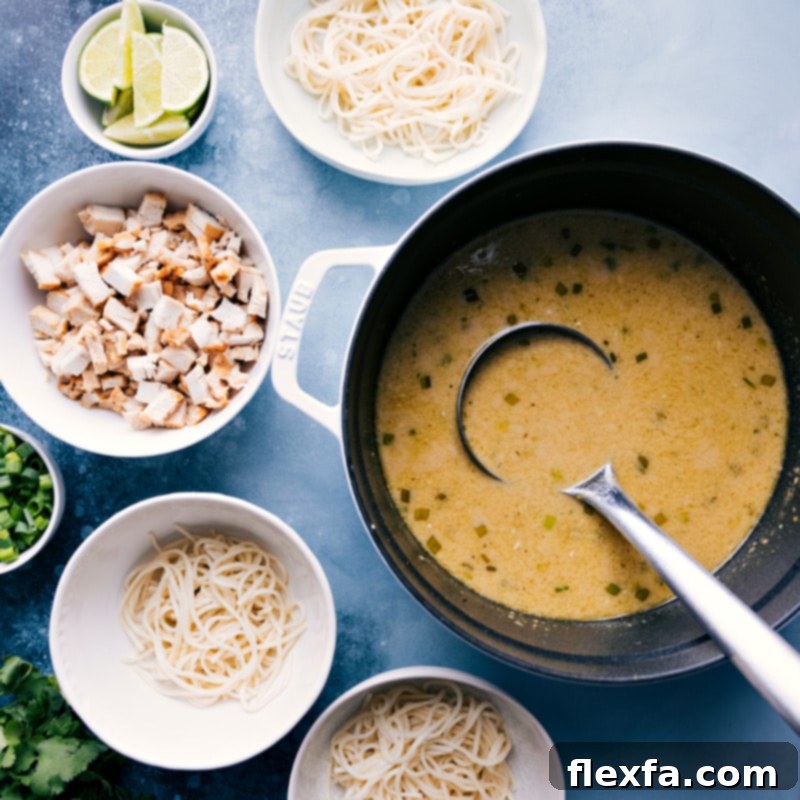
- Take Time to Sauté the Curry Paste and Ground Coriander: This is perhaps the most critical step for developing profound flavor. Instead of simply dumping all the ingredients into the pot, dedicate a few minutes to sautéing the aromatics (green onions, ginger, garlic, lemongrass) and then the green curry paste and ground coriander. This process, often referred to as “blooming” the spices, allows their essential oils to release, intensifying their aroma and flavor. Stir constantly for 2-4 minutes until the mixture becomes incredibly fragrant. This foundational step creates a rich, complex base that will permeate the entire soup, giving it a depth that cannot be achieved by merely adding the paste later.
- The Art of Finishing and Seasoning the Soup: Once the Green Curry Noodle Soup has simmered and all the components have had a chance to meld, it’s time for the final, crucial stage: fine-tuning the flavors. This is where your taste buds become your most important tool. Taste the soup and be prepared to experiment and adjust according to your personal preference. Consider adding extra fresh lime juice for brightness, a touch more brown sugar to balance any excessive heat or acidity, additional soy sauce (or fish sauce) for umami, or simply more salt to enhance existing flavors. Salt, in particular, is a powerful enhancer; it doesn’t just make the soup salty, but rather helps to bring out and harmonize all the other individual flavors, making them “pop.” The exact amounts of these finishing ingredients will vary based on the specific brand of curry paste and coconut milk you used, as well as your individual taste preferences. Don’t be afraid to adjust until you achieve a perfectly balanced and incredibly flavorful soup.
Storage Solutions for Green Curry Noodle Soup Leftovers
Maximizing Your Leftover Green Curry Noodle Soup
One of the many delights of curry recipes is how incredibly well they store, often tasting even more flavorful the next day as the ingredients continue to meld and deepen. This Green Curry Noodle Soup is no exception!
That said, for the best possible experience when reheating, it’s highly recommended to separate the broth from the noodles and chicken for storage. Noodles, especially wheat-based ones like lo mein or ramen, can absorb a lot of liquid and become mushy if left submerged in the broth for too long. By packaging the noodles and chicken in one airtight container and the flavorful broth (with edamame) in a separate one, you preserve the texture of the noodles and prevent them from becoming waterlogged.
To enjoy your delicious leftovers, simply reheat the broth gently on the stovetop or in the microwave until warm and simmering. Then, pour the hot broth over the pre-portioned noodles and chicken in a bowl to warm those through. This method ensures your Green Curry Noodle Soup tastes just as fresh and delightful as it did on the first day.
More Comforting Soup Recipes to Explore:
Soups And Stews
Sweet Potato Coconut Curry Soup
Soups And Stews
Vegetable Noodle Soup
Soups And Stews
Chickpea Soup
Soups And Stews
White Bean and Sausage Soup
Green Curry Noodle Soup
Equipment
- 2 Large pots
Ingredients
- 1 tablespoon oil (coconut or vegetable)
- 1 bunch green onions (white and green parts separated, green reserved for garnish)
- 1 tablespoon ginger paste (or finely minced fresh ginger) (See Note 1)
- 1 tablespoon minced garlic (or finely minced fresh garlic)
- 1 tablespoon lemongrass paste (optional, but highly recommended for flavor) (See Note 2)
- 3 to 6 tablespoons green curry paste (adjust to taste and brand spiciness) (See Note 3)
- 2 teaspoons ground coriander
- 1 (32-ounce) carton chicken stock (4 cups)
- 1 (13.5-ounce) can full-fat coconut milk (See Note 4)
- 2 tablespoons soy sauce (not lite/low sodium; or use fish sauce for traditional umami)
- 1 lime (for juice)
- 1-1/2 cups frozen shelled edamame (or frozen peas)
- 4 ounces lo mein noodles (or ramen, rice noodles, thin spaghetti) (See Note 5)
- 2 cups cooked chicken, diced (rotisserie or leftover grilled chicken works best)
- Salt and pepper, to taste
- 2 to 3 teaspoons light brown sugar (optional, for balancing flavors)
- Serving suggestions: fresh cilantro, extra lime wedges, Sriracha sauce (See Note 6)
Instructions
- Heat oil in a large soup pot over medium-low heat. Thinly slice green onions, separating the white parts from the green (reserve green tops for garnish). Add ½ cup of the white sliced green onions to the pot, along with ginger, garlic, and lemongrass paste (if using). Sauté until softened and fragrant, about 3-5 minutes. Meanwhile, bring a large pot of water to a rolling boil for the noodles.
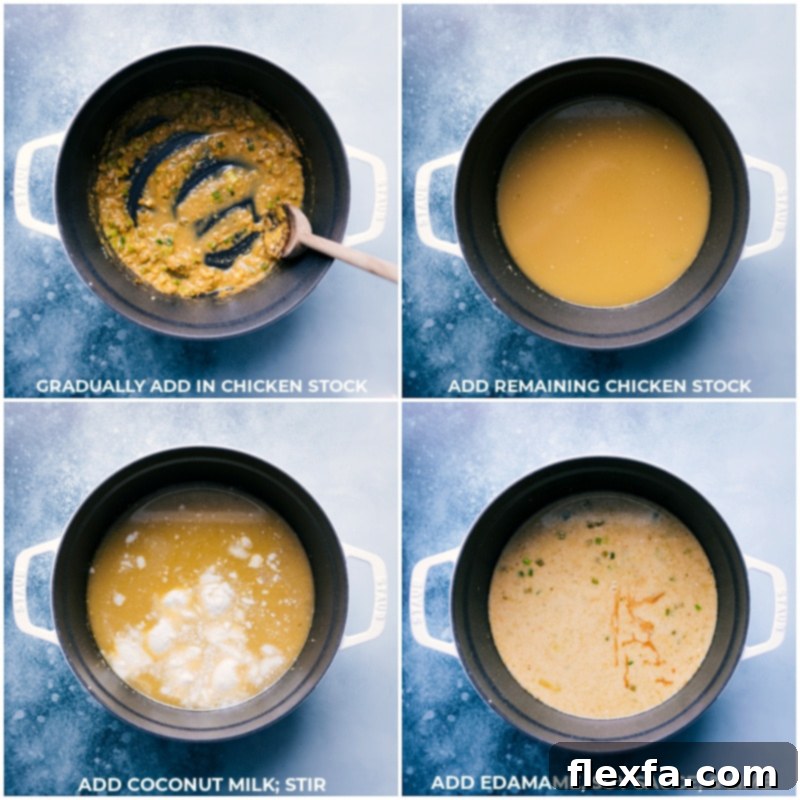
- Once the green onions are soft, add the green curry paste and ground coriander to the pot. Stir constantly for 2-4 minutes, allowing the spices to bloom and become very fragrant. This step builds the foundation of your soup’s rich flavor. Increase the heat to medium-high. While continuously stirring and scraping the bottom of the pot, gradually add 1 cup of chicken stock until fully incorporated and smooth. Pour in the remaining chicken stock and the entire can of full-fat coconut milk. Stir until smooth, then add the frozen edamame, soy sauce, and 2 tablespoons of fresh lime juice.
- Bring the soup to a gentle simmer. Once simmering, reduce the heat to maintain a gentle bubble and cook uncovered for 5 minutes. Taste the soup and season with salt and pepper; I typically add about ¼ teaspoon of each to start. If the soup is too spicy or needs a touch of sweetness, add 2-3 teaspoons of brown sugar. This is also the stage where you’ll want to adjust other flavors like lime juice, soy sauce, or even a bit more curry paste to suit your preference (See Note 7).
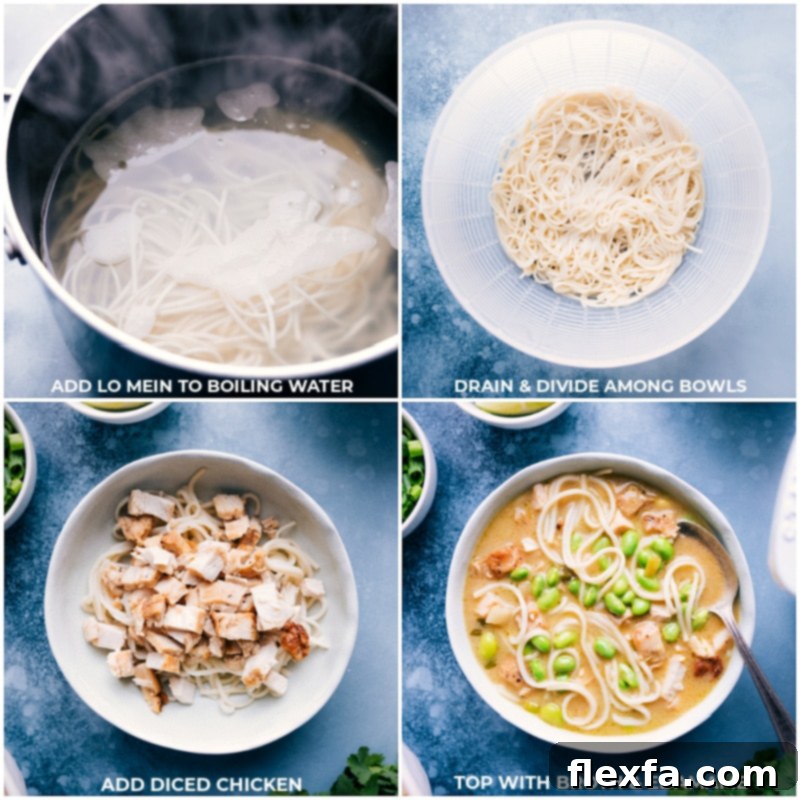
- While the soup is simmering, the water for your noodles should be boiling. Cook the lo mein noodles according to package directions until al dente. Drain the noodles immediately and do not rinse them under water. Using tongs, divide the cooked noodles equally among 4 individual soup bowls. Dice the cooked chicken and distribute it evenly among the bowls (approximately ½ cup diced chicken per bowl), placing it directly on top of the noodles.
- When ready to serve, ladle the hot edamame and broth over the noodles and chicken in each bowl. Garnish generously with the reserved green onion tops. For an extra touch, you can also add fresh cilantro, additional lime wedges for squeezing, and a drizzle of Sriracha sauce if you desire more heat. Serve and enjoy your homemade Green Curry Noodle Soup immediately!
Recipe Notes
Note 1: Quick Prep Ginger & Garlic: To save time, utilize pre-minced garlic and ginger paste found in the refrigerated produce section of your grocery store.
Note 2: Lemongrass for Extra Zest: Lemongrass paste adds a fantastic layer of citrusy aroma. It can sometimes be challenging to locate, but you might find it at local Asian markets or easily purchase it online. The soup is still delicious without it, but it truly enhances the authentic Thai flavor.
Note 3: Mastering Curry Paste Heat: Green curry paste is the dominant flavor. Brands like Maesri are generally spicier (start with 2-4 tablespoons), while Thai Kitchen is milder (4-6 tablespoons often works well). Always start with less and gradually add more to achieve your desired level of spice and flavor. Remember, full-fat coconut milk wonderfully balances the heat.
Note 4: The Coconut Milk Factor: Always use full-fat canned coconut milk, not “lite” versions, for the best richness and to balance the spice effectively. Lite coconut milk will result in a thinner soup and less creamy texture. Imperial Kitchen is a reliable brand.
Note 5: Noodle Varieties: While lo mein noodles are a top choice, ramen noodles (discard seasoning packets), rice noodles, or even thin spaghetti can be used. Just ensure you stick to approximately 4 ounces for the perfect noodle-to-broth ratio.
Note 6: Serving Suggestions: Elevate your bowl with fresh cilantro, extra lime wedges for a burst of citrus, and a drizzle of Sriracha sauce if you love an extra kick.
Note 7: Flavor Fine-Tuning: Once the soup has simmered, taste and adjust! Add more lime juice for brightness, brown sugar for sweetness, soy sauce for umami, curry paste for more depth/spice, or salt to bring out all the flavors. Adjust to your personal preference.
Storage: For best results, store cooked noodles and chicken separately from the broth and edamame. Combine them just before reheating to maintain noodle texture.
Nutrition
Nutrition information is automatically calculated and should be used as an approximation.