
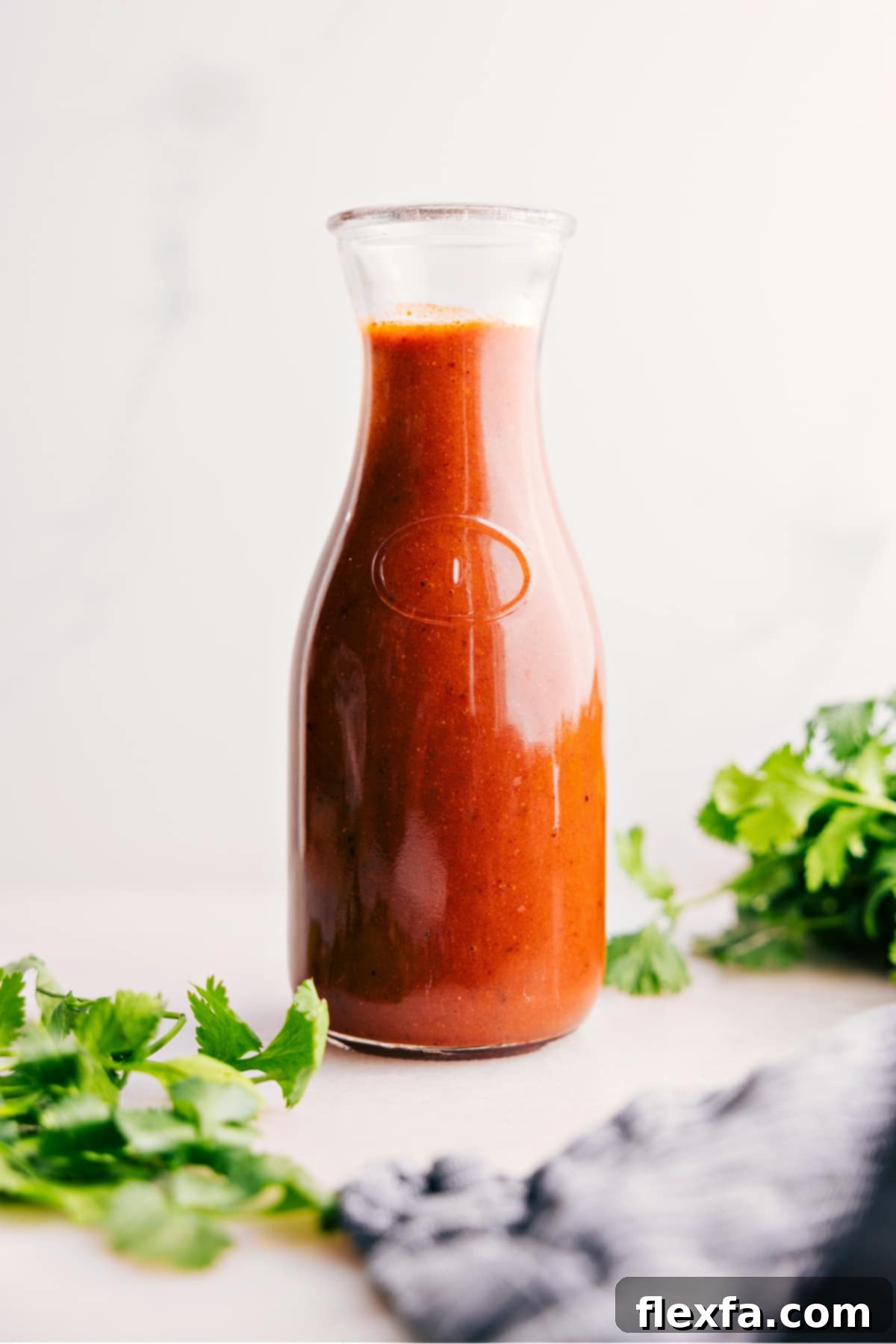
The Ultimate Guide to Homemade Enchilada Sauce: Flavor That Beats the Store-Bought Bottle Every Time
Transform your Mexican-inspired dishes with a homemade enchilada sauce that’s incredibly simple to make, yet bursting with deep, authentic flavor. Forget the inconsistent results of canned sauces – this easy-to-follow recipe will have you whisking, simmering, and savoring a delicious sauce that elevates every bite. In just minutes, you can create a rich, vibrant red enchilada sauce from scratch, giving you full control over its spice level and depth, ensuring it’s perfect for your next culinary creation.
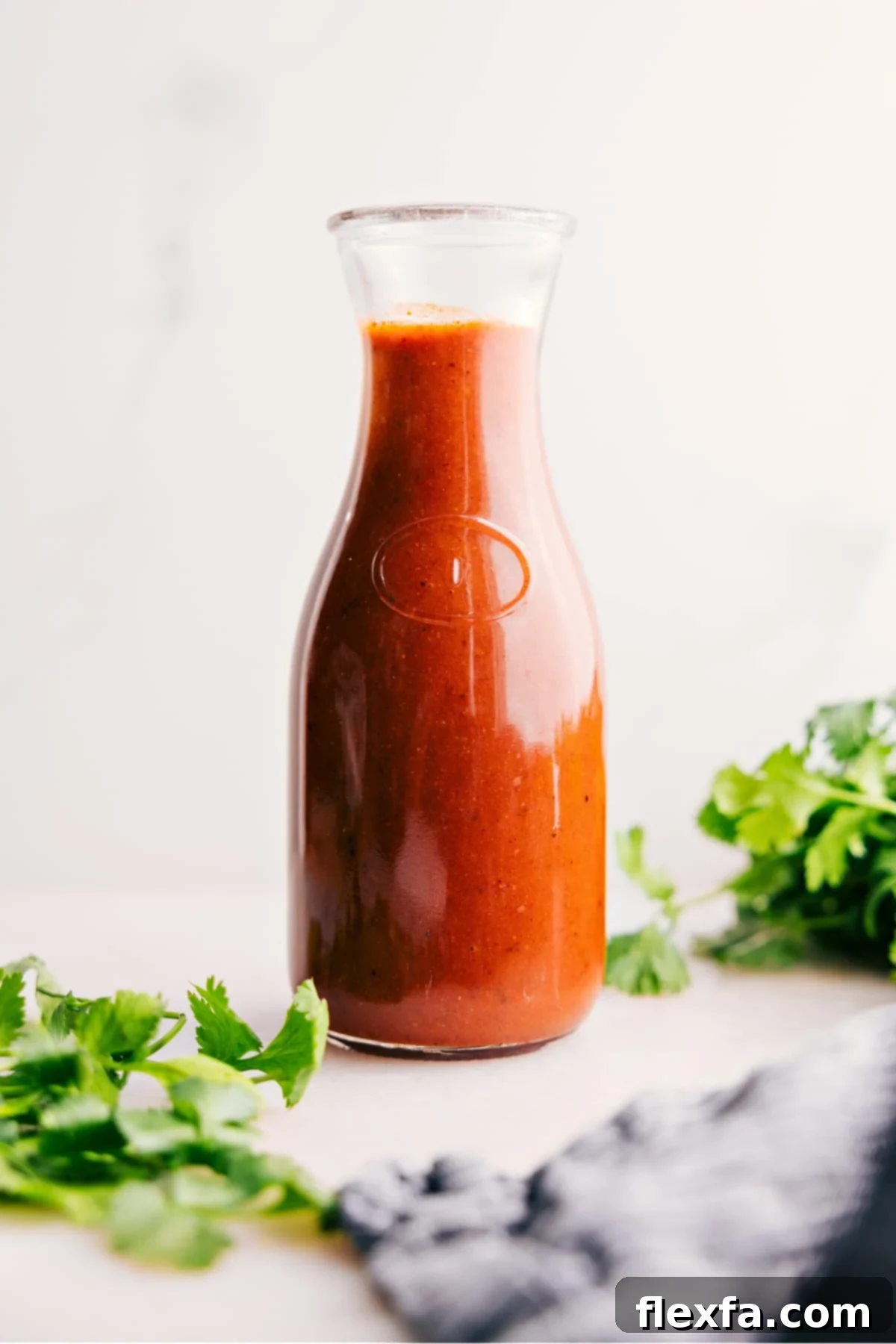
Why You’ll Love Making Enchilada Sauce From Scratch
There’s a special kind of satisfaction that comes from creating staples like enchilada sauce in your own kitchen. While I have a deep love for all kinds of enchiladas – from hearty beef and tender chicken to vibrant vegetable and sweet potato varieties – the true secret to an unforgettable dish always lies in the sauce. The difference between a good enchilada and a truly exceptional one is often the homemade touch of a perfectly balanced sauce.
For too long, I relied on store-bought enchilada sauces, only to find them often lacking in flavor, overly salty, or inconsistent in quality. Making your own enchilada sauce from scratch is not only incredibly quick and easy but also offers numerous advantages:
- Unmatched Flavor: Homemade sauce boasts a depth and richness that simply can’t be replicated by mass-produced options. Freshly toasted spices and quality ingredients create a truly authentic taste.
- Control Over Ingredients: You decide what goes in. No artificial flavors, colors, or excessive sodium. This is especially important for those with dietary restrictions or who prefer to avoid certain additives.
- Customizable Spice Level: Whether you prefer a mild, family-friendly sauce or a fiery kick, you can easily adjust the heat to your personal preference.
- Cost-Effective: Making sauce from pantry staples is often more economical than repeatedly buying canned versions, especially if you enjoy enchiladas regularly.
- Therapeutic Process: The aroma of blooming spices and simmering sauce fills your kitchen, adding to the joy of cooking.
Once you experience the superior flavor and quality of homemade red enchilada sauce, you’ll understand why there’s no turning back. It’s a game-changer for any Mexican-inspired meal!
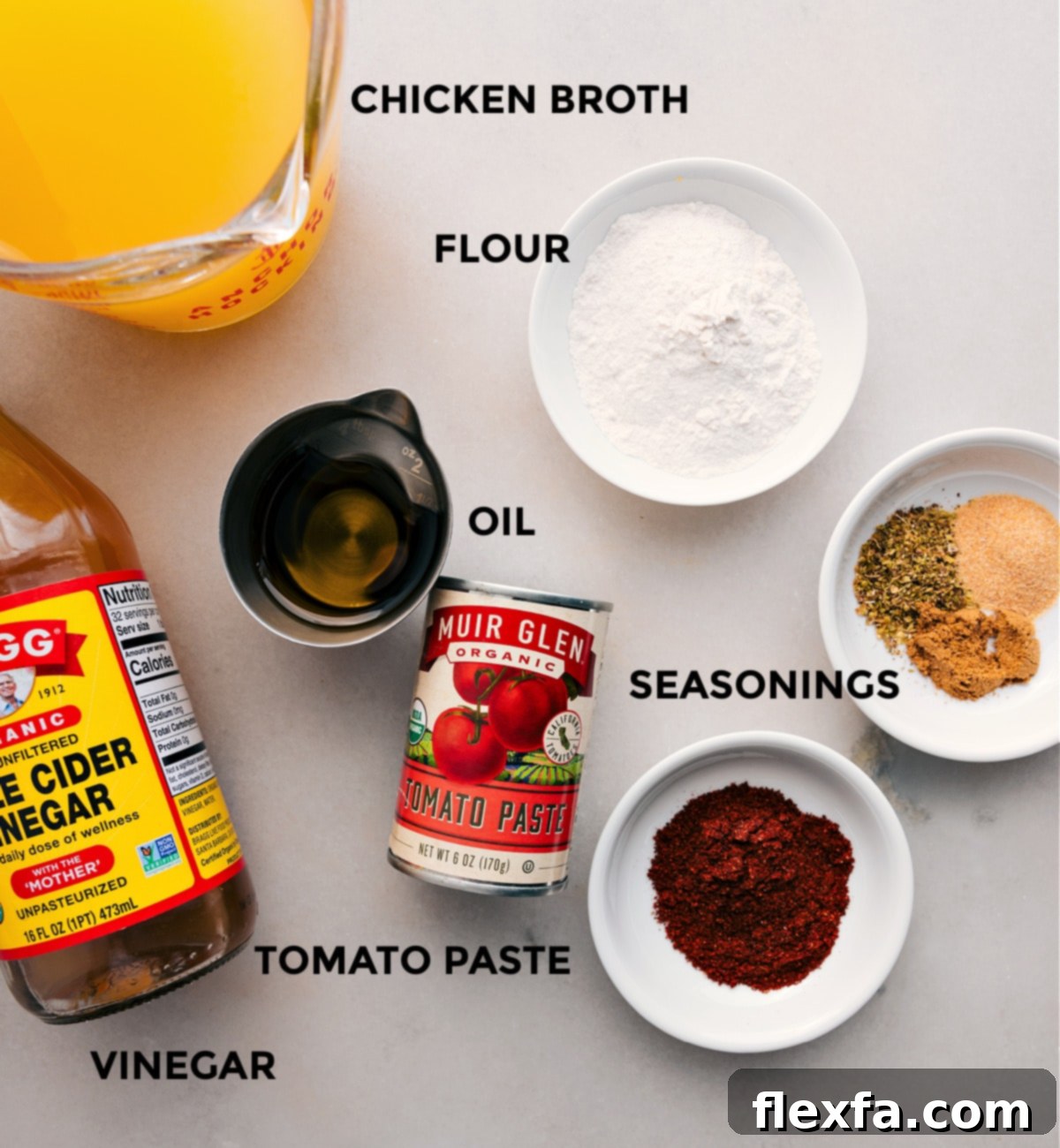
Essential Ingredients for Your Best Red Enchilada Sauce
Crafting a truly flavorful enchilada sauce starts with a thoughtful selection and understanding of each ingredient. Here’s a closer look at the components that make this easy enchilada sauce recipe a standout:
- Vegetable Oil or Olive Oil: This forms the base of our roux, which acts as a thickener and carries the flavors of the spices. Either vegetable or olive oil works well, though a neutral oil will let the spices shine even more.
- Ground Chili Powder: This is the star! It’s crucial to use American chili powder (often labeled just “chili powder”), which is a blend of ground dried chiles, cumin, oregano, garlic powder, and sometimes salt. This is distinctly different from “chile powder” (with an ‘e’), which typically refers to pure ground dried chiles like ancho or New Mexico chile, and has a much more concentrated heat and specific flavor profile. American chili powder provides that classic, mild, and savory enchilada flavor.
- Ground Cumin: Adds a warm, earthy, and slightly pungent flavor that is quintessential to Mexican and Tex-Mex cuisine.
- Dried Oregano: Mexican oregano is traditionally preferred for its citrusy, earthy, and slightly peppery notes, but regular dried oregano also works beautifully, lending an aromatic depth.
- Garlic Powder: Provides a foundational savory aroma without the raw bite or texture of fresh garlic.
- All-Purpose Flour: This is the thickening agent, creating a roux with the oil. It gives the sauce its desirable velvety texture. For a gluten-free option, you can use a gluten-free all-purpose flour blend or a cornstarch slurry (mixed with a little cold water) added at the simmering stage.
- Tomato Paste: A powerhouse of concentrated tomato flavor. It adds a touch of acidity, umami, and a beautiful reddish hue to the sauce, deepening its overall profile. Make sure to cook it down slightly to remove its raw taste.
- Chicken Broth: The liquid base for the sauce. It adds savory notes and contributes significantly to the final taste. Low-sodium chicken broth allows you to control the salt content precisely. For a vegetarian or vegan version, simply substitute with vegetable broth.
- Salt and Pepper: Essential for seasoning. Start with the recommended amount, but always taste and adjust at the end to suit your palate.
- Apple Cider Vinegar: A secret ingredient for brightness! Just a teaspoon adds a subtle tang that balances the rich, savory flavors and prevents the sauce from tasting flat. It’s a small addition that makes a big difference.
- Granulated Sugar (Optional): If your chili powder is particularly spicy or you prefer a slightly sweeter, more balanced sauce, a pinch of sugar can mellow the heat and round out the flavors beautifully.
By understanding the role of each component, you’ll be well on your way to crafting a truly magnificent homemade enchilada sauce.
Mastering the Art of Homemade Enchilada Sauce: Step-by-Step Instructions & Pro Tips
Creating this red enchilada sauce is more of an art than a science, but with these detailed steps and pro tips, you’ll achieve perfection every time. The key is to build layers of flavor, starting with the base.
- Mise en Place is Key: Before you even turn on the stove, measure out all your ingredients. This sauce cooks quickly, and having everything ready prevents frantic scrambling and ensures a smooth cooking process.
- Chili Powder Selection: As mentioned, use American chili powder, not pure chile (with an ‘e’) powder. American chili powder is a blend and offers a balanced flavor ideal for enchilada sauce.
- Sauté Spices & Tomato Paste Slowly: This step is vital for building deep, complex flavors.
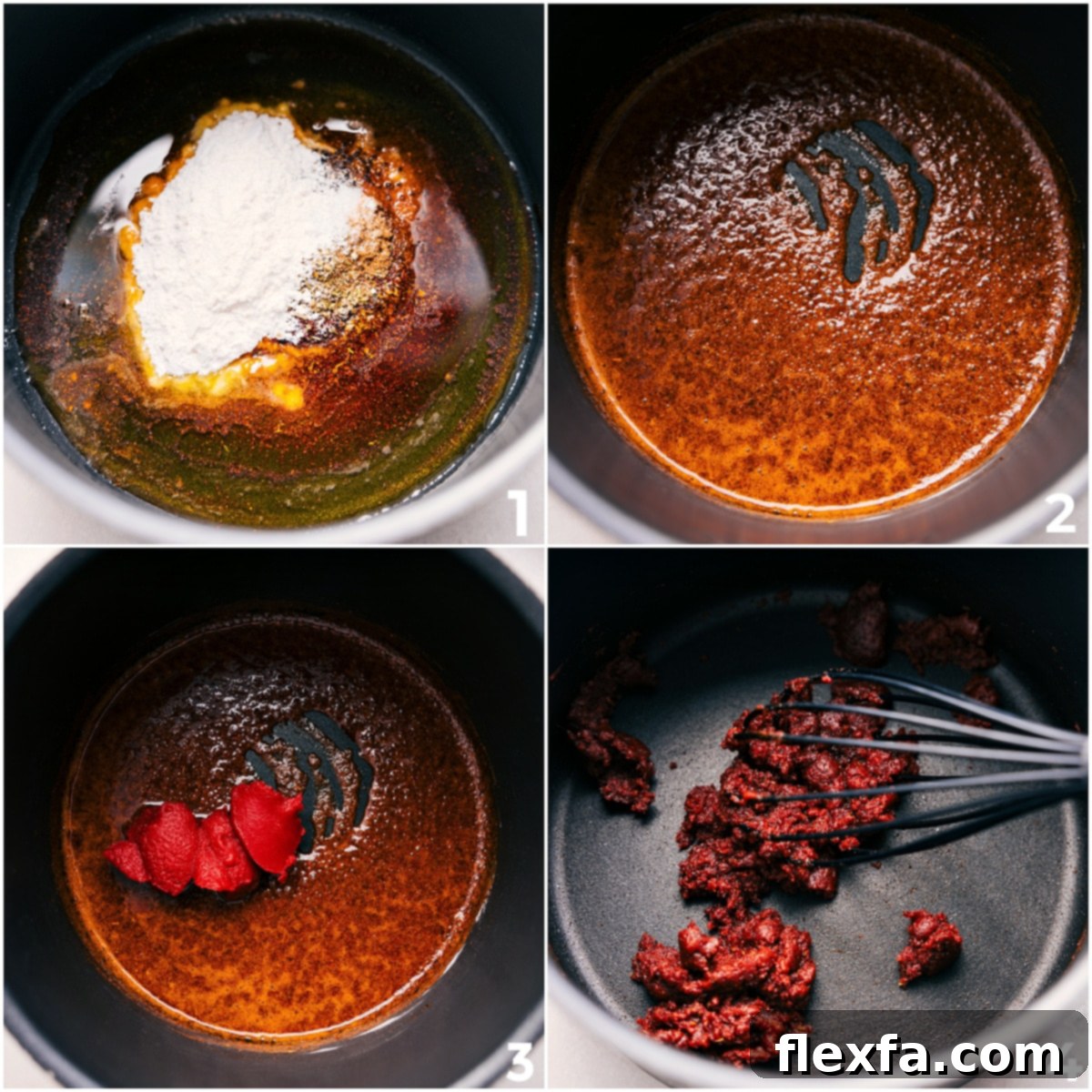
- Heat your oil in a medium pot over medium heat. Once shimmering, whisk in the chili powder, cumin, oregano, garlic powder, flour, salt (start with about ½ teaspoon, you can adjust later), and a pinch of pepper.
- Stir continuously for 1-2 minutes. You’ll notice the spices becoming incredibly fragrant and slightly darkening. This process, known as “blooming” the spices, intensifies their flavor. Don’t rush or burn them!
- Next, whisk in the tomato paste. Continue stirring constantly for another minute. Cooking the tomato paste helps remove its raw, metallic taste and deepens its savory, umami notes.
- Whisk in Broth for Smoothness: Slowly pour in the chicken broth while whisking constantly. This gradual addition and continuous whisking are crucial to prevent lumps and create a perfectly smooth sauce. Start with a small amount of broth to create a paste, then gradually add the rest.
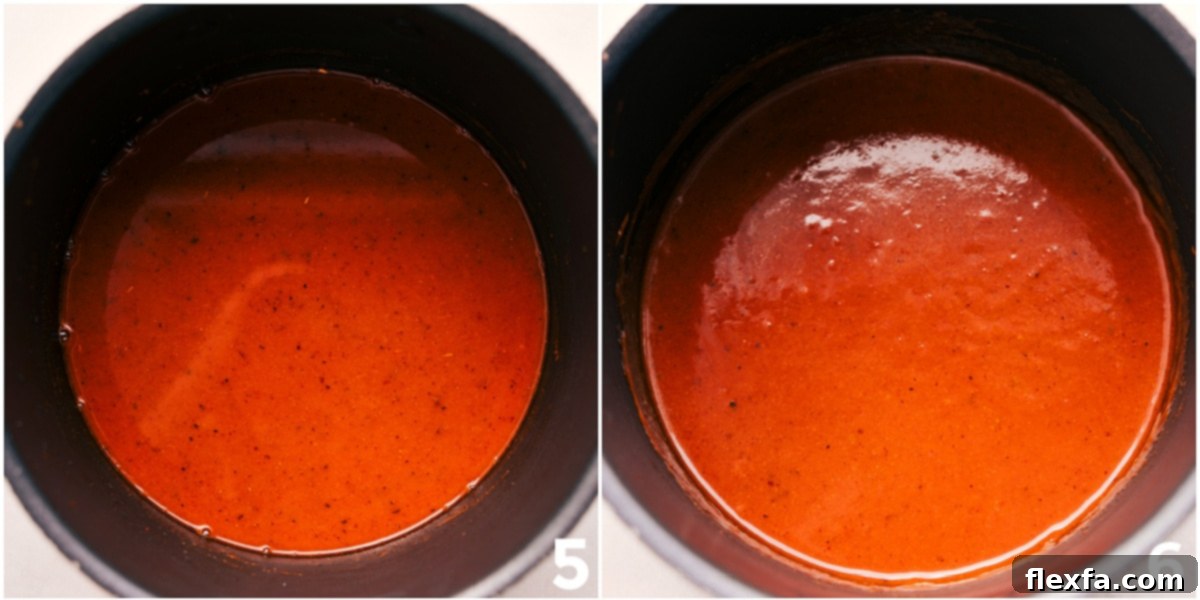
- Simmering for Thickness and Depth: Bring the sauce to a gentle simmer over medium-high heat, then reduce the heat to medium-low. Let it cook for 5-10 minutes, stirring occasionally. This simmering time allows the sauce to thicken beautifully and for all the flavors to meld and deepen. It’s a moment for patience; don’t rush it. The sauce should coat the back of a spoon.
- Adjust Heat Level: If you crave more spice, now’s the time! Add ¼ to ½ teaspoon of cayenne pepper along with the other spices during the initial sautéing phase. For a smoky kick, a pinch of smoked paprika or a tiny bit of chipotle powder can be added.
- The Finishing Touch – Vinegar & Sugar: Remove the pot from heat and stir in the apple cider vinegar. This brightens the sauce and balances its richness. Taste and adjust the seasoning. If the sauce tastes too spicy or needs a little rounding out, add a pinch of granulated sugar to taste. It helps balance the acidity and heat.
- Double It: This recipe doubles exceptionally well. Making a large batch means you’ll have extra sauce ready to store for future meals or to use in other dishes, saving you time later.
Creative Ways to Use Your Delicious Homemade Enchilada Sauce
While this homemade red enchilada sauce is, of course, perfect for traditional enchiladas, its rich, savory, and slightly tangy flavor makes it incredibly versatile. Don’t limit yourself to just one dish! Here are numerous ways to incorporate this delicious sauce into your cooking:
- Smother Classic Enchiladas: The most obvious and satisfying use! Roll up your favorite fillings—shredded beef, chicken, cheese, vegetables, or beans—arrange them in a baking dish, generously pour this rich sauce over the top, sprinkle with cheese, and bake until bubbly and golden.
- Elevate Burritos and Tacos:
- Smothered Burritos: Once your burritos are rolled, place them in a baking dish, cover with warm enchilada sauce, and bake until heated through. Add a dollop of sour cream and a sprinkle of cilantro.
- Flavorful Taco Filling: Mix a few tablespoons of sauce into your ground beef, chicken, or bean filling for tacos. It adds moisture and an incredible depth of flavor.
- Transform Tostadas: Drizzle warm enchilada sauce over crispy tostadas layered with beans, meat, lettuce, and cheese for an extra layer of flavor and moisture.
- Enhance Soups and Chilis: Stir a generous amount of enchilada sauce into your favorite soups, stews, or chili recipes. It instantly boosts their savory, smoky, and complex notes, making them even heartier and more satisfying.
- Savory Marinade: Whisk the sauce with a little extra oil, lime juice, and perhaps some minced garlic for a fantastic marinade. It’s excellent for chicken, pork, or even beef, infusing them with rich Mexican flavors before grilling, baking, or pan-frying.
- Top Loaded Nachos: Drizzle warm enchilada sauce directly over a platter of nachos loaded with cheese, beans, and your choice of protein before baking, or mix it into the seasoned meat before layering. It’s a wonderful alternative or addition to traditional salsa.
- Enchilada Casseroles and Lasagnas: Use the sauce as a layering component in Mexican-inspired casseroles, like a Chicken Enchilada Casserole or a layered enchilada lasagna, where tortillas replace pasta sheets. It’s also fantastic in Crockpot Quinoa Enchiladas or Mexican Quinoa dishes.
- Breakfast Dishes: Drizzle over breakfast burritos or huevos rancheros for a flavorful start to your day.
Having a batch of this homemade red enchilada sauce on hand truly unlocks a world of delicious possibilities in your kitchen. It’s not just a sauce; it’s a flavor booster!
Storing, Freezing, and Reheating Your Homemade Enchilada Sauce
One of the many benefits of making your own enchilada sauce is the ability to prepare it in advance and store it for later. This makes meal prep a breeze and ensures you always have delicious, authentic flavor on hand.
- Make Ahead & Refrigerate: Once cooled completely, transfer the sauce to an airtight container. It can be stored in the refrigerator for up to 1 week. In fact, many people find that the flavors deepen and meld even further after a day or two, making it even more delicious!
- Double the Recipe: This recipe is perfect for doubling. Prepare a larger batch and easily divide it for immediate use and future storage. It saves time and effort in the long run.
- Freezing for Long-Term Storage: Enchilada sauce freezes beautifully, extending its shelf life significantly.
- Containers: Pour the cooled sauce into freezer-safe containers, leaving a little headspace for expansion.
- Zip-top Bags: For flat storage and quicker thawing, pour into heavy-duty freezer-safe zip-top bags, press out air, and lay flat to freeze.
- Portioned Cubes: For smaller portions perfect for adding to soups or chilis, pour cooled sauce into ice cube trays, freeze solid, then transfer the frozen cubes to a freezer bag.
The sauce will keep well in the freezer for up to 6 months without significant loss of quality. Don’t forget to label containers with the date!
- Reheating Instructions:
- From Refrigerator: Gently reheat the sauce in a saucepan over medium-low heat, stirring occasionally, until it reaches your desired temperature. If it’s too thick, you can add a splash of chicken or vegetable broth to thin it out.
- From Freezer: For best results, thaw frozen sauce overnight in the refrigerator. Once thawed, reheat on the stovetop as you would refrigerated sauce. If you’re in a hurry, you can gently reheat directly from frozen over low heat, stirring frequently, until melted and warm.
Having a stash of homemade enchilada sauce in your fridge or freezer is a testament to smart cooking and ensures you’re always ready to whip up a flavorful Mexican-inspired meal without the hassle.
More Mexican-Inspired Recipes to Explore:
- Mexican Rice Recipe baked to perfection in one dish.
- Mexican Street Corn Pasta Salad with a creamy, zesty dressing.
- Loaded Sweet Potatoes featuring vibrant Mexican Street Corn flavors.
- Chicken Pozole, a comforting soup ready in 30 minutes or less.
- Mexican Zucchini Boats generously coated in melted cheese.
Homemade Red Enchilada Sauce
Chelsea Lords
10 minutes
10 minutes
20 minutes
2 cups (approx. 10 servings)
Equipment
-
Medium pot
Ingredients
-
3
tablespoons
vegetable oil
or olive oil -
1
tablespoon
ground chili powder
(see Note 1 below) -
1
teaspoon
ground cumin -
1/2
teaspoon
dried oregano -
1/2
teaspoon
garlic powder -
3
tablespoons
all-purpose flour -
2-1/2
tablespoons
tomato paste -
2
cups
chicken broth -
Salt and pepper
-
1
teaspoon
apple cider vinegar -
Granulated sugar
optional, to taste
Instructions
-
Prepare Ingredients: Measure all ingredients before starting. This sauce cooks quickly, so having everything ready (mise en place) is essential.
-
Bloom Spices & Build Roux: Heat oil in a medium pot over medium heat. Once hot and shimmering, whisk in the chili powder, cumin, oregano, garlic powder, flour, salt (I typically use ½ tsp at this stage), and a pinch of pepper. Stir continuously for 1-2 minutes until the mixture is very fragrant and slightly darkened. This blooms the spices and creates the roux.
-
Cook Tomato Paste: Whisk in the tomato paste and cook, stirring constantly, for 1 more minute. This helps to deepen its flavor and remove any raw taste.
-
Add Broth & Simmer: Slowly pour in the chicken broth, whisking constantly to prevent any lumps. Bring the mixture to a gentle simmer over medium-high heat, then reduce the heat to medium-low. Cook for 5-10 minutes, stirring occasionally, until the sauce has thickened to your desired consistency. It should lightly coat the back of a spoon.
-
Finish & Season: Remove the pot from heat. Stir in the apple cider vinegar. Taste the sauce and adjust seasonings as needed, adding more salt, pepper, or a pinch of granulated sugar if the sauce is too spicy or needs balancing. Use immediately or let cool for storage.
Recipe Notes
Nutrition Note: Nutrition information is an approximation calculated based on a serving size of 1 cup.
Storage: Store in an airtight container in the fridge for up to 1 week. It can also be frozen for up to 6 months.
Nutrition
Serving: 1 serving | Calories: 276kcal | Carbohydrates: 17g | Protein: 4g | Fat: 23g | Saturated Fat: 2g | Polyunsaturated Fat: 6g | Monounsaturated Fat: 14g | Trans Fat: 0.1g | Cholesterol: 5mg | Sodium: 1098mg | Potassium: 370mg | Fiber: 3g | Sugar: 4g | Vitamin A: 1529IU | Vitamin C: 5mg | Calcium: 61mg | Iron: 3mg
Nutrition information is automatically calculated and should only be used as an approximation. Individual results may vary based on specific ingredients and preparation methods.
Frequently Asked Questions (FAQ) About Homemade Enchilada Sauce
- Can I make this enchilada sauce gluten-free? Yes! Simply substitute the all-purpose flour with a 1:1 gluten-free flour blend. Alternatively, you can omit the flour entirely and create a cornstarch slurry (1 tablespoon cornstarch mixed with 2 tablespoons cold water) to whisk into the simmering sauce at the end for thickening.
- What if my sauce is too thin or too thick?
- Too Thin: Simmer the sauce for a few more minutes, uncovered, to allow more liquid to evaporate. If it’s still too thin, mix 1 teaspoon of flour or cornstarch with 1 tablespoon of cold water to create a slurry, then whisk it into the simmering sauce and cook for another minute.
- Too Thick: Whisk in a tablespoon or two of extra chicken or vegetable broth until you reach your desired consistency.
- Can I use vegetable broth instead of chicken broth? Absolutely! For a vegetarian or vegan enchilada sauce, vegetable broth is an excellent substitute that won’t compromise flavor.
- What kind of chili powder should I use for the most authentic flavor? For classic red enchilada sauce, American chili powder (a blend of spices) is key. If you’re looking for a deeper, more robust, and potentially spicier flavor, you could incorporate a small amount of pure ground ancho chile powder or New Mexico chile powder, but use it in addition to, or as a partial substitute for, the American chili powder.
- Can I add other spices to customize the flavor? Definitely! A pinch of smoked paprika can add a wonderful smoky depth, while a tiny amount of unsweetened cocoa powder (a traditional Mexican ingredient) can enhance the richness and complexity.
Loved this recipe? Share your thoughts below!