

Indulge in the ultimate homemade treat with this incredible Iced Lemon Bread Recipe. Perfectly moist, wonderfully citrusy, and exquisitely soft with a delightful pound-cake-like texture, this loaf is an absolute must-try! The secret to its unparalleled tenderness? A generous addition of rich Greek yogurt to the batter, transforming it into a bakery-quality delight right in your own kitchen.


From the Author’s Kitchen
This Homemade Lemon Loaf is a Family Favorite That Disappears Fast!
The joy of a perfectly baked lemon loaf is truly unmatched, and for my kids, the lemon bread from Starbucks has always been a coveted treat. Especially when the chill of winter sets in, a trip to grab Pumpkin Spice Steamers often comes with insistent pleas for a slice of that irresistible iced lemon bread. And honestly, who could blame them? Its vibrant flavor and tender crumb are absolutely delicious.
This inspired me to create my own version – a homemade Iced Lemon Bread Recipe that could be enjoyed more frequently, right from the comfort of our home. What started as an experiment quickly turned into a household staple. Now, a fresh loaf barely lasts a couple of days before it’s completely devoured, and the requests for “more lemon bread!” begin almost immediately. It’s truly become one of our most beloved quick bread recipes, a testament to its simple charm and incredible flavor!
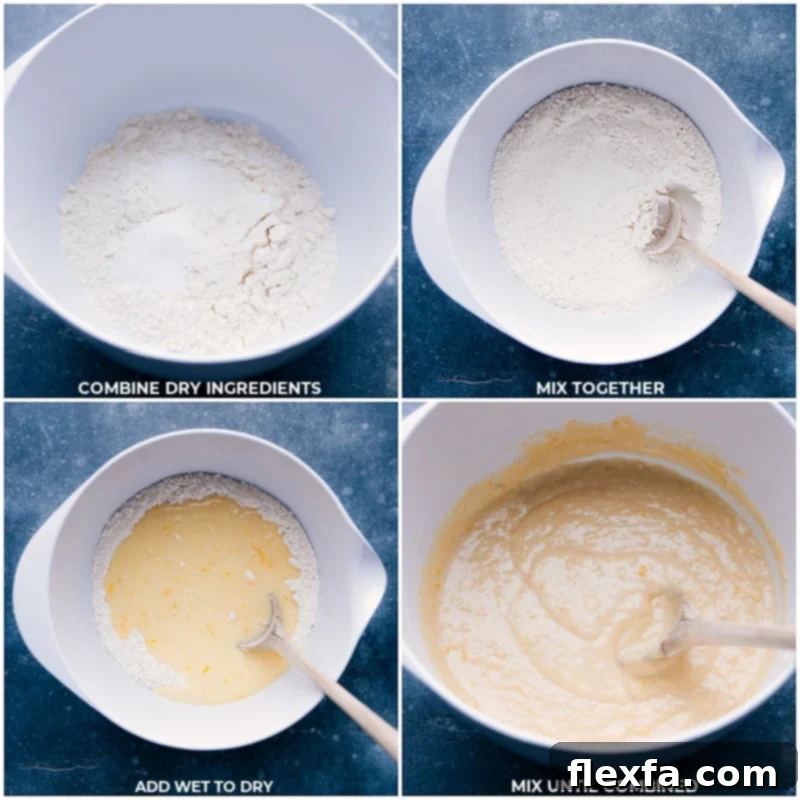
Crafting the Perfect Iced Lemon Bread: A Simple Guide to Unforgettable Flavor
Creating this exceptional lemon bread is surprisingly straightforward and doesn’t require any fancy equipment. Forget the stand mixer; a simple whisk and two crucial lemon-packed ingredients are all you need to achieve that signature bright flavor and delightful, cake-like density.
The Dynamic Duo for Unforgettable Lemon Flavor:
- Fresh Lemon Zest: This is where the primary, natural lemon essence comes from. Zest adds a robust citrus aroma and flavor without introducing excess liquid that could alter the bread’s texture. By grating only the yellow part of the lemon’s skin, you capture its aromatic oils. Remember to save the fresh lemon juice for our luscious glaze!
- Pure Lemon Extract: To truly amplify that zesty punch and give your loaf an undeniable “lemon bomb” flavor, we incorporate lemon extract. Unlike lemon juice, which can thin out your batter, a high-quality pure lemon extract (such as those from McCormick® or Watkins®) delivers an intense, concentrated citrus burst. This ensures every bite is infused with brilliant lemon taste without compromising the perfect pound-cake-like consistency of the bread.
Why This Homemade Lemon Bread Recipe Will Be Your New Favorite
Beyond its incredibly delicious taste, this Iced Lemon Bread recipe has quickly become a fan favorite for several compelling reasons, making it a staple in many households:
- Unrivaled Moistness: Thanks to the generous inclusion of Greek yogurt in the batter, this bread boasts an extraordinary moistness that lasts for days. It’s never dry or crumbly, always tender, rich, and incredibly inviting, maintaining its freshness long after baking.
- Pound Cake Perfection: The texture is wonderfully dense yet remarkably soft, reminiscent of a classic pound cake. This delightful consistency allows it to hold up beautifully, whether sliced thick for a hearty breakfast or thin for an elegant dessert.
- Bright, Authentic Lemon Flavor: We utilize a powerful combination of abundant fresh lemon zest and pure lemon extract to ensure a truly vibrant, authentic, and intense lemon taste. This balance guarantees a flavor that is both natural and deeply satisfying, without being artificial or overwhelming.
- Effortless Preparation: Say goodbye to complicated baking processes! This quick bread comes together with remarkable ease, requiring only a couple of bowls and a whisk. No stand mixer or special skills are needed, making it perfect and accessible for bakers of all experience levels.
- Irresistible Icing: The crowning glory of this loaf is its simple yet luscious lemon glaze. Drizzled generously over the cooled bread, this sweet and tangy topping adds a beautiful visual appeal and an extra layer of citrusy sweetness that perfectly complements the rich flavor of the bread.
- Versatile Treat: This Iced Lemon Bread is incredibly versatile. It’s ideal for a bright start to your day at breakfast, a lovely addition to any brunch spread, a delightful afternoon snack paired with coffee or tea, or a light and refreshing dessert after any meal. It truly shines on any occasion.
Essential Tips for Baking the Perfect Lemon Loaf Every Time
Quick Tip: Pan Perfection for Best Results!
Using the correct pan size is absolutely crucial for the success of this Lemon Bread. This recipe is specifically developed for a standard 9×5-inch (1-pound) loaf pan. Deviating from this size can significantly affect baking time and the bread’s internal structure, potentially leading to an undercooked center, an overbaked exterior, or a dense texture. For consistent, perfect results, always stick to the recommended pan size! Here’s my favorite reliable loaf pan that I use and love.
Preparing Your Pan: To ensure your lemon bread releases cleanly and beautifully, generously grease your loaf pan with cooking spray (or rub it thoroughly with shortening), then lightly dust it with all-purpose flour. Make sure to tap out any excess flour. Alternatively, for even easier removal, you can line the pan with parchment paper, leaving a generous overhang on the longer sides to create “handles” for lifting the cooled loaf out.
Achieving the Best Flavor and Texture: Detailed Insights
- Room Temperature Ingredients are Non-Negotiable: This is a golden rule for many baking recipes, and it’s especially important here. Ensure all your wet ingredients – particularly eggs and Greek yogurt – are at room temperature. This allows them to emulsify and combine smoothly with the other ingredients, creating a uniform batter and resulting in a perfectly textured, tender loaf. Plan ahead by removing them from the fridge about 45 minutes to an hour before you begin your baking preparations.
- Mastering Lemon Zest: Avoid the Pith: For the most intense and pure lemon flavor, zest only the bright yellow outer skin of the lemon. The white layer directly underneath, known as the pith, is very bitter and can impart an unpleasant taste to your bread. A good microplane zester makes this task quick, easy, and efficient, ensuring you get only the flavorful zest.
- The Power of Pure Lemon Extract: As previously mentioned, lemon extract is a potent flavor booster. It should not be confused with lemon juice. It concentrates the citrus essence, giving your bread that irresistible “lemon bomb” taste without altering the batter’s liquid balance. Pure lemon extracts from reputable brands like McCormick or Watkins deliver exceptional, reliable results in this recipe.
- Do Not Overmix the Batter: Once you combine the wet and dry ingredients, mix just until they are barely combined and no significant streaks of dry flour remain. Overmixing is a common pitfall that can overdevelop the gluten in the flour, leading to a tough, rubbery, and dense bread instead of the tender, pound-cake-like texture we’re aiming to achieve. Mix gently and briefly.
- The Importance of Patient Cooling: Patience is a virtue when it comes to cooling your baked bread. After removing it from the oven, allow it to cool in the pan on a wire rack for 15 minutes. This crucial resting period allows the bread to firm up and prevents it from crumbling or collapsing. After 15 minutes, carefully invert the loaf onto the wire rack to cool completely for at least another hour before applying the glaze or attempting to slice it. Rushing this step means the bread is still undergoing residual cooking, and slicing too early can lead to a gummy or less appealing texture.
Storage Guidelines for Your Delicious Homemade Lemon Bread
Maximize Freshness and Flavor for Days
- Room Temperature (Best within 3 Days): This lemon bread is at its absolute best and freshest for 2-3 days when stored properly at room temperature. To store, simply wrap the loaf or individual slices tightly in plastic wrap to create an airtight seal, or place them in an airtight container. This prevents the bread from drying out and helps maintain its moist, tender crumb.
- Refrigerated (Up to 1 Week): If you need to extend its shelf life beyond a few days, refrigeration is a good option. Tightly wrap individual slices or the entire loaf (unglazed is often best for longer storage) in plastic wrap, then place them in an airtight container. Stored in the refrigerator, your lemon bread will remain delicious and safe to eat for up to 1 week. For the best flavor and texture, allow refrigerated slices to come to room temperature before serving.
- Freezer (Up to 3 Months): For long-term storage, freezing is an excellent choice. Ensure the loaf is completely cooled and unglazed before freezing. Wrap the entire loaf tightly in several layers of plastic wrap, then place it in a heavy-duty freezer bag or wrap it again securely in aluminum foil. Freeze for up to 3 months. To thaw, simply transfer the frozen loaf to the refrigerator overnight, then bring it to room temperature before glazing and serving. You can also freeze individual slices, wrapped similarly, for quick grab-and-go treats whenever a craving strikes.
Explore More Zesty Lemon Creations:
If you’ve fallen in love with the bright, refreshing taste of this Iced Lemon Bread, you’ll definitely want to explore these other delightful lemon-infused recipes. They are perfect for satisfying any citrus craving and adding a burst of sunshine to your baking repertoire!
More Lemon Desserts You’ll Adore:
Desserts
The BEST Lemon Bars Recipe
Desserts
Lemon Curd Cookies
Desserts
Lemon Pie Recipe
Cookies
Lemon Poppy Seed Cookies

Iced Lemon Bread Recipe
By Chelsea Lords
This Iced Lemon Bread Recipe is an absolute triumph! It’s incredibly moist, infused with vibrant citrus flavor, and perfectly sweetened. Featuring a delightful pound-cake-like texture, and made ultra-soft with the addition of yogurt in the batter, every slice is rich, tender, and utterly irresistible. A true showstopper!
Prep Time: 20 minutes
Cook Time: 1 hour
Cooling Time: 1 hour 15 minutes
Total Time: 2 hours 35 minutes
Servings: 10 slices (1 loaf)
Print Recipe
Equipment
- 9 x 5-inch bread pan (essential for this recipe’s success)
Ingredients
Wet Ingredients
- 1/2 cup vegetable oil or canola oil
- 1 cup granulated sugar
- 1 cup Greek yogurt (honey-vanilla flavored adds a lovely touch; full-fat sour cream can be substituted), at room temperature
- 2 large eggs, at room temperature
- 2 large lemons (for zest in the bread and juice for the glaze)
- 2 tablespoons pure lemon extract (see important note above on flavor)
Dry Ingredients
- 1-3/4 cups all-purpose flour
- 2 teaspoons baking powder
- 1 teaspoon salt
Topping and Glaze
- 2 tablespoons granulated sugar (for sprinkling on top before baking)
- 1/2 cup powdered sugar (for the glaze)
Instructions
- Prepare for Baking: Begin by ensuring all your wet ingredients (eggs, yogurt) are at room temperature. This is vital for a smooth batter. Remove them from the fridge 45-60 minutes prior to starting. Generously grease and lightly flour a 9×5-inch loaf pan, or line it with parchment paper leaving an overhang for easy removal. Preheat your oven to 350°F (175°C).
- Combine Wet Ingredients: In a large mixing bowl, combine the vegetable or canola oil, 1 cup of granulated sugar, room temperature Greek yogurt (or sour cream), room temperature eggs, and 2 tablespoons of fresh lemon zest from your large lemons. Whisk thoroughly until the mixture is completely smooth, creamy, and well-combined.
- Combine Dry Ingredients: In a separate large bowl, whisk together the all-purpose flour, baking powder, and salt until evenly distributed. Make a slight well in the center of the dry ingredients.
- Form the Batter: Pour the wet ingredient mixture into the well of the dry ingredients. Mix gently with a whisk or spatula until just combined and a smooth batter forms. Be careful not to overmix; a few small lumps of flour are acceptable, but avoid overworking the gluten, which can lead to a tough bread.
- Bake the Loaf: Pour the prepared batter evenly into your greased and floured (or parchment-lined) loaf pan. Smooth the top with a spatula. Sprinkle the remaining 2 tablespoons of granulated sugar evenly over the top of the batter – this will create a lovely crisp crust. Bake for 60-75 minutes, or until a wooden skewer or toothpick inserted into the very center of the loaf comes out clean or with only moist crumbs attached.
- Cool Properly: Once baked, remove the loaf from the oven and allow it to cool in the pan on a wire rack for 15 minutes. This crucial resting period allows the bread to set and prevents it from falling apart. After 15 minutes, carefully invert the loaf onto the wire rack to cool completely for at least another hour before applying the glaze or attempting to slice it. Cooling completely is essential for the best texture and for the glaze to set properly.
- Prepare and Apply Glaze: In a small bowl, whisk together the 1/2 cup powdered sugar with a tiny pinch of salt. Gradually add 1 tablespoon of fresh lemon juice, whisking continuously, until a smooth, pourable glaze consistency is achieved. If the glaze is too thick, add a tiny bit more lemon juice (a quarter teaspoon at a time); if too thin, add a bit more powdered sugar. Transfer the glaze to a small plastic bag, snip off one tiny corner, and pipe the glaze decoratively over the *completely cooled* lemon bread. Let the glaze set for a few minutes before slicing and serving.
Nutrition Information
Serving: 1 slice | Calories: 251kcal | Carbohydrates: 34g | Protein: 4g | Fat: 12g | Saturated Fat: 2g | Polyunsaturated Fat: 6g | Monounsaturated Fat: 3g | Trans Fat: 0.1g | Cholesterol: 38mg | Sodium: 340mg | Potassium: 77mg | Fiber: 1g | Sugar: 30g | Vitamin A: 60IU | Vitamin C: 12mg | Calcium: 81mg | Iron: 1mg
Nutrition information is automatically calculated and should be used as an approximation only.
Enjoyed this delightful recipe? We’d love to hear from you!
Leave a comment below and share your experience!
Frequently Asked Questions About Baking Homemade Lemon Bread
Several factors can cause your lemon bread to sink in the middle. Common culprits include using too much sugar relative to other ingredients, insufficient or expired baking powder (always check the expiration date!), not baking the loaf long enough (the center remains raw and collapses upon cooling), opening the oven door too early during baking (which can cause a sudden temperature drop), or if your wet ingredients weren’t thoroughly combined and at room temperature. Ensure your leavening agents are fresh, your oven temperature is accurate, and resist the urge to peek during the first 45 minutes of baking.
A dense or heavy lemon bread often stems from issues like using expired baking powder or baking soda, which won’t provide enough lift to the batter. Another common reason is using too much flour, particularly if it’s packed too tightly into the measuring cup instead of being lightly spooned and leveled. Overmixing the batter is also a frequent cause; once wet and dry ingredients are combined, mix only until just incorporated to avoid overdeveloping the gluten, which leads to a tough, dense crumb. Lastly, waiting too long to bake the batter after mixing can allow the leavening agents to lose their potency, resulting in a heavier loaf.
While the recipe specifically calls for lemon extract to achieve a truly intense and vibrant lemon flavor without altering the bread’s consistency, you can technically omit it. However, be aware that the overall lemon flavor of your loaf will be significantly less pronounced. To compensate slightly, you could try adding a bit more lemon zest (being extra careful to avoid the bitter white pith), but it won’t entirely replicate the same depth and “zing” of flavor that the concentrated extract provides. For the best result, I highly recommend using it!
Full-fat sour cream is an excellent and highly recommended substitute for Greek yogurt in this lemon bread recipe. It provides similar moisture, richness, and tang, contributing to a wonderfully tender crumb. Ensure your sour cream is also at room temperature before incorporating it into the batter for the best results. Regular plain yogurt can also work, but be aware that it might be slightly thinner, so a full-fat variety is still preferred for comparable moisture and texture.
The most reliable way to check for doneness is to insert a wooden skewer, toothpick, or thin knife into the very center of the loaf. It should come out clean or with only a few moist crumbs attached, but no wet batter. The top of the bread should also be beautifully golden brown, and the edges should appear to be pulling slightly away from the sides of the pan. For absolute precision, an instant-read thermometer inserted into the center should register around 200-210°F (93-99°C).
Bake Your Way to Citrus Bliss!
We hope this detailed guide empowers you to bake the most delightful Iced Lemon Bread right in your own kitchen. Whether you’re a seasoned baker or just starting out, this recipe promises a tender, fragrant, and utterly delicious loaf that will quickly become a beloved staple in your home. The bright, zesty flavor combined with the melt-in-your-mouth texture is simply irresistible. Perfect for any time of day – be it a morning coffee companion, a delightful brunch centerpiece, or a refreshing dessert – this lemon bread is more than just a treat; it’s an experience. So, gather your ingredients, follow these simple steps, and get ready to enjoy a slice of pure citrus bliss that your family and friends will rave about!