
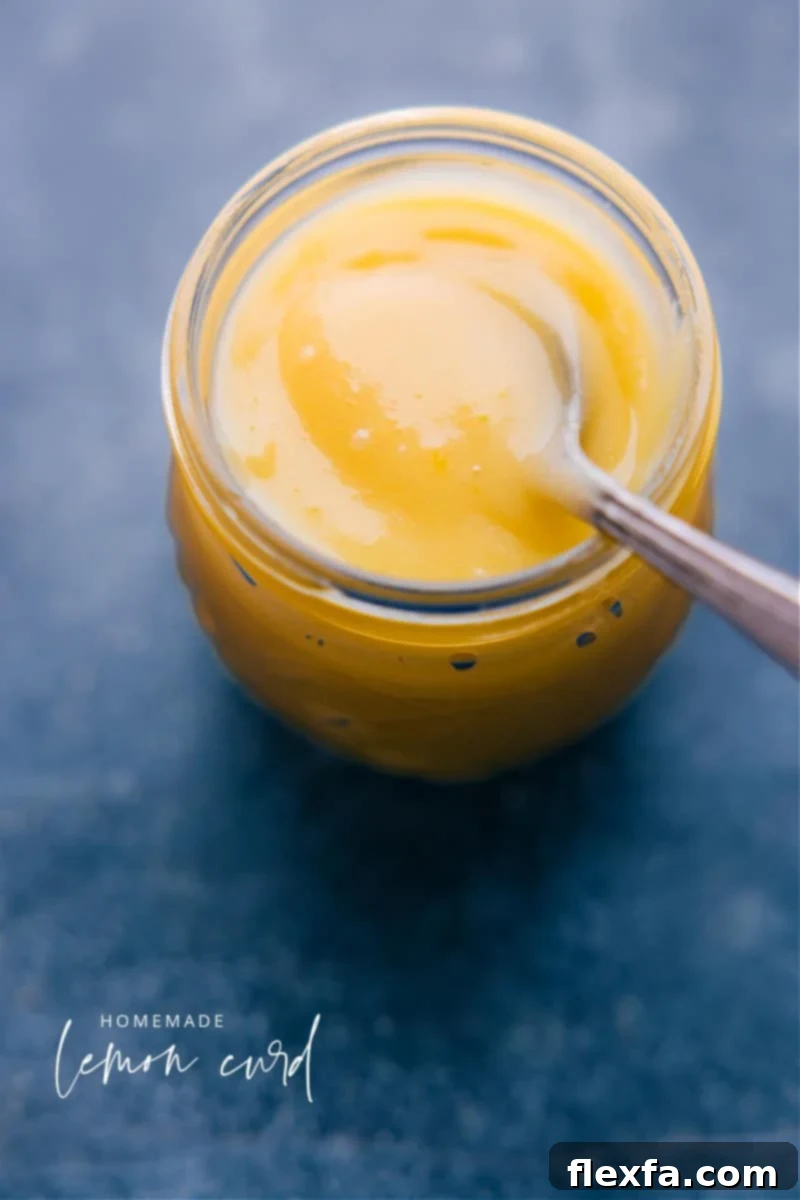
Lemon Curd is more than just a spread; it’s a vibrant burst of sunshine in every bite. This luxurious, tangy, and exquisitely smooth creation is meticulously crafted from fresh lemons, creamy butter, sweet sugar, and rich eggs. Its versatility knows no bounds, making it the quintessential accompaniment for warm scones, fluffy biscuits, elegant desserts, or a towering stack of pancakes. While store-bought versions offer convenience, nothing compares to the unparalleled freshness and depth of flavor found in a homemade batch. Prepare to transform ordinary meals into extraordinary culinary experiences with this simple yet sophisticated citrus delight.
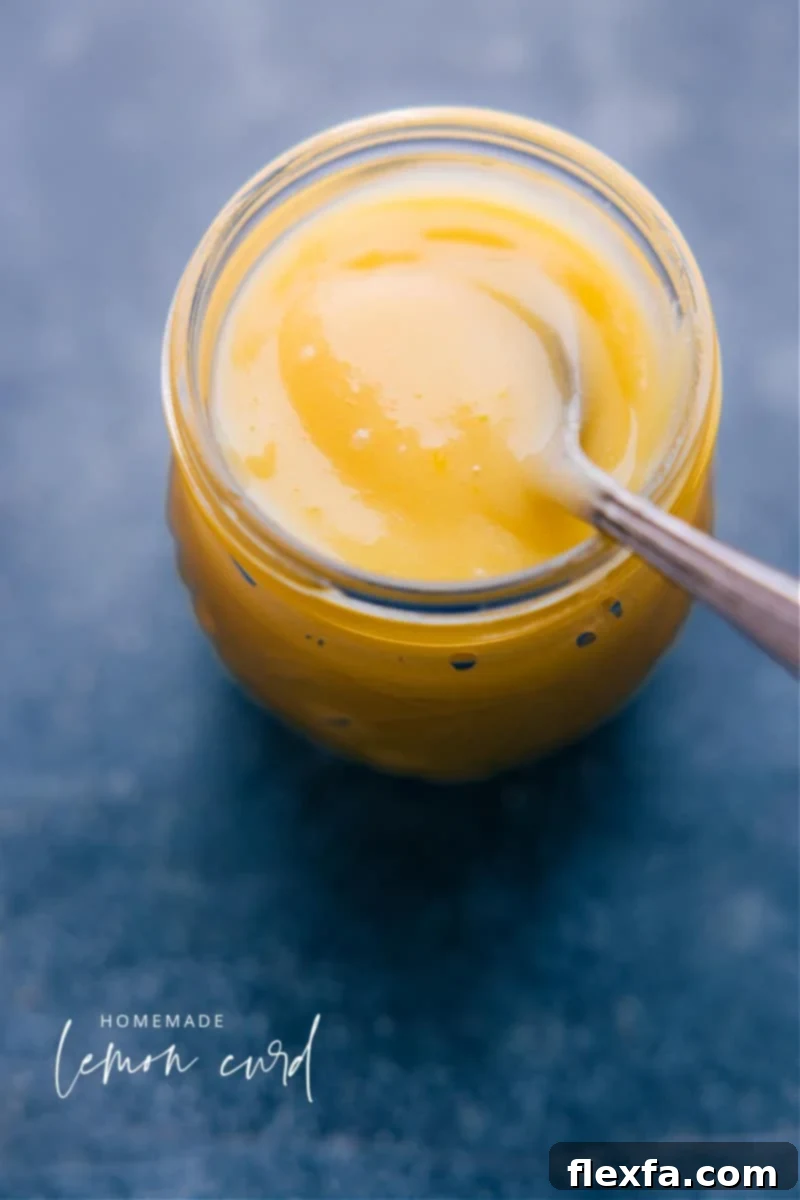
The Best Homemade Lemon Curd Recipe You’ll Ever Make
Among the countless recipes I’ve shared, this particular Lemon Curd stands out as a true favorite, one I consistently whip up in my own kitchen. It possesses a magical ability to elevate everyday breakfasts, simple biscuits, elegant cakes, and a wide array of desserts into something truly restaurant-worthy. I often keep a fresh batch readily available in my fridge, perfect for spooning generously over golden pancakes, crispy waffles, or delightful treats whenever a craving strikes. This homemade lemon curd is also an absolute essential for our holiday brunches or celebratory baby/wedding shower crepe bars, always drawing rave reviews and requests for the recipe from everyone who tries it.
What makes this recipe truly the best is its perfect balance of tart and sweet, coupled with an incredibly smooth, velvety texture that coats the palate beautifully. Unlike some curds that can be overly sweet or too sharp, this recipe achieves a harmonious flavor profile that shines through in any application. It’s surprisingly easy to make, using fundamental ingredients, yet delivers a gourmet result that rivals patisserie creations.
Delicious Ways to Enjoy Your Homemade Lemon Curd
The beauty of homemade lemon curd lies in its incredible versatility. Once you’ve mastered this recipe, you’ll find countless opportunities to incorporate its bright, zesty flavor into both sweet and savory dishes. Here are some of our favorite ways to enjoy this golden goodness:
- As a Breakfast & Brunch Enhancement: Transform your morning routine into a gourmet experience. Spoon generous dollops onto homemade crepes, classic French toast, fluffy pancakes, or crispy waffles. The tangy curd cuts through the richness, creating a perfectly balanced bite.
- Served Over Baked Goods: It’s the ultimate accompaniment for traditional afternoon tea or a cozy weekend treat. Spread it generously over our incredible biscuit recipe or tender homemade scones. The warm, buttery crumb provides an ideal canvas for the vibrant citrus.
- Drizzled Over Vanilla Cheesecake: Elevate any cheesecake, whether store-bought or homemade. Buy or make delectable cheesecake bars and spoon a luscious layer of lemon curd on top. The tartness provides a brilliant counterpoint to the creamy, sweet cheesecake.
- Incorporated into Cookies & Tarts: Add a delightful burst of citrus to your favorite cookies. I absolutely adore this curd in these lemon curd cookies! Alternatively, craft charming sugar cookie cups (following directions in this fruit tart recipe) and fill them with the bright, tangy curd for an impressive mini dessert.
- Create Lemon Whipped Cream: For an irresistible lemony twist, gently fold a few spoonfuls of your fresh Lemon Curd into freshly whipped cream. This light, airy, and zesty cream is perfect for topping fruit, cakes, or enjoying on its own.
- Add to Cake Fillings: Take your cakes to the next level. The restaurant I once worked at was renowned for its lemon carrot cake! Try incorporating Lemon Curd into this delightful carrot cake—simply spread a layer in the center, between layers of creamy cream cheese frosting, for an unexpected and delicious flavor dimension.
- Beyond the Basics: Lemon curd can also be used as a filling for tarts, pies, trifles, or even miniature dessert cups. Swirl it into yogurt or oatmeal for a bright start to your day, or use it as a glaze for pastries.
Essential Ingredients for Perfect Lemon Curd
Simplicity meets extraordinary flavor in this lemon curd recipe, requiring only five fundamental ingredients. The quality of each component plays a crucial role in achieving that signature bright, tangy, and wonderfully smooth result.
- Unsalted Butter: Using unsalted butter is vital as it gives you complete control over the salt content in your recipe. Furthermore, ensuring the butter is at true room temperature allows it to cream properly with the sugar, creating a light and airy base for your curd. This creaming action contributes significantly to the final curd’s silky texture.
- Fresh Lemons: This is non-negotiable! The vibrant, complex flavor of homemade lemon curd comes predominantly from fresh lemons. Bottled lemon juice simply lacks the bright acidity and aromatic oils present in freshly squeezed juice and zest. You’ll use both the juice for its tartness and the fragrant zest for its essential oils, which infuse the curd with unparalleled lemon flavor.
- Whole Eggs: Unlike some recipes that rely solely on egg yolks, this recipe utilizes whole eggs. This not only contributes to the curd’s rich color and flavor but also plays a key role in its thickening, giving the final product a stable and luxurious consistency without being overly heavy. Just like butter, room temperature eggs are crucial for smooth incorporation and preventing a “curdled” appearance in the initial mixture.
- Salt: A tiny pinch of salt might seem insignificant, but it makes a world of difference. It acts as a flavor enhancer, balancing the sweetness and brightness of the lemon, preventing the curd from tasting one-dimensional, and ensuring all flavors pop.
- Granulated Sugar: Standard white granulated sugar is the best choice for this recipe. It provides the necessary sweetness to balance the tart lemon, and its fine texture helps achieve a smooth mixture when pulsed with the lemon zest.
Quick Tip for Texture Perfection
To ensure your lemon curd reaches the perfect consistency, pay close attention during the cooking phase. When hot, the curd should be thick enough to generously coat the back of a spoon. A reliable test is to draw a line across the back of the spoon with your finger; if the line remains distinct and doesn’t run, your curd is nearly ready. Before removing it from the heat, it should have the consistency of a pourable pudding. As it chills in the refrigerator, it will continue to thicken, ultimately reaching the delightful texture of a snack pudding cup—smooth, creamy, and spreadable.
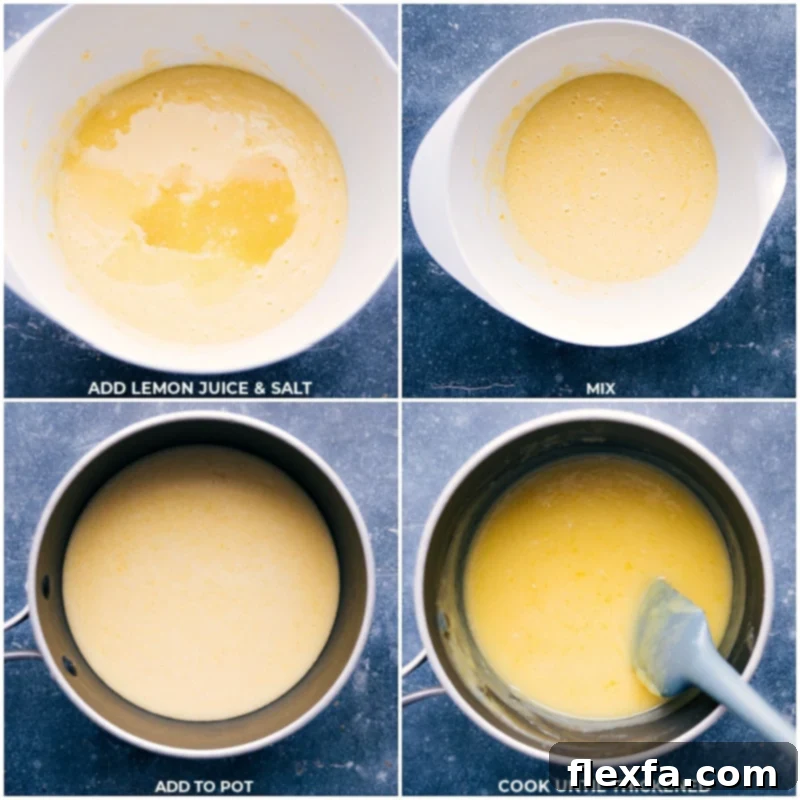
Step-by-Step Guide: Crafting Your Homemade Lemon Curd
Making homemade lemon curd is a rewarding process that yields incredible results. Follow these detailed steps to achieve a perfectly smooth, tangy, and irresistible spread:
- Prepare the Lemon Zest and Juice: Begin by zesting your fresh lemons to obtain the specified amount of vibrant yellow zest, carefully avoiding the bitter white pith. Then, juice the lemons to gather the required quantity of fresh lemon juice. Having these prepared ensures a smooth cooking process.
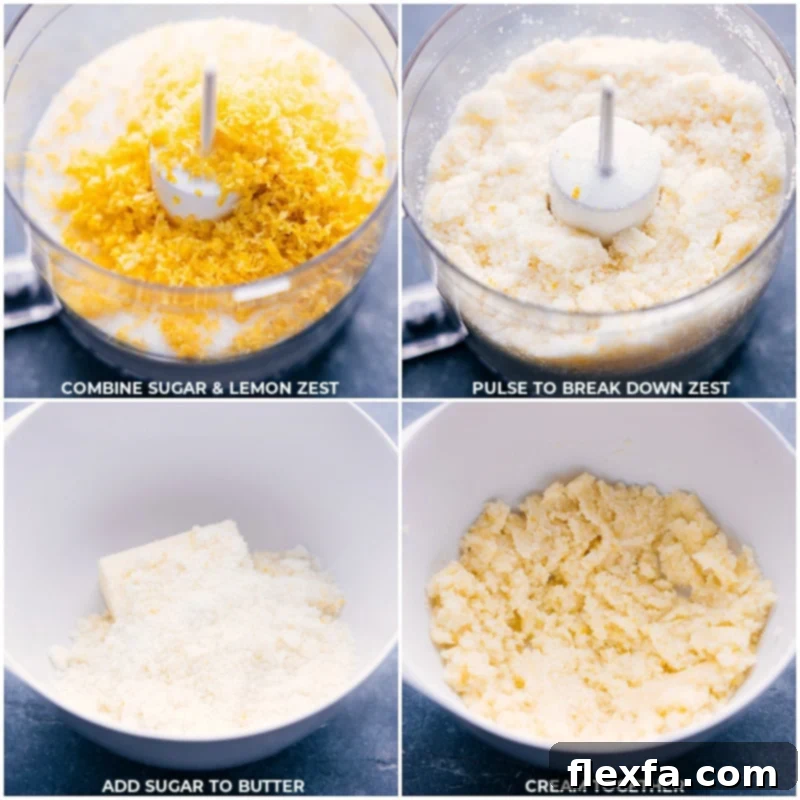
- Infuse Sugar with Lemon Zest: In the bowl of a food processor, combine the granulated sugar and lemon zest. Pulse this mixture 15-20 times, or until the zest is finely broken down and thoroughly incorporated into the sugar. This crucial step releases the essential oils from the zest, infusing the sugar with intense lemon aroma and flavor, which will permeate your entire curd. Transfer this fragrant mixture to a large bowl, or the bowl of a stand mixer.
- Cream Butter with Lemon Sugar: Add the room temperature (not melted, but soft) unsalted butter to the lemon-infused sugar. Using a hand mixer (or the whisk attachment of a stand mixer), beat the mixture until it becomes light, fluffy, and creamy. This process typically takes about 2-4 minutes. Remember to scrape down the sides of the bowl periodically to ensure even mixing and prevent any unmixed butter or sugar from sticking.
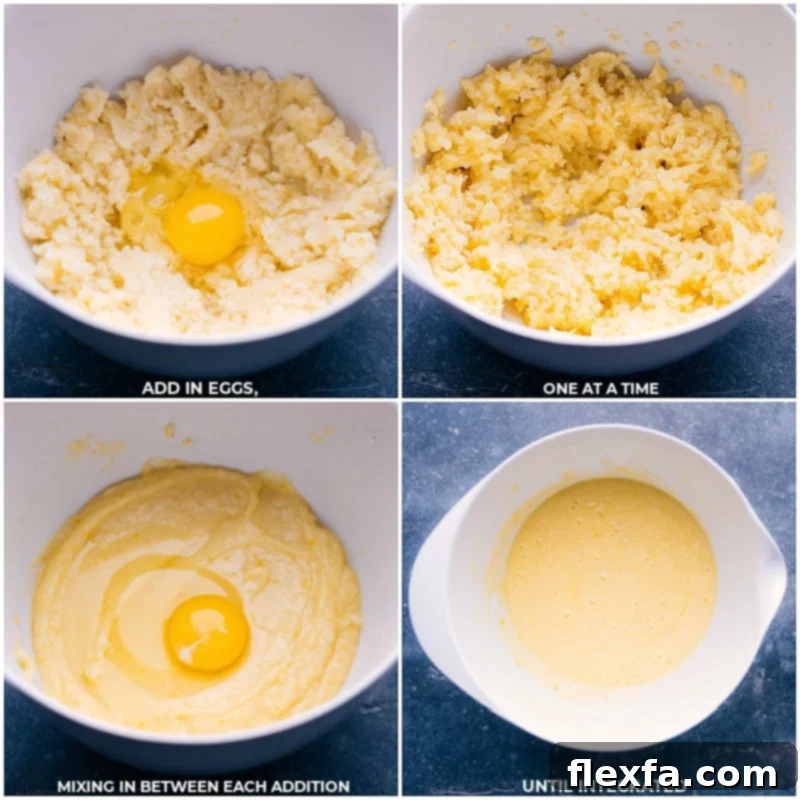
- Incorporate Eggs and Lemon Juice: Next, add the room temperature eggs, one at a time, beating briefly after each addition until just incorporated. Overmixing at this stage is unnecessary. Finally, stir in the salt and the freshly squeezed lemon juice, mixing just enough to combine all ingredients into a homogeneous liquid.
- Cook to Perfection: Pour the entire mixture into a medium saucepan. Place the saucepan over low heat and stir constantly with a rubber spatula. This continuous stirring is essential to prevent the eggs from scrambling and ensures the curd cooks evenly and thickens smoothly. Continue cooking for approximately 10-15 minutes, or until the curd reaches a temperature of 170°F (77°C) on a candy thermometer. Reaching this specific temperature is key for the curd to properly set. Once thickened to a pourable pudding consistency, remove from heat.
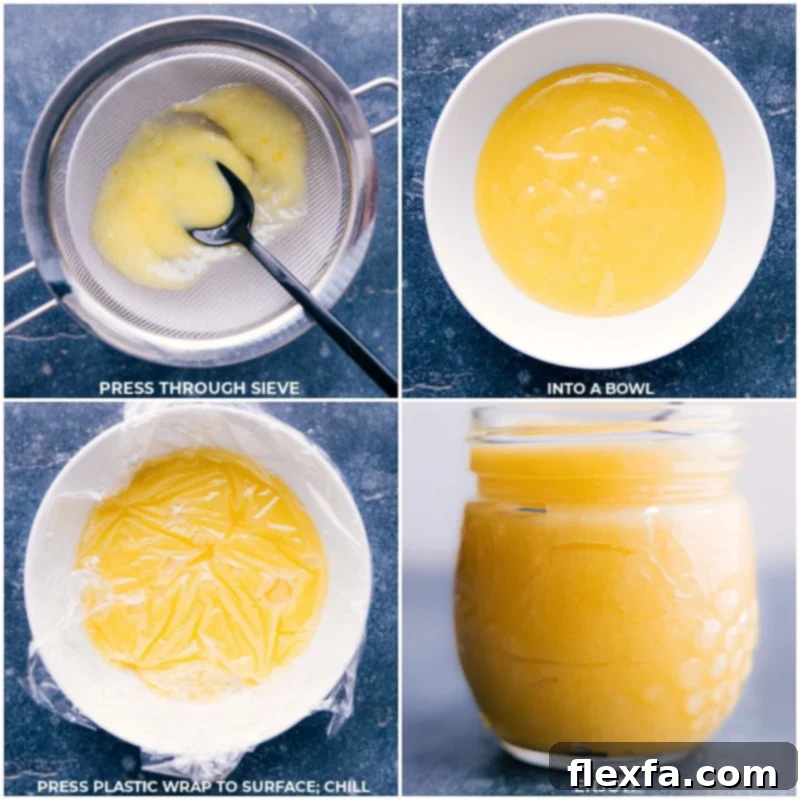
- Strain for Silky Smoothness: For an exceptionally silky-smooth texture, immediately pour the hot curd through a fine mesh sieve into an airtight container or bowl. Use your spatula to gently press the curd through the sieve, ensuring any tiny bits of cooked egg or zest are removed, leaving behind only the luxurious, smooth curd.
- Chill for Optimal Texture: Cover the container with plastic wrap, pressing the plastic directly onto the surface of the lemon curd. This prevents a “skin” from forming as it cools. Place the curd in the refrigerator for at least an hour, but preferably 8 hours, before serving. Chilling allows the curd to fully set and achieve its thick, luscious consistency.
Storage Solutions for Your Homemade Lemon Curd
Ensuring your delicious lemon curd stays fresh and vibrant is simple with proper storage:
- Refrigerate: Once cooled, transfer your lemon curd to an airtight container or a clean glass jar. Store it in the refrigerator for up to 2 weeks. Always ensure the lid is tightly sealed to maintain freshness and prevent absorption of other fridge odors.
- Freeze: For longer enjoyment, lemon curd freezes beautifully. Transfer the cooled curd to a freezer-safe container, leaving a little headspace, or a heavy-duty zip-top bag (removing as much air as possible). It can be stored in the freezer for up to 3 months without significant loss of quality.
- Thaw: To use frozen curd, simply let it thaw gradually in the refrigerator overnight. Once thawed, give it a good stir to restore its smooth consistency before serving.
Expert Tip: The Magic of a Candy Thermometer
Eliminate all guesswork from your lemon curd making with the simple addition of a candy thermometer! Achieving the correct temperature (170°F or 77°C) is absolutely critical for the curd to set properly and develop its rich, thick consistency. Without it, you might end up with a curd that’s too runny or, conversely, overcooked and grainy. This small kitchen gadget makes the process foolproof. Here is the candy thermometer I personally use and highly recommend adding to your kitchen arsenal. Once you have one, you’ll also love experimenting with other delightful confections like buttercrunch candy, toffee, and honeycomb candy!
Explore More Zesty Lemon Treats:
Desserts
The BEST Lemon Bars Recipe
Desserts
Classic Lemon Pie Recipe
Beverages
Refreshing Peach Lemonade
Breakfast
Lemon Blueberry Sweet Rolls

Print Recipe
Homemade Lemon Curd
Chelsea Lords
20 minutes
15 minutes
8 hours
8 hours 35 minutes
16 servings
Video
Equipment
-
Candy Thermometer (See Note 1 for details)
-
Food Processor
-
Hand Mixer (or stand mixer)
Ingredients
- 1-1/2 cups granulated sugar
- 4 large lemons
- 8 tablespoons unsalted butter (1/2 cup, at room temperature)
- 4 large eggs (at room temperature, see Note 2)
- 1/8 teaspoon salt
Instructions
-
Bring eggs and butter to room temperature. Using a zester, obtain 3 tablespoons of zest from the outer yellow part of the lemons (avoid the bitter white pith). Then, use a citrus juicer to get 1/2 cup of fresh lemon juice.
-
Combine the granulated sugar and lemon zest in a food processor. Pulse 15–20 times until the zest is finely broken down and thoroughly incorporated into the sugar. Pour this mixture into a large mixing bowl or the bowl of a stand mixer.
-
Add the room temperature (soft, but not melted) butter to the sugar-zest mixture. Using a hand mixer (or the whisk attachment of a stand mixer), beat until the mixture is light and creamy, which should take approximately 2–4 minutes. Scrape down the sides of the bowl as needed to ensure even blending.
-
Beat in the eggs, one at a time, mixing briefly after each addition until just incorporated. Finally, add the salt and the 1/2 cup of freshly squeezed lemon juice. Mix briefly again, just until all ingredients are combined.
-
Pour the prepared mixture into a medium saucepan. Place the saucepan over low heat and stir constantly with a rubber spatula for about 10–15 minutes, or until the curd thickens noticeably. The curd should reach a temperature of 170°F (77°C) on a candy thermometer. (It is crucial to reach this temperature for proper setting—refer to Note 3 for guidance.) Once thickened, pour the hot curd through a fine mesh sieve. Use a spatula to press the curd through the sieve into an airtight container or bowl to achieve a perfectly smooth consistency.
-
Cover the container with plastic wrap, ensuring the plastic wrap directly touches the surface of the lemon curd. This prevents a “skin” from forming during chilling. Store the curd in the refrigerator for at least one hour, and preferably 8 hours, before serving, allowing it to fully set and chill.
Recipe Notes
Note 2: It is absolutely critical that the butter, lemon juice, and eggs are all at the same room temperature before you begin. If cold eggs are added to room temperature butter, the mixture can curdle or turn grainy, preventing proper emulsification and leading to an undesirable texture. Room temperature ingredients ensure a smooth, cohesive, and creamy curd.
Note 3: During cooking, once the curd is hot, it should be thick enough to coat the back of a spoon. To test, lift the spoon and immediately trace a line across its back with your fingertip. The line should hold a clear track without the curd running back into it. While the curd will thicken further as it cools, it should already be quite thick (like a pourable pudding) before you remove it from the heat. After chilling, it will achieve the rich consistency of a snack pudding cup.
Nutrition Note: Nutrition information is an approximation calculated for a 2-tablespoon sized serving.
Storage: Store leftover lemon curd in an airtight container in the fridge for up to 2 weeks, or freeze for up to 3 months.
Nutrition
Serving: 1serving
|
Calories: 151kcal
|
Carbohydrates: 21g
|
Protein: 2g
|
Fat: 7g
|
Saturated Fat: 4g
|
Polyunsaturated Fat: 0.5g
|
Monounsaturated Fat: 2g
|
Trans Fat: 0.2g
|
Cholesterol: 62mg
|
Sodium: 37mg
|
Potassium: 57mg
|
Fiber: 1g
|
Sugar: 19g
|
Vitamin A: 258IU
|
Vitamin C: 14mg
|
Calcium: 16mg
|
Iron: 0.4mg
Nutrition information is automatically calculated, so should only be used as an approximation.
Love this recipe? Share your thoughts below!