
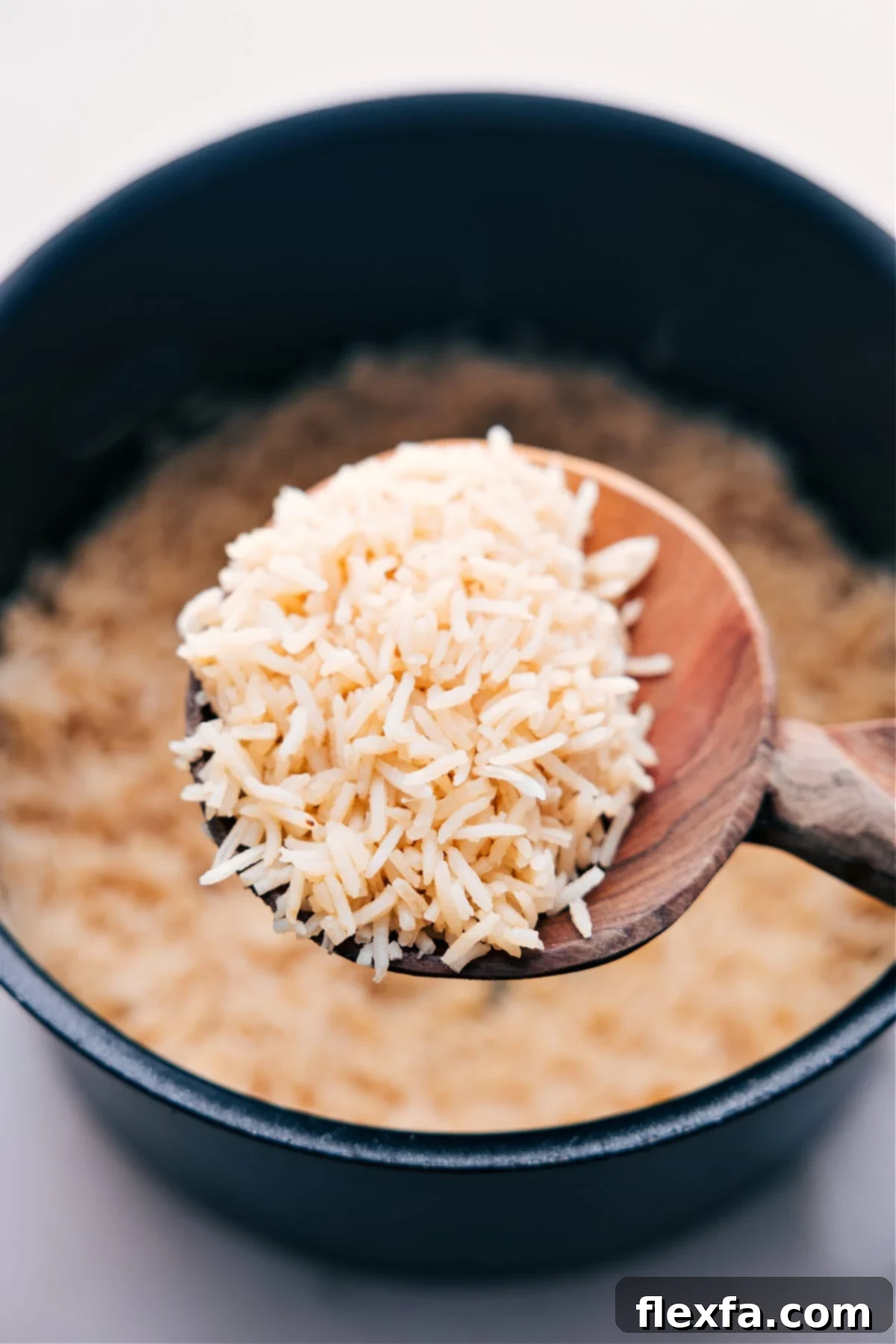
Bone Broth Rice is a culinary game-changer, transforming ordinary rice into a protein-packed, deeply flavorful, and incredibly nutritious side dish. It’s an effortless way to elevate your meals, whether served alongside your favorite protein or prepared in advance for a week of healthy eating.
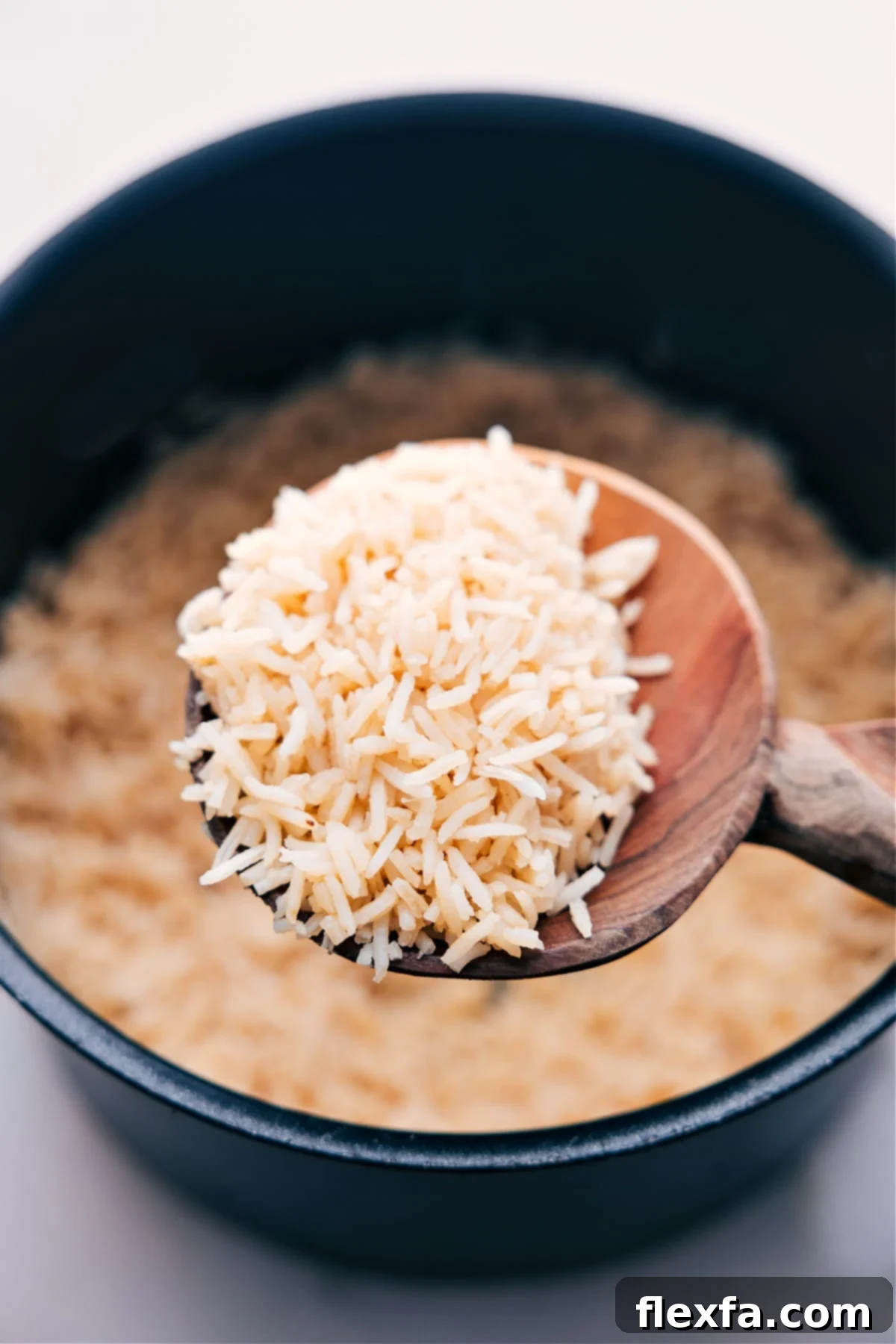
Bone Broth Rice: More Than Just a Side
In the world of health-conscious cooking, bone broth has emerged as a powerhouse ingredient, celebrated for its numerous benefits. When infused into rice, it creates a dish that is not only delicious but also profoundly nourishing. Here’s why Bone Broth Rice should be a staple in your kitchen:
- Super-Healthy & Nutrient-Dense: Bone broth is renowned for being high in protein, collagen, and essential amino acids. By cooking rice in it, you’re infusing every grain with these vital nutrients, turning a simple carb into a powerhouse for gut health, joint support, and glowing skin. It’s a subtle yet significant upgrade to your nutritional intake.
- Richly Flavorful & Aromatic: Say goodbye to bland rice! The savory depth of bone broth adds an umami-rich complexity that plain water simply cannot replicate. The slow simmering of bones extracts natural flavors, minerals, and gelatin, which impart a wonderfully aromatic quality and a subtle richness to the rice, making it a standout dish on its own.
- Simple & Straightforward: Despite its gourmet taste and health benefits, making bone broth rice is incredibly easy. It requires just a few basic ingredients and a simple cooking method that even novice cooks can master. It follows the same basic principles as cooking regular rice, with one key ingredient swap that makes all the difference.
- Versatile & Adaptable: Bone broth rice pairs beautifully with an astonishing variety of dishes. From grilled chicken and roasted vegetables to hearty stews and delicate fish, its robust flavor complements almost anything. It can also serve as a foundational ingredient for pilafs, stir-fries, or even a base for nourishing bowls.
- Meal-Prep Friendly & Convenient: This recipe is ideal for batch cooking. Prepare a larger quantity at the beginning of the week, and you’ll have a nutritious and flavorful component ready for quick lunches or dinners. It reheats wonderfully, maintaining its texture and taste, which makes healthy eating on busy days incredibly convenient.
Essential Ingredients for Bone Broth Rice
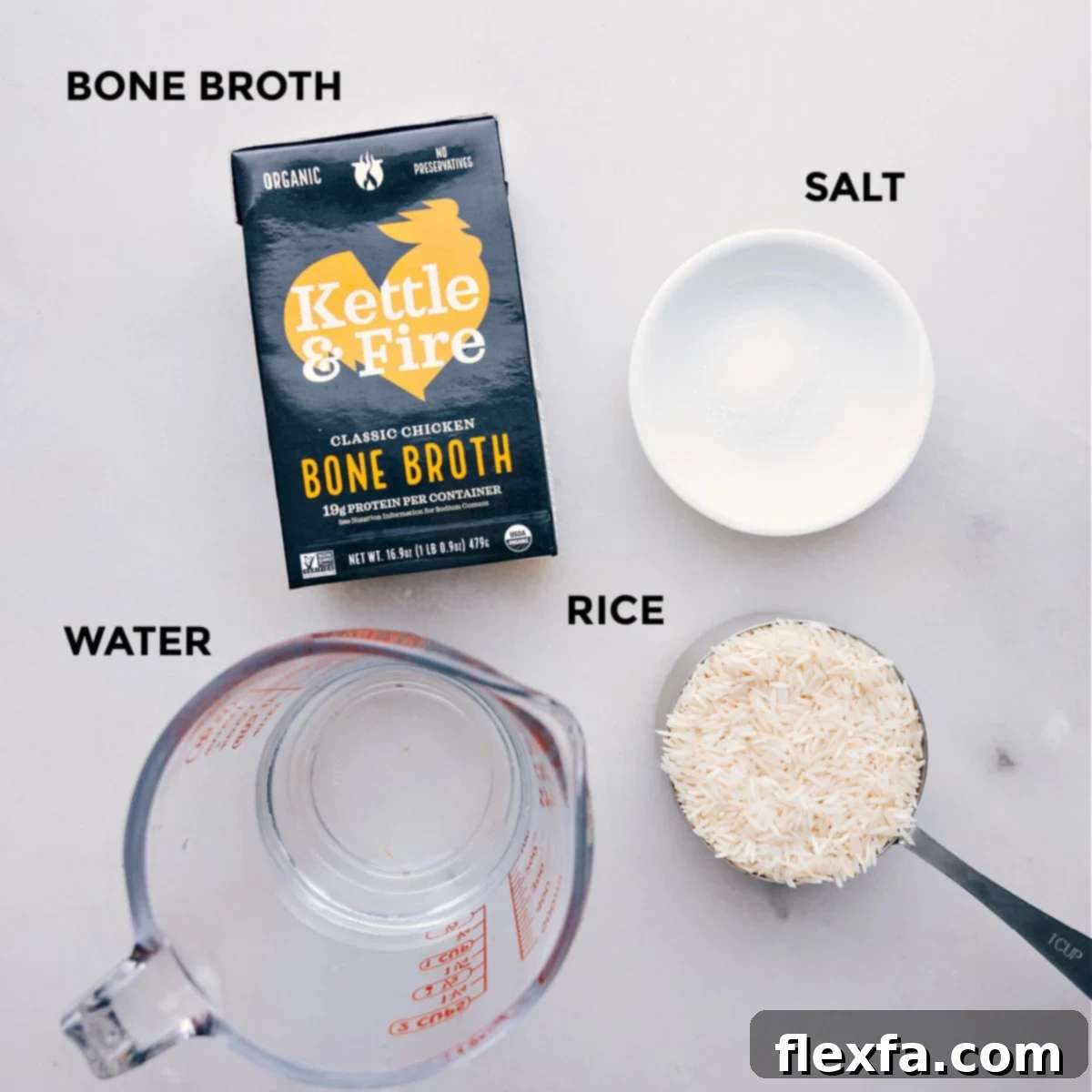
Creating this delicious and healthy rice dish requires only a handful of readily available ingredients. The key is to choose quality components to maximize both flavor and nutritional impact.
- Bone Broth: This is the star of our dish. Opt for a high-quality, organic bone broth if possible, as it will significantly enhance both the flavor and nutritional profile of your rice. Look for broths made from grass-fed beef or pasture-raised chicken bones, which tend to be richer in collagen and other beneficial compounds. Alternatively, making your own bone broth allows you to control the ingredients and flavor intensity, and it’s a rewarding process in itself. A good bone broth will often gel when chilled, indicating a high gelatin content.
- Water: While bone broth provides the primary liquid, a small amount of water is often used to achieve the perfect rice consistency, especially with certain types of broth that might be too concentrated. Using filtered water is always recommended for purity, ensuring no unwanted flavors interfere with your dish.
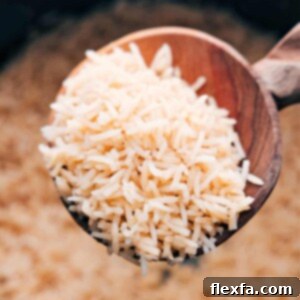
- Rice: I particularly enjoy using basmati rice for this recipe due to its long, slender grains, fragrant aroma, and fluffy texture when cooked. It separates beautifully, preventing a sticky or gummy result. However, other rice varieties like jasmine rice or even short-grain white rice can be used; just be aware that cooking times and liquid ratios might need slight adjustments. For brown rice, you’ll definitely need more liquid and a longer cooking time.
- Salt: A crucial ingredient for enhancing and balancing all the flavors. Even if your bone broth is seasoned, a pinch of salt helps to bring out the natural sweetness of the rice and the savory notes of the broth. Always taste your broth first and adjust the salt content accordingly to prevent over-salting.
Quick Tip: Bone Broth vs. Stock
Many people often confuse bone broth with regular stock, but there are subtle yet significant differences. Both are made by simmering meaty bones and vegetables in water, but bone broth is typically cooked for a much longer duration—often 12-24 hours or even more. This extended simmering time is crucial for extracting more collagen, gelatin, and marrow from the bones, resulting in a thicker, more nutrient-dense liquid. Additionally, bones for bone broth are often roasted first, which contributes to a deeper, richer, and more complex flavor profile compared to standard stock, which usually has a shorter cooking time and lighter flavor.
How To Make Perfectly Fluffy Bone Broth Rice
Making delicious bone broth rice is a straightforward process, but a few key steps ensure perfectly cooked, fluffy grains every time. Follow these instructions for a foolproof result:
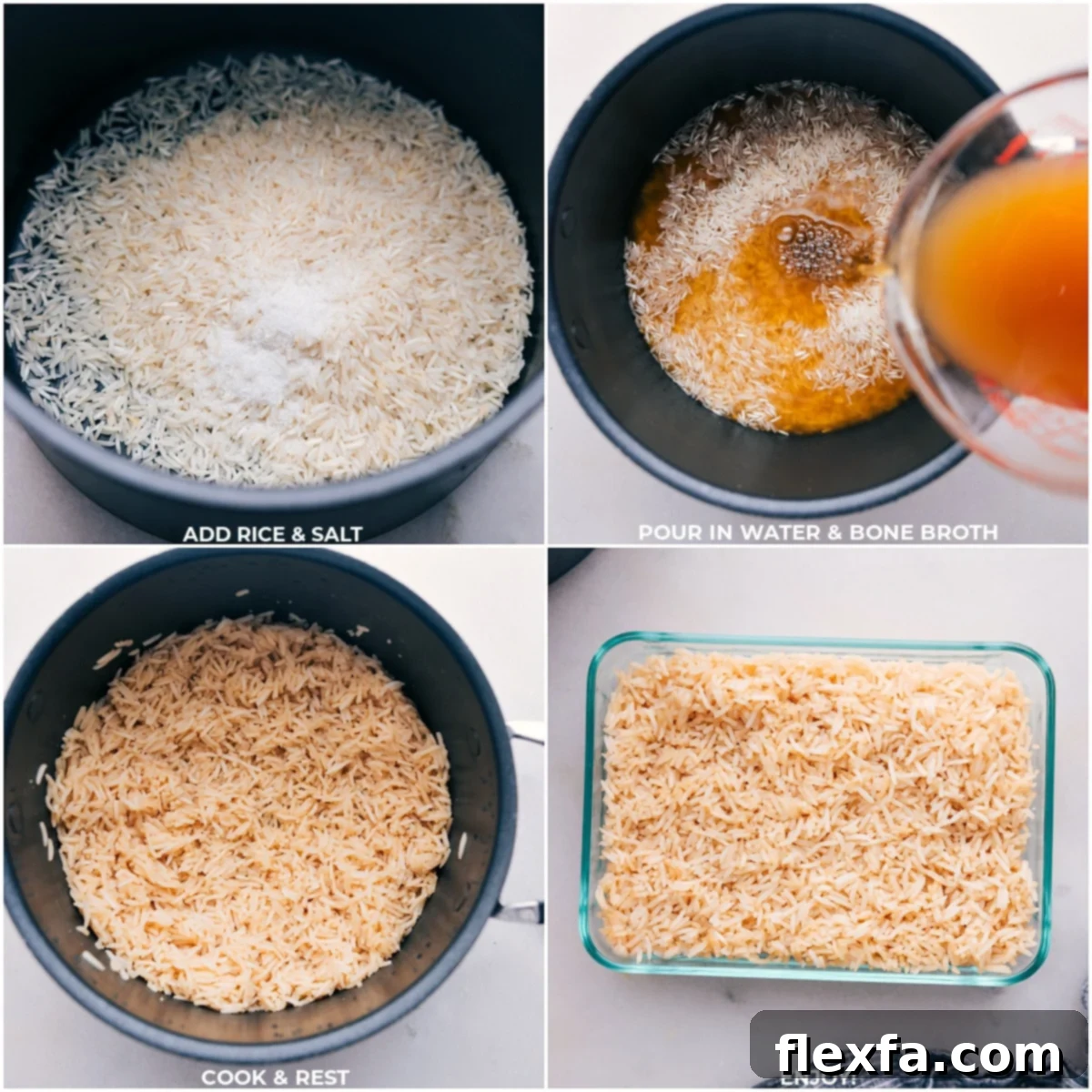
- Combine Ingredients: In a medium saucepan, add your chosen rice, the high-quality bone broth, and the specified amount of water. Add a pinch of salt to enhance the flavors. Place the saucepan over medium-high heat, ensuring it remains uncovered at this stage.
- Bring to a Simmer: Allow the mixture to come to a gentle simmer. You’ll notice small bubbles forming around the edges of the pan, and the surface of the liquid will become slightly frothy with some movement in the center. This indicates the liquid is hot enough and the cooking process is truly beginning.
- Cover and Reduce Heat: Once simmering actively, immediately cover the saucepan tightly with a lid. It’s essential to create a sealed environment to trap the steam. Reduce the heat to medium-low. This low and slow cooking allows the rice to absorb the liquid evenly without burning. Cook for the recommended time, typically 13-15 minutes, without lifting the lid.
- Check for Absorption: After the cooking time has elapsed, gently tilt the pan slightly. Look for any visible liquid at the bottom. If all the liquid has been absorbed, the rice is likely done. If there’s still standing water, quickly replace the lid and let it cook for another minute or two.
- Rest Off Heat: This step is critical for perfectly fluffy rice. Once the liquid is absorbed, remove the saucepan from the heat but keep the lid tightly on. Let the rice rest undisturbed for 5-10 minutes. This resting period allows the steam to redistribute and finish cooking the grains, resulting in a more even texture and preventing stickiness.
- Fluff and Serve: Finally, remove the lid and use a fork to gently fluff the rice. This separates the grains and releases any remaining steam, creating that desirable light and airy texture. Your flavorful Bone Broth Rice is now ready to be served and enjoyed!
Expert Tips for Cooking Perfect Bone Broth Rice
Achieving perfectly cooked, fluffy rice consistently can seem challenging, but with a few expert tips, you’ll master it in no time:
- The Art of Simmering: Don’t rush this initial step. Wait until the liquid around the edges of the pot is actively bubbling and you see gentle movement and frothiness in the center. This indicates that the entire mixture has reached the correct temperature, ensuring even cooking once covered. A rapid, rolling boil is too aggressive; a gentle simmer is what you’re aiming for.
- Avoid the Urge to Peek: Resist the temptation to lift the lid during the cooking process! Each time the lid is removed, precious steam escapes, which is vital for cooking the rice evenly and producing a fluffy texture. Lifting the lid reduces the internal temperature and can lead to unevenly cooked or dry rice. Trust the process and your timer.
- The Power of Resting Time: This is arguably one of the most overlooked yet crucial steps for perfect rice. Allowing the rice to rest off the heat, still covered, for 5-10 minutes gives the grains time to fully absorb any remaining moisture and for the starch to set. This results in a much fluffier texture, preventing stickiness and ensuring each grain is distinct and perfectly cooked through.
- Choose the Right Pot: A heavy-bottomed pot with a tight-fitting lid is ideal. A heavy bottom distributes heat more evenly, preventing scorching, while a snug lid keeps all the steam inside where it belongs.
- Do Not Stir: Unlike risotto, you should never stir the rice once it’s simmering and covered. Stirring agitates the grains, releases starch, and can lead to a gummy, sticky texture. Let the rice cook undisturbed.
Leftovers & Meal Prepping: Storage and Reheating
Bone Broth Rice is excellent for meal preparation, making healthy eating convenient throughout the week.
- Storage: Once cooled, transfer any leftover Bone Broth Rice to an airtight container. It will keep fresh in the refrigerator for up to five days. For longer storage, you can also freeze cooked rice for up to one month. Spread it in a thin layer on a baking sheet to cool completely, then transfer to freezer-safe bags or containers.
- Reheat: To reheat, sprinkle a tablespoon or two of water or extra bone broth over the rice (this helps reintroduce moisture and prevent dryness). Cover the container or pan tightly. You can warm it in the microwave on high for 1-2 minutes, stirring halfway through, or on the stovetop over low heat, stirring occasionally, until thoroughly heated.
What To Serve With Bone Broth Rice: Perfect Pairings
The rich, savory flavor of Bone Broth Rice makes it an incredibly versatile side dish that complements a wide array of main courses. Its comforting and nutritious profile can elevate any meal. Here are some fantastic serving suggestions:
Dinner
Grilled Chicken Marinade: Juicy, tender grilled chicken, marinated to perfection, makes an excellent protein companion to the savory rice.
Side Dishes
Roasted Vegetables: A vibrant mix of seasonal roasted vegetables adds essential vitamins, fiber, and a lovely textural contrast to the soft rice.
Green Salads
Fresh Garden Salad: A light and refreshing garden salad provides a crisp, cool counterpoint to the warm, hearty rice, balancing the meal beautifully.
Dinner
Blackened Shrimp Recipe: The bold, spicy flavors of blackened shrimp are wonderfully mellowed and complemented by the rich, savory Bone Broth Rice.
Why Bone Broth is a Superfood: Beyond Flavor
The choice to use bone broth in rice isn’t just about taste; it’s a deliberate step towards enhanced nutrition. Bone broth has been revered for centuries in various cultures as a healing elixir, and modern science is catching up to its traditional wisdom. It’s packed with an impressive array of compounds that support overall health:
- Collagen and Gelatin: When bones are simmered, their collagen breaks down into gelatin. This gelatin is rich in amino acids like glycine, proline, and hydroxyproline, which are crucial for the health of your skin, hair, nails, and connective tissues. Consuming gelatin can help improve skin elasticity and support healthy joint function.
- Amino Acids: Beyond collagen, bone broth provides a spectrum of amino acids, particularly glutamine, which is known to support gut lining integrity. A healthy gut is foundational to overall wellness, impacting everything from immunity to mood.
- Minerals: Bone broth is a natural source of important minerals such as calcium, magnesium, phosphorus, and potassium, which are essential for bone health, nerve function, and electrolyte balance. These minerals are readily absorbed by the body in this liquid form.
- Anti-inflammatory Properties: The amino acids found in bone broth, especially glycine, have anti-inflammatory effects that can help reduce inflammation throughout the body. This can be beneficial for conditions like arthritis and digestive issues.
- Immune Support: A healthy gut is closely linked to a strong immune system. The beneficial compounds in bone broth help to repair and maintain the gut lining, which can enhance the body’s natural defenses against illness.
By incorporating bone broth into your rice, you’re not just cooking; you’re nourishing your body with every delicious bite.
Common Mistakes to Avoid When Cooking Rice
Even though cooking rice seems simple, there are common pitfalls that can lead to less-than-perfect results. Being aware of these can help you achieve ideal fluffy rice every time, especially when using a flavorful liquid like bone broth:
- Over-stirring: Once the rice is simmering and covered, resist the urge to stir it. Stirring releases starch, which can make the rice gummy and sticky. It also disrupts the steam pockets that are crucial for even cooking.
- Lifting the Lid Too Soon: As mentioned, steam is your best friend when cooking rice. Every time you lift the lid, steam escapes, cooling the pot and extending the cooking time. This can result in rice that is unevenly cooked – crunchy in some spots, soft in others.
- Incorrect Liquid Ratio: The ratio of liquid to rice is fundamental. Too much liquid will lead to mushy rice, while too little will result in dry, undercooked grains. Always stick to the recommended ratio for your specific type of rice and adjust slightly if your bone broth is exceptionally thick or thin.
- Using the Wrong Heat: Starting with medium-high heat to bring to a simmer is good, but then quickly reducing it to low is key. High heat throughout the cooking process can cause the liquid to evaporate too quickly, leading to burnt bottoms and undercooked tops.
- Not Resting the Rice: Skipping the resting period after cooking is a common mistake. The rest allows the residual steam to finish cooking the rice gently and evenly, making it fluffier and preventing it from becoming sticky.
Variations and Customizations: Elevate Your Bone Broth Rice
While Bone Broth Rice is delicious in its classic form, it’s also a fantastic canvas for culinary creativity. Here are some ideas to customize and enhance your dish:
- Aromatics: Before adding the rice and broth, sauté finely minced garlic or shallots in a little olive oil or butter until fragrant. This adds another layer of deep flavor.
- Herbs and Spices: Stir in fresh chopped herbs like parsley, cilantro, or chives after fluffing the rice. For a Mediterranean twist, add a pinch of dried oregano or thyme during cooking. A dash of turmeric can add color and additional health benefits.
- Citrus Zest: A little lemon or orange zest, added at the very end, can brighten the flavor profile and add a refreshing note, especially if serving with fish or lighter proteins.
- Vegetable Boost: For added nutrients and texture, consider adding finely diced carrots, peas, or corn during the last few minutes of cooking, or stir in steamed vegetables after the rice has rested.
- Fat for Flavor and Texture: A pat of butter or a drizzle of good quality olive oil stirred in after fluffing can add richness and a lovely sheen to the rice.
- Spicy Kick: If you enjoy a bit of heat, a pinch of red pepper flakes or a finely diced jalapeño can be added with the other ingredients.
- Mushroom Magic: Sautéed mushrooms can be folded into the cooked rice, or you can even rehydrate dried mushrooms in some of the bone broth before cooking for an even deeper umami flavor.
Experiment with these variations to discover your favorite way to enjoy this versatile and healthy dish!
Frequently Asked Questions About Bone Broth Rice
Here are answers to some common questions about making and enjoying Bone Broth Rice:
- Can I use brown rice instead of basmati?
Yes, you absolutely can! Brown rice will work beautifully with bone broth, but keep in mind it requires more liquid and a longer cooking time than white rice. Typically, you’ll need about 1.75 to 2 cups of liquid per 1 cup of brown rice, and the cooking time will be closer to 40-45 minutes. Always check your brown rice package instructions for precise ratios and times. - Do I need to rinse the rice before cooking?
For basmati rice, rinsing is often recommended to remove excess starch, which can lead to a fluffier, less sticky result. However, some prefer not to rinse to preserve some of the natural starch and flavor. For this recipe, I do not rinse the basmati rice, as the goal is usually to retain some of the starchy goodness that combines well with the rich broth. If you prefer a very separate grain, a quick rinse is fine. - What kind of bone broth is best to use?
The best bone broth is one made with high-quality ingredients, ideally grass-fed beef or pasture-raised chicken bones. Look for brands with minimal additives and low sodium content, so you can control the seasoning yourself. If you have homemade bone broth, that’s even better as it often has the richest flavor and highest nutrient density. - Can I freeze cooked Bone Broth Rice?
Yes, cooked bone broth rice freezes well. Once it has cooled completely, transfer it to freezer-safe bags or airtight containers. When freezing, try to spread it in a thin, even layer to help it freeze and thaw more quickly. It can be stored in the freezer for up to one month. To reheat, thaw in the refrigerator overnight and then follow the reheating instructions (add a splash of water or broth). - Is Bone Broth Rice good for gut health?
Absolutely! Bone broth is celebrated for its gut-healing properties due to its high content of collagen, gelatin, and amino acids like glutamine. These compounds help to support and repair the lining of the digestive tract, potentially reducing inflammation and promoting a healthier gut microbiome. Pairing it with rice makes for a comforting and easily digestible meal. - How can I make this recipe vegetarian or vegan?
While the core benefit of “bone” broth is from animal bones, you can create a similar savory and nutritious rice dish by substituting vegetable broth for bone broth. For extra richness and umami, consider using mushroom broth or adding dried mushrooms to your vegetable broth. You won’t get the collagen benefits, but you’ll still have a deeply flavorful rice.
Bone Broth Rice
Equipment
-
Medium pot with lid, see note 1
Ingredients
- 1 cup bone broth
- 1/2 cup water
- 1 cup basmati rice do not rinse
- 1/2 teaspoon salt
Instructions
-
In a medium pot, add all ingredients. Place over medium-high heat without a lid.
-
Wait until mixture starts bubbling at the edges with movement in the center and the surface turns frothy. Once this happens, cover pot with a lid and reduce heat to low. Simmer 13–15 minutes without taking off the lid, touching, or stirring.
-
After cooking, tilt the pot slightly to ensure all water has been absorbed. Replace lid immediately.
-
Remove from heat and let it sit with the lid on for 10 minutes. Then, fluff the rice with a fork and enjoy.
Recipe Notes
Problems?
- Overflow: Use a snug, heavy lid; lower heat or use a larger pot.
- Burnt rice: Decrease heat adjusting for stove strength. Use a heavier pan if possible for better heat distribution.
- Gummy rice: Check to ensure measurements are correct, and avoid very small pots.
Storage: Keep in an airtight container in the fridge for up to five days. To reheat, add a splash of water, cover, and warm in microwave or on the stove over low heat, stirring occasionally.
Nutrition
Nutrition information is automatically calculated, so should only be used as an approximation.
Conclusion: Embrace the Flavor and Nutrition
Bone Broth Rice is far more than just a simple side dish; it’s a delicious and intentional step towards a more nutritious and flavorful diet. By infusing ordinary rice with the rich goodness of bone broth, you unlock a depth of flavor and an array of health benefits that elevate your meals from mundane to magnificent. Easy to prepare, wonderfully versatile, and perfect for meal prepping, this recipe is a must-try for anyone looking to add a healthy boost to their culinary repertoire. Give it a try and transform your perception of what a simple bowl of rice can be – a truly nourishing and delectable experience.