
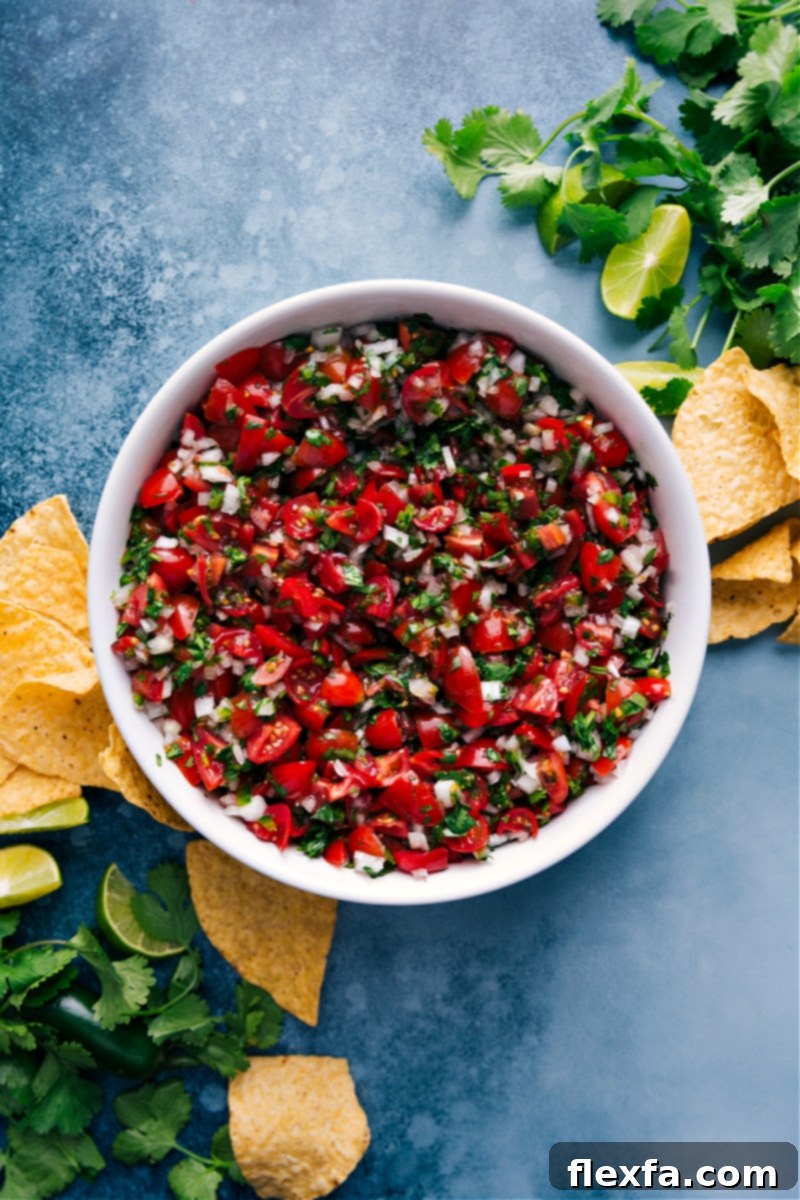
This Pico de Gallo recipe delivers an incredibly fresh, vibrant, and flavor-packed condiment, highlighting the natural goodness of ripe tomatoes, crisp onions, zesty peppers, fragrant cilantro, and bright lime.
Quick Tip: Pronunciation Guide
To impress your friends, here’s how to pronounce Pico de Gallo: PEE-koh theh GAH-yoh.
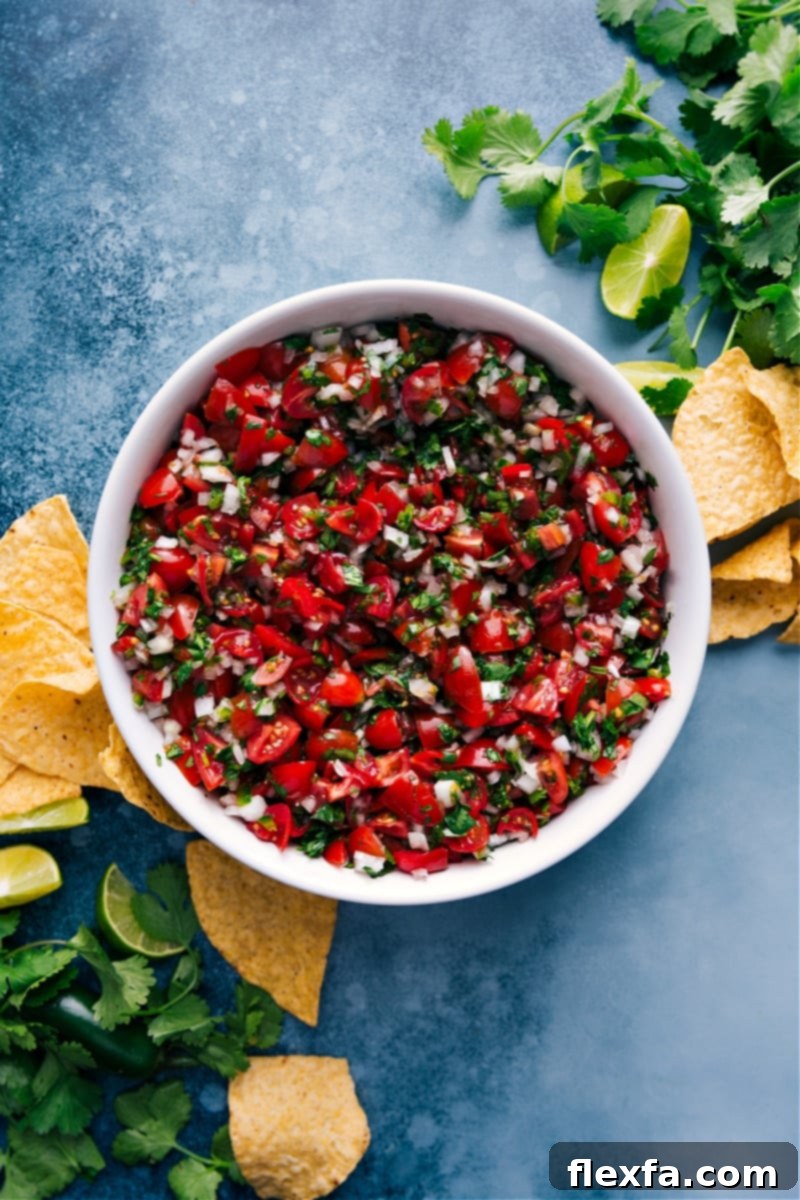
The Ultimate Homemade Pico de Gallo: Your Guide to Fresh & Flavorful Salsa Fresca
Step into the delightful world of fresh, homemade salsa with this ultimate guide to crafting the perfect Pico de Gallo. Often lovingly referred to as ‘Salsa Fresca’ (fresh salsa) or ‘Salsa Cruda’ (raw salsa), this beloved condiment is a cornerstone of Mexican cuisine. It’s cherished for its uniquely uncooked, chunky texture and the sensational burst of authentic flavors derived from simple, wholesome ingredients. Unlike many blended salsas, Pico de Gallo proudly celebrates the individual crispness and distinct tastes of each component: juicy, ripe tomatoes; sharp, pungent onions; fiery jalapeños; aromatic cilantro; and a refreshing squeeze of lime. Whether you are an experienced cook or a home enthusiast eager to elevate your Mexican-inspired meals, this recipe and comprehensive guide will ensure your Pico de Gallo is consistently spectacular, a true testament to fresh, vibrant flavor.
Pico de Gallo vs. Traditional Salsa: Understanding the Core Differences
While the terms “Pico de Gallo” and “salsa” are frequently used interchangeably, they represent distinct culinary preparations with unique characteristics. Both are indispensable elements of Mexican cuisine and often share a similar foundational ingredient list. However, their preparation methods, resulting textures, and typical applications differ significantly. A clear understanding of these distinctions will deepen your appreciation for each and help you choose the ideal accompaniment for your dish.
- Pico de Gallo (Salsa Fresca or Salsa Cruda): This vibrant and refreshing condiment is defined by its strict use of raw, finely diced ingredients. The core components typically include perfectly ripe tomatoes, pungent white onions, spicy jalapeños, fragrant fresh cilantro, and zesty lime juice. Crucially, these ingredients are meticulously chopped into uniform, bite-sized pieces, resulting in a distinctly chunky, substantial texture. The inherent beauty of Pico de Gallo lies in how the distinct flavors and textures of each fresh ingredient remain separate yet harmonious, contributing to a bright, invigorating taste profile that truly sings on the palate. Since it’s neither cooked nor blended, it retains maximum freshness. It is primarily intended as a topping or a chunky dip, designed to add an intense burst of fresh flavor and satisfying texture to a wide array of Mexican dishes.
- Traditional Salsa (e.g., Salsa Roja or Salsa Verde): In contrast, many traditional salsas frequently incorporate roasted, stewed, or otherwise cooked tomatoes (or tomatillos for salsa verde). After cooking, the ingredients are typically blended or often smashed to achieve a smoother, more uniform consistency, which can range from a slightly chunky sauce to a fine puree. This cooking process, whether roasting or simmering, serves to mellow and deepen the flavors, creating a more integrated and complex taste profile. Traditional salsas generally contain more liquid, making them highly versatile. They are ideal for dipping, can be cooked directly into dishes, or served as a smoother, pourable sauce.
In essence, while Pico de Gallo is indeed a *type* of salsa—specifically a “fresh salsa”—it distinguishes itself through its raw, chunky composition. This characteristic offers a bright, crisp, and textural eating experience that stands apart from its cooked or blended relatives. It proudly emphasizes the natural, unadulterated freshness of its components, making it an invigorating and essential addition to any meal where vibrant flavors are desired.
Is Pico De Gallo Simply Salsa? Why It’s a Standout in Its Own Right
As previously clarified, Pico de Gallo is unequivocally a *type* of salsa, often recognized as ‘Salsa Fresca’ or ‘Salsa Cruda.’ However, its unique characteristics—namely its raw, uncooked state and chunky composition—elevate it beyond a mere condiment, establishing it as a star in its own culinary firmament. It represents an unbelievably tasty fusion of fresh vegetables and herbs, making it the perfect, most vibrant accompaniment to an extensive range of Mexican meals. The true magic of Pico de Gallo emanates from its beautiful simplicity and the uncompromising quality of its fresh ingredients. When prepared correctly, each spoonful delivers a perfectly balanced symphony of tangy, savory, and subtly spicy notes, creating a flavor experience that is truly unforgettable and distinctly fresh.
How To Make The Best Homemade Pico De Gallo: An Easy & Rewarding Recipe
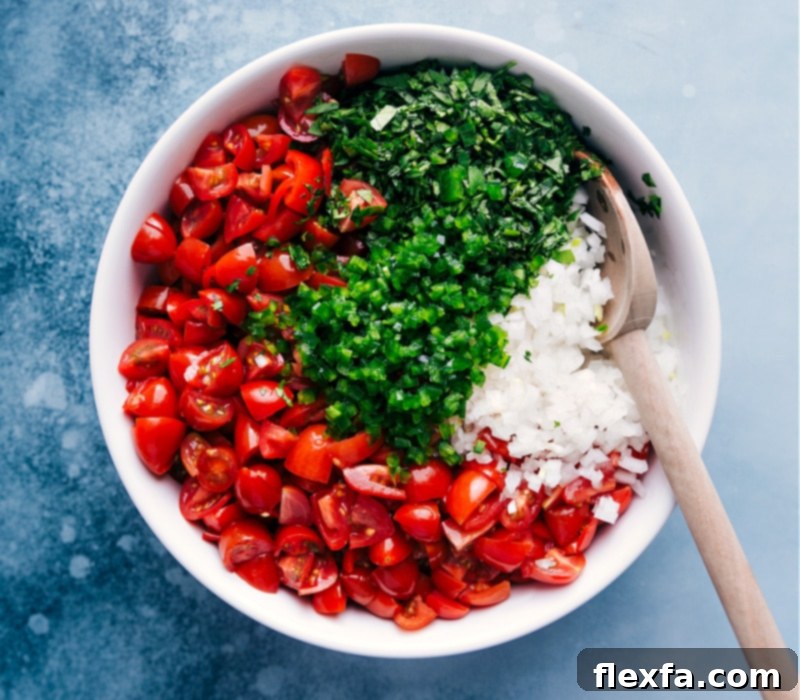
Creating your own batch of Pico de Gallo is a refreshingly simple process, demanding minimal cooking expertise but a modest investment of time for chopping. The effort, however, is immensely rewarding, as the unparalleled freshness and vibrant flavor of homemade Pico de Gallo far exceed any store-bought version. Follow these essential tips and steps to achieve a consistently perfect, restaurant-quality result every time:
Essential Tips for Perfect Pico de Gallo:
- Achieve Uniform Dicing for Balanced Flavors: The secret to a truly excellent Pico de Gallo lies in the uniformity of your chop. Aim to cut all your primary ingredients—tomatoes, onions, and jalapeños—into similar, small dice. This meticulous approach ensures that every single scoop offers a perfectly balanced blend of flavors and textures, preventing any one ingredient from overpowering another. The finer and more consistent your chop, the more distinct and integrated flavors you’ll experience in every bite, creating a more cohesive and enjoyable salsa.
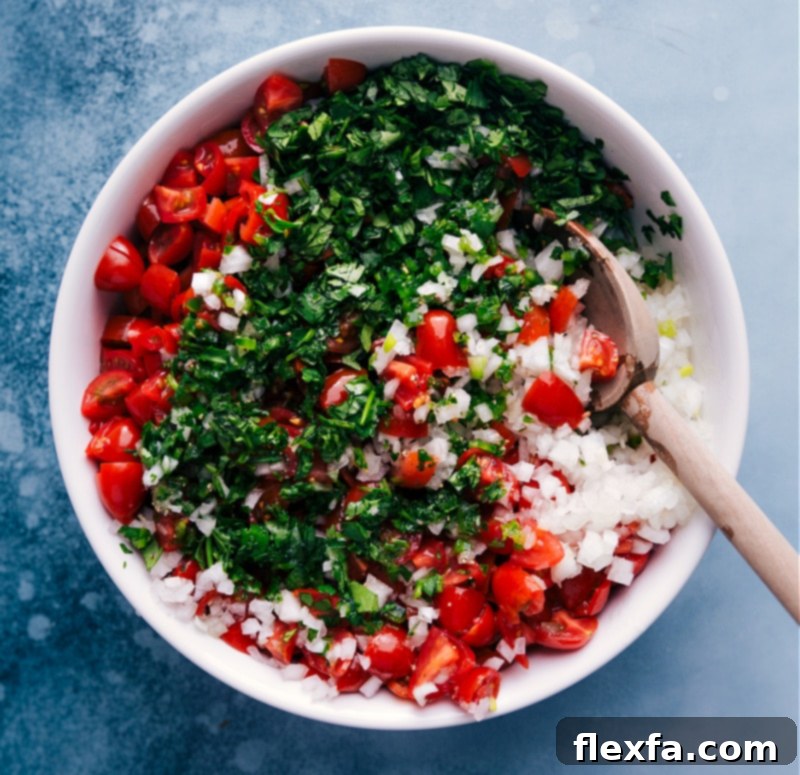
- Select Ripe, Flavorful Tomatoes – The Heart of Your Pico: The cornerstone of an exceptional Pico de Gallo is the quality of your tomatoes. It’s crucial to select the ripest, reddest, and most fragrant tomatoes available. Avoid anything that appears under-ripe, pale, or pink, as these will lack the rich, robust flavor essential for this dish. When purchasing, look for tomatoes that are firm but yield slightly to gentle pressure and have a sweet aroma. During colder winter months, when large vine-ripened tomatoes might be scarce or less flavorful, cherry or grape tomatoes are an excellent alternative; they tend to maintain a more consistent sweetness and intensity year-round. If you opt for larger tomatoes (like Roma or beefsteak), remember to core them and gently scoop out some of the excess seeds and watery pulp before dicing. This critical step prevents your Pico de Gallo from becoming overly watery.
- Allow Flavors to Meld: The Power of Resting: After meticulously mixing all your fresh ingredients, resist the immediate urge to serve. This crucial resting period, ideally 10-15 minutes (or even up to 30 minutes if time allows) in the refrigerator, is vital. It permits the individual flavors to meld, marry, and marinate together, significantly deepening the overall taste and creating a more harmonious and complex blend. You will be generously rewarded with a richer, more satisfying flavor profile that distinguishes truly great Pico de Gallo.
- Handle Jalapeños with Utmost Caution: Jalapeños are responsible for that essential, characteristic kick in your Pico de Gallo, but their natural oils (capsaicin) can cause a potent burning sensation upon skin contact. It is highly recommended to always use plastic gloves, or even a plastic bag over your hands, when dicing jalapeños. Exercise extreme caution and avoid touching your eyes or face during and immediately after handling. Should you experience a burn, various effective methods can help alleviate the discomfort, such as washing hands thoroughly with dish soap, rubbing with rubbing alcohol, or soaking in milk. To control the spice level, remember that removing the seeds and white membranes (pith) will significantly reduce the heat, so adjust this step according to your preferred level of spice. As a general rule, jalapeños with wrinkled skin are often spicier than those with smooth, taut skin.
How To Serve Pico De Gallo: Its Incredible Versatility on Your Plate
Pico de Gallo is an incredibly versatile and indispensable condiment that possesses the remarkable ability to elevate nearly any Mexican-inspired meal, transforming it with its fresh, vibrant flavors and satisfying chunky texture. Of course, its most classic and universally loved application is simply served alongside a generous bag of crispy tortilla chips—an irresistible snack or appetizer that never disappoints!
Beyond the chip-and-dip classic, here are some of our absolute favorite dishes that are wonderfully complemented, enhanced, and brightened by a generous scoop of fresh Pico de Gallo:
- Ground Beef Quesadillas: A spoonful of cool, tangy Pico de Gallo adds a refreshing contrast and cuts beautifully through the richness of the cheese and beef.
- French Bread Taco Pizza: Brightens up every slice with its zesty, herbaceous profile, adding a layer of fresh flavor.
- Loaded Taco Fries: Provides a crisp, cool counterpoint and tangy freshness to the savory, hearty fries and their toppings.
- Totchos (or Nachos): The ultimate fresh topping for cheesy, indulgent potato tots or classic tortilla chip nachos, adding essential brightness.
- Cafe Rio Sweet Pork: Beautifully balances the inherent sweetness of the pork with a tangy, fresh crunch, creating a more dynamic flavor profile.
- Tacos of all varieties: Be it Beef Tacos, Baked Chicken Tacos, or Pinto Bean Tacos. Pico de Gallo is a quintessential, must-have topping, adding crucial moisture, depth of flavor, and an irresistible textural dimension.
- Grilled Meats and Fish: Serve it generously alongside grilled chicken, steak, or white fish. It imparts a healthy, zesty, and flavorful brightness that complements the smokiness of the grill.
- Egg Dishes: A fantastic and invigorating addition to scrambled eggs, fluffy omelets, or hearty breakfast burritos, providing a fresh, spicy kick to start your day.
- Salads and Grain Bowls: Use it as a vibrant topping for fresh green salads or wholesome grain bowls, adding an extra layer of flavor, texture, and nutritional goodness.
Serving Tip: The Slotted Spoon Secret
Regardless of how you choose to enjoy your homemade Pico de Gallo, a crucial serving tip is to always present it with a slotted spoon. Tomatoes naturally release a significant amount of liquid, especially once salted and as they sit. This flavorful juice will accumulate at the bottom of your serving bowl. A slotted spoon allows you to effortlessly scoop up all the delicious, chunky ingredients—the diced tomatoes, onions, and peppers—while conveniently leaving behind any excess moisture. This ensures that every single bite you or your guests enjoy is perfectly textured, never soggy, and bursting with concentrated, fresh flavor.
Creative Pico de Gallo Variations to Explore
While the classic Pico de Gallo recipe is undeniably perfect and universally loved, it also serves as an exceptional foundation for culinary creativity. Do not hesitate to experiment with various thoughtful additions and clever substitutions to perfectly tailor this versatile salsa to your personal taste preferences or to best utilize seasonal ingredients. Here are some inspiring and fun ideas to spark your imagination for your next batch:
- Pico de Gallo with Avocado: For a creamier, richer texture and a boost of healthy fats, consider gently folding in one large, perfectly ripe avocado, diced to a similar size as your tomatoes. This addition creates a wonderfully consistent and delightful texture. If you are particularly fond of avocado in your salsas, you might also thoroughly enjoy an Avocado Salsa, which puts this creamy fruit center stage.
- Pico de Gallo Without Lime: If you find yourself without limes, or simply prefer an alternative, you can successfully substitute the lime juice with an equal amount of fresh lemon juice, which offers a very similar bright, acidic tang. Alternatively, a subtle touch of red wine vinegar can also provide a pleasant acidity, introducing a slightly different yet equally delightful flavor profile to your Pico.
- Fruity Pico de Gallo: A Sweet & Savory Twist: It’s a fun fact to remember that tomatoes are botanically fruits! This opens up an exciting realm of possibilities for creating unique sweet and savory variations of Pico de Gallo. By keeping the diced quantities similar, you can strategically replace some or all of the tomatoes with other diced fruits. Imagine the refreshing sweetness and tropical flair of pineapple, the vibrant, juicy notes of mango, or the delicate, seasonal sweetness of peaches. These fruit-forward salsas are absolutely fantastic with grilled chicken, flaky white fish, or even as an unexpected, delicious topping for certain desserts.
- Heartier Additions: Corn or Black Beans: For an extra layer of texture and to make your Pico de Gallo more substantial, consider stirring in some well-drained canned corn (or even better, fresh grilled corn kernels) and thoroughly rinsed black beans. This transforms your Pico into a more robust side dish, a vibrant salad, or a satisfying topping for grain bowls.
- Spice It Up: Beyond Jalapeño: If you crave a more intense heat, don’t limit yourself to just adding more jalapeño. For a sharper, more piercing spice, finely dice a serrano pepper. For those who dare, a tiny amount of finely minced habanero pepper can provide a truly fiery kick (exercise extreme caution with habaneros!).
- Bell Pepper Power for Color and Sweetness: For a milder, slightly sweeter flavor profile and to add beautiful color contrast, finely dice red, yellow, or orange bell peppers and incorporate them into your mix.
- Red Onion Alternative: While white onion is traditional, swapping it for finely diced red onion can offer a slightly sweeter, milder flavor and contributes a gorgeous pop of purple color.
Storage & Make-Ahead Tips for Your Pico de Gallo
Pico De Gallo Storage
To make ahead: If you plan to prepare your Pico de Gallo in advance, it is highly recommended to delay adding the lime juice, optional olive oil, and salt until just before you are ready to serve. This is a crucial step because both salt and acid (from the lime) will draw out excessive moisture from the tomatoes, leading to a watery and less appealing salsa. Instead, dice all your vegetables and cilantro, combine them in an airtight container, and store them securely in the refrigerator. When it’s time to serve, simply drain off any accumulated liquid, then stir in the fresh lime juice, the optional olive oil, and salt to taste. This method preserves the freshness and texture perfectly.
Leftovers: While fresh Pico de Gallo is undoubtedly at its peak flavor and texture on the day it’s made, any leftovers can be safely stored in an airtight container in the refrigerator for up to 3 days. However, be mindful that as it sits, the acidity from the lime juice and the natural sweetness of the tomatoes will gradually mellow. Furthermore, the vegetables will continue to release their juices, making the mixture more watery. Before serving leftovers, make sure to drain off any excess liquid. To revive its vibrant flavors, taste it and consider adding a fresh squeeze of lime juice and a small pinch more salt. This will bring back its original brightness and zest.
More Fresh Salsa Recipes to Inspire Your Culinary Adventures:
If you’ve thoroughly enjoyed the experience of making and savoring this homemade Pico de Gallo, you’ll undoubtedly love exploring other fresh salsa recipes. These vibrant additions are guaranteed to add zest, complexity, and incredible flavor to any meal. Here are some of our personal favorites that we highly recommend trying:
- Salsa Verde: Our absolute go-to recipe for a bright, tangy, and subtly spicy green salsa. It’s perfect with enchiladas, grilled meats, or any taco night.
- Corn Salsa Recipe: A delightful and refreshing blend featuring sweet corn kernels, a medley of fresh herbs, and just the right hint of spice. Fantastic with chips or as a topping.
- Avocado-Orange Salsa: A unique and surprisingly simple salsa that beautifully combines creamy avocado with the vibrant, citrusy notes of fresh oranges.
- White Bean Salsa: A hearty and exceptionally flavorful salsa featuring sun-dried tomatoes and tender cannellini beans, offering a different texture and richness.
- Easy Fruit Salsa Recipe: A wonderfully sweet and refreshing salsa, perfectly paired with crispy cinnamon sugar chips or as a creative, light topping for desserts.
Pico de Gallo Recipe
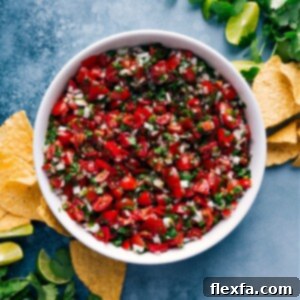
Pico De Gallo
By Chelsea Lords
Fresh, vibrant Pico de Gallo (also known as Salsa Fresca) is a simple yet incredibly flavorful mix of perfectly diced tomatoes, crisp onions, zesty peppers, fragrant cilantro, tangy lime juice, and a touch of salt—it’s simply delicious!
Prep Time: 25 minutes
Total Time: 25 minutes
Servings: 8 servings, when used as a side or topping
Recipe Video (Optional)
While this recipe is straightforward to follow through written instructions, a visual guide can sometimes be helpful. If a video demonstration were available, it would be featured here, illustrating the precise chopping techniques and mixing process. For now, the detailed written steps ensure clarity and ease of preparation.
Equipment
- Medium mixing bowl
- Sharp chef’s knife
- Cutting board
Ingredients
- ¾ cup finely diced white onion
- 4 ½ cups diced tomatoes (refer to Note 1 for optimal selection and preparation)
- 3 tablespoons finely diced jalapeño (refer to Note 2 for heat adjustment and safe handling)
- 2 fresh limes, yielding approximately 3 tablespoons of juice
- ½ cup finely chopped fresh cilantro
- Salt and freshly ground black pepper, to taste (initially, aim for approximately ¾ tsp salt and ¼ tsp pepper)
- 1 tablespoon olive oil (optional, for added richness and smoothness)
Instructions
- Prepare Onion (Optional Step): If you are sensitive to the strong, pungent flavor of raw onion, a simple trick is to place the finely diced white onion in a bowl of cold water for 5 minutes. This gentle soak helps to mellow its intensity. After soaking, drain the onion thoroughly and add it to a large mixing bowl. Remember to prepare your tomatoes (see Note 1) and jalapeños (see Note 2) next, ensuring all ingredients are cut into similar, small sizes for optimal texture and flavor distribution. The finer and more uniform the chop, the more flavor you’ll get in every bite!
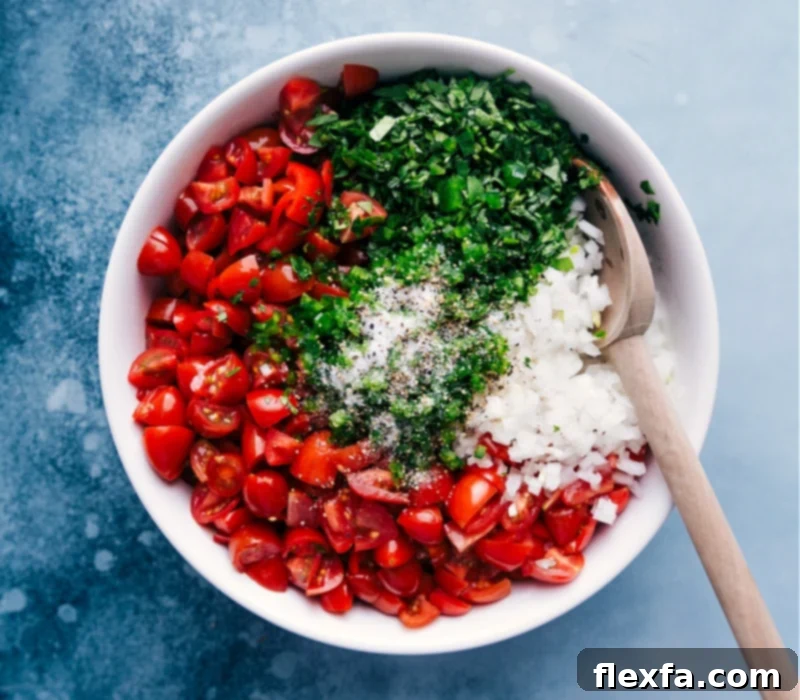
- Combine All Ingredients: To the bowl containing the prepared onion (if soaked), add the diced tomatoes, finely diced jalapeño, the fresh lime juice (approximately 3 tablespoons), the finely chopped cilantro, and the optional olive oil.
- Season and Taste Perfectly: Gently toss all the ingredients together until well combined. Season generously with salt and freshly ground black pepper. A recommended starting point is ¾ teaspoon of salt and ¼ teaspoon of black pepper, but always adjust these amounts to your personal preference. Taste the mixture. The flavors should be bright, zesty, and harmonious. Add more salt, pepper, or lime juice as needed to achieve your perfect balance. The flavors should truly “sing” on your palate!
- Chill and Serve with Flair: For the most integrated and profound flavors, cover the mixing bowl and chill your Pico de Gallo in the refrigerator for at least 10-15 minutes before serving. This brief resting period allows the flavors to meld beautifully. When you’re ready to serve, especially if you plan on enjoying it with tortilla chips, it’s a good practice to taste the Pico de Gallo *with* a chip. Since tortilla chips are typically salted, you might find that your salsa needs slightly less salt than if tasted alone. Always serve your Pico de Gallo with a slotted spoon to ensure you scoop up all the delicious, chunky ingredients while leaving behind any excess liquid that the tomatoes may have released. Enjoy this fresh, vibrant salsa with any of your favorite Mexican dishes or simply with chips!
Recipe Notes
Note 1: Selecting and Preparing Tomatoes for Peak Flavor
The secret to the best Pico de Gallo truly lies in the quality of your tomatoes. Seek out the ripest, reddest, and most fragrant tomatoes you can find. Look for those that are firm yet yield slightly to a gentle squeeze and have a rich, sweet aroma. During the winter months, when larger, vine-ripened tomatoes might lack flavor, cherry or grape tomatoes are an excellent and reliable choice as they tend to offer consistent sweetness and intensity year-round. If you’re using larger varieties (such as Roma or beefsteak), an essential step is to cut them in half and gently scoop out the seeds and any watery pulp before dicing them. This crucial preparation prevents your Pico de Gallo from becoming excessively watery. For cherry tomatoes, simply chop them into small, uniform pieces.
Note 2: Handling Jalapeños and Adjusting Heat Levels
Jalapeños are responsible for imparting that signature mild-to-moderate heat to your Pico de Gallo. When preparing them, it is highly recommended to wear gloves (or even a plastic bag over your fingers) to protect your hands from the capsaicin oils. These oils can cause skin irritation or a burning sensation, especially under fingernails. Always wash your hands thoroughly with soap and water immediately after handling any peppers. To control the spice level, cut the jalapeño in half lengthwise and carefully remove the seeds and the white membranes (pith); this is where the majority of the heat resides. For a spicier salsa, you can choose to leave some seeds in or simply add more jalapeño. For a milder version, ensure all seeds and membranes are completely removed. Finely dice the prepared jalapeño to ensure the heat and flavor are evenly distributed throughout the Pico de Gallo. As a general tip, jalapeños that appear wrinkly often indicate a higher level of heat compared to smoother ones.
Storage for Freshness: Leftover Pico de Gallo can be stored in an airtight container in the refrigerator for up to 3 days. It’s important to note that over time, the acidity of the lime juice may mellow, and the vegetables will continue to release their natural juices, causing the mixture to become more watery. Before serving any leftovers, always drain off any excess liquid. To refresh its vibrant flavors, taste it and consider adding a fresh squeeze of lime juice and a small pinch more salt to revive its initial brightness.
Make Ahead for Convenience: If you are preparing your Pico de Gallo in advance, chop and combine all the ingredients EXCEPT for the lime juice, optional olive oil, and salt. Store this pre-mixed vegetable blend in an airtight container in the refrigerator. Just before you’re ready to serve, drain off any accumulated liquid, then stir in the fresh lime juice, the optional olive oil, and salt to taste. This method ensures your Pico de Gallo remains as fresh and vibrant as possible.
Nutrition Information (Approximate Values)
Serving Size: 1 serving
Calories: 38 kcal
Carbohydrates: 5.3g
Protein: 1g
Fat: 1.9g
Sodium: 296.1mg
Fiber: 1.4g
Sugar: 3g
Please note: Nutrition information is automatically calculated based on common ingredient values and should be used only as an approximation. Actual nutritional content may vary based on exact ingredient brands, preparation methods, and portion sizes.
We hope you thoroughly enjoy your freshly made, incredibly flavorful Pico de Gallo!
Did you love this recipe? We’re eager to hear from you! Please feel free to leave a comment below and share your thoughts, tips, or any creative variations you’ve tried.