
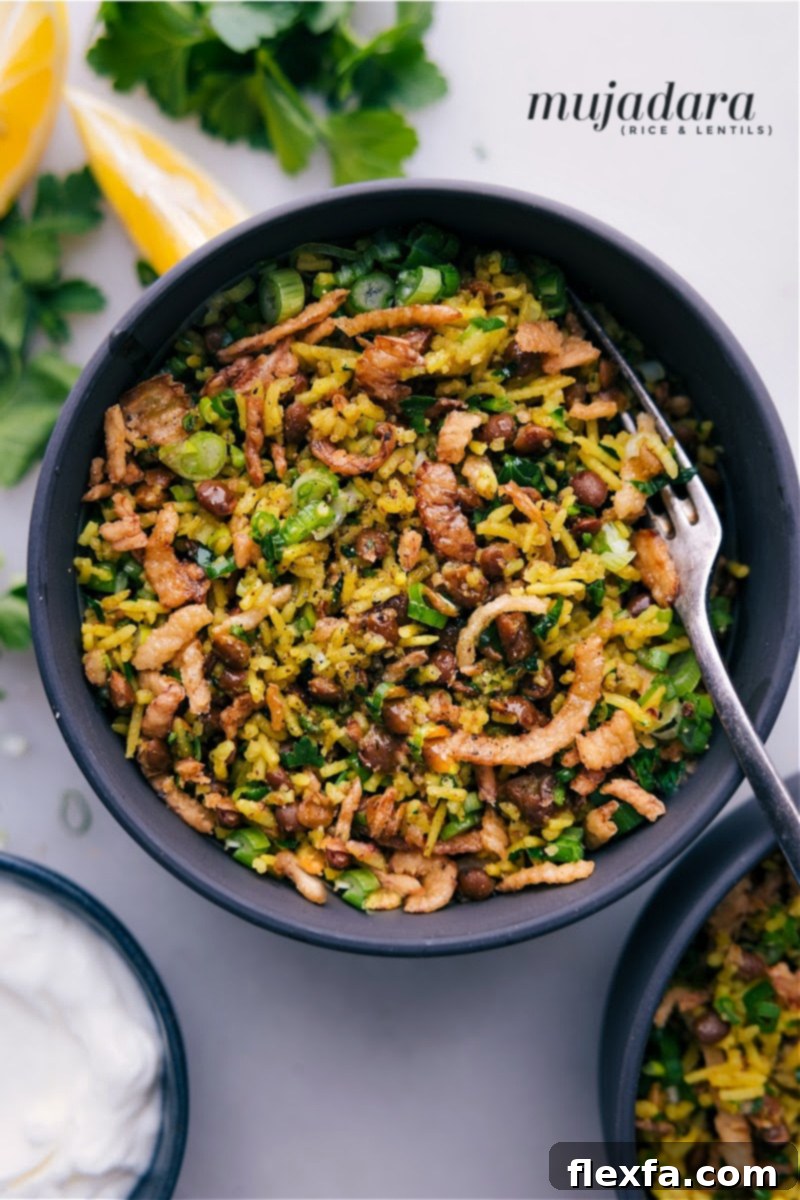
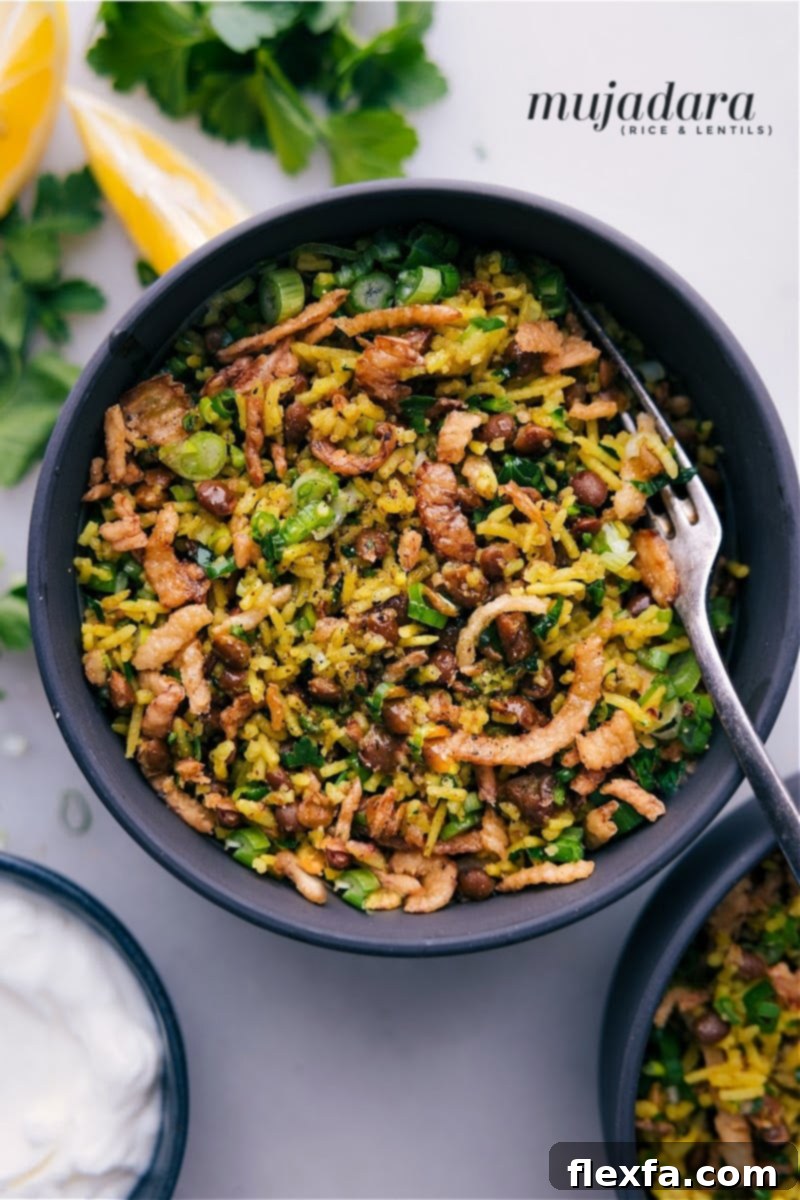
Mujadara (Mejadra) is a staple of Middle Eastern cuisine, a profoundly comforting dish that elegantly combines humble ingredients into an unforgettable culinary experience. This recipe, inspired by a genuine Israeli encounter, features perfectly cooked rice, tender lentils, and an abundance of rich, sweet caramelized onions. It’s a simple yet deeply flavorful meal that will transport your taste buds straight to the heart of the Levant.

author’s note
From Israel, Straight To Your Kitchen!
My recent journey to Israel was filled with incredible moments and unforgettable flavors, many of which I shared on Instagram. One of the highlights was an immersive cooking experience in the historic city of Jaffa, where I had the privilege of cooking with Doris, a wonderful local Arab Christian woman. Doris graciously welcomed us into her home and prepared an incredible feast that showcased the vibrant culinary traditions of the region. The table was laden with an array of delicious dishes: creamy hummus, smoky baba ghanoush, fragrant za’atar pita, tender roasted vegetables, fresh tabbouleh, and, of course, Mujadara.
Amongst all the wonderful dishes, Doris’s Mujadara truly stole the show. The exquisite balance of sweet caramelized onions, earthy lentils, and tender, spiced rice created a symphony of flavors and textures that was deeply comforting and utterly delicious. It was a dish that resonated with the warmth of her hospitality and the rich heritage of Middle Eastern cooking.
Inspired by Doris’s traditional recipe, which typically takes hours to perfect, I returned home determined to adapt it for the modern kitchen. My goal was to create a streamlined, 30-minute version that retains all the incredible depth of flavor without the extensive cooking time. This quick and easy Mujadara recipe is perfect for busy weeknights, yet special enough to evoke those cherished memories of my time in Israel. It’s a testament to how simple, wholesome ingredients, prepared with care, can yield extraordinary results.

What is Mujadara (Mejadra)?
Mujadara, often spelled Mejadra or Mujadarra, is a revered dish across the Middle East, particularly popular in countries like Israel, Lebanon, Syria, Jordan, and Palestine. At its heart, it’s a humble yet incredibly flavorful combination of cooked lentils and rice, crowned with generously caramelized onions. This simple composition belies a rich tapestry of textures and tastes: the earthiness of the lentils, the soft chewiness of the rice, and the intensely sweet, almost jam-like quality of the slowly cooked onions.
The beauty of Mujadara lies in its versatility and nutritional value. Naturally vegetarian and often vegan (depending on serving accompaniments), it serves as a hearty main course, a satisfying side dish, or even a filling component of a larger Mezze platter. It’s a testament to the region’s ability to transform staple ingredients into something truly special. The various spellings of the dish—including mujadarra, mujadarah, majadra, mejadra, moujadara, mudardara, and megadarra—reflect its widespread presence and local adaptations throughout the Middle East.
The Simple Magic: Key Ingredients for Perfect Mujadara
Creating an authentic and flavorful Mujadara relies on a few key ingredients, each playing a crucial role in the dish’s overall harmony. While the components are basic, their quality and preparation make all the difference.
| Ingredient | Why It Matters & Pro Tips |
|---|---|
| Lentils | Brown or green lentils are ideal for Mujadara because they hold their shape beautifully when cooked, providing a pleasant texture without becoming mushy. If you’re looking to save time, canned lentils are a fantastic shortcut; just be sure to rinse and drain them thoroughly to remove excess sodium and any canning liquid. For a more traditional approach, dried lentils can be soaked for an hour before cooking. |
| Rice | Long-grain white rice is commonly used, and basmati rice is highly recommended for its fragrant aroma and distinct, fluffy texture. Basmati grains remain separate and don’t clump together, which is perfect for Mujadara. If using other long-grain varieties, adjust water ratios as needed. Rinsing basmati rice is typically not needed for this recipe to achieve the desired texture, as it helps absorb moisture during cooking. |
| Onions | The caramelized onions are the star of Mujadara, providing a deep sweetness and savory crunch that elevates the entire dish. Yellow or sweet onions work best for caramelization. While traditional caramelization takes time (50-60 minutes), you can use store-bought fried onions for a quick fix or prepare a larger batch of caramelized onions ahead of time to have on hand. |
| Olive Oil | High-quality extra virgin olive oil is essential for an authentic Middle Eastern flavor profile. It’s used for sautéing the spices and achieving that perfect onion caramelization. While avocado oil can be a substitute, olive oil contributes significantly to the traditional taste. |
| Fresh Herbs | Freshly chopped herbs are a non-negotiable finishing touch. Flat-leaf parsley is the classic choice, adding a vibrant freshness and color. Cilantro or finely chopped green onions can also be used, either individually or in combination, to enhance the herbaceous notes. These are best stirred in just before serving. |
| Spices | Ground cumin, ground coriander, garlic powder, and ground turmeric are the aromatic backbone of Mujadara. Cumin and coriander provide warmth and depth, garlic powder adds a foundational savory note, and turmeric contributes a subtle earthy flavor and beautiful golden hue. |
| Sugar, Salt & Pepper | A touch of granulated sugar helps balance the flavors and can enhance the caramelization of the onions. Salt and freshly cracked black pepper are crucial for seasoning the dish to perfection, bringing out all the subtle nuances of the other ingredients. |
| Lemon Juice | A final squeeze of fresh lemon juice is a game-changer. It brightens the entire dish, cutting through the richness and adding a zesty counterpoint that makes the flavors sing. Don’t skip this! |
Crafting Your Mujadara: Step-by-Step Guide (The 30-Minute Version)
This streamlined recipe brings the authentic flavors of Mujadara to your table in approximately 30 minutes, making it an ideal choice for a nutritious and delicious weeknight meal. Here’s how to create this Middle Eastern classic:
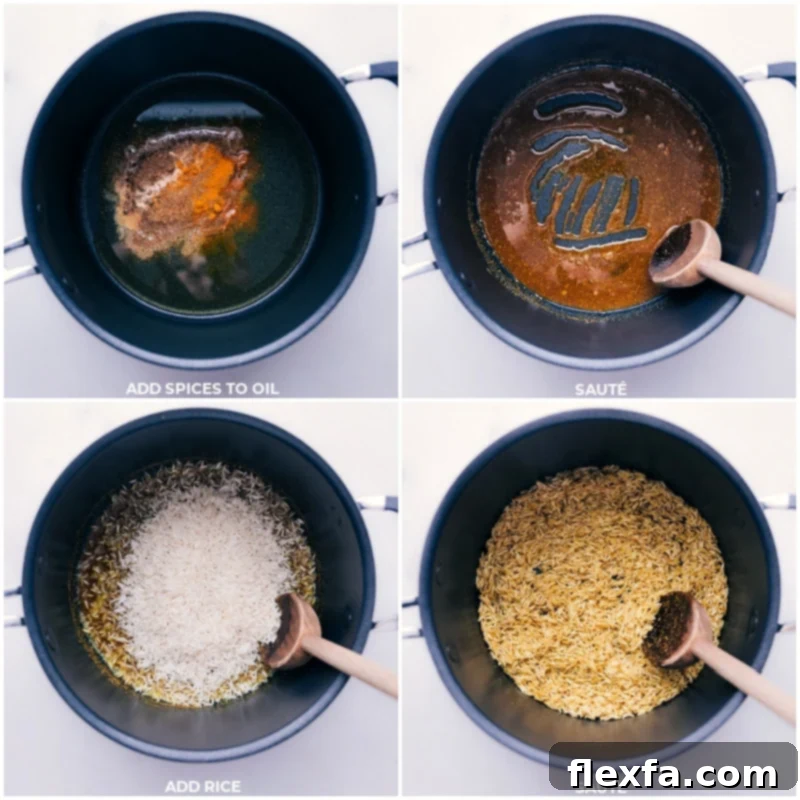
- Sauté Aromatic Spices & Rice: Begin by heating 2 tablespoons of olive oil in a medium pot over medium heat. Add the ground cumin, coriander, garlic powder, and turmeric. Sauté, stirring continuously, for 2-3 minutes until the spices become wonderfully fragrant. This step awakens their flavors. Next, add the uncooked basmati rice and sauté for another minute, allowing the grains to lightly toast and absorb the aromatic oils.
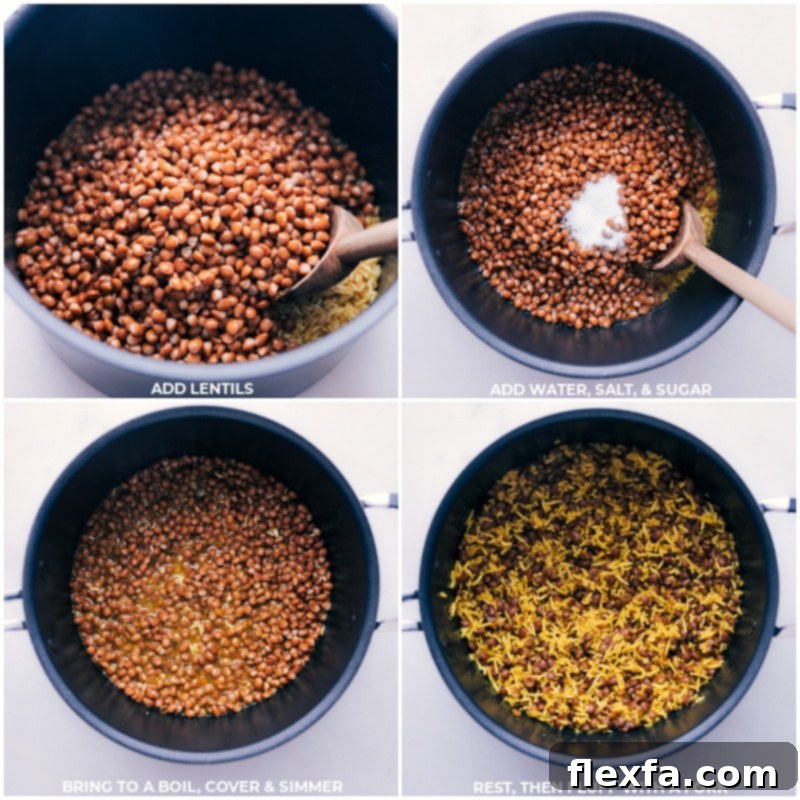
- Combine & Simmer Lentils: Pour in the water, along with the thoroughly drained and rinsed canned lentils. Add the granulated sugar, and season generously with salt and pepper to taste (the author recommends 1-1/4 teaspoons salt and 1/4 teaspoon pepper as a starting point). Bring the mixture to a boil, then reduce the heat to medium-low. Cover the pot tightly with a lid and let it simmer for 10-14 minutes, or until most of the liquid has been absorbed by the rice and lentils. A small amount of residual liquid is perfectly fine, as it will continue to absorb during the resting phase.
- Rest for Perfection: This step is crucial and should not be rushed! Keeping the lid on, remove the pot from the heat and allow the Mujadara to stand undisturbed for 10 minutes. This resting period allows the rice to fully steam, preventing it from becoming mushy and ensuring a fluffy, perfectly cooked texture. It also gives the flavors more time to meld beautifully.
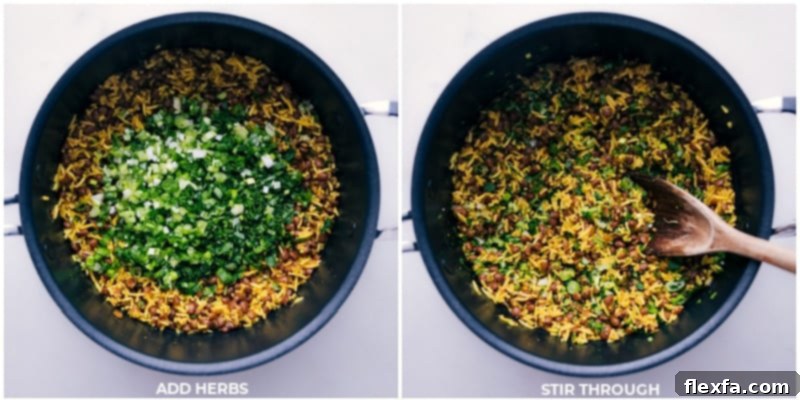
- Fluff, Finish & Serve: After 10 minutes, remove the lid and gently fluff the rice and lentil mixture with a fork. Stir in the finely chopped fresh parsley and green onions, incorporating their vibrant freshness. Taste and adjust seasonings if necessary, adding more salt, pepper, or a pinch of any spice to suit your preference. Transfer the fragrant rice and lentils to a wide serving platter. Drizzle the remaining 1 tablespoon of olive oil over the top for an extra layer of flavor and sheen. For a burst of bright acidity, squeeze some fresh lemon juice over the dish. Finally, generously top with crispy fried onions and enjoy warm. A dollop of creamy yogurt or a fresh salad makes for a fantastic accompaniment!
Doris’s Secrets: Tips for an Unforgettable Mujadara
During my time cooking with Doris in Jaffa, she shared invaluable wisdom that transforms a good Mujadara into an extraordinary one. These tips are rooted in generations of tradition and are key to capturing the true essence of this beloved dish:
- Embrace Fresh Herbs: Doris emphasized adding a generous amount of fresh flat-leaf parsley and finely chopped green onions right before serving. These fresh herbs aren’t just a garnish; they provide a crucial burst of bright, clean flavor and aromatic freshness that beautifully contrasts with the warm, earthy lentils and rice.
- The Zest of Lemon: A simple squeeze of fresh lemon juice at the very end is a non-negotiable finishing touch. Lemon acts as a natural brightener, cutting through the richness and elevating all the other flavors, making the dish feel incredibly vibrant and balanced.
- Crisp Onions, Always: To ensure the caramelized onions retain their delightful crunch and don’t become soggy, Doris advised keeping them separate until the moment of serving. This preserves their texture and provides a satisfying contrast to the soft pilaf.
- The Power of Resting: After cooking, allowing the dish to rest, covered, for at least 10 minutes off the heat is paramount. This crucial step permits the rice to fully absorb any remaining moisture and steam thoroughly, preventing it from becoming mushy and ensuring each grain is perfectly plump and fluffy. Patience here is rewarded with superior texture.
Storage & Reheating
- Fridge: For optimal freshness and texture, store the cooked rice and lentil mixture separately from the caramelized onions in airtight containers. It will keep well in the refrigerator for 3-4 days. When ready to serve, reheat the pilaf and top with fresh or reheated crispy onions.
- Freezer: This Mujadara recipe freezes exceptionally well. Allow the pilaf to cool completely, then transfer it to freezer-safe airtight containers or heavy-duty freezer bags. It can be stored for up to 2-3 months. When reheating from frozen, it’s best to do so gently on the stovetop or in the microwave, adding a splash of water or vegetable broth to help fluff it back up and restore moisture.
A Deeper Dive: The Authentic Mujadara Experience
While our 30-minute version is perfect for busy schedules, for those who wish to delve into the full, rich tradition of Mujadara, Doris also shared insights into the more authentic, time-honored preparation. This method emphasizes patient, slow cooking to develop maximum flavor.
- The Art of Caramelized Onions: The most significant difference in an authentic Mujadara lies in the onions. Slice 3 large onions thinly and cook them very slowly in approximately ½ cup of olive oil over low heat. This process takes a considerable amount of time—typically 50-60 minutes—with occasional stirring, until they are deeply caramelized, a rich golden-brown, and intensely sweet. The patience here is rewarded with unparalleled flavor. Once caramelized, remove them with a slotted spoon, lightly salt them, and set aside. Some of this onion-infused oil will be used for cooking the lentils and rice, imparting a foundational flavor.
- Cooking Dried Lentils from Scratch: If using dried lentils, soak them in water for at least an hour (or overnight), then drain them thoroughly. In the same pan (or a clean one) with some of the onion-infused olive oil, add the soaked lentils, the required seasonings (cumin, coriander, garlic powder, turmeric, salt, and pepper), and enough water to cover them. Cook until the lentils are tender but still hold their shape.
- Layering Flavors with Rice: Once the lentils are nearly cooked, add the rice. A traditional ratio often calls for half as much rice as lentils (e.g., 2 cups of lentils to 1 cup of rice) to truly highlight the lentil component. Add just enough water to barely cover the mixture. Bring to a gentle boil, then reduce heat, cover, and simmer until the rice is tender and the liquid is absorbed. As with the quicker version, let it rest for 10 minutes before fluffing and stirring in fresh herbs.
This more traditional approach yields a Mujadara with deeper, more complex flavors, particularly from the slow-cooked onions, and a slightly different texture profile from the dried lentils. It’s a culinary journey worth taking when you have the time.
What to Serve with Mujadara
Mujadara is incredibly versatile and pairs beautifully with a variety of fresh and flavorful accompaniments. Here are some of our favorite suggestions to complete your Middle Eastern feast:
Salads
Israeli Salad Recipe
Crisp, refreshing, and full of vibrant flavors, an Israeli salad with finely diced cucumbers, tomatoes, and bell peppers is the perfect counterpoint to the hearty Mujadara.
Dinner
Baked Falafel
For a complete vegetarian meal, pair Mujadara with homemade baked falafel. The crispy exterior and tender interior of the falafel complement the soft texture of the rice and lentils beautifully.
Healthy
Chickpea Salad Recipe
A zesty chickpea salad, perhaps with fresh herbs, tomatoes, and a lemon-tahini dressing, adds another layer of protein and bright flavor to your Mujadara spread.
Dinner
Grilled Chicken Marinade
While traditionally vegetarian, Mujadara also serves as an excellent side dish to grilled meats. A flavorful grilled chicken, seasoned with Middle Eastern spices, makes for a satisfying and balanced meal.
Mujadara Recipe Card

Mujadara Recipe
By Chelsea Lords
Mujadara (also known as Mejadra) is a popular Middle Eastern dish made with spiced rice, tender lentils, and a generous topping of sweet, crispy caramelized onions. It’s a wholesome, flavorful, and unforgettable vegetarian meal or side dish, often served with a dollop of yogurt or a fresh salad.
Prep Time: 15 minutes
Cook Time: 15 minutes
Total Time: 30 minutes
Servings: 4 as a side
Rating: 5 out of 5 stars (Based on 1 vote)
Print Recipe
Equipment
- Medium pot
Ingredients
- 3 tablespoons olive oil, divided
- 1-1/2 teaspoons ground cumin
- 1-1/2 teaspoons ground coriander (Walmart Link)
- 1 teaspoon garlic powder
- 1/2 teaspoon ground turmeric
- 1 cup basmati rice, uncooked (see Note 1) (Walmart Link)
- 1-1/3 cup water
- 2 (15-ounce) cans lentils, drained and rinsed (Walmart Link)
- 1 teaspoon granulated sugar
- Salt and pepper, to taste
- 1/2 cup fresh flat-leaf parsley, finely chopped (about 1/2 bunch)
- 1/2 cup finely chopped green onions (about 1 bunch)
- Crispy fried onions for serving (Walmart Link)
- Serving suggestions (optional, see Note 2)
Instructions
- Add 2 tablespoons of olive oil to a medium pot over medium heat. Add ground cumin, coriander, garlic powder, and turmeric. Sauté, stirring constantly, until fragrant, about 2–3 minutes. Add rice and sauté for 1 minute.
- Add the water, drained and rinsed lentils, sugar, and salt and pepper to taste (the author suggests 1-1/4 tsp salt and 1/4 tsp pepper). Bring to a boil, then reduce heat to medium-low. Cover with a lid and cook for 10–14 minutes or until most of the liquid is absorbed. (It’s okay if there is still a little liquid; it will absorb during resting.) Keeping the lid on, remove the pot from heat and let it stand for 10 minutes. Do not rush this step!
- After 10 minutes, remove the lid and fluff the rice with a fork. Stir in the finely chopped parsley and green onions. Taste and season with more seasonings if needed. Transfer rice and lentils to a wide serving platter and drizzle the remaining 1 tbsp oil over everything. Squeeze on some fresh lemon juice if desired. Top generously with crispy fried onions and enjoy warm! Great with a dollop of yogurt too!
Recipe Notes
Note 1: If you use a variety of rice other than basmati, you’ll likely need a bit more liquid. If possible, use basmati rice; it truly works the best here for its fluffy texture and aroma! Also, no need to rinse the rice first for this particular recipe, as it helps with liquid absorption.
Note 2: Optional serving suggestions: fresh lemon wedges, a side of plain yogurt, or a crisp Israeli salad.
Note 3: For a more authentic Mujadara with deeply caramelized onions, heat 1/2 cup olive oil in a large skillet. Add 3 thinly sliced large onions and cook on low heat for 50–60 minutes, stirring occasionally, until they are richly golden brown and deeply caramelized. Remove with a slotted spoon, salt lightly, and set aside. Then, soak dried lentils for an hour, drain, and cook them in the same pan with more oil, seasonings, salt, and water until tender. Add rice (using half the amount of rice as lentils), add just enough water to cover, then cover and cook until the rice is tender. Rest, fluff, and top with fresh herbs.
Storage: To store Mujadara, keep the pilaf (rice and lentil mixture) separate from the onions for best texture. Store in an airtight container in the fridge for up to 3–4 days. It can also be frozen in a freezer-safe container for up to 2–3 months. Reheat gently with a splash of water or broth.
Nutrition Note: Nutrition information provided does not include the crispy fried onions, as their nutritional content can vary widely.
Nutrition
Serving: 1 serving | Calories: 522 kcal | Carbohydrates: 83g | Protein: 23g | Fat: 12g | Saturated Fat: 2g | Polyunsaturated Fat: 2g | Monounsaturated Fat: 8g | Sodium: 17mg | Potassium: 929mg | Fiber: 18g | Sugar: 5g | Vitamin A: 773IU | Vitamin C: 16mg | Calcium: 76mg | Iron: 8mg
Nutrition information is automatically calculated and should only be used as an approximation.
Smart Shortcuts for Busy Cooks
- Canned Lentils: This recipe primarily uses canned lentils, which are a fantastic time-saver. They eliminate the need for soaking and boiling dried lentils from scratch. Just remember to rinse them very well before adding them to the pot to remove any excess sodium and canning liquid.
- Store-Bought Fried Onions: The magic of Mujadara truly shines with caramelized onions. If you’re short on time and can’t dedicate an hour to slow-caramelizing, readily available French fried onions (often found in the salad topping or condiment aisle of most grocery stores) offer a quick and satisfying crispy topping that mimics the texture and adds a savory crunch.
Frequently Asked Questions (FAQ) About Mujadara
Here are answers to some common questions you might have about making and enjoying Mujadara:
- Is Mujadara vegan?
- Yes, Mujadara is inherently a vegan dish! It’s made from plant-based ingredients: lentils, rice, onions, olive oil, and spices. If serving with traditional accompaniments, ensure any yogurt served on the side is plant-based to keep it fully vegan.
- What kind of lentils are best for Mujadara?
- Brown or green lentils are generally preferred because they maintain their shape well during cooking, giving the dish a pleasant texture. Red or yellow lentils tend to break down and become mushier, which is not ideal for Mujadara’s pilaf-like consistency.
- Can I use brown rice instead of basmati?
- While basmati rice is highly recommended for its aroma and fluffy texture, you can certainly use brown rice. Keep in mind that brown rice typically requires more water and a longer cooking time. Adjust your liquid and simmering time accordingly until the rice is tender.
- Do I need to rinse the rice and lentils?
- For this specific quick recipe using basmati rice, rinsing the rice is not necessary as the starch helps with liquid absorption for the desired texture. However, it’s crucial to thoroughly rinse and drain canned lentils to remove excess sodium and any canning liquid. If using dried lentils for the authentic method, rinsing after soaking is also a good practice.
- What makes the caramelized onions so special in Mujadara?
- The slow caramelization process transforms humble onions into a profoundly sweet, savory, and complex component. This deep sweetness and slightly crispy texture provides a crucial contrast to the earthy lentils and rice, elevating the entire dish and adding an irresistible flavor dimension.
Conclusion: Bring the Flavors of the Middle East Home
Mujadara is more than just a dish; it’s a culinary hug, a testament to the power of simple ingredients, and a flavorful journey to the heart of Middle Eastern hospitality. Whether you opt for the speedy 30-minute version or dedicate the time to Doris’s traditional approach, you’ll be rewarded with a wholesome, aromatic, and deeply satisfying meal.
This Mujadara recipe, born from a treasured memory in Jaffa, offers a beautiful blend of earthy lentils, fragrant rice, and the irresistible sweetness of caramelized onions. It’s a dish that warms the soul, nourishes the body, and invites you to experience a piece of Israeli culinary tradition right in your own kitchen. So gather your ingredients, savor the process, and prepare to fall in love with this unforgettable Middle Eastern classic.