

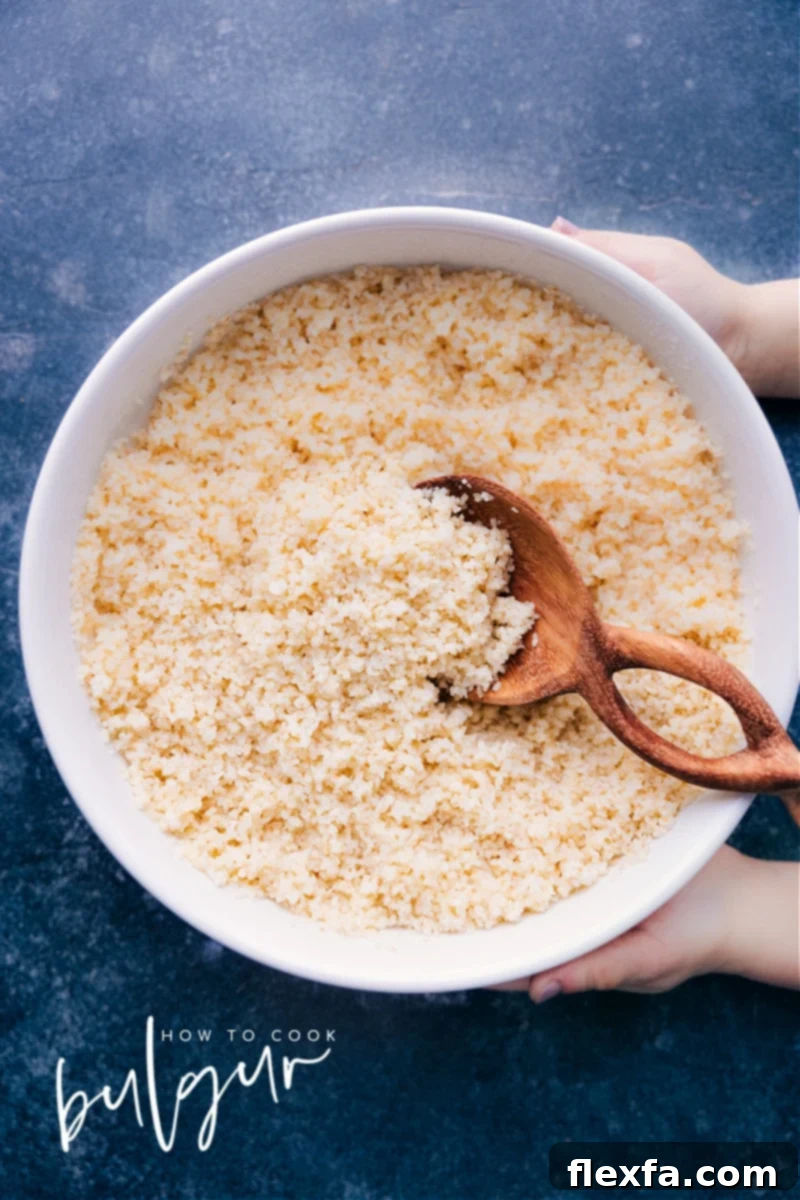
Welcome to your ultimate guide on How to Cook Bulgur Wheat! Whether you’re a seasoned chef or new to whole grains, this recipe will show you how to prepare bulgur that’s consistently fluffy, incredibly tasty, and never mushy. It’s a quick, easy, and nutrient-dense grain that beautifully complements a wide array of meals, making it a perfect addition to your culinary repertoire.
Mastering Bulgur Wheat: Your Guide to Perfectly Fluffy Grains Every Time
What Exactly is Bulgur Wheat?
Bulgur wheat is an ancient, wholesome grain made from cracked wheat kernels, most commonly durum wheat. Its journey from field to fork involves steaming, drying, and then cracking the wheat, a process that makes it partially pre-cooked and significantly reduces its preparation time compared to other whole grains. A staple in Middle Eastern and Mediterranean cuisines for thousands of years, bulgur is celebrated for its distinct nutty flavor and delightfully chewy texture. Beyond its culinary appeal, it’s a nutritional powerhouse, packed with fiber, plant-based protein, and a spectrum of essential vitamins and minerals. This versatility allows bulgur to seamlessly integrate into various dishes, from vibrant salads and hearty stews to satisfying side dishes and innovative breakfast bowls.
Why Bulgur Deserves a Spot in Your Pantry
If you’re looking to diversify your meals beyond the usual rice or pasta, bulgur wheat is an exceptional choice that promises both exquisite taste and impressive nutritional value. Its subtly sweet, nutty profile makes it incredibly adaptable, harmonizing with a vast array of ingredients and flavor combinations. The true charm of bulgur lies in its remarkable versatility.
Imagine bulgur bringing a robust texture and earthy depth to your fresh green salads, creating a more fulfilling meal. Envision it as the perfect base for your grain bowls, soaking up the flavors of roasted vegetables, lean proteins, and creamy dressings. For a unique twist, incorporate bulgur into your breakfast routine; it pairs wonderfully with yogurt, fresh fruits, and crunchy nuts for a wholesome and energizing start to your day. You can even explore savory breakfast options, incorporating herbs, spices, and a poached egg. Bulgur’s quick cooking time also makes it an ideal ingredient for busy weeknights, offering a nutritious alternative without compromising on flavor or complexity.
Quick Tip: Explore Bulgur in Salads
Bulgur truly shines in salads. Expand your culinary horizons by trying some of our favorite bulgur-based salad recipes:
- This refreshing cucumber and apricot Bulgur Salad
- A timeless Middle Eastern classic: Tabouli (Tabbouleh)
- A vibrant and unexpected delight: Blueberry Corn Salad
Understanding Bulgur: Different Grinds for Different Dishes
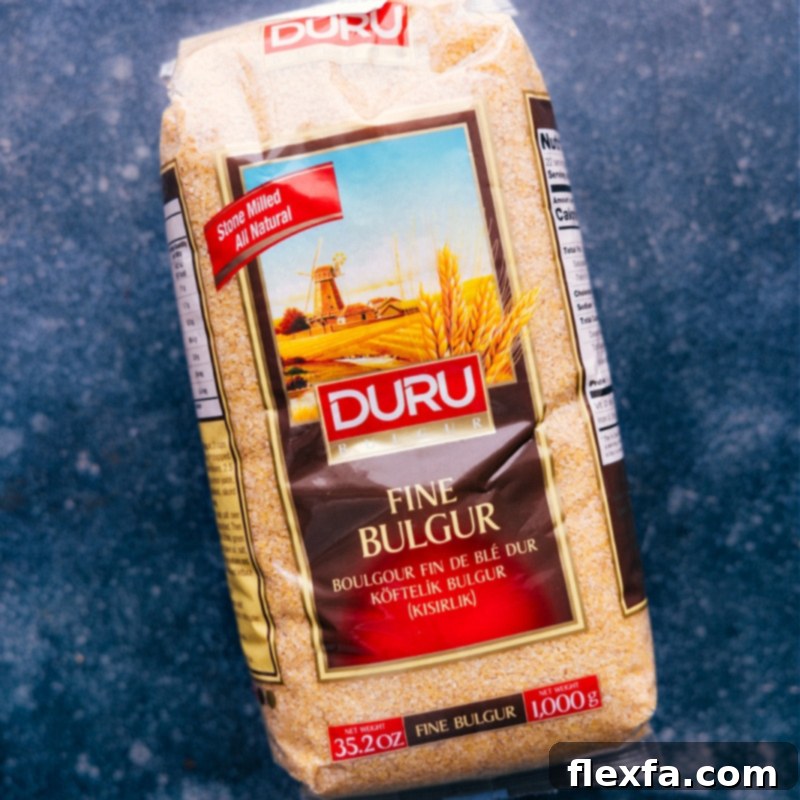
Bulgur wheat is not a one-size-fits-all grain; it comes in various grinds, each suited for specific culinary applications. The coarseness refers to the size of the cracked wheat pieces after they have been partially cooked and dried. This distinction is crucial, as the grind directly impacts both the cooking time and the final texture of your dish. Finer bulgur cooks much more rapidly, often just by soaking in hot water, while coarser varieties require a longer simmering process.
Here’s a breakdown of the four main types of bulgur and their ideal uses:
- Fine Bulgur (#1): This is the quickest-cooking variety, typically rehydrating in just 15-20 minutes with hot water. Its delicate texture makes it perfect for salads like tabbouleh, kishk (a fermented dairy and grain product), and other light, refreshing dishes where a subtle chew is desired.
- Medium Bulgur (#2): Slightly coarser than fine bulgur, this type offers a more substantial bite. It’s excellent for cereals, veggie burgers, dolmas (stuffed grape leaves or vegetables), and hearty porridges. It holds its shape well, adding body to dishes.
- Coarse Bulgur (#3): With a more robust texture, coarse bulgur is fantastic for traditional pilafs, where it absorbs flavors beautifully and maintains a distinct grain structure. It’s also ideal for stuffing vegetables like bell peppers or zucchini, providing a satisfyingly chewy filling.
- Very Coarse Bulgur (#4): This is the largest and chewiest grind, requiring the longest cooking time. It performs exceptionally well in robust dishes such as pilafs, thick soups and stews, and substantial veggie burgers. It’s also the preferred type for Syrian kibbeh, offering a sturdy base for the meat mixture.
For this specific recipe, we will be using fine bulgur (#1). Its rapid rehydration and tender texture are key to achieving the perfectly fluffy and quick result described in this guide. Other coarseness levels will require different liquid ratios and cooking methods, and may not yield the desired outcome with this particular technique.
Bulgur vs. Rice: A Nutritional Deep Dive
When it comes to healthy grains, bulgur wheat is often compared to brown rice, and for good reason. Nutritionally, bulgur offers a compelling profile that often surpasses its brown rice counterpart, boasting more than twice the fiber and an impressive four times the amount of folate. But the benefits don’t stop there. Bulgur wheat is a truly nutritious whole grain, providing a wealth of health advantages that make it a smart choice for any balanced diet. Let’s explore some of its key benefits in detail:
- Fiber-Rich Powerhouse: Bulgur is an excellent source of dietary fiber, both soluble and insoluble. This abundant fiber content is crucial for promoting a healthy digestive system, aiding in regular bowel movements, and preventing constipation. Furthermore, fiber helps you feel full and satisfied for longer periods, which can be instrumental in managing appetite and supporting weight loss goals.
- Blood Sugar Regulation: With a low glycemic index (GI), bulgur wheat is digested slowly, leading to a gradual release of glucose into the bloodstream. This characteristic helps to stabilize blood sugar levels, preventing sharp spikes and crashes. This makes bulgur an excellent grain choice for individuals managing diabetes or those seeking to maintain consistent energy levels throughout the day.
- Abundant in Essential Nutrients: Beyond fiber, bulgur is a treasure trove of vital vitamins and minerals. It’s particularly rich in iron, which is essential for oxygen transport in the blood; magnesium, crucial for muscle and nerve function; and B vitamins, including B6 (pyridoxine) and B9 (folate), which play key roles in energy metabolism and cell growth.
- Supports Weight Management: Due to its high fiber and protein content, bulgur provides significant satiety with relatively few calories. Incorporating bulgur into your meals can help reduce overall calorie intake by keeping you feeling fuller for longer, thus making it a valuable tool for effective weight management strategies.
- Inflammation Reduction: Bulgur contains various antioxidants and anti-inflammatory compounds, which contribute to its potential to reduce chronic inflammation in the body. Reducing inflammation is linked to a lower risk of numerous chronic diseases, including heart disease, diabetes, and certain cancers.
- Promotes Heart Health: The potassium content in bulgur, coupled with its fiber and whole-grain status, makes it a heart-friendly food. Potassium helps counteract the effects of sodium and can contribute to lowering blood pressure. Additionally, whole grains like bulgur are associated with a reduced risk of cardiovascular disease.
- Sustainable and Economical: Beyond personal health, bulgur is often a more sustainable grain choice due to its relatively low water requirements for cultivation. It’s also an incredibly cost-effective grain, offering high nutritional value without breaking the bank.
While brown rice certainly offers health benefits, bulgur often edges it out in fiber and certain micronutrients, making it a compelling alternative to explore in your diet.
Storing and Reheating Bulgur Wheat
- Storing Cooked Bulgur: Once cooked and cooled, transfer your bulgur wheat to an airtight container. It can be safely stored in the refrigerator for up to 5 days, making it an excellent option for meal prepping throughout the week.
- Reheating Cooked Bulgur: To reheat, spoon the desired amount of bulgur into a microwave-safe dish. Heat in 30-second increments, stirring well after each interval, until it is thoroughly warmed. For stovetop reheating, add a splash of water or broth to a pan with the bulgur and heat over medium-low, stirring occasionally until warm.
A useful trick: if your refrigerated bulgur appears a bit dry, adding a small splash of water or vegetable broth before reheating will help rehydrate the grains and restore their perfectly fluffy texture. This ensures your leftovers are just as delightful as when they were freshly made.
Creative Ways to Enjoy Cooked Bulgur Wheat
The beauty of cooked bulgur wheat lies in its incredible adaptability. Once you’ve mastered the basic cooking method, a world of culinary possibilities opens up. Here are some fantastic ideas to incorporate this versatile grain into your daily meals:
- Refreshing Salads: Beyond the classic tabbouleh, add cooked bulgur to almost any salad for a hearty, nutty boost. Think Greek salads with feta and olives, or a vibrant summer salad with corn, cherry tomatoes, and avocado. It adds a satisfying chew and enhances the nutritional profile.
- Nourishing Grain Bowls: Use bulgur as the foundational layer for your customized grain bowls. Top it with your favorite roasted or fresh vegetables, a protein like grilled chicken, chickpeas, or tofu, and a flavorful dressing such as tahini, lemon-herb, or a spicy vinaigrette.
- Homemade Veggie Burgers & Meatballs: Cooked bulgur serves as an excellent binder and texture enhancer in vegetarian burgers, meatballs, or even lentil loaves. It adds a pleasant chewiness and helps hold ingredients together, contributing to a more substantial and satisfying bite. Try it in these delicious Veggie Burgers.
- Wholesome Breakfast Bowls: Move beyond oatmeal and embrace bulgur for breakfast! Combine cooked bulgur with warm milk (dairy or non-dairy), a drizzle of honey or maple syrup, fresh berries, sliced bananas, and a sprinkle of nuts or seeds for a hearty, fiber-rich start to your day. For a savory twist, top with a fried egg and a dash of hot sauce.
- Hearty Soups and Stews: Add cooked bulgur to your favorite soups and stews during the last few minutes of cooking. It will absorb some of the broth, adding a wonderful body and texture, making your soups more filling and nutritious. It’s particularly good in vegetable or lentil stews.
- Versatile Side Dish: Simply serve fluffed bulgur as a nutritious and flavorful side dish with almost any main course. It pairs beautifully with grilled fish, roasted chicken, lamb kofta, or various vegetable dishes. A squeeze of lemon juice and fresh herbs can elevate its flavor instantly.
- Stuffed Vegetables: Utilize medium or coarse bulgur as part of a flavorful stuffing mixture for bell peppers, zucchini, tomatoes, or cabbage leaves. Combine it with ground meat (or lentils), herbs, and spices for a complete and satisfying meal.
- Baking Applications: In some cultures, bulgur is also used in savory baked goods, adding texture and nutrition to breads, savory muffins, or even certain flatbreads.
Don’t hesitate to experiment and let bulgur inspire new culinary creations in your kitchen!
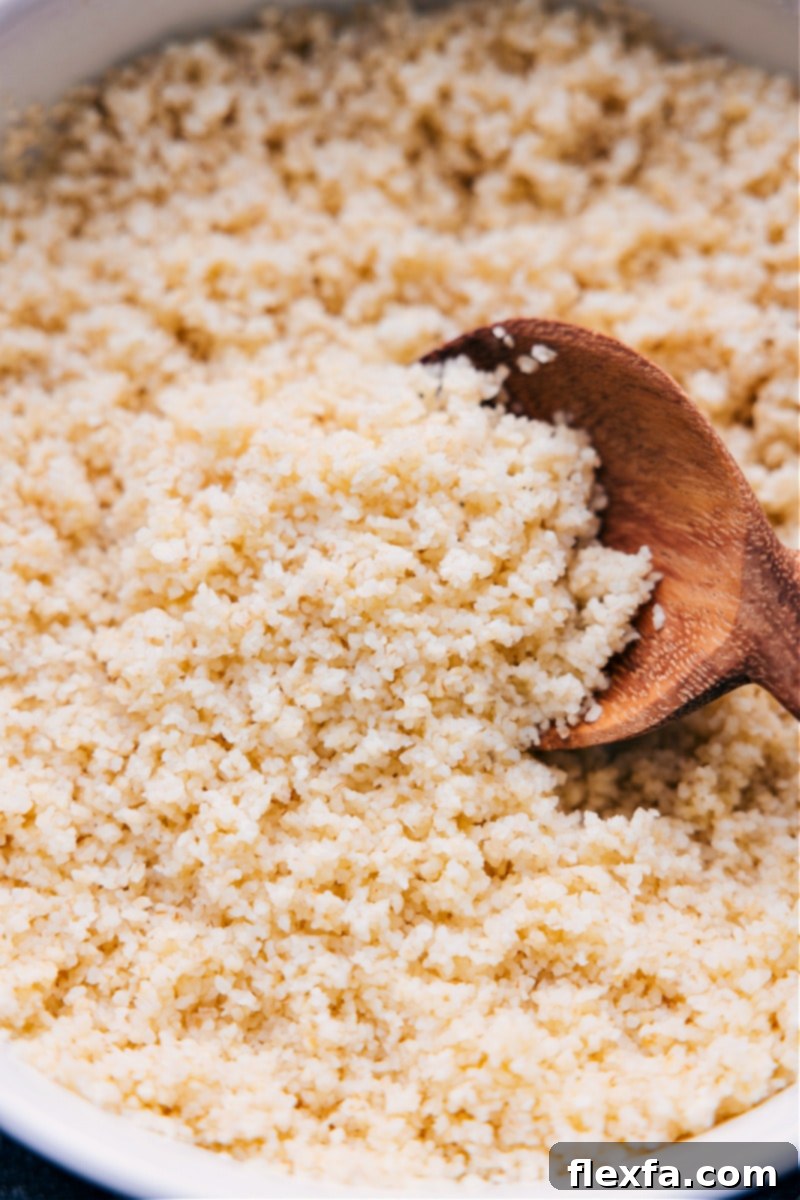
Frequently Asked Questions: How To Cook Bulgur Wheat
Where can I find bulgur wheat in the grocery store?
Bulgur wheat is usually found in the health food aisle, the international foods section (especially Middle Eastern or Mediterranean), or near other whole grains like quinoa and couscous. Some stores also carry it in the bulk foods section. If you have trouble locating it, look for “cracked wheat.” You can also conveniently order it online for a wider selection of brands and types.
Do I need to soak bulgur before cooking?
For fine bulgur, no. The method described in this recipe involves simply pouring boiling water over the grains and allowing them to rehydrate and soften, effectively eliminating the need for pre-soaking. For coarser bulgur types, traditional recipes might call for a brief soak or simmering, but for this quick method, it’s unnecessary.
Is bulgur wheat gluten-free?
No, bulgur wheat is derived from wheat, so it contains gluten. Individuals with celiac disease or gluten sensitivity should avoid bulgur and opt for naturally gluten-free grains like quinoa, rice, or millet.
What is the ideal bulgur to water ratio?
For fine bulgur, a common ratio is 1 part bulgur to 1.5 parts boiling water (or broth). This recipe uses 3/4 cup bulgur to 1 1/4 cups water, which is approximately a 1:1.67 ratio, ensuring perfectly fluffy grains. For coarser bulgur, you might need a slightly higher water ratio or a simmering method.
Can I cook bulgur in a rice cooker?
Yes, you can cook bulgur in a rice cooker! Use the same bulgur-to-water ratio as on the stovetop (or as recommended for your specific bulgur type). Simply combine the bulgur, boiling water, and salt in the rice cooker pot, then close the lid and set it to cook. It will typically take the same amount of time as the resting method in this recipe.
How long does uncooked bulgur last?
Uncooked bulgur wheat has an impressive shelf life. When stored in an airtight container in a cool, dry, dark place, it can last for up to 1-2 years. For maximum freshness and to prevent spoilage, you can also store it in the refrigerator or freezer.
Delicious Recipes Featuring Bulgur Wheat
Looking for more ways to incorporate this fantastic grain into your diet? Try substituting bulgur in these beloved recipes to add a nutty flavor and nutritional boost:
- For a delightful twist, replace the rice with bulgur in our Rice and Beans recipe.
- Elevate our Caprese Quinoa Salad by using bulgur instead of quinoa for a different texture.
- Serve our mouthwatering Honey-Garlic Chicken Thighs over a bed of fluffy bulgur instead of rice.
- Pair our savory Cashew Chicken with bulgur for a wholesome and satisfying meal.
- Enjoy our Quick Vegan Curry served over nutritious bulgur.
Print Recipe
How To Cook Bulgur Wheat
Chelsea Lords
5 minutes
15 minutes
20 minutes
2-1/2 cups (6 servings)
Video
(Video coming soon!)
Equipment
-
Small pot
-
Wide, shallow bowl
-
Plastic wrap or tight-fitting lid
Ingredients
- 3/4 cup fine bulgur wheat (see note 1 below for important details on bulgur type)
- 1-1/4 cups boiling water
- 3/4 teaspoon salt
Instructions
-
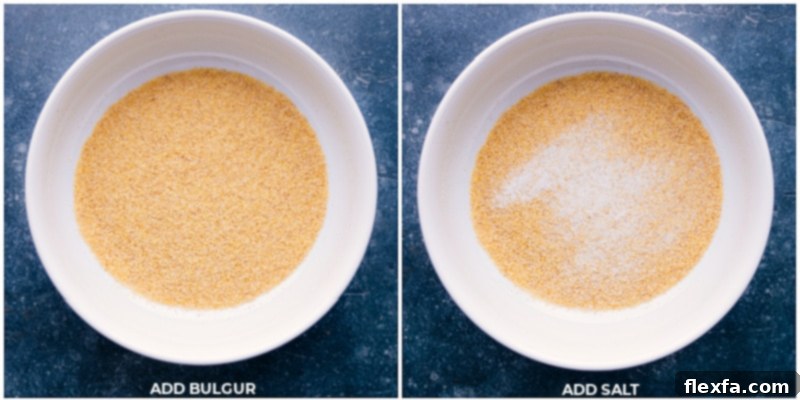
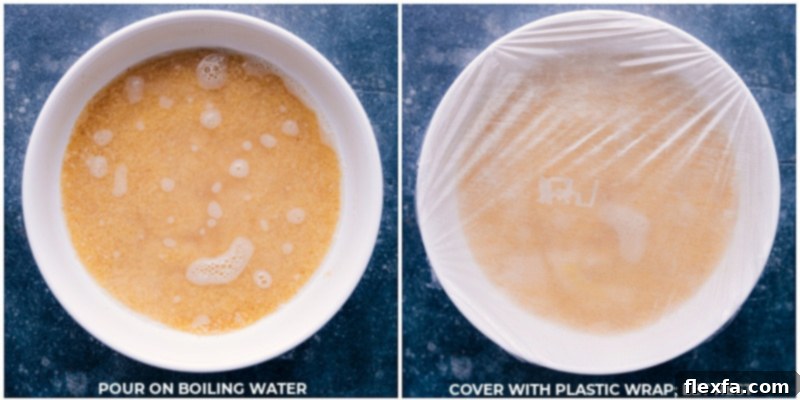
In a small pot, bring the measured water (1-1/4 cups) to a rolling boil. While the water is heating, add the fine bulgur to a wide, shallow bowl. Sprinkle the salt evenly over the bulgur. Once the water is boiling, carefully pour it over the bulgur and salt. Stir gently to combine, then immediately cover the bowl tightly with plastic wrap or a snug-fitting lid.
-
Allow the bulgur to sit undisturbed at room temperature for 15 to 25 minutes. The exact time may vary slightly depending on the specific bulgur and bowl, but it should be ready once all the boiling water has been completely absorbed into the grains. Remove the plastic wrap or lid and gently fluff the bulgur with a fork. It should be light, separated, and perfectly tender. Serve immediately as a delicious side dish, incorporate it into a salad, use it as a base for a grain bowl, or add it to a breakfast bowl.
Recipe Notes
Storage & Reheating: Store any leftover cooked bulgur wheat in an airtight container in the refrigerator for up to 5 days. To reheat, transfer it to a microwave-safe dish and heat in 30-second increments, stirring between each, until it’s heated through. If it seems dry, a small splash of water or broth will help restore its moistness and texture.
Nutrition Information
Per Serving (approx. 1/2 cup cooked bulgur):
- Calories: 180kcal
- Carbohydrates: 40g
- Protein: 6g
- Fat: 1g
- Saturated Fat: 0.1g
- Polyunsaturated Fat: 0.3g
- Monounsaturated Fat: 0.1g
- Sodium: 881mg
- Potassium: 215mg
- Fiber: 10g
- Sugar: 0.2g
- Vitamin A: 5IU
- Calcium: 19mg
- Iron: 1mg
Nutrition information is automatically calculated and should be used as an approximation. Actual values may vary based on specific ingredients and preparation methods.
Love this recipe? Leave a comment below and share your experience!