
Air fryers have taken the culinary world by storm, becoming an indispensable kitchen appliance for many. Their undeniable appeal lies in the promise of delicious, crispy foods cooked with significantly less oil, all in a fraction of the time compared to traditional methods. This sounds like a dream come true for anyone seeking healthier eating habits without sacrificing flavor or texture. We absolutely adore our air fryer and are thrilled to share comprehensive insights to help you decide if this innovative gadget deserves a spot on your countertop. Whether you’re considering purchasing one or already own an air fryer and are looking for fresh ideas, this **Ultimate Air Fryer Guide** is packed with essential tips, tricks, and mouth-watering recipes to elevate your cooking experience!
The Ultimate Air Fryer Guide: Unleash Your Kitchen’s Potential
Understanding the Magic: How Air Fryers Work
At its core, an air fryer is a miniature convection oven, ingeniously designed to circulate superheated air rapidly around your food. This unique cooking mechanism sets it apart from conventional ovens and stovetops, which primarily rely on a fixed heating element. While a traditional oven provides heat from one or more elements, the air fryer adds a powerful fan to the equation, distributing that heat much more efficiently and evenly.
This swift, swirling hot air creates a “frying” effect, crisping the exterior of your food in a way that mimics deep-frying, but with dramatically less oil. Imagine biting into perfectly golden-brown french fries or crispy chicken wings, knowing they were cooked using only a tablespoon of oil – or even none at all! This not only makes your meals significantly healthier by cutting down on fat content but also reduces the greasy mess and unpleasant odors often associated with traditional frying.
Because of this intense air circulation, you’ll find that only a minimal amount of oil is needed. Often, a light spritz or a gentle brush of oil is sufficient to achieve that coveted crispy texture. We highly recommend using an olive oil spritzer, which allows for precise application without oversaturating your food. A crucial tip: avoid aerosol cooking sprays directly on your air fryer’s non-stick basket. The propellants and harsh ingredients in these sprays can degrade the non-stick coating over time, causing damage. Opt for a non-aerosol, pump-style oil mister instead to preserve your appliance’s lifespan.
Choosing Your Ideal Air Fryer: Size and Style Matters
When it comes to selecting an air fryer, the adage “bigger is better” often holds true. Most air fryer recipes yield the best results when food is arranged in a single layer, allowing the hot air to circulate uniformly around each piece. A larger cooking surface means you can cook more food at once, ensuring everything crisps up beautifully without overcrowding. Even if you’re typically cooking for one or two people, a generously sized air fryer can significantly improve your cooking efficiency and the quality of your meals. For instance, you’ll appreciate being able to fit full slices of bread for delightful air fryer grilled cheese sandwiches or prepare a complete meal in fewer batches.
Air fryers come in various designs, primarily categorized into two main styles:
- Basket-Style Air Fryers: These are the most common, featuring a pull-out drawer or basket where food is placed. They are typically compact and excellent for single-layer cooking of smaller items like fries, chicken nuggets, and vegetables. Their design promotes excellent air circulation for optimal crisping.
- Oven-Style Air Fryers (Air Fryer Toaster Ovens): These models resemble compact toaster ovens and often include multiple racks or shelves. They offer greater capacity and versatility, allowing you to cook larger items like whole chickens, pizzas, or multiple batches of food simultaneously. They are also ideal for baking and roasting, functioning much like a mini convection oven.
While both styles utilize the same air frying technology, your choice should depend on your cooking habits and household size. If you plan to prepare larger cuts of meat, bake cakes, or cook for a bigger family, an oven-style air fryer with shelves might be more practical. However, for quick snacks and smaller meals, a basket-style unit is often more convenient and takes up less counter space. Consider features like wattage for faster cooking, digital versus analog controls for ease of use, and dishwasher-safe components for effortless cleanup.
Mastering Your Air Fryer: Tips for Culinary Success
Many new air fryer owners feel a slight intimidation when first operating their appliance. This **Air Fryer Guide** aims to dispel those fears! Air fryers might be new and different from what you’re used to, but they are remarkably user-friendly and incredibly safe. With no vat of boiling oil to manage or dispose of, the risk of splatters and burns is drastically reduced, making them an excellent tool for novice cooks and seasoned chefs alike. Just follow the instructions, and you’ll be fine!
Getting Started with Your Air Fryer
Before your first use, it’s a good practice to clean the basket and drawer with warm, soapy water. Some manufacturers recommend running the air fryer empty for about 10-15 minutes on a high setting to burn off any manufacturing odors. Always consult your specific model’s manual for detailed instructions.
Adjusting Temperature and Time for Optimal Results
Due to the powerful circulating air, food cooks faster and often requires a slightly lower temperature in an air fryer compared to a conventional oven. A general rule of thumb when adapting standard recipes is to reduce both the cook time and temperature by about 25%. For example, if a recipe calls for baking at 400°F (200°C) for 20 minutes, try 300°F (150°C) for 15 minutes in your air fryer, and adjust as needed.
Don’t worry about memorizing all the conversions; there are countless air fryer cheat sheets available online and often included in your appliance’s manual. These handy charts provide recommended temperatures and times for various foods, taking the guesswork out of air frying. While air frying is faster than traditional baking or skillet cooking, remember it’s still slower than deep frying, but the health benefits and ease of cleanup are well worth the slight time difference.
The Importance of Shaking, Flipping, and Rotating
For truly even cooking and uniform crispiness, it’s often necessary to shake the basket, flip the food, or rotate the trays halfway through the cooking process. This ensures that all surfaces are exposed to the hot circulating air, preventing one side from becoming overly crisp while the other remains soft. Think of it like stirring ingredients in a pan or turning food on a grill – it’s crucial for consistent results.
To Preheat or Not to Preheat?
While not always mandatory (and many recipes don’t require it), preheating your air fryer for 3-5 minutes can significantly improve cooking speed and ensure a crispier exterior, especially for items like frozen foods or baked goods. If you’re cooking in batches, the first batch will naturally take longer since the fryer is starting cold, making preheating a beneficial step. Always check your recipe instructions for guidance on preheating.
Preventing Overcrowding and Sticking
Resist the urge to overload your air fryer basket. Overcrowding inhibits proper air circulation, leading to uneven cooking and less crispy results. For best performance, cook in single layers or small batches. Additionally, to prevent food from sticking to the basket and for easier cleanup, you can line the bottom with parchment paper specifically designed for air fryers (ensure it doesn’t block air flow too much) or simply ensure a light coating of oil on the food.
Handling Lightweight Foods
The powerful fan in an air fryer can sometimes cause lightweight items, such as the top slice of bread on a sandwich or delicate herbs, to blow around. A simple trick is to secure them with a toothpick for the first few minutes of cooking until they firm up or become weighted by other ingredients.
Beyond the Basics: What Can You Cook in an Air Fryer?
The versatility of an air fryer is truly astounding. Essentially, anything you would typically bake, fry, roast, or grill can often be successfully cooked in an air fryer, provided it fits. This includes a vast array of foods, from meats and vegetables to eggs, bread, and even desserts!
- Crispy Vegetables: Broccoli, cauliflower, Brussels sprouts, potatoes, and bell peppers transform into deliciously tender-crisp sides with minimal oil.
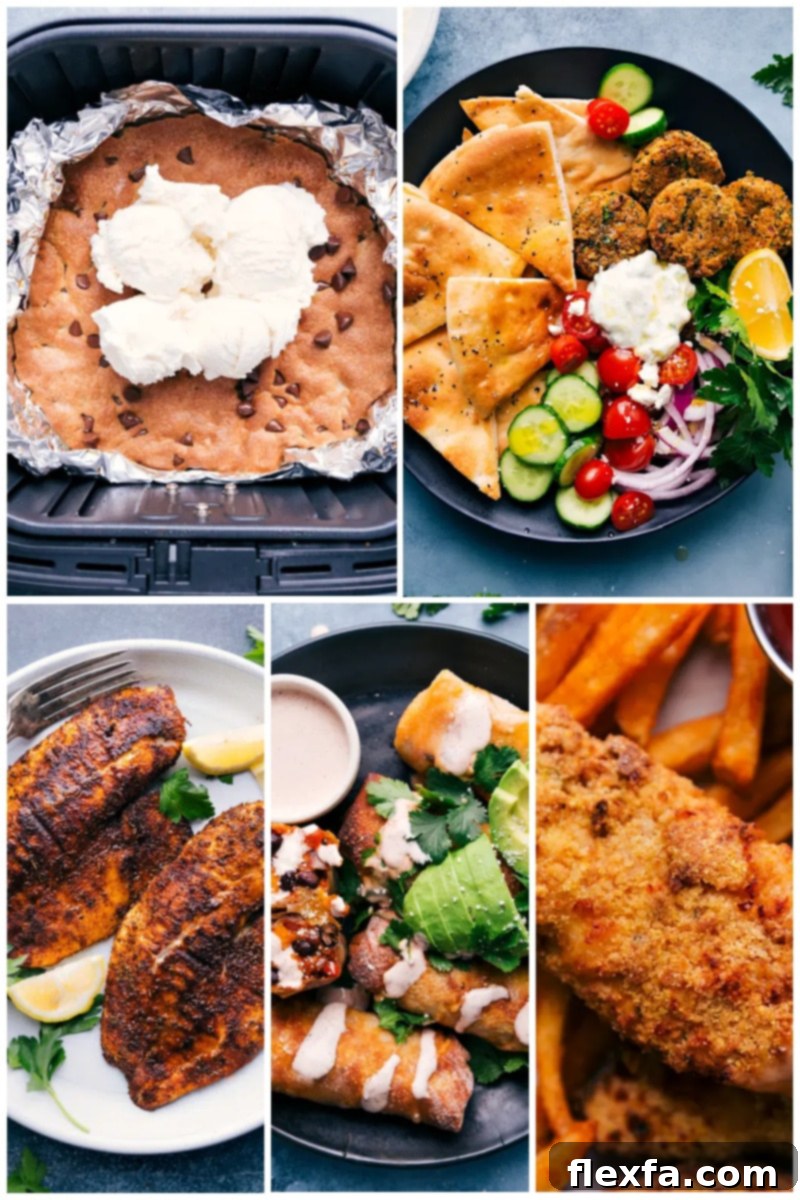
- Perfect Proteins: Achieve beautifully browned and juicy results with Air Fryer Chicken Tenders, wings, salmon fillets, pork chops, and even steak.
- Frozen Favorites: From French fries and onion rings to fish sticks and chicken nuggets, frozen convenience foods cook up incredibly well, often surpassing oven-baked results in crispiness.
- Creative Snacks: Whip up healthy snacks like Air Fryer Black Bean Egg Rolls, roasted chickpeas, or even homemade potato chips.
- Baked Goods and Desserts: Yes, you can bake in an air fryer! Think small cakes, muffins, cookies, and even an air fryer dutch baby, as long as your bakeware fits the basket.
Air fryers excel at making healthier versions of many beloved foods. The ability to achieve a satisfying crisp without excessive oil is where these appliances truly shine. While they are fantastic for elevating frozen snacks, don’t underestimate their power for creating delicious, from-scratch meals. You can even try making popcorn in your air fryer, just be sure to use a heat-safe liner like foil to prevent kernels from falling through the grates.
Air Fryer Benefits and Considerations
Advantages of Air Frying
- Healthier Cooking: Significantly reduces the amount of oil needed, leading to lower fat and calorie meals.
- Speed and Efficiency: Cooks food faster than conventional ovens due to concentrated heat and powerful air circulation.
- Crispy Perfection: Delivers exceptionally crispy exteriors on foods, similar to deep-frying, without the grease.
- Less Mess and Odor: Contains splatters and minimizes cooking odors, making cleanup much easier.
- Versatility: Can bake, roast, grill, and “fry” a wide variety of foods, offering a multi-functional cooking solution.
- Safety: No hot oil to manage, reducing the risk of burns and making it safer for families.
Considerations Before You Buy
- Counter Space: Air fryers, especially larger models, can take up a considerable amount of valuable kitchen counter space.
- Batch Cooking: Even with a large capacity, you might find yourself cooking in batches for bigger families or larger meals, which can be time-consuming.
- Not a True Deep Fryer: While excellent for crisping, an air fryer won’t completely replicate the distinct texture and flavor profile of truly deep-fried foods.
- Noise: The powerful fan can sometimes make air fryers a bit noisy during operation.
Despite these minor drawbacks, the benefits of an air fryer far outweigh the disadvantages for most home cooks. They offer a fantastic way to enjoy your favorite crispy foods faster, healthier, and with considerably less mess and risk of hot oil burns. In our opinion, that’s a monumental win for any kitchen!
Air Fryer Guide FAQs
Air fryers utilize a powerful heating element and a high-speed fan to circulate superheated air rapidly around the food. This convection cooking method efficiently cooks food from all sides, creating a crispy outer layer similar to deep frying, but with significantly less oil.
The healthfulness of air frying largely depends on what you’re cooking. However, air frying inherently uses much less fat and oil compared to traditional deep frying or pan frying. This reduction in oil intake makes air-fried foods a healthier choice for most people looking to manage their fat consumption without compromising on taste and texture.
Generally, air fryers are considered very safe. They typically feature an auto-shutoff mechanism for safety, and while the exterior may get warm during operation, it’s usually not hot enough to cause burns. The absence of a large vat of hot, splattering grease also significantly reduces the risk of accidents compared to deep frying. Always follow the manufacturer’s cleaning recommendations, usually involving warm soapy water for the basket and tray, to ensure safe and hygienic use.
They are very similar in principle, but there are distinct differences. Both use convection technology to circulate hot air. However, air fryers are typically smaller, have a more concentrated heating element (often above the food), and feature a much higher fan speed. This results in faster cooking and a more intense crisping effect than a standard convection oven, making them ideal for achieving that “fried” texture. Air fryers are also optimized for single-layer cooking.
Air fryers are incredibly versatile. You can cook almost anything that typically requires baking, frying, roasting, or grilling. This includes a wide range of meats (chicken, fish, pork), vegetables (potatoes, broccoli, Brussels sprouts), eggs, various frozen convenience foods (fries, nuggets), and even baked goods and desserts like this air fryer dutch baby. Just ensure the food or bakeware fits comfortably within the air fryer’s cooking area. While excellent for frozen items, they also shine when creating delicious meals from scratch.
You can even prepare popcorn, provided you use a barrier (like a sheet of foil or a heat-safe bowl) to prevent unpopped kernels from falling through the basket’s grates.
Preheating isn’t always essential and depends on the specific recipe. However, preheating for a few minutes ensures the air fryer is at the optimal temperature when you introduce the food, which can lead to faster cooking times and a crispier finish. For dishes where a super-crisp exterior is desired, preheating is often recommended. Always consult your recipe’s instructions until you become familiar with your air fryer’s performance.
Shaking the basket, or flipping food, is crucial for even heat distribution and consistent crisping. It ensures that all surfaces of the food are exposed to the circulating hot air, preventing some parts from getting overly done while others remain undercooked. It’s a key technique to achieve uniformly delicious results, much like stirring ingredients in a pan.
While air fryers use significantly less oil than traditional frying, adding a very thin coating of oil (unless the food is already oily) is often recommended. This helps enhance the crispiness and flavor development. However, it’s vital to avoid aerosol cooking sprays directly on the non-stick coating of your air fryer basket. The chemicals in these sprays can damage the coating over time. Instead, use a non-aerosol pump-style oil mister or lightly brush your food with a small amount of oil.
Yes, there are a few limitations. While frozen battered foods typically work well, fresh, wet batters are generally not suitable. The powerful circulating air can blow the wet batter off the food before it has a chance to set and crisp. For example, if you’re preparing fried shrimp, using pre-packaged, frozen battered shrimp is preferable to dipping fresh shrimp in your own liquid batter. Additionally, very lightweight items that aren’t weighted down or secured might blow around.
Delicious Air Fryer Recipes to Try Today
Ready to put your air fryer to the test? Here are some fantastic recipes to get you started on your air frying journey:
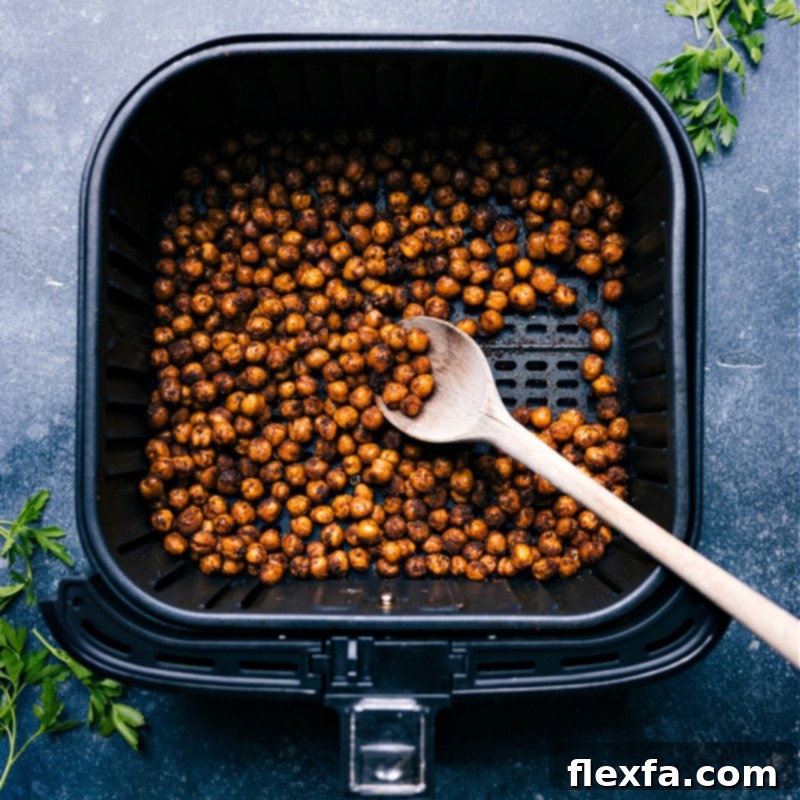
- Air Fryer Chickpeas — a deliciously crispy snack or a perfect salad topper!
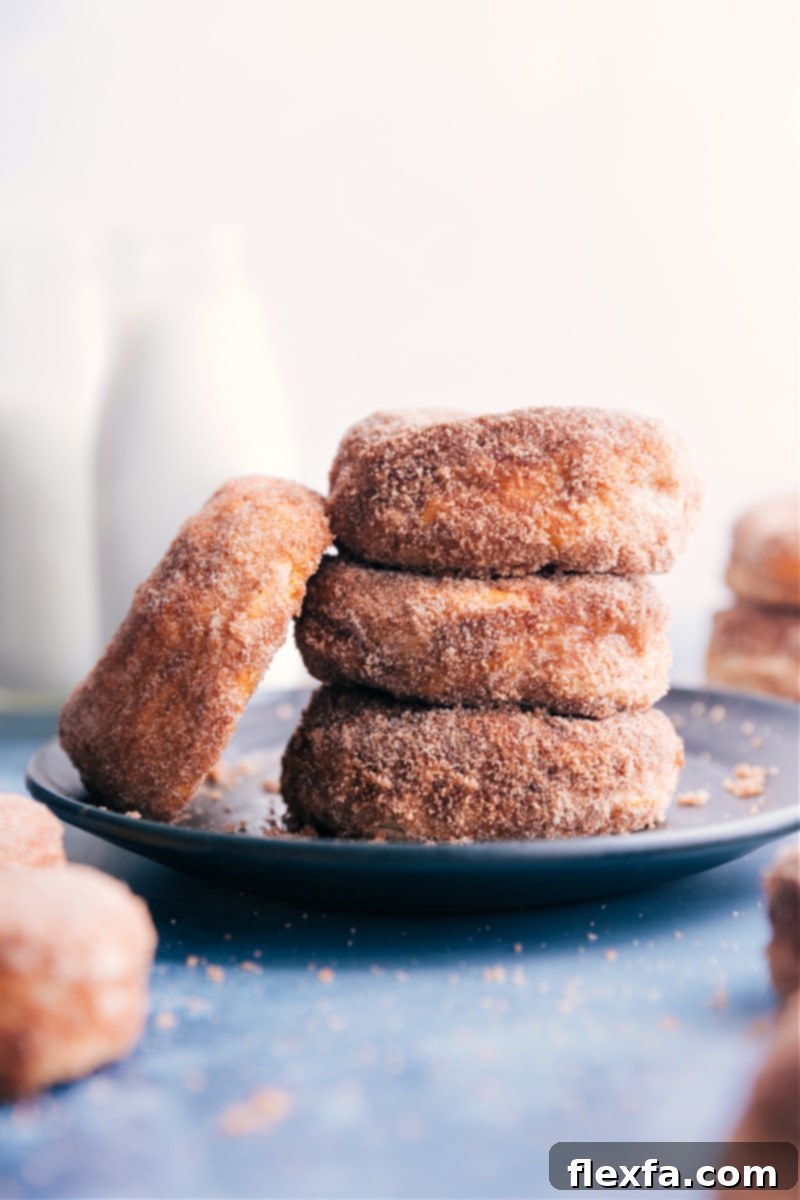
- Air Fryer Donuts — light and airy, coated in sweet cinnamon sugar.
- Discover two incredible ways to season and cook succulent Air Fryer Tilapia.
- Air Fryer Falafel — our go-to for a healthy and satisfying vegetarian lunch.
- Air Fryer Pizookie — a gooey, warm chocolate cookie baked perfectly in a pan for an irresistible dessert.