
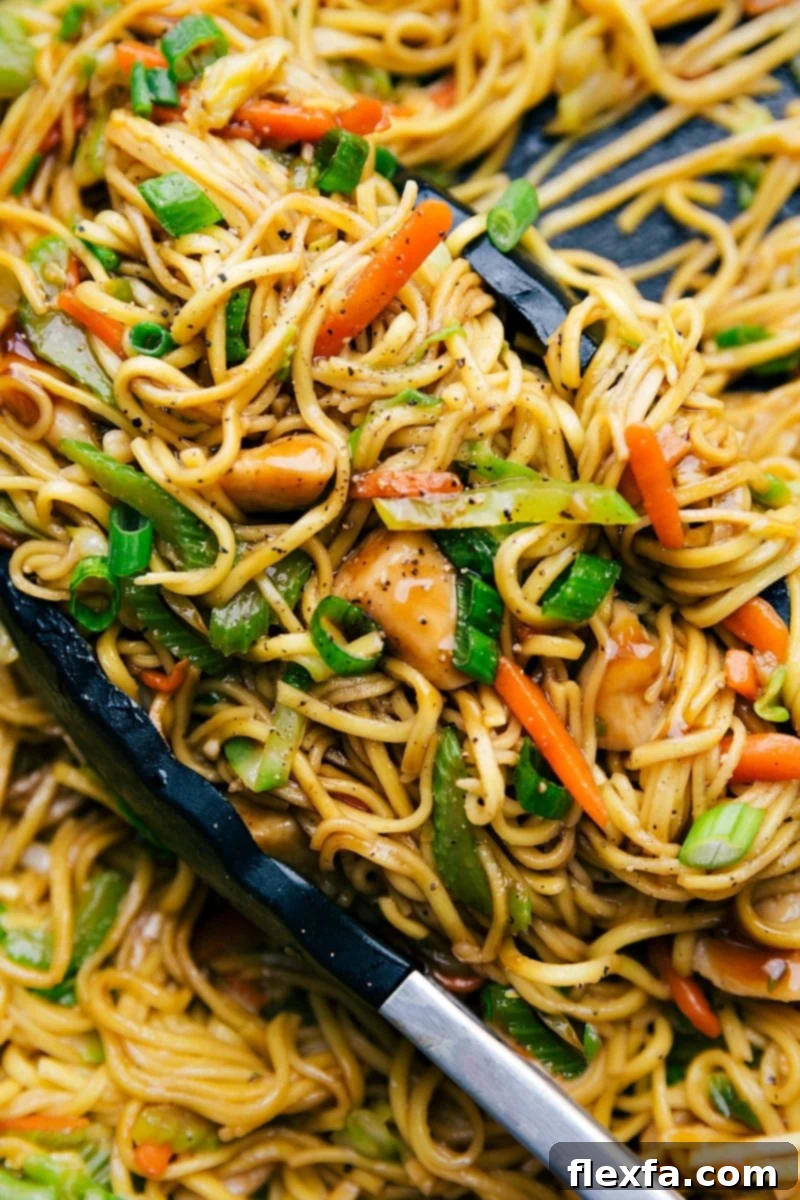
Easy 30-Minute Chicken Chow Mein: Your New Favorite Weeknight Meal
Craving the classic flavors of your favorite Chinese takeout but want a healthier, quicker, and undeniably fresher option? Look no further! This incredible Chicken Chow Mein Recipe delivers everything you love about the popular dish—tender chicken, an abundance of crisp, vibrant veggies, and irresistible savory noodles coated in a rich, delicious sauce—all ready in just 30 minutes. Forget the long drives and questionable ingredients; homemade chow mein is here to revolutionize your dinner routine, proving that restaurant-quality flavor is easily achievable right in your own kitchen.
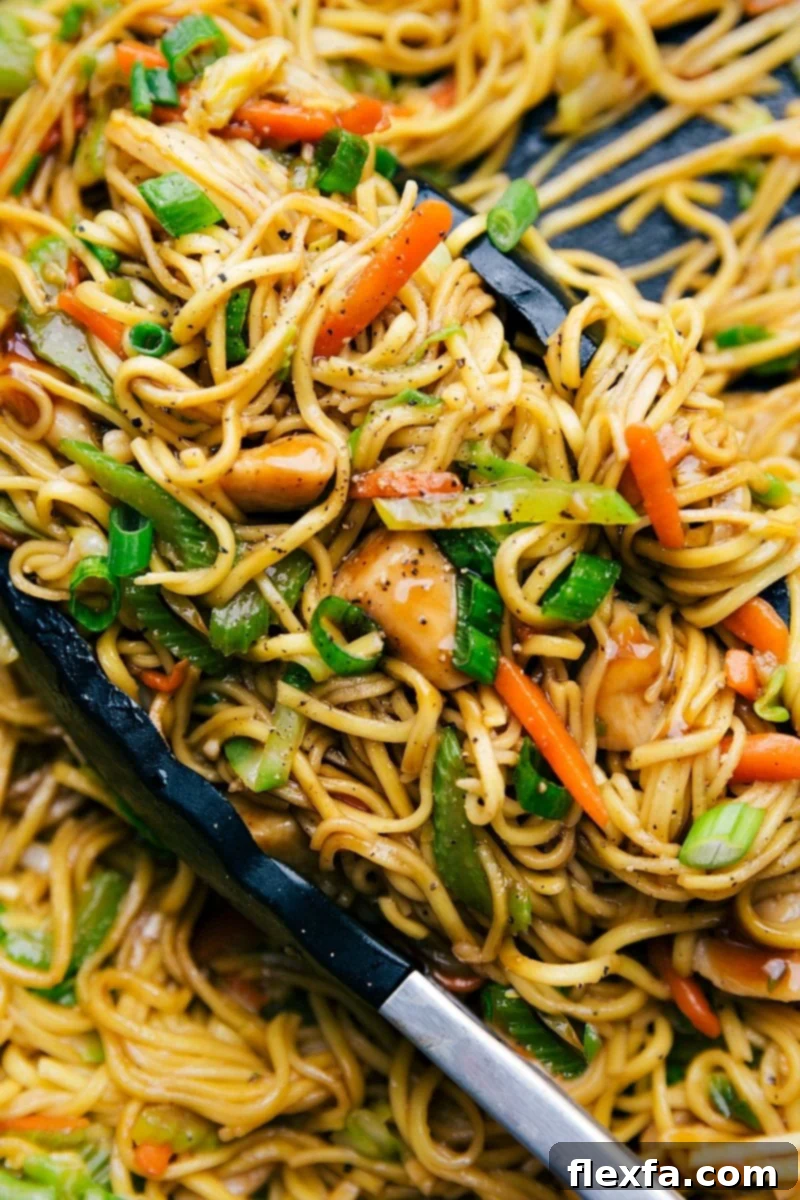

Author’s Note
Why You’ll Say Goodbye to Takeout Lines!
My kids are absolutely obsessed with Panda Express. If they had it their way, we would be there every single week. While I totally understand the appeal of a quick, satisfying meal for them, I often found myself feeling less than great after eating out. That feeling, combined with the desire to provide wholesome, delicious meals, sparked a culinary challenge in my kitchen.
After successfully mastering a homemade version of their beloved Orange Chicken that even surpassed the original in their eyes, I knew my next mission: to create a fun, flavorful Chicken Chow Mein recipe that could genuinely compete with their Panda Express go-to. It wasn’t just about recreating the dish; it was about elevating it with fresh ingredients and a homemade touch.
So, I dedicated myself to countless hours of testing, tweaking, and tasting. My goal was to find that perfect balance: incredibly tender noodles, succulent chicken, and crisp-tender vegetables, all brought together by a rich, savory sauce. The moment they took their first bite of this homemade chow mein, their reactions were priceless. They didn’t just like it; they absolutely *loved* it, declaring it even better than Panda’s! That’s when I knew this recipe was a keeper, destined to become a staple in our family’s meal rotation and, hopefully, in yours too. It’s a dish that proves homemade truly is best, offering comfort, flavor, and a healthier alternative to typical takeout.
Why This Chicken Chow Mein Recipe Shines
There are countless reasons to adore this homemade Chicken Chow Mein, but here are a few highlights that make it stand out:
- Unbeatable Flavor: The savory sauce perfectly coats every noodle, chicken piece, and vegetable, creating a harmonious blend of sweet and umami flavors that truly tantalizes the taste buds.
- Lightning Fast: From start to finish, this dish comes together in just 30 minutes. It’s faster than ordering takeout and waiting for delivery, making it the ultimate solution for busy weeknights.
- Healthier Alternative: By making it at home, you control the ingredients. You can opt for reduced-sodium soy sauce, fresh vegetables, and lean protein, all contributing to a more wholesome meal without sacrificing taste.
- Customizable: Easily adapt this recipe to your family’s preferences. Swap out vegetables, adjust the spice level, or even change the protein to create a dish that’s uniquely yours.
- Family Favorite: This recipe has been taste-tested and approved by even the pickiest eaters. Its familiar yet elevated flavors make it a guaranteed hit at any dinner table.
Essential Chicken Chow Mein Ingredients
The beauty of this Chow Mein lies in its simple yet impactful ingredients. Each component plays a crucial role in building the layers of flavor and texture that make this dish so irresistible. Here’s a detailed look at what you’ll need and why:
For the Tender Chicken:
- Chicken (Boneless, Skinless Breasts or Thighs): Chicken breasts offer a leaner option, while thighs provide more flavor and moisture. Cut them into small, bite-sized pieces for quick cooking and easy eating.
- Baking Soda: This is a secret weapon for achieving incredibly tender, velvety chicken, a technique often used in Chinese cooking known as “velveting.” It slightly raises the pH of the chicken, preventing it from seizing up and drying out during high-heat stir-frying. Don’t worry, you rinse it off!
For the Noodles:
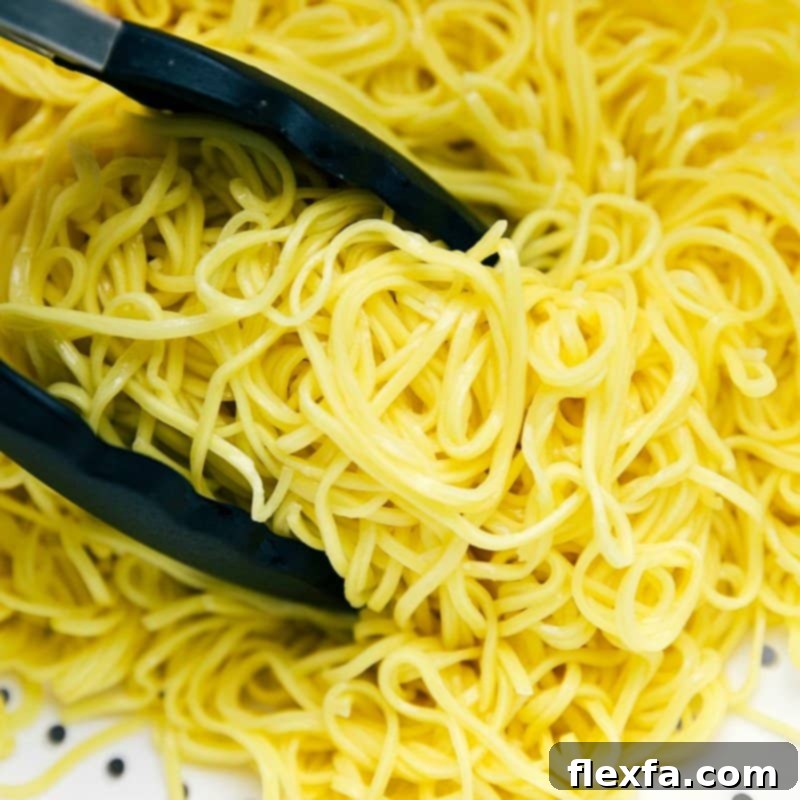
- Chow Mein Noodles: Fresh chow mein noodles are ideal for their chewy texture and ability to absorb sauce. Look for them in the refrigerated section of Asian grocery stores. If fresh aren’t available, dried ramen noodles (without the seasoning packet), thin spaghetti, or even gluten-free rice noodles (rinsed well) make excellent substitutes.
For the Dynamic Sauce:
- Cornstarch: Acts as a thickening agent, giving the sauce that desirable glossy, clingy texture.
- Reduced-Sodium Soy Sauce: The foundation of the savory flavor. Reduced-sodium varieties allow you to control the saltiness better.
- Oyster Sauce: A cornerstone of Chinese cuisine, oyster sauce provides a deep, umami-rich, slightly sweet, and savory depth. It’s truly irreplaceable for authentic flavor.
- Chicken Stock or Broth: Thins the sauce to the perfect consistency while adding another layer of chicken flavor.
- Light Brown Sugar: Balances the savory notes with a hint of sweetness, contributing to the caramelized flavor of the sauce.
- Toasted Sesame Oil: Added at the end, this provides a wonderful nutty aroma and deep flavor that is characteristic of Asian stir-fries.
- Pepper: Freshly ground black pepper adds a subtle kick and enhances the overall taste.
For the Crisp Vegetables:
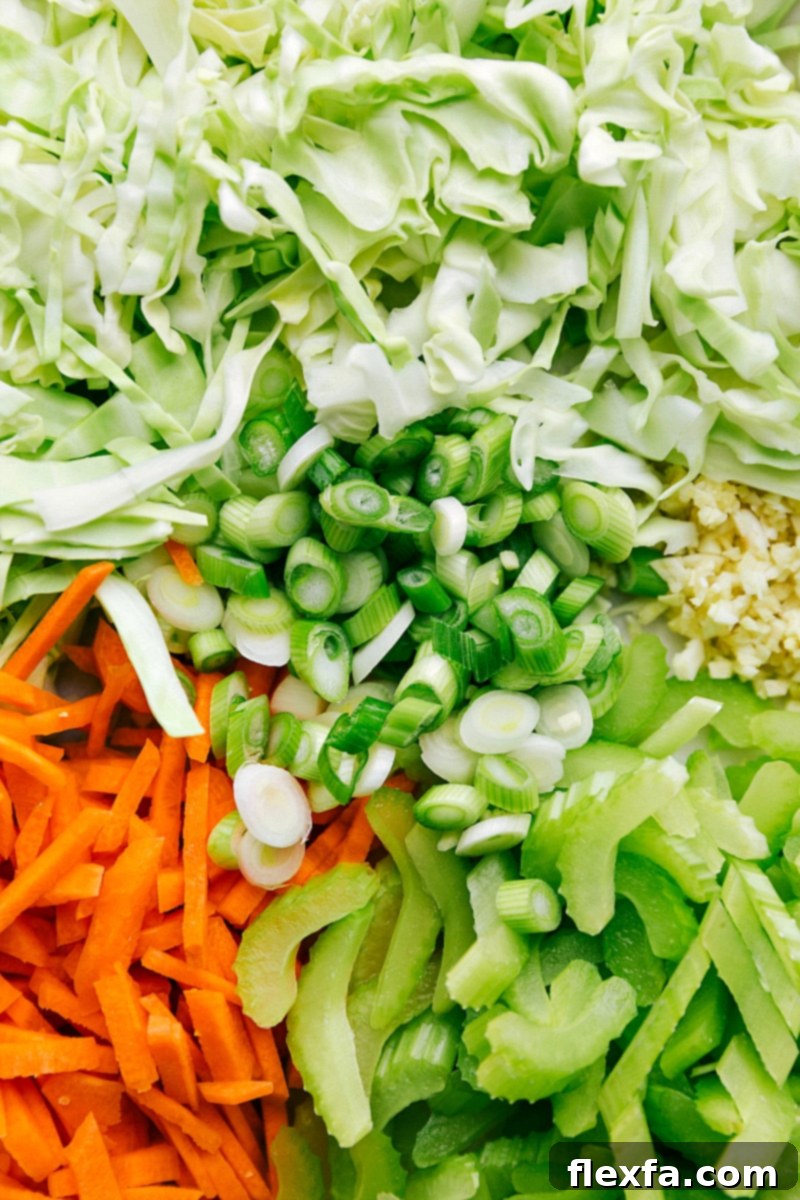
- Green Cabbage: Shredded cabbage adds bulk, a subtle sweetness, and a fantastic crunch that holds up well during stir-frying.
- Fresh Ginger & Garlic: The aromatic backbone of almost any good stir-fry. Freshly minced ginger and garlic provide pungent, warming flavors.
- Julienned Carrots: Add natural sweetness, color, and a pleasant crunch.
- Thinly Sliced Celery: Contributes an often-overlooked savory crunch and freshness.
- Green Onions: Used in two parts – the white roots are stir-fried for initial flavor, and the green tops are added at the end for fresh, pungent garnish and color.
For Cooking:
- Vegetable Oil: A neutral oil with a high smoke point is essential for stir-frying at high heat.
| Ingredient | Quick Swap / Tip |
|---|---|
| Chicken (tossed with baking soda) | Short on time? Skip the baking soda soak; simply cook chicken pieces a little less to keep them tender. |
| Chow Mein Noodles | Fresh yakisoba, dried ramen, or even thin spaghetti work well. For gluten-free options, use rice noodles and rinse thoroughly after cooking. |
| Oyster Sauce | No oyster sauce? Mix 1 tablespoon hoisin sauce with 1 teaspoon soy sauce for a fast and flavorful stand-in. |
| Soy Sauce | Coconut aminos can be used for a lower-sodium, gluten-free alternative; add a pinch of salt if needed to boost flavor. |
| Brown Sugar | Honey or maple syrup can be used in the same amount for a natural sweetener. |
| Cornstarch | Arrowroot powder or potato starch will thicken your sauce just as effectively. |
| Cabbage | A bag of pre-shredded coleslaw mix is a fantastic time-saver, eliminating the need for slicing. |
| Fresh Ginger & Garlic | When fresh isn’t handy, use 1 teaspoon of jarred minced ginger paste and 1 teaspoon of jarred minced garlic paste. |
How To Make Chicken Chow Mein: Step-by-Step Guide
Creating this delicious Chicken Chow Mein at home is surprisingly simple, especially when you follow these clear, easy-to-understand steps. The key to a successful stir-fry is proper preparation (mise en place), as the cooking itself happens very quickly!
Summary of Steps:
- Chicken Prep: Cut chicken, toss with baking soda, refrigerate 15 mins, rinse, pat dry. This tenderizes the chicken beautifully.
- Veggie Prep: Shred cabbage, julienne carrots, slice celery and green onions, mince ginger and garlic. Having these ready is crucial for a fast stir-fry.
- Sauce: Whisk cornstarch, soy sauce, oyster sauce, chicken stock, brown sugar, sesame oil, and pepper until smooth.
- Noodles: Cook according to package directions, rinse in cold water, and set aside to prevent sticking.
- Cooking: Sauté onion whites, garlic, and ginger briefly. Add chicken and cook until lightly browned. Incorporate remaining veggies and stir-fry until crisp-tender.
- Final Step: Add cooked noodles and the prepared sauce, tossing vigorously until everything is evenly coated and heated through. Finish with green onion tops.
Detailed Instructions for the Perfect Stir-Fry:
- Prepare the Chicken for Ultimate Tenderness: Begin by cutting your boneless, skinless chicken (breasts or thighs) into small, uniform bite-sized pieces. Place these in a small bowl, then sprinkle and toss thoroughly with baking soda. Cover the bowl and refrigerate for exactly 15 minutes. This “velveting” technique is a game-changer for super tender, juicy chicken. After 15 minutes, transfer the chicken to a fine mesh sieve and rinse it meticulously under cold water to remove all traces of baking soda. Pat the chicken pieces very dry with paper towels. While optional, this step is highly recommended for an authentic texture. If skipping, simply chop your chicken and ensure it’s dry.
- Master Your Mise en Place (Preparation is Key!): Stir-frying is a rapid cooking method, so having all your ingredients prepped and within arm’s reach before you even turn on the stove is non-negotiable.
- Finely shred the green cabbage.
- Coarsely mince the fresh ginger and garlic.
- For the carrots, peel them first, then julienne them into very small, thin matchstick-like pieces. A good method is to cut them into thin rounds, then stack and slice into matchsticks.
- Very thinly slice the celery.
- Slice the green onions, separating the white root ends from the green tops. You should aim for about 1/4 cup of the thinly sliced white roots. Reserve the vibrant green tops to add at the very end.
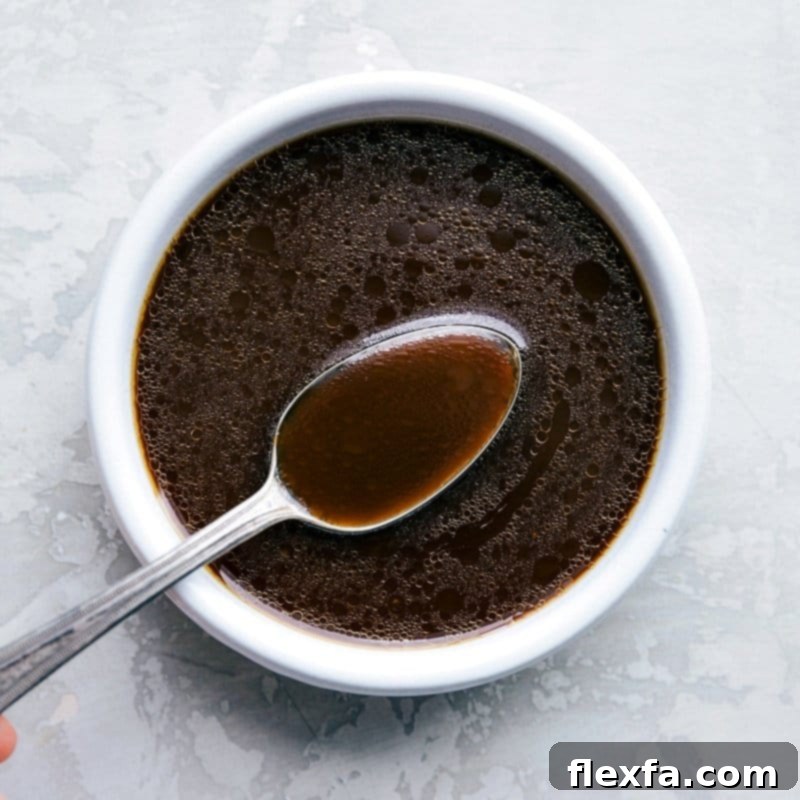
- Whisk Together the Flavorful Sauce: In a separate small bowl, combine the cornstarch and reduced-sodium soy sauce. Whisk with a fork until the mixture is completely smooth and no lumps of cornstarch remain. Then, stir in the oyster sauce, chicken stock (or broth), light brown sugar, toasted sesame oil, and a generous pinch of pepper. Whisk everything again until the sauce is uniform and smooth. Set this aside; it will be added at the final stage of cooking.
- Cook the Chow Mein Noodles: Prepare your chow mein noodles according to the specific package directions. Different brands or types (fresh vs. dried) may have slightly different cooking times. Once cooked al dente, drain the noodles thoroughly and rinse them under cold water. This rinsing step is important to remove excess starch and prevent the noodles from sticking together. Set them aside while you prepare the rest of the dish.
- The High-Heat Stir-Fry Begins: Heat the vegetable oil in a large skillet or wok over high heat. High heat is essential for achieving that characteristic “wok hei” flavor and crisp-tender vegetables. Once the oil is shimmering and hot, add the thinly sliced white roots of the green onions. Stir-fry for about 1-2 minutes until they become fragrant. Immediately add the minced garlic and ginger, stir-frying for only about 20 seconds. Be very careful not to let them burn, as burnt garlic and ginger can turn bitter quickly.
- Cook the Chicken and Veggies: Add the prepared chicken pieces to the hot pan. Stir constantly for about 1 minute, or until both sides of the chicken are lightly browned and mostly cooked through. Next, add the shredded cabbage, julienned carrots, and thinly sliced celery to the pan. Continue to stir-fry continuously for approximately 1-2 minutes. Your goal is for the vegetables to be crisp-tender on the outside while the cabbage wilts slightly.
- Combine Noodles and Sauce for the Grand Finale: Finally, add the cooked and rinsed noodles to the pan with the chicken and vegetables. Pour the prepared sauce mixture over everything. Using tongs, toss the chow mein vigorously for about 1 minute, ensuring all ingredients are thoroughly coated with the sauce. Continue tossing until the sauce thickens and beautifully clings to the noodles and other components. Just before serving, stir in the thinly sliced green tops of the reserved green onions for a final burst of fresh flavor and color.
Featured Comment
“This chow mein is just like takeout but so much better! Can’t believe how easy it was.”
– Courtney
Pro Tips For Chow Mein Success
Achieving restaurant-quality Chicken Chow Mein at home is easier than you think, especially with these insider tips:
- Achieve Ultra-Tender Chicken: The baking soda “velveting” technique is your best friend here. Beyond that, keep your chicken pieces small (about ½-inch thick). This ensures they cook through very quickly on high heat, staying juicy and tender without overcooking. Don’t crowd the pan, as this can steam the chicken instead of browning it.
- Uniform Veggie Cuts for Even Cooking: Consistency is key! Cut all your vegetables into uniform sizes, ideally thin matchsticks or shreds. This allows them to cook quickly and evenly during the stir-fry, resulting in that perfect crisp-tender texture—no mushy bits in this chicken chow mein recipe!
- Embrace High Heat: A piping hot pan or wok is crucial for stir-frying. High heat creates that characteristic, slightly charred “wok hei” flavor and texture on the noodles and vegetables, preventing them from becoming soggy. Don’t be afraid to let your pan get very hot before adding ingredients.
- Mise en Place is Non-Negotiable: As mentioned, stir-frying is fast. Have all your ingredients (prepped chicken, chopped veggies, mixed sauce, cooked noodles) ready and within arm’s reach before you start cooking. Once you begin, there’s no time to chop or measure.
- Don’t Overcrowd the Pan: Cooking in batches if necessary is better than overcrowding. An overcrowded pan lowers the temperature, leading to steamed instead of stir-fried ingredients. This can result in soggy noodles and less flavorful vegetables.
- Rinse Cooked Noodles: After cooking your noodles, rinse them quickly under cold water. This removes excess starch, preventing them from clumping together and stopping the cooking process, ensuring they remain perfectly al dente for the stir-fry.
Storage and Reheating
Proper storage ensures your delicious Chicken Chow Mein stays fresh and flavorful for future enjoyment. However, some aspects are better fresh!
- Storage: Allow the Chicken Chow Mein to cool completely to room temperature before transferring it to an airtight container. Refrigerate promptly for optimal freshness. It will keep well in the refrigerator for 3 to 4 days.
- Reheat: The best way to reheat chow mein is in a skillet over medium heat. Add a small splash of water or chicken broth (about 1-2 tablespoons per serving) to help loosen the sauce and prevent drying out. Stir-fry gently until heated through. Alternatively, you can reheat it in the microwave with a splash of water or broth, stirring halfway through.
- Freeze: Freezing is generally not recommended for Chicken Chow Mein. The noodles and most of the vegetables tend to lose their desirable texture and become mushy once thawed, significantly diminishing the dish’s quality. It’s best enjoyed fresh or within a few days from the refrigerator.
Frequently Asked Questions (FAQ)
Got more questions about making the perfect Chicken Chow Mein? We’ve got answers!
What kind of noodles should I use for Chow Mein?
Traditional chow mein uses fresh egg noodles that are boiled and then stir-fried. You can find these labeled as “chow mein noodles” in the refrigerated section of most Asian grocery stores. If those are unavailable, fresh yakisoba noodles are a great substitute. For dried options, thin spaghetti or even ramen noodles (discard the seasoning packet) work in a pinch. The key is a noodle that can hold up to stir-frying without becoming mushy.
Can I make this vegetarian or vegan?
Absolutely! To make it vegetarian, simply omit the chicken and use vegetable broth instead of chicken stock. You can replace the chicken with firm tofu (pressed and cubed), tempeh, or your favorite plant-based protein. For a vegan version, additionally swap oyster sauce for a mushroom-based vegetarian oyster sauce alternative, which is readily available in many markets.
How can I make this gluten-free?
Making this recipe gluten-free is easy! Use gluten-free soy sauce (tamari) and ensure your oyster sauce is also gluten-free (some brands are). For the noodles, opt for gluten-free rice noodles or any other gluten-free stir-fry noodle available. Always double-check ingredient labels to ensure all components are gluten-free.
Can I add other vegetables?
Yes, this recipe is incredibly versatile! Feel free to add your favorite stir-fry vegetables. Broccoli florets, snow peas, bell peppers, bean sprouts, or sliced mushrooms would all be delicious additions. Just be sure to cut them into similar sizes so they cook evenly.
What is “wok hei”?
“Wok hei” translates to “breath of the wok” and refers to the complex, smoky, slightly charred, and intensely flavorful aroma and taste that comes from cooking food quickly in a very hot wok. It’s a hallmark of authentic stir-fries, achieved through high heat, rapid tossing, and proper technique. While a home skillet might not achieve the exact same effect as a professional wok burner, using high heat and not overcrowding your pan will get you close!
More Delicious Chicken Dinners:
If you loved this quick and flavorful Chicken Chow Mein, you’ll definitely want to explore these other fantastic chicken recipes that are perfect for any night of the week. From aromatic curries to zesty lime flavors, there’s something to satisfy every craving!
Dinner
Coconut Curry Chicken
Dinner
Mango Chicken
Dinner
Chimichurri Chicken
Dinner
Cilantro Lime Chicken
Chicken Chow Mein
With tender chicken, crisp veggies, and a delicious savory sauce, this simple homemade Chicken Chow Mein is better than takeout and ready in just 30 minutes!
Video
Learn to make Zucchini Chow Mein in this 20-minute guide, offering an easy, healthier, and delicious take on typical chow mein.
Equipment
-
Large pan or wok
Ingredients
- 1/2 pound boneless, skinless chicken breasts or thighs, cut into bite-sized pieces
- 3/4 teaspoon baking soda (for velveting chicken, optional but recommended)
- 3 cups shredded green cabbage
- 1-1/2 teaspoons minced fresh ginger
- 1-1/2 teaspoons minced fresh garlic
- 3/4 cup julienned carrots
- 3/4 cup thinly sliced celery
- 1/4 cup green onions (white parts and green tops separated, thinly sliced)
- 1-1/2 tablespoons vegetable oil (or other high smoke point oil)
- 1 (6-ounce) package chow mein noodles
- 1/2 tablespoon cornstarch
- 1-1/2 tablespoons reduced-sodium soy sauce
- 1-1/2 tablespoons oyster sauce
- 1/3 cup chicken stock or chicken broth
- 1 tablespoon light brown sugar lightly packed
- 1/2 teaspoon toasted sesame oil or plain sesame oil
- 1/2 teaspoon black pepper
Instructions
-
Cut the chicken into small, bite-sized pieces. Place in a small bowl and toss thoroughly with baking soda. Place in the fridge, covered, for 15 minutes. This optional step will make the chicken incredibly tender. After 15 minutes, place chicken in a fine mesh sieve and rinse thoroughly under cold water. Pat dry with paper towels to ensure good browning.
-
Have all the ingredients prepped and ready before you begin cooking—stir-frying goes very fast! Finely shred the cabbage, and coarsely mince the fresh ginger and garlic. Peel the carrot and then julienne it into very small, thin pieces (e.g., cut into thin rounds, then stack and slice into matchsticks). Very thinly slice the celery. Thinly slice the green onions and separate the white root ends from the green tops. You should get about 1/4 cup of the thinly sliced white roots. Reserve the thinly sliced green part for garnish later.
-
In a small bowl, whisk the cornstarch and soy sauce with a fork until completely smooth. Stir in the oyster sauce, chicken stock, brown sugar, sesame oil, and pepper. Whisk again until the sauce is smooth and well combined. Reserve this sauce for later.
-
Follow the package directions to prepare the chow mein noodles. Once cooked, drain them well and rinse thoroughly in cold water to prevent sticking. Set aside.
-
Heat the vegetable oil in a large pan or wok over high heat until shimmering. Add the white roots of the green onion and stir-fry for about 1-2 minutes until fragrant. Immediately add the minced garlic and ginger, cooking for only about 20 seconds; be very careful to ensure they don’t burn, as they can quickly turn bitter. Add the prepared chicken pieces and stir constantly for about 1 minute or until both sides are lightly browned.
-
Add the shredded cabbage, julienned carrots, and thinly sliced celery to the pan. Continue to stir-fry continuously for about 1–2 minutes, until the vegetables are crisp-tender on the outside and the cabbage has wilted slightly. Then, add the cooked noodles and the prepared sauce mixture to the pan. Toss everything vigorously with tongs for about 1 minute, ensuring all ingredients are evenly coated and the sauce thickens and clings to the noodles. Finally, stir in the thinly sliced green tops of the reserved green onions just before serving.
Recipe Notes
Nutrition Note: The nutritional information provided includes standard chow mein noodles. Using a different type of noodle (e.g., rice noodles, spiralized zucchini) will affect the overall nutritional calculations.
Storage: Allow the chow mein to cool completely to room temperature before transferring it to an airtight container. Refrigerate for 3–4 days for best quality.
Reheating: Reheat in a skillet over medium heat with a splash of water or broth to loosen the sauce and prevent dryness, stirring until heated through. Microwave reheating is also possible with a splash of liquid.
Nutrition
Serving: 1serving | Calories: 351kcal | Carbohydrates: 25g | Protein: 29g | Fat: 15g | Saturated Fat: 10g | Cholesterol: 74mg | Sodium: 1812mg | Potassium: 955mg | Fiber: 5g | Sugar: 13g | Vitamin A: 8450IU | Vitamin C: 47mg | Calcium: 88mg | Iron: 2mg
Nutrition information is automatically calculated and should only be used as an approximation. Actual values may vary based on specific ingredients and preparation methods.