
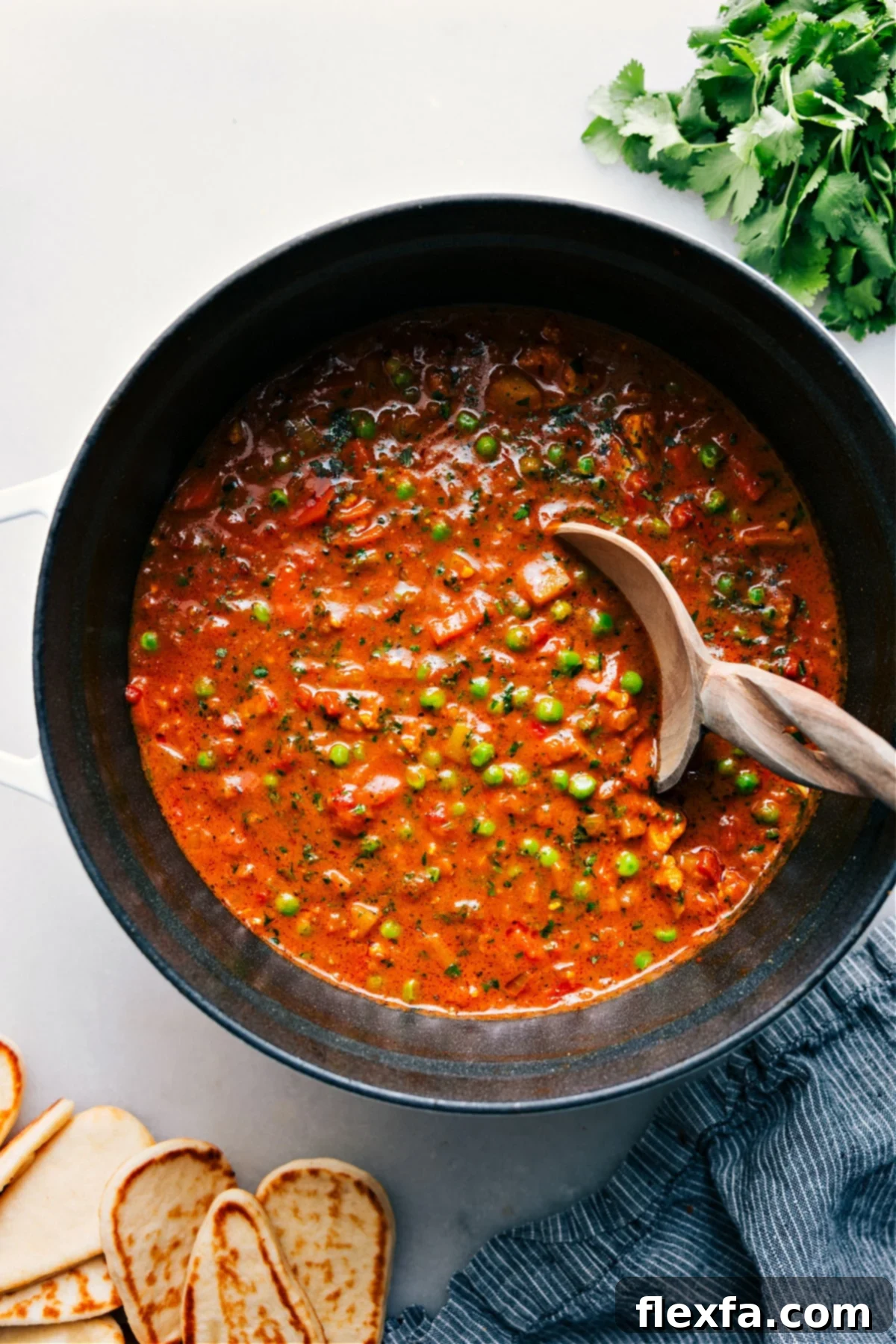
Vegetable Masala is a celebration of vibrant flavors and hearty, wholesome vegetables. This creamy, comforting, and utterly delicious Indian curry is a perfect blend of aromatic spices and tender ingredients, making it a fantastic addition to any meal plan.
If you’re a fan of rich Indian flavors, you might also enjoy my Chicken Tikka Masala for a classic experience, or perhaps the Vegetarian Tikka Masala if you’re craving a luscious, coconut-based alternative.
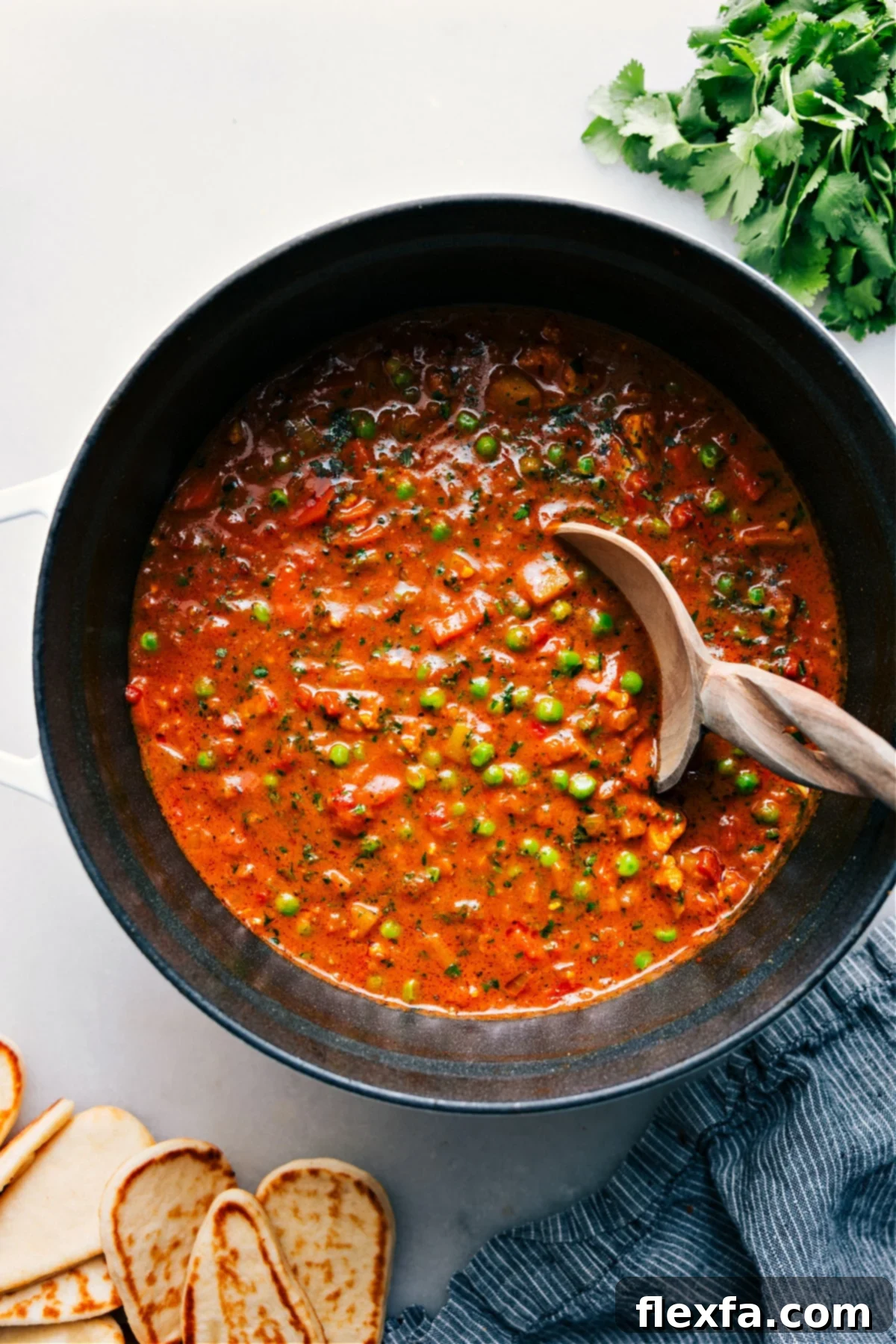
Discovering the Magic of Vegetable Masala
There’s something truly magical about Indian cuisine, and for me, it all clicked during a memorable trip to the Maldives with my husband. We were fortunate enough to take an authentic Indian cooking class, where we even got to experiment with real tandoor ovens – an absolute blast! The experience was so inspiring that I’m still trying to convince him we need one for our backyard (a girl can dream, right?).
Among the many incredible dishes we prepared, the Vegetable Masala stood out as my absolute favorite. The depth of flavor, the comforting creaminess, and the vibrant array of vegetables left a lasting impression. This recipe is my loving recreation of that Maldivian inspiration, thoughtfully adapted with a few tweaks and using ingredients that are readily available in the U.S., making it accessible for home cooks everywhere without sacrificing authenticity.
Like many traditional Indian curries, this Vegetable Masala embraces the richness that comes from a generous amount of coconut oil and butter. These fats are crucial for building the bold, complex flavors that define this dish. While it might seem like a lot, remember this recipe yields a substantial batch, so the fat content per serving is surprisingly balanced. Attempting to cut back too much on these elements will significantly alter the authentic taste and luxurious texture that makes this masala so special. Trust the process, and you’ll be rewarded with an incredibly satisfying meal.
Essential Ingredients for a Perfect Vegetable Masala
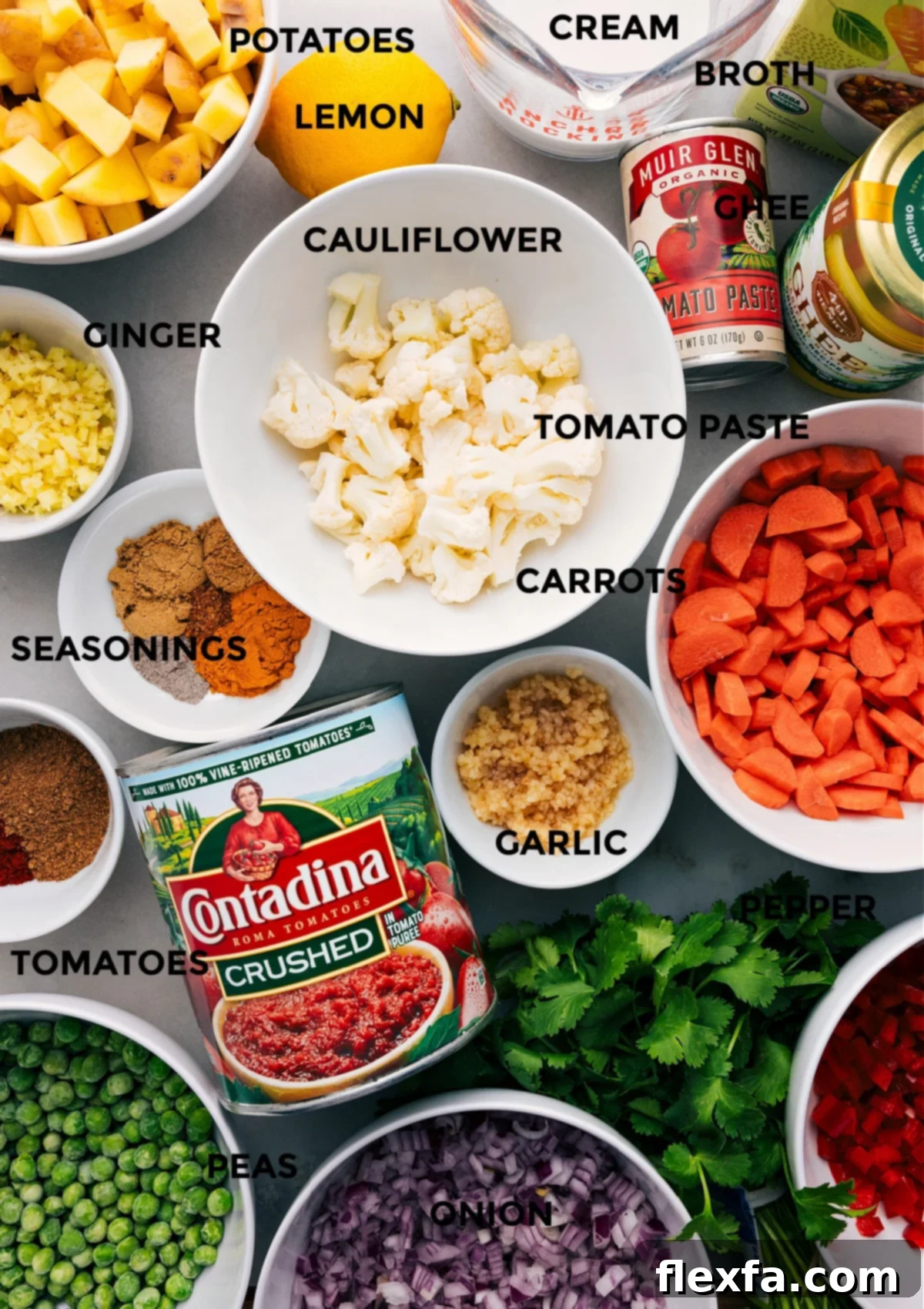
Crafting a truly exceptional Vegetable Masala starts with selecting the right ingredients. Each component plays a vital role in building the dish’s signature flavor and texture. Here’s a detailed look at what you’ll need to create this amazing curry:
- Coconut Oil & Unsalted Butter: This dynamic duo forms the base of our curry, providing a rich, deep flavor foundation. Coconut oil lends a subtle tropical hint, while butter adds a creamy, decadent mouthfeel. Don’t shy away from these; they are key to the masala’s characteristic richness.
- Red Onion: Finely diced red onion caramelizes beautifully, adding a natural sweetness and depth that melts seamlessly into the sauce. Dicing them small ensures they integrate evenly and cook down quickly.
- Carrots & Red Bell Pepper: These vibrant vegetables contribute both sweetness and a beautiful pop of color to the curry. Dicing them into small, uniform pieces ensures they cook through at a similar rate to the other vegetables, resulting in a tender, harmonious blend.
- Gold Potatoes: Known for their thin, delicate skins and creamy texture, gold potatoes are ideal for this masala. There’s no need to peel them; simply dice them evenly into ½-inch pieces. They absorb the curry flavors wonderfully and add a comforting heft to the dish.
- Cauliflower: Chop the cauliflower into small florets to ensure it cooks evenly and becomes tender without turning mushy. Its mild flavor readily absorbs the robust spices of the masala, adding a satisfying texture.
- Fresh Garlic & Ginger: The backbone of many Indian curries, fresh garlic and ginger are non-negotiable for authentic flavor. While jarred paste can be a convenient substitute, freshly minced garlic and ginger offer unparalleled pungency and aroma.
- Crushed Tomatoes (Fire-Roasted Recommended): Tomatoes provide a crucial tangy and slightly sweet element. Fire-roasted crushed tomatoes are a game-changer here, infusing the curry with a smoky depth that elevates the entire dish.
- Vegetable Broth: The quality of your broth significantly impacts the overall flavor of your masala. Opt for a good quality vegetable broth to ensure a rich and savory liquid base.
- Heavy Cream: This is what gives our Vegetable Masala its luxurious, creamy texture and helps balance the intensity of the spices. It creates a smooth, velvety sauce that is truly indulgent.
- Frozen Sweet Peas: Added towards the end, frozen sweet peas bring a burst of fresh sweetness and bright green color, enhancing both the visual appeal and the taste.
- Fresh Cilantro or Parsley: A generous sprinkle of fresh, finely chopped cilantro or parsley at the end provides a bright, herbaceous finish that cuts through the richness and adds a touch of freshness.
- Sugar & Aromatic Spices: Sugar plays a crucial role in balancing the acidity of the tomatoes and the boldness of the spices. The carefully selected spice blend, including turmeric, coriander, paprika, garam masala, cumin, and cardamom, is the heart and soul of this curry. Do not skimp on these; they are what give the masala its complex and intoxicating aroma and taste. A pinch of cayenne pepper is optional for those who crave an extra kick of heat.
Expert Tips for Crafting Your Perfect Vegetable Masala
Making a delicious Vegetable Masala is incredibly rewarding, and with a few key tips, you can elevate your curry from good to extraordinary:
- Embrace the Heat: Spice it Up! If you love a curry with a noticeable kick, don’t hesitate to increase the amount of cayenne pepper. You can also add a few pinches of red pepper flakes during the sautéing stage with the other spices to infuse more heat throughout the dish. Remember to taste as you go to find your perfect spice level.
- Salt is Your Flavor Amplifier: In dishes with such bold and complex spice profiles, salt is not just a seasoning; it’s a critical flavor enhancer. It awakens and balances all the individual spices. Make sure to taste your curry regularly, especially after adding the liquids and cream, and adjust the salt as needed. A perfectly seasoned curry is a truly memorable one.
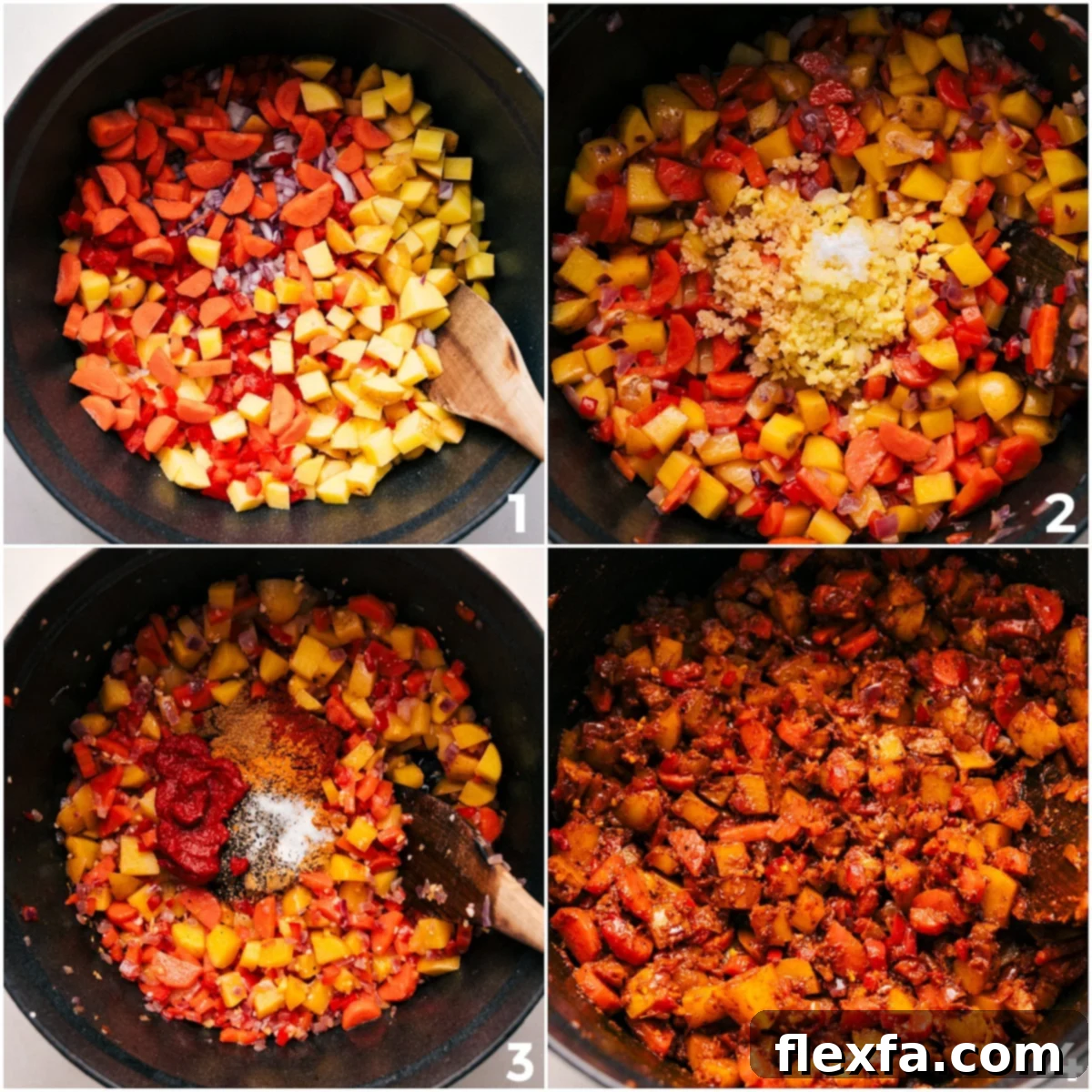
- The Art of Layering Flavors: The secret to a truly deep and nuanced curry lies in sautéing ingredients in stages. By cooking the onions and vegetables first, then adding the garlic, ginger, and finally the spices and tomato paste, you allow each component to release its full flavor potential. This technique allows the spices to bloom in the hot oil, the tomatoes to sweeten and deepen, and the vegetables to cook evenly, creating an incredibly rich and integrated taste experience. Don’t rush these steps!
- Customize Your Veggies: While this recipe features a fantastic combination of vegetables, don’t be afraid to make it your own! Feel free to swap in your favorite firm vegetables or add extras. Green beans, baby corn, sweet potatoes, or even spinach (added at the very end until wilted) can all make wonderful additions. Just be mindful of cooking times; harder vegetables might need to be added earlier.
- Achieving the Perfect Consistency: The ideal masala sauce should be thick enough to coat the back of a spoon but still fluid. If your curry is too thin after simmering, increase the heat slightly and let it gently boil uncovered for a few more minutes, stirring often, until it thickens to your desired consistency. If it’s too thick, a splash more vegetable broth or cream will help loosen it up.
- Don’t Skimp on Fresh Aromatics: Freshly minced garlic and ginger make an immense difference compared to pre-packaged pastes. Their bright, pungent notes are essential for the authentic Indian flavor profile. Take the extra few minutes to chop them yourself – you’ll taste the difference.
Perfect Pairings: What to Serve with Your Vegetable Masala
While this hearty Vegetable Masala is incredibly satisfying on its own, pairing it with a few traditional accompaniments truly elevates the dining experience. A simple squeeze of fresh lemon and a sprinkle of fresh herbs right before serving can brighten all the flavors beautifully. Here are some of my favorite ways to enjoy this delicious curry:
- Cucumber Raita: This cool, creamy yogurt sauce is an absolute must-have! Its refreshing tang perfectly balances the warm, rich spices of the masala. We made this in our cooking class, and now I can’t imagine having masala without it. The contrast in temperature and flavor is simply divine.
- Fluffy Basmati Rice: The elongated grains of basmati rice are light, aromatic, and soak up the rich masala sauce beautifully. It provides a perfect neutral canvas that allows the complex flavors of the curry to shine. Prepare it perfectly by rinsing thoroughly before cooking for a truly fluffy result.
- Warm Naan Bread: There’s nothing quite like warm, pillowy naan bread to scoop up every last drop of your delicious curry. It’s ideal for soaking up the rich sauce and adding a wonderful chewy texture to your meal. For the best flavor and texture, warm your naan before serving. You can quickly toast it, heat it in the microwave, or char it slightly over an open stovetop flame for a delightful smoky touch.
- Mango Chutney or Pickles: For an extra layer of flavor and texture, consider serving a side of sweet mango chutney or a spicy Indian pickle. These condiments offer a tangy, sweet, or piquant contrast that can awaken your palate and complement the richness of the curry.
Quick Tip: Homemade Cucumber Raita
Whip up your own refreshing Cucumber Raita in minutes! Simply mix ½ cup Greek yogurt, ½ cup finely chopped cucumber, 2 tablespoons fresh cilantro, 2 teaspoons chopped green onions, and ¼ teaspoon each of ground cumin, ground coriander, and salt. Stir everything together, chill for at least 15 minutes to allow flavors to meld, and stir again just before serving. It’s an easy way to add an authentic touch to your meal!
Storing Your Vegetable Masala for Future Enjoyment
One of the many wonderful qualities of curries, including this Vegetable Masala, is that they often taste even better the next day! The flavors have more time to meld and deepen, resulting in an even more harmonious and delicious dish. Proper storage ensures you can enjoy your leftovers just as much as the fresh batch.
- Refrigeration: Store any leftover Vegetable Masala in an airtight container in the fridge for up to 4 days. This allows the spices to continue developing, enhancing the overall flavor profile.
- Reheating: To reheat, gently warm the masala on the stovetop over low heat, stirring occasionally, until heated through. Alternatively, you can microwave individual portions. If the curry has thickened significantly in the fridge, add a splash of heavy cream or vegetable broth during reheating to restore its creamy consistency.
- Freezing: This Vegetable Masala freezes exceptionally well, making it perfect for meal prep. Transfer cooled leftovers to a freezer-safe container and store for up to 3 months. When you’re ready to enjoy it, thaw the masala in the refrigerator overnight before reheating on the stovetop or in the microwave. Adjust consistency with a little cream or broth as needed.
Explore More Flavorful Curry Recipes
If you’ve fallen in love with the rich and aromatic world of curries, there’s a whole universe of flavors waiting to be explored! Expand your culinary horizons with these other fantastic curry recipes:
- Easy Chicken Curry and Rice with creamy coconut milk, perfect for a one-skillet meal.
- Sweet Potato Coconut Curry Soup, a hearty and warming soup featuring chickpeas and rich coconut flavors.
- Curry Lentil Soup, a nutritious and comforting soup made with red lentils and fragrant spices.
- Butter Chicken Meatballs served over fluffy rice, offering a unique twist on a classic Indian dish.
- Curry Chicken Salad with golden raisins, a delightful and flavorful option for sandwiches or wraps.

Print Recipe
Vegetable Masala
Chelsea Lords
Vegetable Masala is packed with rich spices and a variety of veggies, making it a creamy, hearty, and flavor-packed curry!
45 minutes
40 minutes
1 hour 25 minutes
6 servings
Equipment
- Large cast-iron pot
Ingredients
- 3 tablespoons coconut oil (melted)
- 5 tablespoons unsalted butter (divided)
- 1-1/2 cups finely diced red onion (1 large onion)
- 1-1/2 cups thinly sliced carrots (4 large carrots)
- 1 cup diced red bell pepper (1 pepper)
- 3 cups diced baby gold potatoes (4 potatoes)
- 1 cup chopped cauliflower
- 1 teaspoon sugar
- 2-1/2 tablespoons finely minced garlic (5 cloves)
- 2 tablespoons finely minced ginger (peeled, 1-1/2 inch piece)
- 2 tablespoons tomato paste
- 1 (14.5-ounce) can crushed tomatoes (fire-roasted recommended)
- 1-2/3 cups vegetable broth
- 1/4 cup + 2 tablespoons heavy cream
- 1 cup frozen sweet peas
- 1/3 cup finely chopped cilantro or parsley
- Serving suggestions (see recipe notes below)
- 2 teaspoons ground turmeric
- 2 teaspoons ground coriander
- 1 tablespoon paprika
- 1 tablespoon garam masala
- 1 teaspoon ground cumin
- 1/8 teaspoon ground cardamom
- 1/8 teaspoon cayenne pepper (optional, for extra heat)
- Salt and pepper (to taste)
Instructions
- Finely dice the red onion and red bell pepper (a food processor can speed this up). Wash and thinly slice the carrots. Dice the gold potatoes into ½-inch pieces (no need to peel the baby gold potatoes). Chop the cauliflower into small florets. Finely mince the garlic and ginger.
- Heat a large cast-iron pot or Dutch oven over medium-high heat. Add the coconut oil and 2 tablespoons of unsalted butter. Once melted, add the diced onion, carrots, bell pepper, potatoes, and 1 teaspoon of salt. Sauté for 8–10 minutes, stirring occasionally, until the vegetables begin to soften.
- Add the minced garlic, ginger, and 1 teaspoon of sugar to the pot. Continue to sauté for 2 more minutes, stirring frequently, until fragrant. Reduce the heat to medium.
- Add all the seasonings (turmeric, coriander, paprika, garam masala, cumin, cardamom, and optional cayenne pepper) along with the tomato paste, and ½ teaspoon each of salt and pepper. Stir constantly for 3 minutes, allowing the tomato paste to darken slightly and the spices to bloom, becoming very fragrant. (If anything starts to stick or burn, slightly lower the heat.)
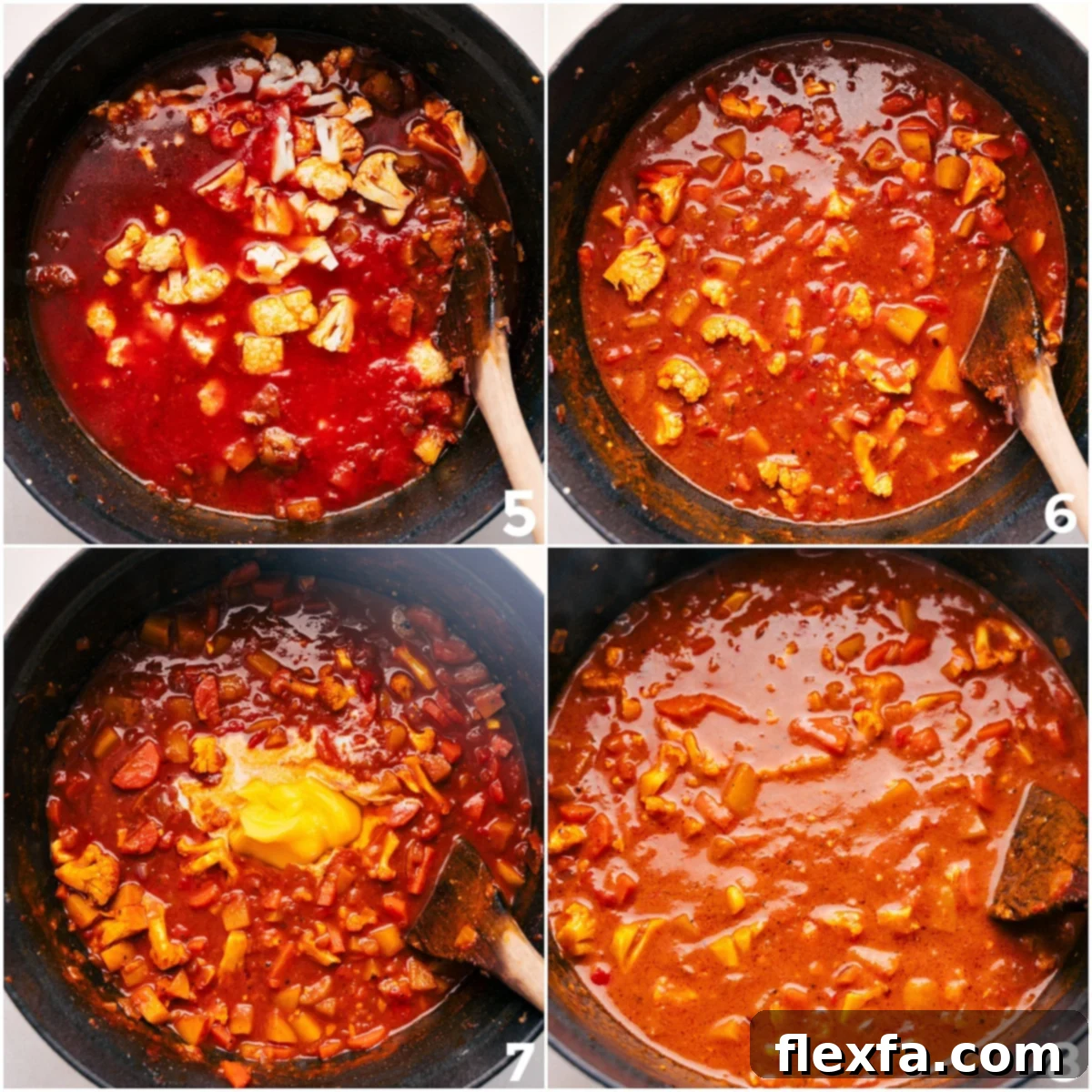
- Stir in the chopped cauliflower and crushed tomatoes, continuing to cook for 1 minute, scraping up any browned bits from the bottom of the pot. Pour in the vegetable broth and gently press the vegetables down so they are submerged in the liquid. Bring the mixture to a gentle simmer (you’ll see small bubbles forming at the edges), then reduce the heat slightly to maintain a low simmer. Cook for 15–20 minutes, stirring occasionally, until the vegetables are fork-tender and the sauce has noticeably thickened. (If the sauce is too thin, you can slightly increase the heat to encourage further thickening.)
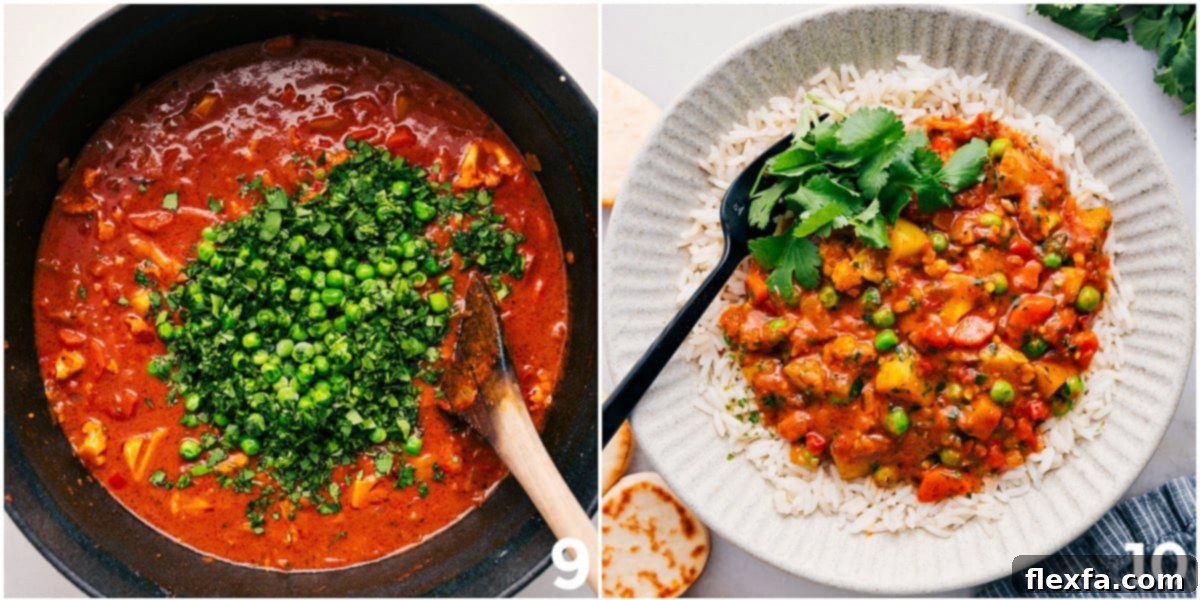
- Reduce the heat to the lowest setting. Stir in the heavy cream and the remaining 3 tablespoons of butter until the butter has completely melted and incorporated into the sauce. Remove the pot from the heat. Stir in the frozen sweet peas and fresh cilantro. Taste the masala and adjust seasonings as needed – you might find that 1–2 teaspoons more sugar helps balance the acidity of the tomatoes, or more salt for overall flavor enhancement.
- Serve your delicious Vegetable Masala hot over fluffy basmati rice, with a squeeze of fresh lemon, and a side of homemade cucumber raita and warm naan bread for a complete and authentic Indian meal. Enjoy!
Recipe Notes
Serving Suggestions: Enhance your Vegetable Masala experience by serving it with fresh lemon wedges, fluffy basmati rice, cool cucumber raita, and/or warm naan bread.
- To prepare Basmati Rice: Rinse 1 cup of basmati rice in a fine-mesh sieve under cold running water until the water runs clear. Soak the rinsed rice in water for 5–10 minutes. Bring a large pot of water to a rolling boil, then drain the soaked rice and add it to the boiling water. Cook for 5-10 minutes, or until the rice is tender but still has a slight bite. Drain well and fluff with a fork.
- For a quick Cucumber Raita: In a bowl, combine ½ cup Greek yogurt, ½ cup finely chopped cucumber, 2 tablespoons fresh cilantro, 2 teaspoons chopped green onions, ¼ teaspoon ground cumin, ¼ teaspoon ground coriander, and ¼ teaspoon sea salt. Stir everything thoroughly and refrigerate until ready to serve. Stir again before serving.
- To warm Naan Bread: For a delightful smoky char, lightly spray both sides of the naan with cooking spray and grill over an open stovetop flame for 10–20 seconds per side. Alternatively, preheat your oven to 200°F (95°C), stack the naan, wrap it in foil, and heat for about 5 minutes until warm and pliable.
Nutrition Note: The provided nutrition information is an approximation and does not include any serving suggestions like rice or naan bread.
Storage: Store any leftover Vegetable Masala in an airtight container in the fridge for up to 4 days. To reheat, warm gently on the stovetop over low heat or in the microwave. If the curry has thickened, add a splash of heavy cream or vegetable broth to reach your desired consistency. This curry also freezes well in a freezer-safe container for up to 3 months; thaw in the fridge before reheating.
Nutrition
|
Calories: 424 kcal
|
Carbohydrates: 44g
|
Protein: 8g
|
Fat: 26g
|
Saturated Fat: 17g
|
Cholesterol: 52mg
|
Sodium: 236mg
|
Potassium: 1261mg
|
Fiber: 9g
|
Sugar: 12g
|
Vitamin A: 6197IU
|
Vitamin C: 123mg
|
Calcium: 99mg
|
Iron: 4mg
Nutrition information is automatically calculated, so should only be used as an approximation.
Like this recipe? We’d love to hear from you! Leave a comment below and share your thoughts and experiences.