

Irresistible Lemon Blueberry Bread: Your New Favorite Quick Bread
Prepare to fall in love with this incredible Lemon Blueberry Bread! It bakes up beautifully with a gorgeous golden crust and a perfectly domed top, promising a bakery-quality experience right from your kitchen. Each slice reveals a wonderfully moist and tender crumb, studded generously with juicy blueberries, all perfectly complemented by a bright, zesty lemon flavor. The magic doesn’t stop there; a crisp-crunchy sugar topping adds a delightful textural contrast, and a final drizzle of tangy lemon glaze elevates every bite. This recipe is designed to be simple and straightforward, ensuring a delicious result that your whole family will adore.
If you’re a fan of cafe-style treats, you might also enjoy our Starbucks-inspired Lemon Bread!

Discovering the Joy of Homemade Blueberry Lemon Bread
There’s something truly special about the combination of bright, tangy lemon and sweet, juicy blueberries in a baked good. This particular Lemon Blueberry Bread recipe captures that perfect synergy, delivering a loaf that is not only bursting with flavor but also boasts an incredibly soft and moist texture. It’s a testament to simple ingredients coming together to create something extraordinary.
In my household, blueberries are more than just a fruit; they’re a passion! We go through pints of them weekly, and the excitement peaks when they transform into a delicious baked treat. From fluffy blueberry muffins and comforting blueberry cobbler to delightful blueberry coffee cake and classic blueberry pancakes, these berry-filled delights are perennial favorites. This Lemon Blueberry Bread has quickly climbed the ranks to join our cherished collection, becoming a requested item for breakfasts, brunches, and anytime snacking.
What makes this bread so captivating? It’s the seamless blend of flavors and textures. The bread itself is incredibly moist and tender, thanks to carefully selected wet ingredients. Every bite offers a refreshing burst of lemon, perfectly balanced by the natural sweetness of ripe blueberries generously rippled throughout the loaf. The subtle sweetness from the bread, coupled with the bright fruit and zesty notes, creates a truly unforgettable experience that’s both comforting and invigorating.

Essential Ingredients for Your Lemon Blueberry Bread
Creating this magnificent lemon blueberry bread relies on a balanced blend of dry and wet ingredients, each playing a crucial role in achieving its signature moist crumb and vibrant flavor. Quality ingredients make all the difference, so let’s break down what you’ll need.
Dry Ingredients: The Foundation
- All-Purpose Flour: This forms the structural base of your bread, providing the perfect balance for a tender yet sturdy loaf. Avoid over-measuring by spooning flour into your measuring cup and leveling it off.
- Baking Soda: As a leavening agent, baking soda reacts with acidic ingredients (like Greek yogurt or lemon zest) to produce carbon dioxide, helping your bread rise beautifully and achieve a light, airy texture.
- Salt: Don’t underestimate salt! It’s not just for seasoning; it enhances all the other flavors in the bread, bringing out the sweetness of the blueberries and the zestiness of the lemon.
Wet Ingredients: Moisture and Flavor
- Large Egg: The egg acts as a binder, holding all the ingredients together, and contributes essential moisture and richness to the crumb. Ensure it’s at room temperature for optimal emulsification.
- Granulated Sugar: This provides sweetness and helps tenderize the bread, contributing to its soft texture.
- Canola or Vegetable Oil: Oil is key to keeping this bread incredibly moist. Unlike butter, which can make baked goods dense, oil keeps the crumb tender and prevents it from drying out over time.
- Full-Fat Greek Yogurt or Sour Cream: This secret ingredient adds an incredible richness, moisture, and a slight tang that beautifully complements the lemon. Full-fat varieties ensure the best texture and flavor. Honey-vanilla flavored Greek yogurt can add an extra layer of deliciousness!
- Whole Milk: Contributes to the overall liquid content of the batter, ensuring a smooth consistency and a moist final product. Room temperature milk mixes more easily.
- Lemon Zest & Lemon Extract: This is where the vibrant lemon flavor truly shines! The zest provides natural aromatic oils, while lemon extract intensifies that citrus punch without adding excess liquid that could alter the bread’s consistency. Make sure to use pure lemon extract for the best results.
- Fresh Blueberries: The stars of the show! These add natural sweetness, a lovely pop of color, and juicy bursts of flavor. Fresh blueberries are preferred, but frozen can also be used with a small adjustment (see notes below).
The Perfect Topping & Glaze: Finishing Touches
- Brown Sugar & Granulated Sugar: A simple mix sprinkled on top before baking creates a beautifully crisp and crunchy layer that caramelizes as it bakes, adding another dimension of texture and sweetness.
- Optional Lemon Glaze (Powdered Sugar + Lemon Juice): A quick and easy glaze made from powdered sugar and fresh lemon juice provides a sweet and tangy finish that brightens the entire loaf and adds a professional touch.
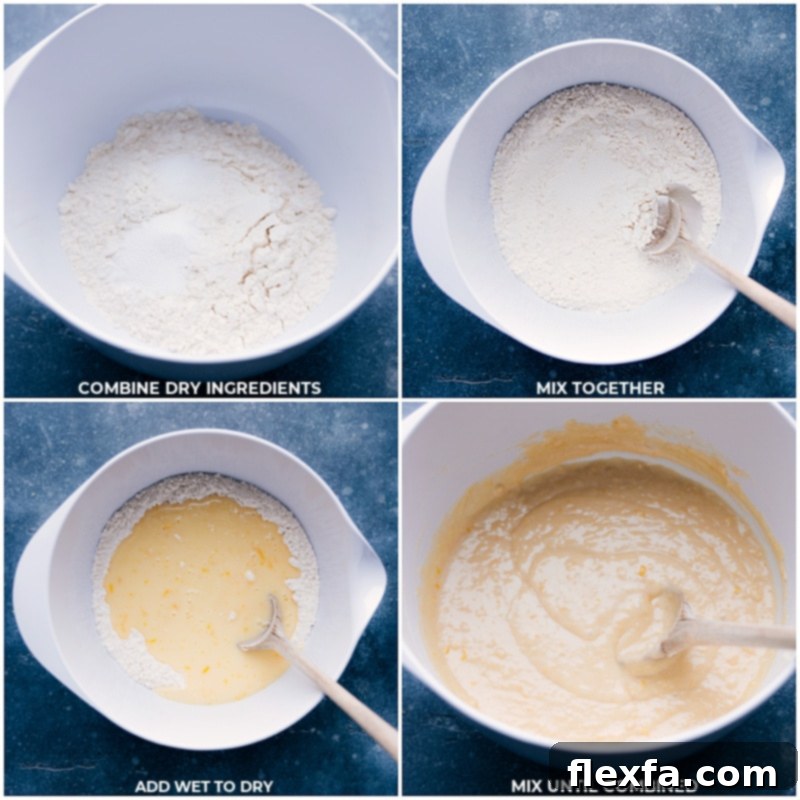
Crafting Your Perfect Lemon Blueberry Bread: A Step-by-Step Guide
Making this delightful lemon blueberry bread is a straightforward process, but a few key techniques will ensure a perfect loaf every time. Follow these steps for success:
- Preparation is Key: Start by bringing all your wet ingredients (egg, Greek yogurt, milk) to room temperature. This crucial step ensures they blend smoothly and emulsify properly, creating a homogeneous batter with the ideal texture. Plan ahead and pull them out of the fridge about 45 minutes to an hour before you begin baking. While your ingredients warm up, preheat your oven to 350°F (175°C) and prepare your 9×5-inch loaf pan by generously greasing it with cooking spray or shortening, then lightly dusting it with flour. Alternatively, you can line it with parchment paper, leaving an overhang to easily lift the finished loaf out.
- Combine Ingredients Separately: In one large bowl, whisk together all the wet ingredients (egg, granulated sugar, oil, Greek yogurt, milk, lemon zest, and lemon extract) until the mixture is completely smooth and well combined. In a separate, equally large bowl, whisk together your dry ingredients (all-purpose flour, baking soda, and salt) until they are thoroughly mixed. Creating a well in the center of your dry ingredients helps prevent clumps when you add the wet mixture.
- Gentle Mixing: Pour the wet ingredients over the dry ingredients. Using a wooden spoon or spatula, gently mix until a smooth batter forms. Be careful not to overmix! Overmixing develops gluten, which can lead to a tough, dry bread. A few small lumps are perfectly fine and indicate you haven’t overdone it.
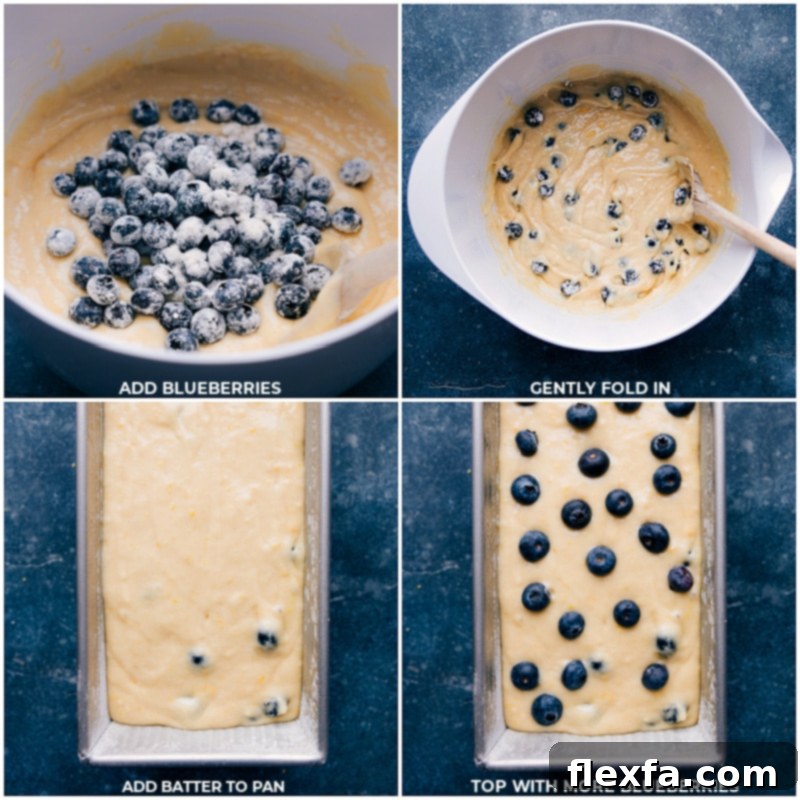
- Incorporate Blueberries Smartly: First, gently wash and thoroughly dry your fresh blueberries. To prevent them from sinking to the bottom of your loaf during baking, take 1 cup of the blueberries and toss them with 2 teaspoons of all-purpose flour in a small bowl until they are lightly coated. This flour coating helps them suspend more evenly throughout the batter. Gently fold these floured blueberries into the batter.
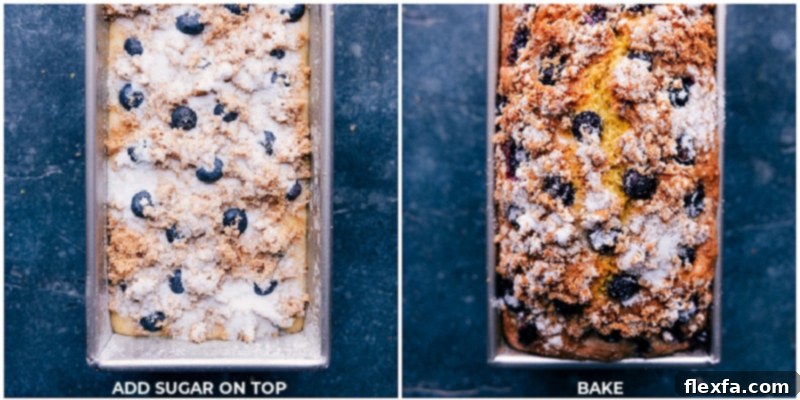
- Fill the Pan and Top: Pour and smooth the batter into your prepared loaf pan. Take the remaining 1/4 cup of blueberries and gently press them onto the top of the batter. For that irresistible crisp-crunchy topping, sprinkle 2 tablespoons of brown sugar and 1 tablespoon of granulated sugar evenly over the entire surface of the loaf. Avoid pressing the sugar down; just let it sit on top.
- Bake to Perfection: Transfer the loaf pan to your preheated oven and bake for 60–75 minutes. The baking time can vary slightly depending on your oven, so keep an eye on it. You’ll know it’s done when the bread is golden brown, pulls away slightly from the edges of the pan, and a wooden toothpick inserted into the center comes out clean or with just a few moist crumbs attached.
- Cooling with Patience: Once baked, remove the bread from the oven and let it cool in the pan for 15 minutes. This allows the bread to set and firm up, making it easier to remove without breaking. After 15 minutes, carefully invert the loaf onto a wire cooling rack. Allow it to cool for at least another hour, or completely, before slicing. This extended cooling time is crucial as the bread continues to “bake” and solidify as it cools, developing its final moist texture. Rushing this step can result in a gummy texture.
- Optional Glaze Finish: If desired, prepare your lemon glaze. In a small bowl, whisk together 1/2 cup of powdered sugar with a tiny pinch of salt. Gradually add 1 tablespoon of fresh lemon juice, whisking until a smooth, pourable glaze consistency is achieved. For a neat drizzle, transfer the glaze to a small plastic bag, snip off a tiny corner, and pipe it over the completely cooled bread. This adds a beautiful sheen and an extra pop of tangy lemon flavor.

Lemon Blueberry Bread FAQs: Your Baking Questions Answered
Here are some common questions and helpful tips to ensure your Lemon Blueberry Bread turns out perfectly every time.
How do I know when Lemon Blueberry Bread is done baking?
Ensuring your bread is fully baked is crucial for optimal texture and flavor. Here’s how to tell:
- Visual Cues: Look for a beautiful golden-brown top. The bread should also start to pull away slightly from the edges of the loaf pan.
- The Toothpick Test: Insert a wooden toothpick, skewer, or thin knife into the very center of the bread. If it comes out clean or with only a few moist crumbs attached, your bread is ready. If it comes out with wet batter, continue baking in 5-minute increments until clean.
- Internal Temperature (Optional but Accurate): For the most precise measurement, use an instant-read thermometer. The internal temperature of quick bread should register between 200°F and 205°F (93-96°C).
Should I cool this bread on a cooling rack?
Absolutely, yes! Proper cooling is just as important as baking for quick breads. After allowing the bread to rest in the pan for the initial 15 minutes, transferring it to a wire cooling rack is essential. Elevating the bread on a wire rack allows air to circulate all around the loaf, preventing moisture from condensing on the bottom. This stops the base from becoming soggy or sticky and ensures the entire loaf cools evenly, firming up to its perfect texture. Impatience during cooling can lead to a dense or crumbly bread, so give it the time it needs!
Quick Tip: Preventing Blueberries from Sinking
How do you keep blueberries from sinking in bread?
The best way to prevent your delicious blueberries from congregating at the bottom of your loaf is to give them a light dusting of flour. Toss fresh blueberries with about 1-2 teaspoons of all-purpose flour until they are lightly coated. This thin layer of flour creates friction, allowing the blueberries to adhere better to the batter and distribute more evenly throughout the bread as it bakes. For frozen blueberries, follow the advice in the recipe notes.
Maximizing Lemon Flavor: Zest vs. Extract
Achieving a bright, pronounced lemon flavor without compromising the bread’s texture is an art. We use both lemon zest and lemon extract for this reason. Lemon zest provides the natural, aromatic oils from the peel, which carry a fresh, vibrant citrus note. Lemon extract, a concentrated flavoring, amplifies this taste significantly without adding any extra liquid, which could throw off the batter’s consistency. Always opt for pure lemon extract over artificial flavors for the best, most authentic lemon punch. Remember to zest only the yellow part of the lemon, avoiding the bitter white pith underneath.
Using Frozen Blueberries
While fresh blueberries are ideal, you can certainly use frozen ones. If using frozen, especially smaller wild blueberries which are often sweeter, there are a couple of tricks. Do not thaw them first; use them directly from the freezer. To prevent their color from bleeding into the batter and creating a grayish hue, try layering. Spoon about 1/3 of the batter into the prepared pan, then hand-place a portion of the frozen, unfloured blueberries on top. Add another 1/3 of batter, more blueberries, and finally the last portion of batter with the remaining blueberries gently pushed slightly under the surface. This technique minimizes mixing and color bleed.
Storage Tips for Your Lemon Blueberry Bread
Can You Freeze Lemon Blueberry Bread?
Yes, absolutely! Lemon Blueberry Bread freezes wonderfully, making it perfect for meal prep or enjoying a slice whenever a craving strikes. To freeze:
- Ensure the bread is completely cooled to room temperature.
- For best results, slice the bread first. This allows for easy thawing of individual portions.
- Wrap each slice tightly in plastic wrap, then wrap again in aluminum foil to prevent freezer burn.
- Place the wrapped slices in an airtight freezer-safe container or a heavy-duty freezer bag.
- Freeze for up to three months.
- To defrost, simply transfer a slice to the refrigerator overnight or let it come to room temperature on the counter for a few hours. You can also warm individual slices gently in the microwave for 5-10 seconds for a fresh-baked feel.
How Long Will Lemon Blueberry Bread Last?
The freshness of your Lemon Blueberry Bread depends on how it’s stored:
- At normal room temperature, wrapped tightly in plastic wrap or stored in an airtight container, this bread will remain fresh for 2-3 days.
- To extend its freshness and moisture, I highly recommend refrigerating it. Wrapped well and stored in the fridge, it will last up to a week. When ready to enjoy, simply warm individual slices in the microwave for 5-10 seconds for that fresh-baked warmth. While not strictly necessary to refrigerate, it will undeniably keep your bread fresher for a longer period.
- After the third day, the bread might begin to lose some of its initial texture, potentially becoming a bit too moist. This is when refrigeration becomes particularly beneficial.
Creative Ways to Use Leftover Blueberries
If you find yourself with an abundance of blueberries after making this delightful bread, don’t let them go to waste! Here are some fantastic recipes to put those extra berries to good use:
- Blueberry Ice Cream: A surprisingly healthy and refreshing treat perfect for warm days.
- Blueberry Crisp: A classic dessert featuring a buttery, crisp, and crunchy topping over warm, bubbling blueberries.
- Homemade Blueberry Syrup: Ideal for pancakes, waffles, or even as a topping for ice cream.
- Sparkling Blueberry Lemonade: A refreshing beverage bursting with fresh lemon and blueberry flavors.
- Mini Blueberry Cheesecakes: Adorable individual cheesecakes with a delicious graham cracker crust, perfect for parties.

Print Recipe
Lemon Blueberry Bread
Chelsea Lords
20 minutes
1 hour
1 hour 15 minutes
2 hours 35 minutes
10 slices (1 loaf)
Equipment
- 9 x 5-inch bread pan (see note 1 below for pan size guidance)
- Cooling rack
Ingredients
- Cooking spray (for greasing pan)
- 2 cups all-purpose flour
- 1 teaspoon baking soda
- 1 teaspoon salt
- 1 large egg (at room temperature)
- ¾ cup granulated sugar
- ⅓ cup canola oil or vegetable oil
- ⅓ cup Greek yogurt (full-fat; honey-vanilla flavored works well; or use full-fat sour cream; at room temperature)
- ¾ cup whole milk (at room temperature)
- Zest from 2 large lemons (see note 2)
- 2 tablespoons lemon extract (see note 3)
- 1¼ cup fresh blueberries (or frozen, divided, see note 4)
- 2 teaspoons all-purpose flour (for coating blueberries)
- 2 tablespoons brown sugar
- 1 tablespoon granulated sugar
- Glaze (optional, made from ½ cup powdered sugar + 1 tablespoon lemon juice)
Instructions
- It’s important that all wet ingredients are at the same temperature (room temperature) to combine nicely. Pull them out of the fridge about 45 minutes to an hour before using. Grease and lightly flour a 9×5-inch loaf pan. Preheat oven to 350°F (175°C).
- Add all the wet ingredients (egg, granulated sugar, oil, Greek yogurt, milk, lemon zest, lemon extract) to a large bowl. Whisk together until completely smooth.
- Add all the dry ingredients (flour, baking soda, salt) to a separate large bowl. Whisk together. Make a well in the center. Pour the wet ingredients on top of the dry ingredients and mix with a wooden spoon or spatula until a smooth batter forms. Do not overmix; a few small lumps are fine. (Avoid using a stand or hand mixer, as they can beat in too much air and develop gluten excessively).
- Wash and dry fresh blueberries. Take 1 cup of blueberries and toss them with 2 teaspoons of flour in a small bowl until nicely coated (this helps prevent berries from sinking to the bottom). Add these floured blueberries to the batter and gently stir to mix through.
- Pour and smooth the batter into the prepared pan. Gently press the remaining ¼ cup of blueberries onto the top of the bread. Sprinkle 2 tablespoons of brown sugar plus 1 tablespoon of granulated sugar evenly on top of the loaf (do not press down). Bake for 60–75 minutes or until a toothpick inserted into the center comes out clean or with moist crumbs.
- Remove from the oven and let cool in the pan for 15 minutes before inverting onto a wire cooling rack. Let it cool for a further 1 hour (or completely) before slicing. Do not rush the cooling; the bread is still setting and solidifying during this time.
- In a small bowl, add powdered sugar. Add a tiny pinch of salt and slowly add in fresh lemon juice while whisking until the desired glaze consistency is formed. Transfer the glaze to a plastic bag and cut off a tiny tip. Pipe the glaze over the completely cooled bread.
Recipe Notes
Note 1: Pan Size: Be sure to use the correct size pan for this recipe to work properly. A 9×5-inch loaf pan is ideal. If you use an 8×4-inch pan, only add about 75% of the batter and note that the bake time will be shorter. Don’t forget to generously grease the pan with cooking spray (or shortening), then lightly dust with flour. Alternatively, line with parchment paper, leaving an overhang for easy removal.
Note 2: Lemon Zest: There is a generous amount of lemon zest, and it’s all needed for that bright citrus flavor in the bread. No lemon juice goes into the bread itself; we save the juice for the glaze! When zesting lemons, use a fine zester (like this one) and only remove the bright yellow outer layer, avoiding the white pith, which is very bitter.
Note 3: Lemon Extract: Lemon extract is crucial for intensifying the lemon flavor and should not be confused with lemon juice. Lemon extract is a flavor enhancer (similar to vanilla extract) that provides a concentrated citrus taste. Lemon juice would alter the batter’s liquid content and negatively impact the bread’s consistency. I highly recommend using purelemon extract. Brands like McCormick and Watkin’s have performed comparably well in testing.
Note 4: Frozen Blueberries: If using frozen blueberries, I suggest using frozen wild blueberries, which are typically smaller and sweeter than regular cultivated blueberries. To prevent the blueberry color from bleeding into the batter and causing an unappealing purple tint, do not mix them vigorously into the batter. Instead, spoon 1/3 of the batter into the pan, then gently hand-place a portion of the frozen (do not thaw) blueberries on top. Repeat with another 1/3 of batter and more blueberries, and finally, the last 1/3 of batter with the remaining blueberries gently pushed slightly under the surface. Do not toss frozen blueberries in flour.
Storage: This bread lasts up to a week when stored in an airtight container and tightly wrapped in plastic wrap. However, we find it’s best enjoyed within 1–3 days of being made. After the third day, it may start to lose some of its optimal texture (potentially becoming too moist). For longer storage after the third day, I recommend keeping it in the fridge. For freezing, wrap each slice tightly and store in an airtight container for up to three months.
Nutrition Information
Serving: 1 serving | Calories: 217kcal | Carbohydrates: 34.7g | Protein: 4.1g | Fat: 7.1g | Cholesterol: 16.8mg | Sodium: 315mg | Fiber: 1.1g | Sugar: 17.7g
Nutrition information is automatically calculated and should only be used as an approximation.
Love this recipe? Leave a comment below!