
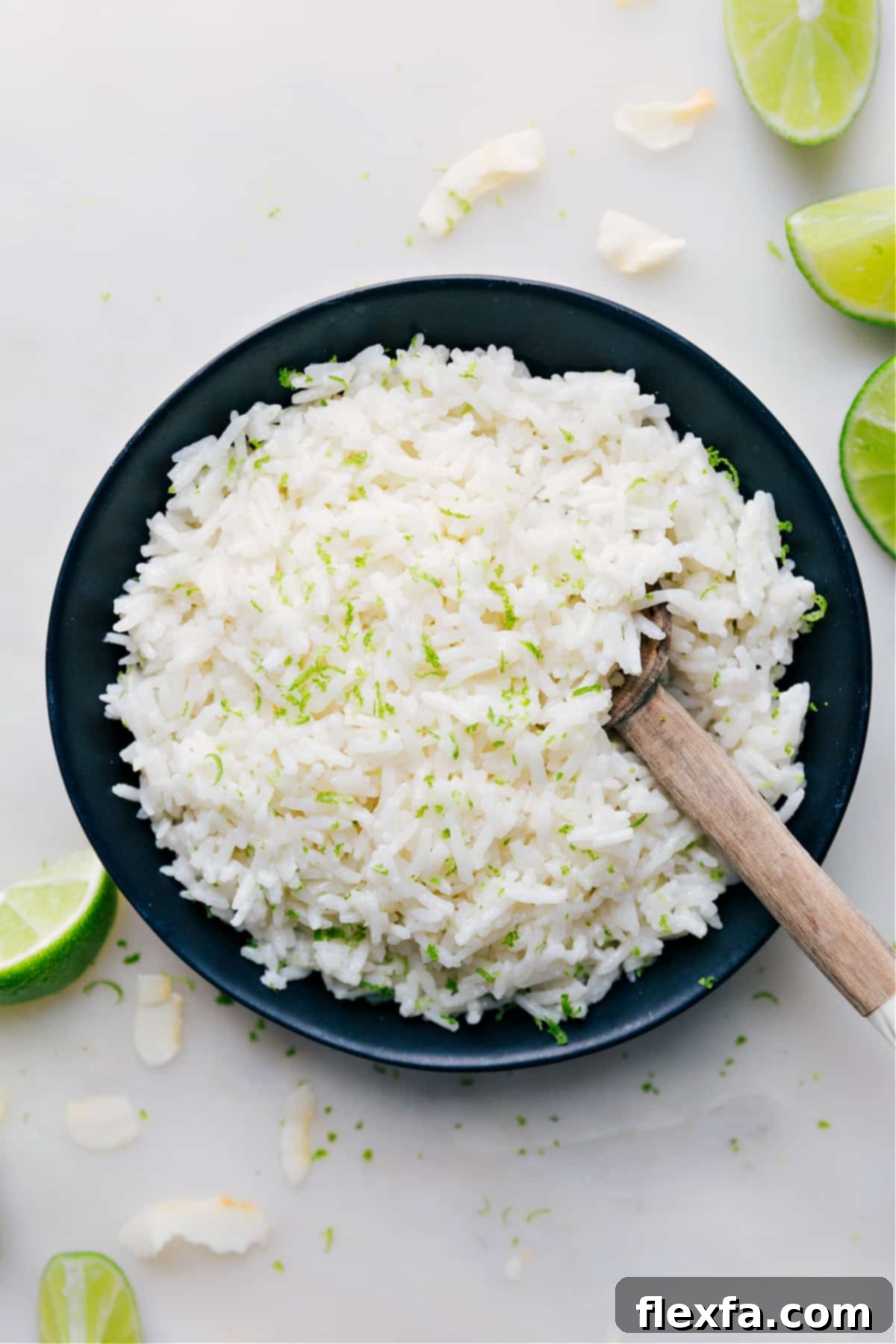
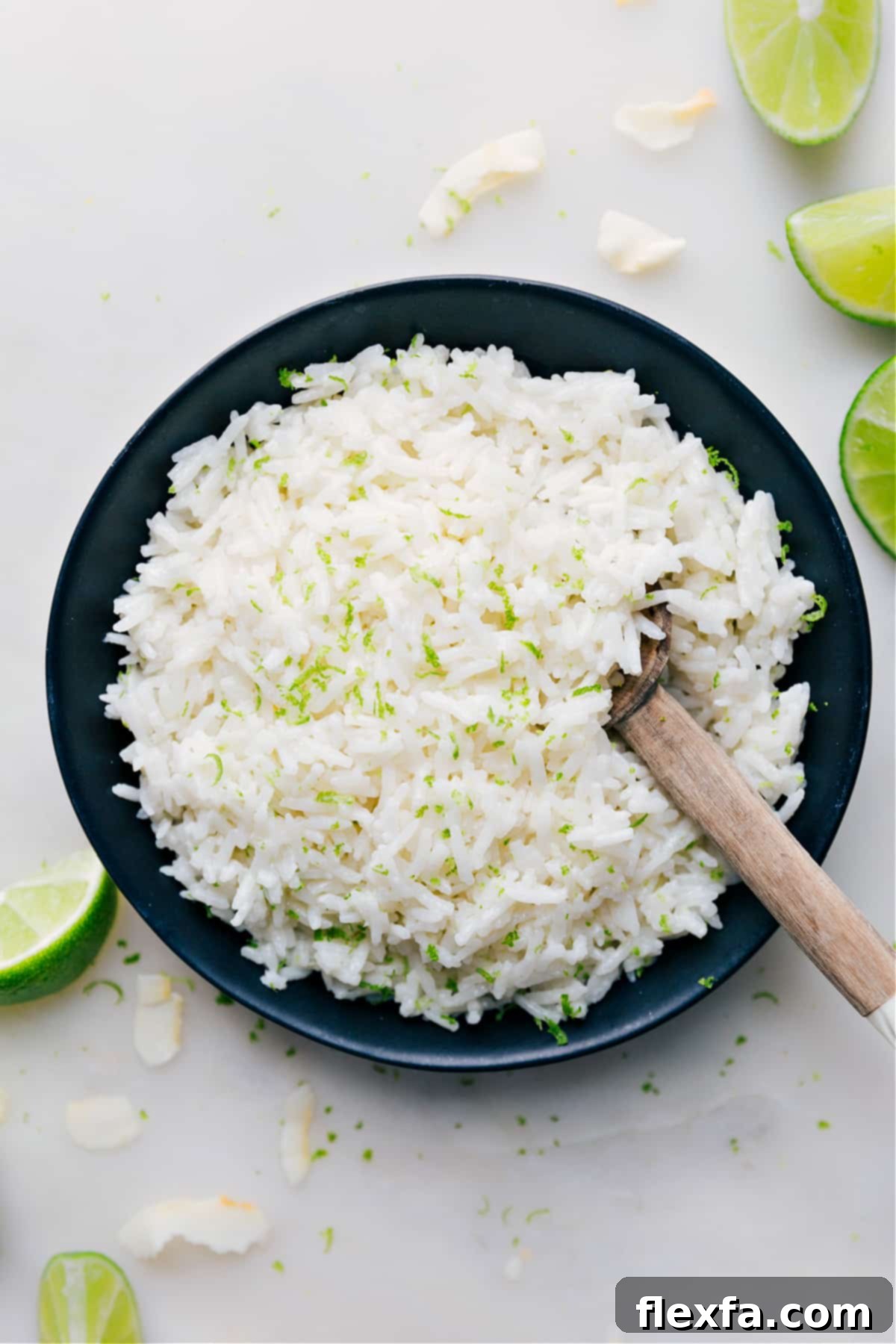
Transform your everyday meal into an extraordinary culinary experience with this incredible Coconut Rice Recipe. This dish takes ordinary rice to an entirely new level, infusing it with a rich, creamy coconut flavor, a delicate hint of sweetness, and a vibrant burst of fresh lime. It’s an irresistibly aromatic and flavorful side dish that complements a wide array of main courses.

Author’s Culinary Journey
My Go-To Coconut Rice: A Weekly Staple!
Years ago, I experimented with making coconut rice on a whim, hoping to add a little something extra to our dinner routine. The moment my kids took their first bites, a hush fell over the kitchen, followed by eager requests for second helpings. That instant quiet and subsequent enthusiasm sealed its fate – this coconut rice recipe was an undeniable winner and quickly became a beloved weekly staple in our home.
My approach to this dish is delightfully straightforward. I focus on key techniques to ensure consistently fluffy grains and clear, balanced coconut flavor. Rinsing the rice thoroughly is crucial for preventing stickiness, and shaking the can of full-fat coconut milk ensures an even distribution of creaminess. The most important, often overlooked step, is allowing the pot to rest undisturbed after cooking. This crucial period allows the steam to redistribute, resulting in perfectly separate, fluffy grains every time, with a coconut flavor that’s pronounced but never overly sweet.
Every Sunday, I prepare a generous pot of this magical rice, making sure to cook extra. A container of fluffy coconut rice always resides in our fridge, ready to become the foundation for countless quick and delicious dinners throughout the week. It serves as an exquisite base for savory dumplings, an aromatic accompaniment to grilled chicken, a perfect canvas for saucy black beans, a flavorful filling for fish tacos, or even transforms into a speedy fried rice with leftover ingredients. For a light and satisfying lunch, I simply warm a scoop with a splash of water, adding fresh pineapple chunks and a squeeze of lime for a tropical twist.
This is my personal, home-tested version of coconut rice, inspired by the diverse ways this wonderful dish appears in cuisines around the world. Depending on the menu, I sometimes lean into its savory potential, and other times, I’ll add a tiny touch of sugar to enhance its inherent sweetness, making it incredibly versatile for any meal.
What is Coconut Rice and Why You’ll Love It
Coconut rice is a fragrant, tropical twist on plain rice, popular in many parts of the world, particularly in Southeast Asian, Caribbean, and Latin American cuisines. It’s made by cooking rice in coconut milk instead of just water, infusing it with a rich, creamy flavor and a delicate sweetness. The addition of fresh lime zest and juice elevates this recipe, providing a refreshing counterpoint to the coconut’s richness.
You’ll fall in love with this recipe because it’s:
- Incredibly Flavorful: The coconut milk creates a luscious, aromatic base that transforms simple rice into something truly special.
- Versatile: It pairs beautifully with a wide range of dishes, from spicy curries and grilled meats to fresh seafood and vegetarian stews.
- Easy to Make: With just a few simple ingredients and a straightforward cooking method, even novice cooks can achieve perfect results.
- A Crowd-Pleaser: Its unique taste makes it a hit with both adults and children, often disappearing from the serving bowl in record time!
- Naturally Gluten-Free: A fantastic option for those with dietary restrictions looking for a flavorful grain side.
Essential Ingredients for the Best Coconut Rice
Crafting the perfect Coconut Rice requires only a handful of quality ingredients. Each component plays a vital role in achieving the desired texture, flavor, and aroma. Here are the 5 simple ingredients that make this recipe truly exceptional:
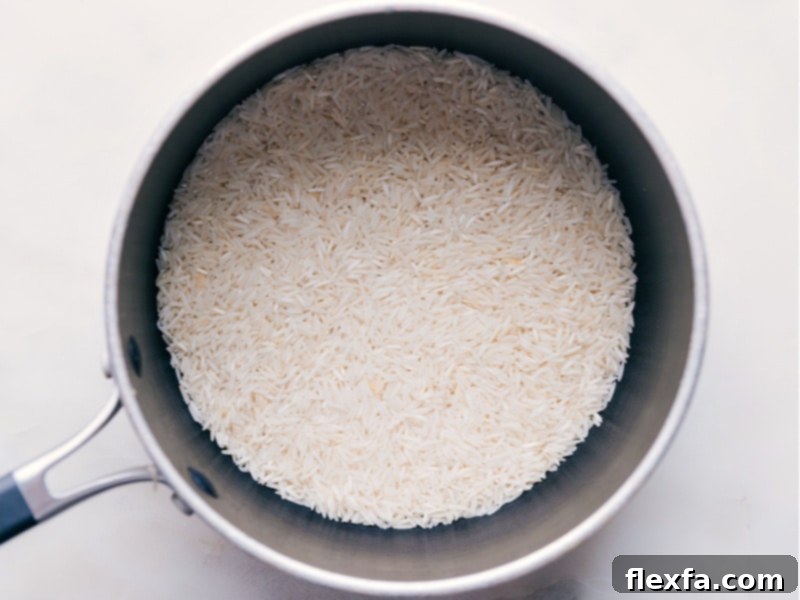
- Basmati Rice: This is my preferred rice for its long, slender grains that cook up light, fluffy, and separate. Unlike stickier rice varieties, basmati yields a beautifully tender and distinct texture. For this specific recipe, it’s crucial to skip rinsing the rice. Rinsing can alter the liquid-to-rice ratio, potentially leading to mushy results. Trust the recipe for the perfect balance.
- Full-Fat Coconut Milk: The star of the show! For unparalleled creaminess and rich coconut flavor, always opt for good-quality, full-fat canned coconut milk. Lite or reduced-fat versions are too thin and won’t deliver the indulgent texture and deep taste this dish is known for. Remember to shake the can vigorously before opening to ensure the coconut cream and water are fully combined.
- Salt: Don’t underestimate the power of salt! A generous pinch of salt is essential to enhance and balance all the flavors, bringing out the natural sweetness of the coconut and the freshness of the lime. It truly makes all the difference in achieving a well-rounded taste profile.
- Water: While coconut milk provides the primary liquid, a measured amount of water helps to balance its richness and ensures the rice cooks evenly without becoming overly dense. It’s key for achieving that perfectly tender, fluffy consistency.
- Fresh Lime Zest and Juice: This is where the magic happens! Fresh lime provides a bright, tangy counterpoint that cuts through the richness of the coconut milk, adding a delightful zest and a burst of refreshing flavor. It prevents the dish from tasting heavy and adds an irresistible aroma.
Quick Tip: Finding the Right Coconut Milk
Navigating the various types of coconut products in the grocery store can be a bit confusing, but finding the right coconut milk for this recipe is simple! Look for canned, shelf-stable, full-fat coconut milk. You’ll typically find it in the international aisle, often alongside Latin American or Asian food products. My personal favorite for its consistent quality and flavor is Imperial Dragon®, but many other reputable brands will work well. Just be sure to avoid refrigerated coconut beverages, which are too thin for this recipe.
How to Make Perfectly Fluffy Coconut Rice
Achieving perfect coconut rice is simpler than you might think! Follow these steps carefully for fluffy, flavorful results every time.
Prep Time: 5 minutes
Cook Time: 15 minutes
Resting Time: 15 minutes
Total Time: 35 minutes
Yields: 3 cups cooked rice (approx. 6 servings of 1/2 cup each)
Equipment:
- Medium pot with a tightly fitted lid
Ingredients:
- 1 cup basmati rice (do not rinse, see note 1)
- 3/4 teaspoon salt
- 1 (13.6-ounce) can full-fat coconut milk (shake well before opening, see note 2)
- 1/2 cup water
- 2 large limes
Step-by-Step Instructions:
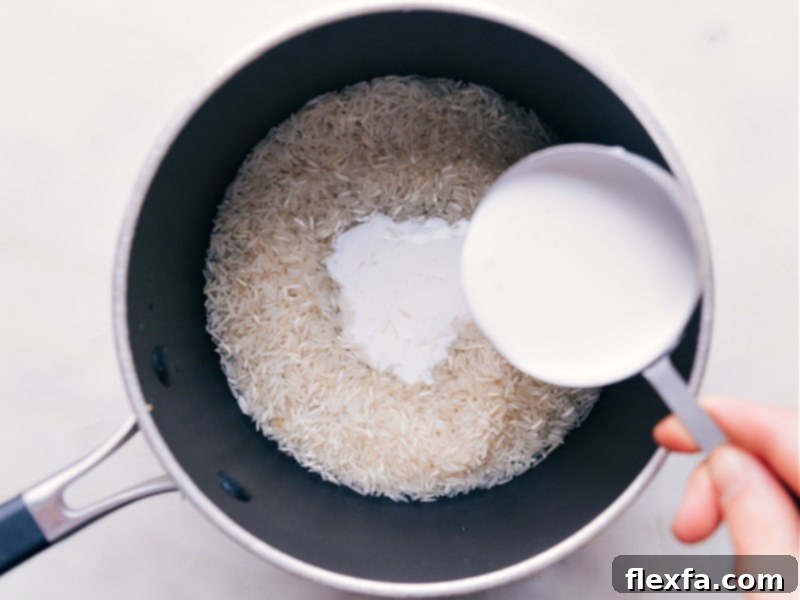
- Combine the rice, salt, full-fat coconut milk (ensuring it’s well-shaken), and water into a medium-sized pot. Use a spoon or spatula to gently stir the ingredients together, making sure the rice is evenly distributed in the liquid.
-
Place the pot over medium-high heat and bring the mixture to a rolling boil. Once boiling, immediately reduce the heat to the lowest setting. Cover the pot with a tight-fitting lid – this is essential for trapping steam and cooking the rice properly. Allow it to simmer gently for 13–18 minutes, or until all the liquid has been absorbed by the rice and the grains are tender. Resist the urge to lift the lid during this cooking process, as doing so releases steam and can interrupt the cooking.
Troubleshooting Tip: If you find that all the liquid has evaporated but the rice is still firm and crunchy, simply add a few extra tablespoons of water, quickly replace the lid, and continue to simmer for another 2-3 minutes. Conversely, if too much liquid remains after the cooking time, increase the heat slightly for a minute or two with the lid off to allow excess moisture to evaporate, stirring gently if needed. - Once cooked, remove the pot from the heat, but keep the lid securely in place. Let the rice rest undisturbed for a crucial 10–15 minutes. This resting period is vital; it allows the steam to redistribute throughout the grains, preventing them from clumping together and ensuring a beautifully fluffy, non-sticky texture. Do not skip this step!
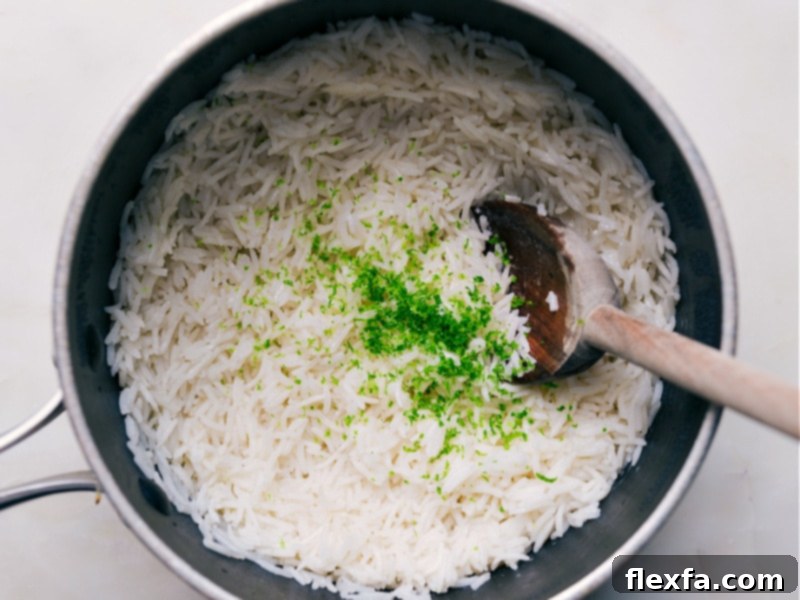
- While the rice is resting, prepare your limes. Zest both limes to yield approximately 1 teaspoon of fresh zest (be careful to only get the green part, avoiding the bitter white pith). Then, juice the limes to get about 2 tablespoons of fresh lime juice. Once the rice has rested, lift the lid, and use a fork to gently fluff the grains. Stir in the fresh lime zest and juice. Taste and adjust the seasoning as needed, adding a little more salt or lime juice to suit your preference. Serve immediately and enjoy the delightful flavors!
Pro Tips for Perfect Coconut Rice Every Time
Making delicious coconut rice is straightforward, but a few expert tips can elevate your dish from good to absolutely outstanding:
- Choose Basmati Rice: For the ideal light, fluffy, and separate grains, Basmati rice is truly the best choice. Its delicate aroma and long grains are perfect for absorbing the coconut milk without becoming sticky or mushy. Other rice types, like jasmine or short-grain, may result in a different, often stickier, texture.
- Do Not Rinse Your Rice for This Recipe: Unlike many traditional rice preparations where rinsing is recommended to remove excess starch, for this specific coconut rice recipe, it’s best to skip rinsing basmati rice. The precise liquid-to-rice ratio in this recipe is calibrated assuming the starch is present, and rinsing can disrupt this balance, potentially leading to mushy or overly wet rice.
- Allow Ample Resting Time: After the rice has finished simmering, resist the urge to peek or stir immediately. Removing the pot from heat and letting it sit, covered, for 10-15 minutes is a game-changer. This crucial resting period allows the steam to evenly redistribute throughout the grains, ensuring they become perfectly fluffy and distinct, preventing any clumping or stickiness.
- Invest in the Right Lime Tools: For maximum flavor and ease, use a proper microplane or fine grater for the lime zest. This helps you extract only the vibrant green part of the peel, avoiding the bitter white pith beneath. For juicing, a simple citrus juicer will make the process quick and efficient, yielding more juice with less effort.
- Ensure a Rolling Boil First: Before reducing the heat to a simmer, make sure your liquid mixture comes to a full, rolling boil. This initial high heat is important for kickstarting the cooking process and creating the necessary steam within the covered pot.
- Always Use Full-Fat Coconut Milk: For the creamiest texture and richest flavor, full-fat coconut milk is non-negotiable. Lite or reduced-fat varieties are too watery and will result in a less flavorful, less satisfying rice that lacks the characteristic richness of traditional coconut rice.
Exciting Variations: Jazz Up Your Coconut Rice!
While this classic coconut rice recipe is perfect on its own, it also serves as a fantastic base for creativity. Feel free to experiment with these fun add-ins to customize your dish and explore new flavor profiles:
- Tropical Mango & Black Beans: For a vibrant, meal-in-one side, stir in diced fresh mango and rinsed, drained black beans after the rice has rested. This combination is especially delicious with grilled chicken or fish.
- Colorful Confetti Rice: Brighten up your rice with a medley of finely diced and lightly sautéed bell peppers (red, yellow, orange), shredded carrots, or even a handful of frozen peas added during the last few minutes of cooking.
- Sweet & Savory Pineapple & Kidney Beans: Introduce another tropical dimension by folding in diced fresh or canned pineapple chunks (drained) along with rinsed kidney beans. This works wonderfully with pork or plant-based protein.
- Fresh Herbs for Fragrance: A sprinkle of freshly chopped cilantro or parsley just before serving adds an aromatic lift and beautiful green color. Mint can also offer an unexpected, refreshing twist.
- Toasted Nuts for Texture: For a delightful crunch, top your finished coconut rice with a handful of toasted macadamia nuts, slivered almonds, or chopped peanuts. Toasting brings out their rich flavor.
- Golden Raisins for Sweetness: If you prefer a slightly sweeter and more complex flavor, add a handful of golden raisins to the pot while the rice cooks. They will plump up and infuse the rice with a subtle, fruity sweetness.
- Spicy Kick: For those who enjoy a bit of heat, consider adding a pinch of red pepper flakes or a thinly sliced fresh chili (like a bird’s eye chili) along with the other ingredients before cooking.
- Ginger & Garlic Infusion: Sauté a teaspoon of minced fresh ginger and garlic in a little oil before adding the rice and liquids for an extra layer of savory depth, especially good for Asian-inspired meals.
Storage and Reheating
- Fridge: Ensure the rice cools completely to room temperature within one hour of cooking. Store it in an airtight container in the refrigerator for up to 4-6 days. When reheating, you can use the microwave, stovetop (with a splash of water), or oven until heated through.
- Freezer: For longer storage, allow the cooked coconut rice to cool completely. Transfer it to freezer-safe bags or containers, pressing out any excess air. It can be stored in the freezer for up to 6 months. To reheat from frozen, place it in a microwave-safe bowl with a damp paper towel over the top, and microwave on high, stirring occasionally, until hot and fluffy.
What to Serve with Coconut Rice: Perfect Pairings
Coconut rice is incredibly versatile and pairs wonderfully with a diverse range of dishes. Its creamy texture and hint of sweetness make it a fantastic counterpoint to spicy, savory, or tangy main courses. Here are some delicious ideas for what to serve alongside your fluffy coconut rice:
Inspired Meal Ideas:
Dinner
Pineapple Chicken and Rice Bowl
Dinner
Blackened Tilapia Recipe
Dinner
Vegetarian Thai Green Curry
Dinner
Teriyaki Chicken Skewers
Beyond these specific recipes, consider pairing your coconut rice with:
- Grilled or Roasted Meats: Chicken, pork, or beef develop a delicious char that contrasts beautifully with the creamy rice. Try it with a simple grilled curry chicken or spicy jerk pork.
- Seafood: Shrimp, fish tacos, or baked salmon are excellent choices. The lime in the rice complements seafood wonderfully.
- Curries and Stews: Especially Thai, Indian, or Caribbean curries. The rice helps to mellow out spicy flavors and soaks up rich sauces.
- Beans and Legumes: Black beans, kidney beans, or lentils often feature in dishes served with coconut rice in various cultures.
- Vegetarian Dishes: Tofu stir-fries, vegetable curries, or simple sautéed greens get an exotic upgrade.
- Tropical Salads: Serve as a base for a warm grain salad with ingredients like pineapple, mango, bell peppers, and fresh herbs.
Frequently Asked Questions About Coconut Rice
Here are some common questions to help you master this delicious coconut rice recipe:
What kind of rice is best for coconut rice?
Basmati rice is highly recommended for its long grains, fluffy texture, and delicate aroma, which complements the coconut flavor perfectly. Jasmine rice is another popular choice that works well, offering a slightly softer, stickier result. Avoid very sticky or glutinous rice types unless you are aiming for a specific, dessert-like consistency.
Do I need to rinse basmati rice for this recipe?
For this particular recipe, it’s best to not rinse the basmati rice. The liquid-to-rice ratio is specifically calibrated to account for the starch present on unrinsed grains. Rinsing can affect the absorption rate and may lead to overly wet or mushy rice. If you prefer to rinse your rice for other dishes, feel free, but for this recipe, skip it for the best results!
Can I use light coconut milk?
While you technically *can* use light coconut milk, it is strongly advised against for this recipe. Light coconut milk contains a higher water content and significantly less fat, which means your rice will lack the rich, creamy texture and deep coconut flavor that makes this dish so special. For the best, most authentic results, always opt for full-fat coconut milk.
Can I add sugar to my coconut rice?
Yes, absolutely! The recipe provides a savory base with a hint of natural sweetness from the coconut milk. If you prefer a distinctly sweeter coconut rice, often served with tropical fruits or certain Southeast Asian dishes, you can add 1-2 teaspoons of granulated sugar or brown sugar to the pot along with the other ingredients before cooking. Adjust to your personal taste.
How long does coconut rice last in the fridge?
Once cooled properly, cooked coconut rice can be stored in an airtight container in the refrigerator for 4-6 days. Ensure it cools completely before refrigerating to prevent bacterial growth and maintain freshness.
Can I freeze coconut rice?
Yes, coconut rice freezes beautifully! Allow it to cool completely after cooking. Transfer it into freezer-safe bags or containers, ensuring there’s as little air as possible. It can be stored in the freezer for up to 6 months. Thaw in the refrigerator overnight or reheat directly from frozen in the microwave with a damp paper towel.
Is coconut rice healthy?
Coconut rice, particularly when made with full-fat coconut milk, is richer in calories and saturated fat compared to plain white rice. However, coconut milk also provides healthy fats, vitamins, and minerals. It’s a flavorful side dish that can be part of a balanced diet when consumed in moderation. The nutrition information provided is an approximation and should be used as a guide.
Elevate Your Meals with This Easy Coconut Rice!
This Coconut Rice Recipe is more than just a side dish; it’s an experience. With its rich coconut aroma, fluffy texture, and bright lime finish, it promises to elevate any meal into something truly memorable. Whether you’re serving it with a simple weeknight dinner or a festive gathering, this recipe is sure to impress. Give it a try and discover your new favorite way to enjoy rice!
Love this recipe? Share your thoughts below!