
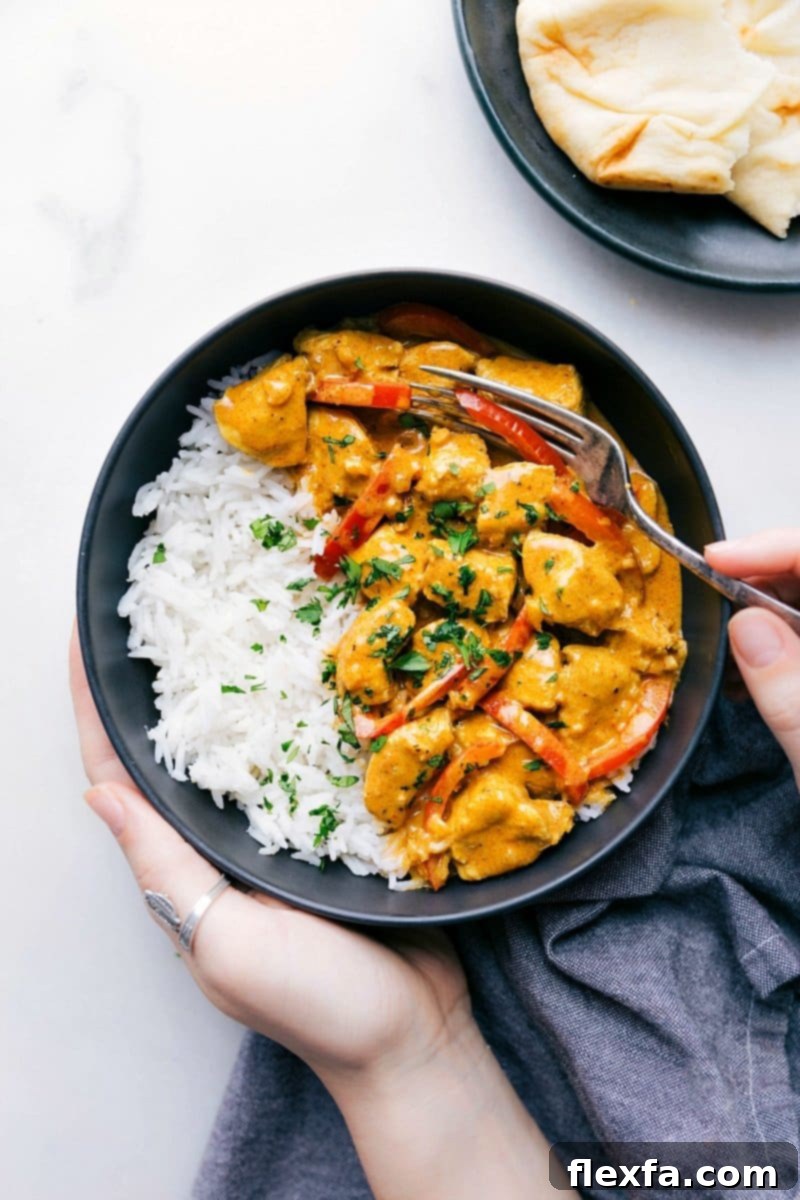
Make Coconut Curry Chicken in one pot in 30 minutes or less. It’s packed with delicious flavors and is the perfect weeknight dinner.
Easy One-Pot Coconut Curry Chicken: Your New Favorite Weeknight Meal
When the dinner dilemma strikes and you’re craving something both comforting and exotic, this creamy, flavorful Coconut Curry Chicken recipe always delivers. It’s a fast, healthy, and incredibly satisfying dish that can be on your table in 30 minutes or less, making it an absolute lifesaver for busy weeknights. This isn’t just a meal; it’s a culinary journey packed into a single pot, designed for maximum flavor with minimal fuss.
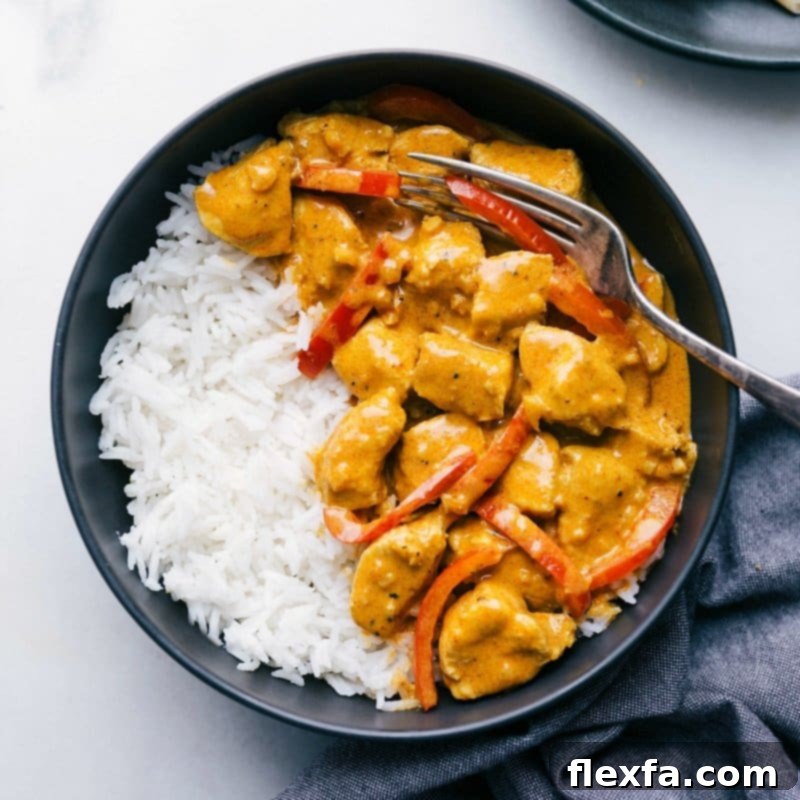
This vibrant curry pairs beautifully with a variety of sides. Serve it over fluffy rice – jasmine or basmati work wonderfully – to soak up every last drop of the rich, aromatic sauce. Warm, pillowy naan bread is another excellent choice, perfect for scooping. For a balanced meal, consider adding a side of roasted carrots or roasted sweet potatoes, which complement the curry’s flavors with their natural sweetness.
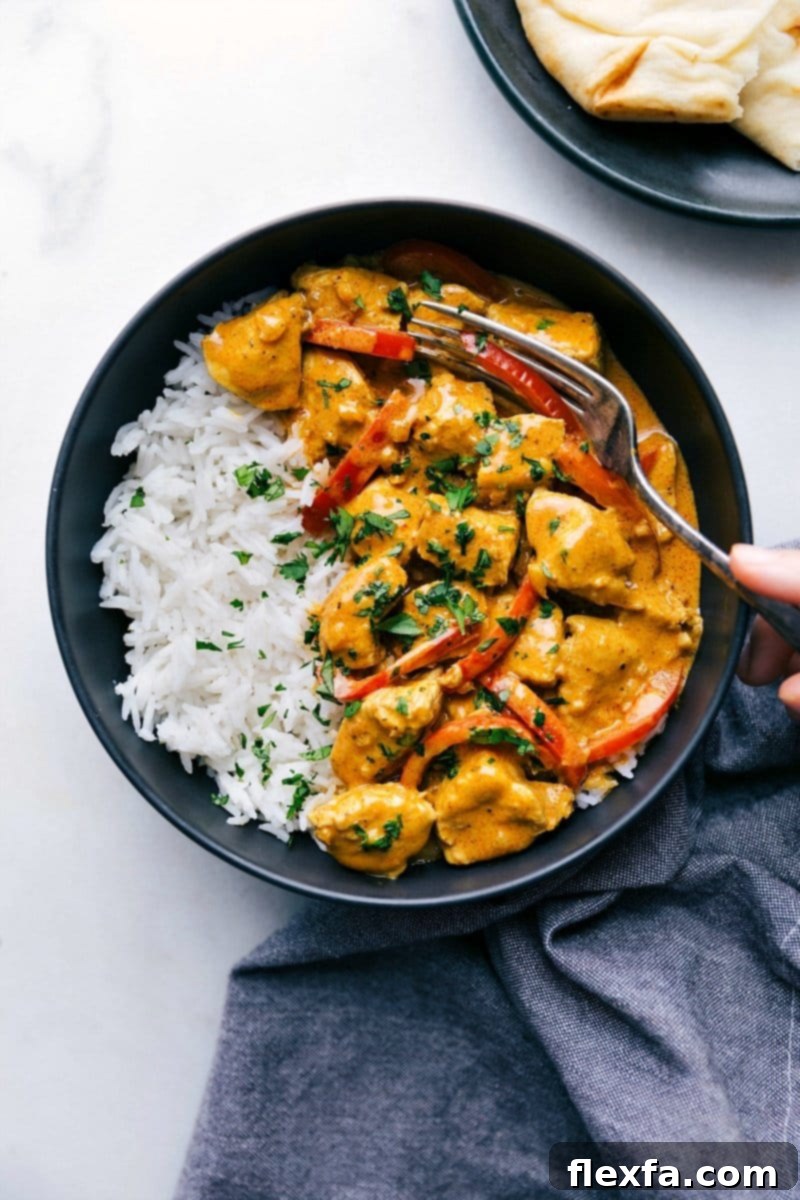
This dish is a testament to how simple ingredients can create profound flavors. It’s not just my husband’s favorite; even as someone who typically leans towards veggie-focused meals like butternut squash curry, I find myself constantly drawn to the irresistible appeal of this chicken curry. Its balance of savory, sweet, and subtly spicy notes makes it a universal crowd-pleaser that you’ll want to add to your regular rotation.
Unveiling the Rich Flavors of Coconut Curry Chicken
The magic of this Coconut Curry Chicken lies in its carefully selected blend of spices. For this particular recipe, we harness the robust depth of red curry paste, complemented by the warmth of yellow curry powder and a generous amount of ground coriander. If you’re curious about what coconut curry tastes like, imagine a harmonious blend of mostly savory notes with a delightful underlying sweetness, all kissed with a gentle warmth from the red curry.
Red curry paste itself is a powerhouse of flavor, typically crafted from a vibrant mix of crushed red chilies, pungent garlic, fragrant lemongrass, delicate shallots, zesty ginger, and a touch of fish paste for umami. We further amplify these foundational flavors by incorporating additional fresh garlic, ginger, and sweet onions into the dish. The slow sautéing of the onions in coconut oil is key to building a deep, caramelized flavor base that sweetens the curry naturally.
In terms of spiciness, I would generally categorize this dish as mild. However, the exact heat level can vary significantly depending on the brand of red curry paste you choose. From my experience, brands like Thai Kitchen® tend to produce a milder flavor profile, making this recipe accessible and enjoyable for a wide range of palates. If you prefer more heat, feel free to adjust the amount of red curry paste to your liking.
Your Questions About Coconut Curry Chicken Answered
What elements contribute to the sweetness in this curry?
- Slow-cooked Onions: Sautéing the onions slowly and for an extended period allows them to caramelize and develop a deep, naturally sweet flavor, forming a fantastic base for the curry.
- Creamy Coconut Milk: Coconut milk, especially full-fat varieties, imparts a natural sweetness that is distinct from regular dairy cream, contributing significantly to the curry’s rich and mellow taste.
- A Touch of Brown Sugar: We add a small amount of brown sugar (which is optional and can be adjusted to taste) to enhance the overall sweetness and balance the savory and spicy notes.
- Coriander and Curry Powder: Coriander is known for its naturally sweet and citrusy notes. Furthermore, many yellow curry powders also contain sweeter spices, which collectively add layers of bright sweetness to the dish.
What does curry powder taste like?
Curry powder boasts a complex and unique flavor profile, characterized by a delightful interplay of both savory and sweet spices. Key ingredients like cumin, turmeric, and bay leaf contribute a deep, earthy, and robustly savory foundation. Meanwhile, sweet spices such as cinnamon and cloves introduce brightness, warmth, and a subtle sweetness that rounds out the overall taste. This blend creates a versatile spice mix that adds incredible depth to the coconut curry.
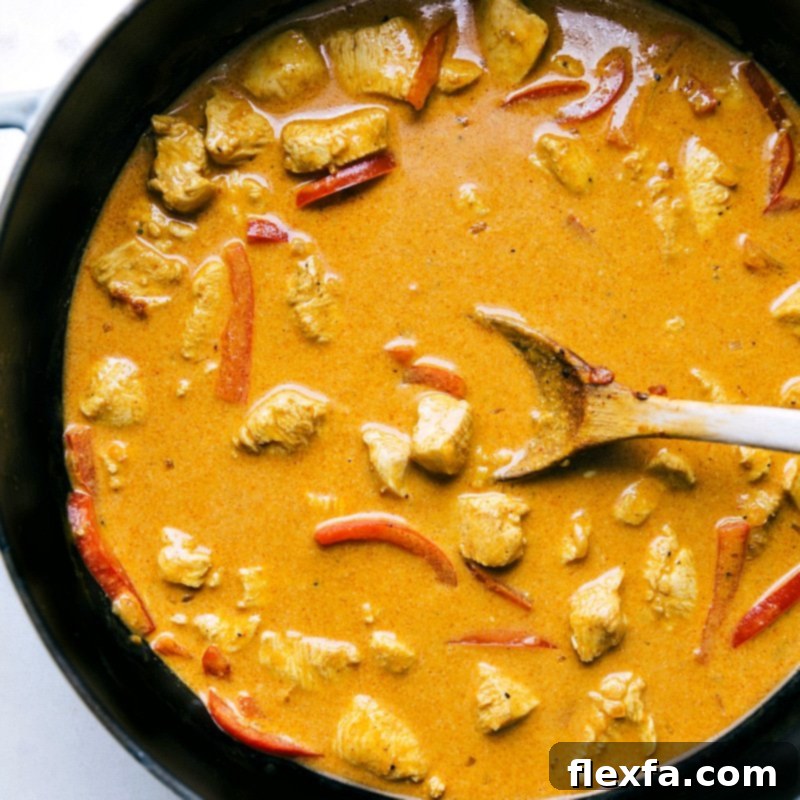
Navigating the various coconut products available can sometimes be confusing when you’re aiming for the perfect coconut curry chicken. To simplify your cooking process and ensure the best results, let’s break down the differences and optimal choices below.
Coconut Milk or Coconut Cream: Which is best for this recipe?
- Coconut Milk: This is the more liquid of the two, possessing a consistency similar to cow’s milk. It typically forms the foundation of most Thai curries. It’s traditionally made by simmering 1 part shredded coconut with 1 part water, yielding a lighter, pourable liquid.
- Coconut Cream: Significantly thicker and richer than coconut milk, coconut cream is made by simmering a higher concentration of coconut – typically 4 parts shredded coconut to 1 part water. Its luxurious texture makes it ideal for richer sauces or desserts.
- Cream of Coconut: It’s important not to confuse this with coconut cream. Cream of coconut is a heavily sweetened product, primarily used in cocktails (like piña coladas) or sweet desserts. Due to its high sugar content, it is generally not suitable as a substitute for coconut milk or unsweetened coconut cream in savory dishes like curry.
Can I use coconut cream in this chicken curry recipe?
For this specific Coconut Curry Chicken recipe, we strongly recommend using full-fat coconut milk. The full-fat variety is crucial for achieving the desired creamy texture and a rich, deeply satisfying flavor. Lite coconut milk, on the other hand, often results in a thinner sauce and a less robust flavor profile. While coconut cream might seem like a good option for richness, it tends to be too thick and can sometimes overpower the other delicate flavors in this curry with an overly strong coconut taste. Cream of coconut, being very sweet, is definitely not a suitable alternative for this savory dish.
Enhance Your Coconut Curry Chicken: Must-Try Additions
While delicious on its own, a few simple additions can elevate your creamy Coconut Curry Chicken from merely good to absolutely phenomenal. These fresh elements brighten the dish and add layers of complexity that truly make it sing:
- Fresh Lime Juice: A squeeze of fresh lime juice just before serving is transformative. Its bright, zesty acidity cuts through the richness of the coconut milk and enhances all the other flavors.
- Finely Chopped Cilantro or Basil: Fresh herbs are a game-changer. Finely chopped cilantro adds a fresh, herbaceous note, while fresh basil (especially Thai basil if you can find it) introduces a peppery, anise-like aroma that is truly authentic to Southeast Asian cuisine.
- A Hint of Brown Sugar: While optional, a little bit of brown sugar helps to balance the savory and spicy notes, deepening the overall flavor profile and adding a subtle sweetness that is characteristic of many curries.
Other excellent optional add-ins that bring texture and an extra dimension of flavor:
- Chopped Peanuts or Cashews: A sprinkle of crushed peanuts or cashews offers a delightful crunch and nutty flavor, providing a wonderful contrast to the creamy sauce.
- Fish Sauce: A small dash of fish sauce, added at the end, can deepen the umami notes of the curry without making it taste “fishy.” It’s a secret ingredient that brings out the best in many Thai dishes.
Customizing Your Coconut Curry Chicken
This Coconut Curry Chicken recipe is wonderfully versatile, allowing for various adaptations to suit your taste preferences or what you have on hand:
- Coconut Curry Chicken with Extra Vegetables: The recipe already includes red bell pepper, but don’t hesitate to boost your veggie intake! You can easily add carrot sticks (introduce them along with the red bell pepper for adequate cooking time) or spinach (stir it in at the very end; the residual heat of the curry will quickly wilt it down). Broccoli florets, green beans, or snap peas are also fantastic additions.
- Coconut Curry Chicken Thighs: If you prefer dark meat, boneless, skinless chicken thighs are an excellent substitute for chicken breast. They tend to stay more moist and flavorful. Just remember to adjust the cooking time slightly, as thighs may take a minute or two longer to cook through than breast meat. Ensure they are cut into 1-inch pieces for even cooking.
- Chicken Curry with Coconut Milk and Potatoes: For a heartier meal, consider adding baby Yukon gold potatoes. To ensure they cook evenly and absorb the rich curry flavors, I recommend microwaving whole potatoes for 5-8 minutes (or until tender but still firm) before cutting them into quarters and adding them to the skillet alongside the red bell pepper. This pre-cooking step allows them to finish cooking in the sauce without becoming mushy.
- Slow Cooker Coconut Chicken Curry: If you prefer a hands-off approach, this recipe can be adapted for a slow cooker. You might want to explore specific slow cooker recipes like this one, which are designed to maximize flavor and tenderness over a longer cooking period.
The Easy One-Pot Coconut Chicken Curry Recipe
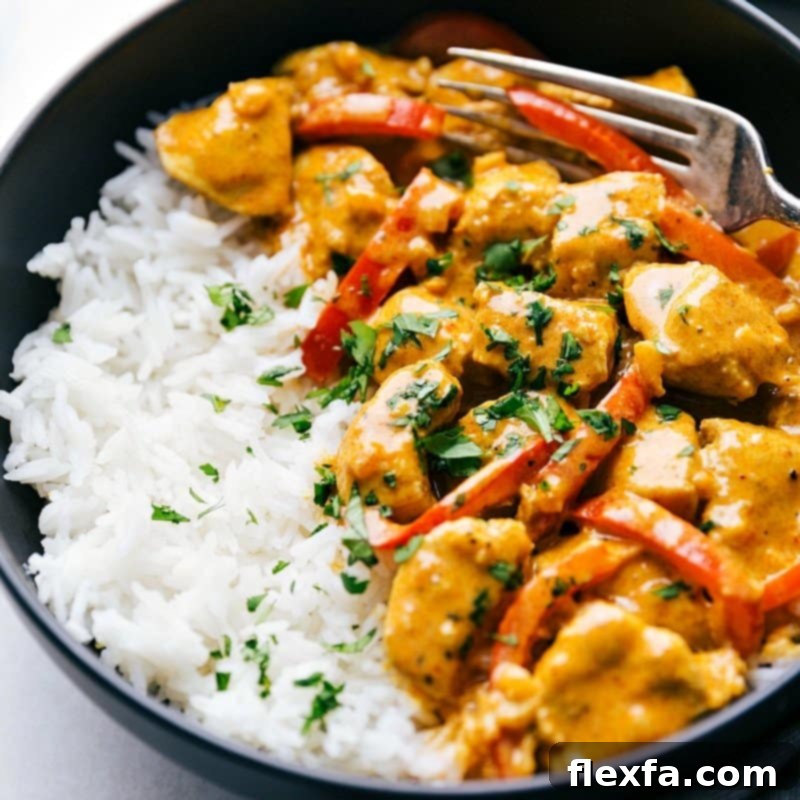
This recipe for Coconut Chicken Curry is packed with delicious flavors and offers an incredibly easy, one-pot cooking experience. It can be made in 30 minutes or less, making it truly the perfect weeknight dinner.

Coconut Chicken Curry
Coconut Chicken Curry is packed with delicious flavors and is an easy one-pot meal. This curry can be made in 30 minutes or less, making it the perfect weeknight dinner!
By Chelsea Lords
Prep Time: 15 minutes
Cook Time: 15 minutes
Total Time: 30 minutes
Servings: 4 servings
Equipment
- Large skillet
Ingredients
- 3 tablespoons coconut oil, divided
- 1/2 medium yellow onion, diced (about 1/2 cup)
- 3 cloves minced garlic (about 1 and 1/2 teaspoons)
- 2 tablespoons finely minced ginger (from a 1 and 1/2-inch piece)
- 2 teaspoons yellow curry powder
- 3 tablespoons red curry paste (I use Thai Kitchen; adjust for spice levels)
- 2 teaspoons ground coriander
- 1 large red bell pepper, thinly sliced
- 1 pound boneless, skinless chicken breast or thighs, cut into 1-inch pieces
- Salt and pepper, to taste
- 1 (13.5-ounce) can full-fat coconut milk (not lite)
- 1 lime, juiced (about 1 tablespoon)
- 1 to 2 tablespoons brown sugar, to taste
- 2 teaspoons fish sauce, optional
- 1/4 cup fresh cilantro and/or basil, diced, for garnish
- Chopped peanuts or cashews, optional, for garnish
- Serving suggestions: cooked basmati rice and naan bread
Instructions
- Prep Ingredients: Begin by dicing the yellow onion, mincing the garlic, and finely mincing the ginger. Peel the ginger with a spoon or vegetable peeler before mincing. Thinly slice the red bell pepper into long vertical strips, then cut those strips in half horizontally for bite-sized pieces.
- Sauté Aromatics: Heat 2 tablespoons of coconut oil in a large, deep skillet over medium-high heat. Add the diced onion and sauté for 3–5 minutes, stirring occasionally, until the onions begin to soften and turn golden. Reduce the heat to low, then add the minced garlic and ginger, stirring to coat everything with the oil. Stir in the yellow curry powder, red curry paste, and ground coriander. Continue to stir often for 2–3 minutes, allowing the spices to lightly toast and become wonderfully fragrant. This step is crucial for developing deep flavor.
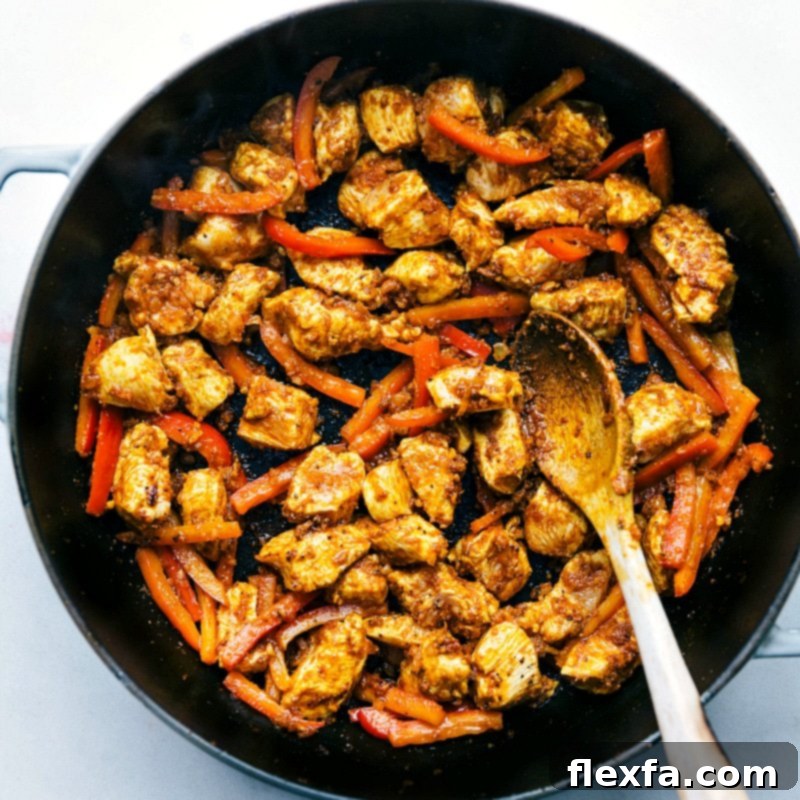
- Brown Chicken and Peppers: Return the heat to medium-high. Add the remaining 1 tablespoon of coconut oil and the sliced red bell pepper to the skillet. Stir for 1–2 minutes to slightly soften the peppers. Next, add the 1-inch pieces of chicken. Season generously with salt and pepper (I typically use about 1 teaspoon fine sea salt and 1/2 teaspoon black pepper). Cook, stirring frequently, for about 4–5 minutes, or until the chicken is browned on both sides but not yet cooked through to the center.
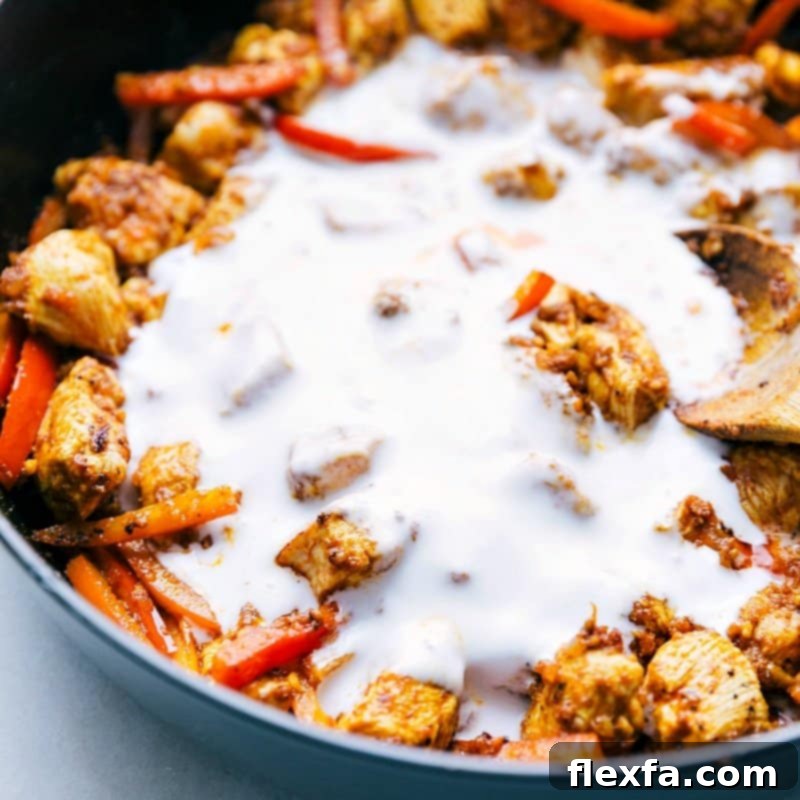
- Simmer the Curry: Pour in the full-fat coconut milk, 1 tablespoon of fresh lime juice, and 1 tablespoon of brown sugar. Stir well to combine all ingredients. Continue to simmer, stirring occasionally, until the chicken is fully cooked through (its juices should run clear, and an internal temperature of 165°F/74°C should be reached) and the curry sauce has slightly thickened to your desired consistency. Taste and adjust the seasoning, adding more brown sugar if you prefer a sweeter curry, or a pinch more salt. If desired, stir in the fish sauce for an extra layer of umami.
- Serve and Garnish: Ladle the creamy Coconut Curry Chicken generously over a bed of cooked basmati rice and/or serve alongside warm naan bread. Garnish individual plates with a sprinkle of fresh cilantro, basil, and/or crushed peanuts or cashews for added texture and aroma. Offer additional lime wedges on the side for those who enjoy an extra squeeze of citrus.
Recipe Notes
- Note 1: Serving Suggestions: Serve this delicious curry over freshly cooked basmati rice and with warm naan bread. Additional lime wedges can be served on the side for an extra burst of freshness.
- Note 2: Thicker Sauce: If you desire a thicker curry sauce, you can easily achieve this. Remove 1–2 tablespoons of the hot curry sauce into a small bowl. Whisk in 1 tablespoon of cornstarch until completely smooth, forming a slurry. Stir this cornstarch mixture back into the simmering curry sauce in the skillet. Continue to cook and stir for another minute or two until the sauce thickens to your preference.
- Storage: Store any leftover Coconut Chicken Curry in an airtight container in the refrigerator for up to 3 days. For longer storage, it can be frozen for up to 3 months. When reheating, use either the microwave or the stovetop. If the sauce appears too thick after refrigeration or freezing, add a splash of extra coconut milk or water to loosen it to your desired consistency.
Nutrition
Serving: 1 serving |
Calories: 464 kcal |
Carbohydrates: 13 g |
Protein: 27 g |
Fat: 35 g |
Saturated Fat: 28 g |
Cholesterol: 73 mg |
Sodium: 149 mg |
Potassium: 788 mg |
Fiber: 2 g |
Sugar: 6 g |
Vitamin A: 3090 IU |
Vitamin C: 59 mg |
Calcium: 61 mg |
Iron: 5 mg
Nutrition information is an approximation and should not be considered a substitute for professional nutritionist advice.
Explore More Delicious Chicken Dinners
If you’re a fan of quick, flavorful chicken recipes, you’ll love these other options that are perfect for any night of the week:
- Easy, One-Pot Pesto Chicken Tortellini
- Sweet & Tangy Mango Chicken
- Comforting Chicken Ramen
- Zesty Cilantro Lime Chicken
- Homemade Teriyaki Chicken over coconut rice
I hope this One-Pot Coconut Curry Chicken becomes a beloved staple in your kitchen. Its simplicity, speed, and incredible flavor make it a true winner. Give it a try and discover why it’s a go-to meal for so many! Don’t forget to leave a comment below and share your experience!