
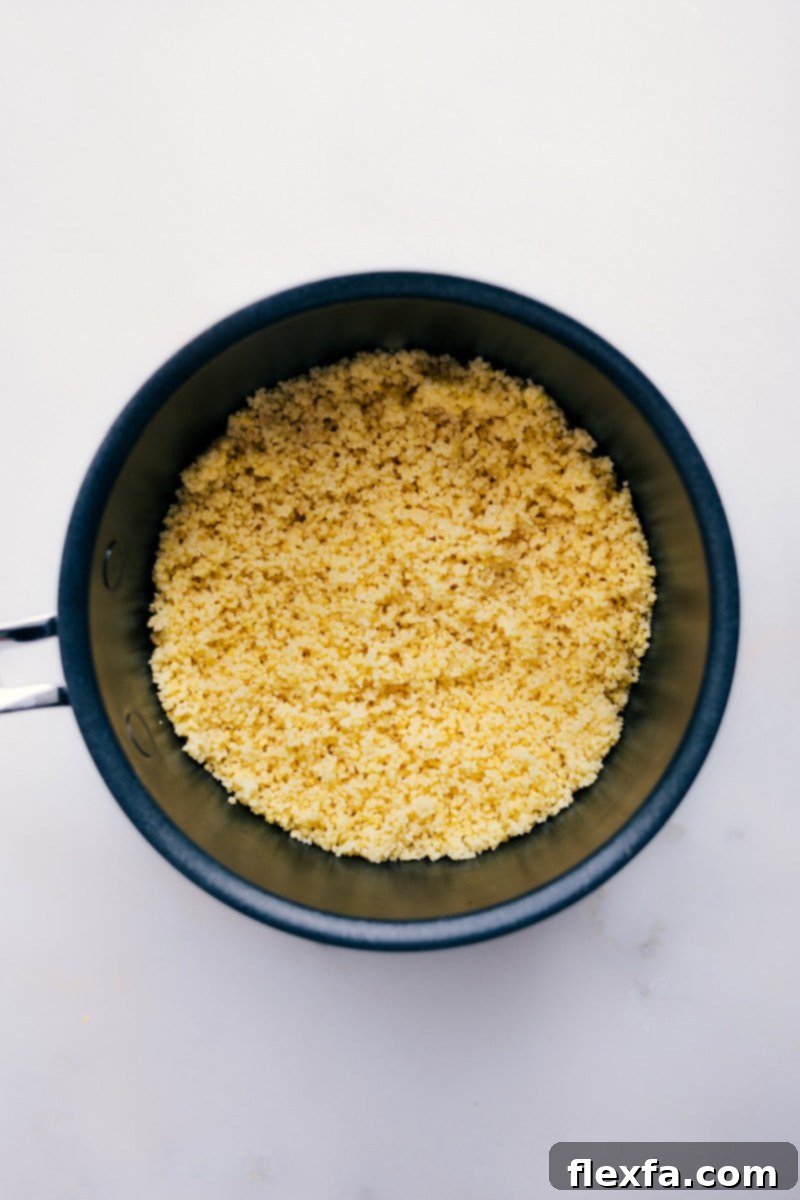
This Couscous Recipe is your ultimate guide to preparing a quick, easy, and incredibly versatile side dish. Perfect whether served simply as a light accompaniment or enhanced with a vibrant mix of herbs, dried fruits, and nuts, this recipe transforms basic semolina into a flavorful delight in mere minutes. Get ready to elevate your meal prep with this adaptable staple!
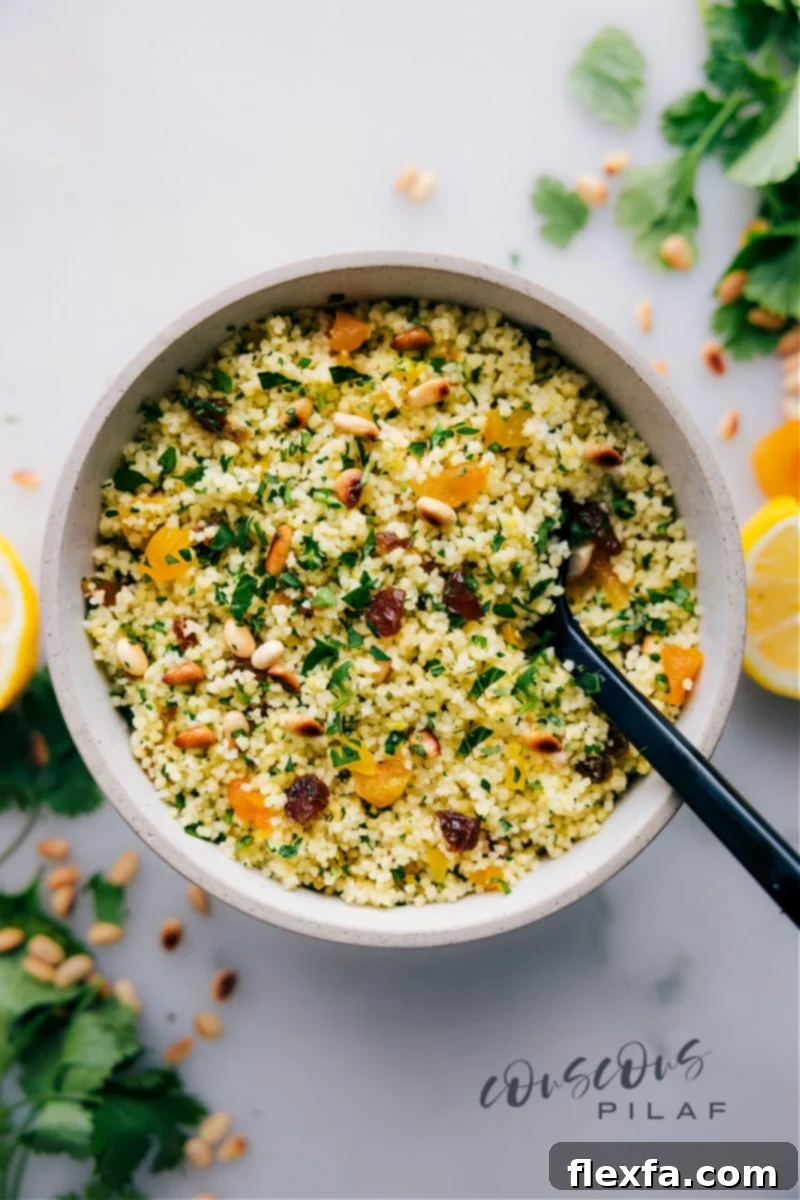
Quick & Easy Couscous Recipe: Your Ultimate Guide to a Versatile Side Dish
Couscous, a culinary gem from North Africa, has earned its place on tables worldwide thanks to its incredible speed and ease of preparation, not to mention its delightful versatility. If you’re searching for a simple yet elegant side dish that can complement almost any main course, look no further. This comprehensive guide will walk you through everything you need to know about making perfect couscous, from understanding its origins to exploring countless ways to customize it.
Whether you’re a seasoned chef or a beginner in the kitchen, this couscous recipe is designed to be straightforward and rewarding. We’ll cover the basics of cooking plain couscous, then dive into exciting variations that incorporate fresh herbs, tangy dried fruits, and crunchy nuts, transforming it from a simple grain into a vibrant, flavorful dish. Prepare to impress your family and friends with a side that’s not only delicious but also remarkably quick to make!
What Exactly Is Couscous? An Essential Overview
At its core, couscous is a staple food in North African cuisine, particularly prominent in countries like Morocco, Algeria, Tunisia, and Libya. It consists of tiny granules made from crushed durum wheat semolina, which is typically steamed. While traditionally prepared by hand through an intricate process of moistening and rolling the semolina, the couscous found in most Western grocery stores is often “instant” or “quick-cooking.” This means it has been pre-steamed and then dried, significantly reducing its cooking time to just a few minutes of rehydration in hot liquid.
Despite its grain-like appearance and texture, couscous is technically a type of pasta, deriving from semolina flour. This makes it an excellent canvas for absorbing the flavors of broths, seasonings, and other ingredients you choose to pair it with. It boasts a subtly nutty flavor on its own, which becomes even more pronounced when cooked in savory stocks or broths. Importantly, since it’s wheat-based, traditional couscous is not gluten-free. For those with gluten sensitivities or preferences, excellent alternatives like quinoa or millet can be used to achieve a similar texture and versatility.
The History and Cultural Significance of Couscous
Couscous has a rich history dating back centuries, with its origins often traced to the Berber people of North Africa. It was a staple long before its popularization in other parts of the world, serving as a primary source of sustenance and a central component of communal meals and celebrations. The traditional preparation of couscous is a meticulous, often multi-day process, reflecting its importance in the region’s culinary heritage. Women would spend hours rolling the semolina by hand, steaming it repeatedly in a specialized steamer pot called a couscoussier, and then drying it for storage. This labor-intensive method fostered community and culinary skill, making couscous not just food, but a symbol of hospitality and tradition.
Today, while instant couscous offers unparalleled convenience, the cultural reverence for couscous remains. It is frequently served as a national dish, often accompanied by elaborate stews of meat and vegetables, embodying warmth, comfort, and the vibrant flavors of North African spice blends. Understanding this rich background enhances the appreciation of even the simplest couscous dish.
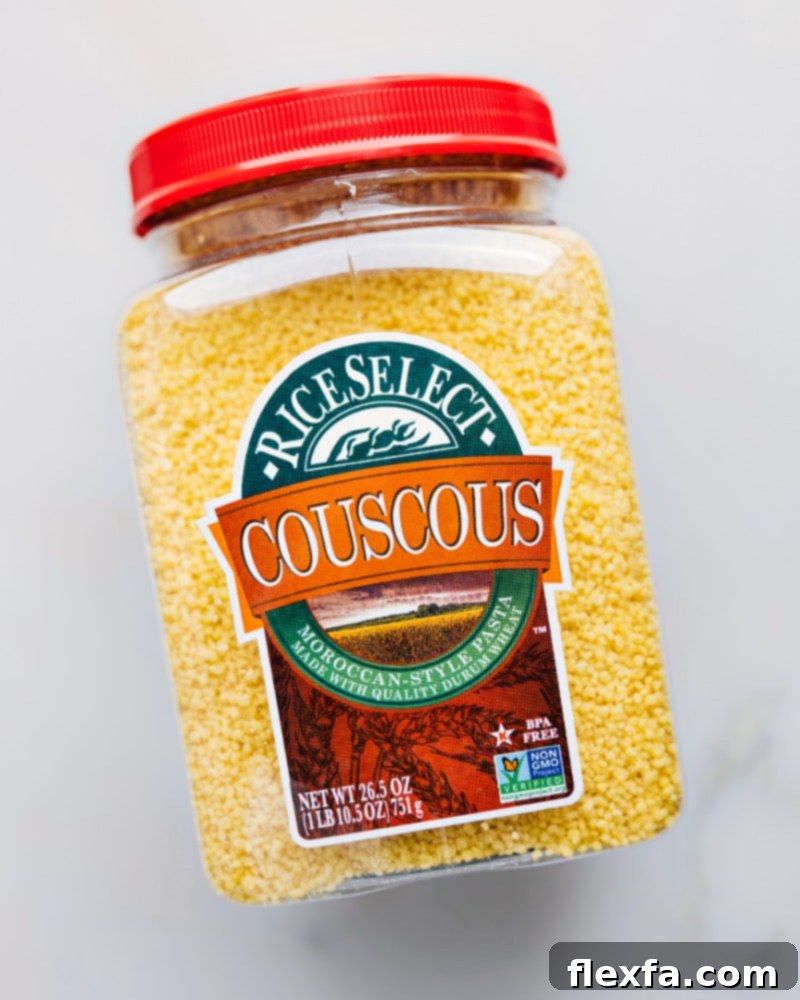
Choosing the Right Couscous: Types and Their Uses
While the term “couscous” is often used broadly, there are actually a few distinct types, each with unique characteristics and best uses. The most common varieties you’ll encounter in grocery stores are Moroccan and Israeli (also known as Pearl) couscous. Understanding the differences between them is key to achieving your desired texture and flavor profile.
| Type | Also called | Size & Texture | How to Cook | Best Uses |
|---|---|---|---|---|
| Moroccan Couscous | Small-grain, Instant Couscous | Tiny, light, fluffy, quick-cooking | Boil liquid, remove from heat, stir in couscous, cover 5 minutes, fluff with a fork | Ideal for quick side dishes, light salads, absorbing rich sauces. |
| Pearl Couscous | Israeli Couscous, Giant Couscous | Larger pearls, chewy, pasta-like | Toast in a little oil, add salted broth, simmer 8 to 10 minutes until tender, drain if needed | Excellent in heartier salads, soups, stews, or as a bed for roasted vegetables and meats. |
Quick Tip: Match the Couscous to Your Dish!
For dishes where you want a delicate, fluffy texture that soaks up flavors readily, Moroccan (small) couscous is your best bet. It’s fantastic in recipes like Sweet Potato Couscous Bowls, Shrimp Couscous, or a vibrant Couscous Mediterranean Salad. Its rapid cooking time makes it ideal for last-minute meal additions.
If you’re looking for a more substantial, chewy component, opt for Israeli (pearl) couscous. Its larger size and pasta-like bite stand up well in more robust preparations, such as a comforting Couscous Soup, a refreshing Summer Couscous Salad, or an elegant Italian Salad. Toasting it first adds a wonderful nutty depth.
The Simple Art of Cooking Couscous: Step-by-Step Perfection
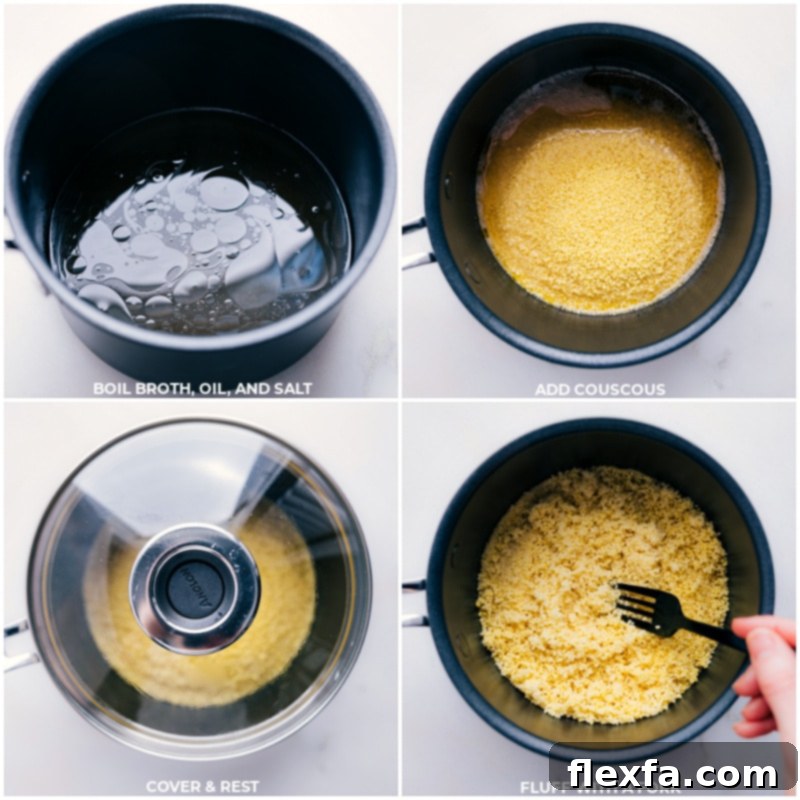
Cooking Moroccan (small-grain) couscous is incredibly simple and requires minimal effort, making it a go-to for busy weeknights or when you need a quick side dish. The key is to use the right ratio of liquid to couscous and allow it to steam properly. Follow these steps for perfectly fluffy couscous every time, and prepare to be amazed at how quickly you can create something so delicious.
Elevate Your Couscous: Flavor Boosters and Enhancements
While plain couscous is delicious in its own right, its neutral flavor profile makes it an ideal canvas for culinary creativity. You can easily elevate your dish with a few simple additions, transforming it from a basic side into a memorable component of your meal. Here are some fantastic ways to make your couscous recipe even tastier:
- Opt for Stock or Broth: Instead of plain water, use chicken stock, vegetable broth, or even a flavorful mushroom broth. This instantly infuses the couscous with a deeper, more savory base flavor that water simply can’t provide. It’s the easiest way to add significant taste without extra effort.
- Incorporate Fresh Herbs: Fresh herbs add an incredible burst of flavor and a beautiful aroma. Finely chopped cilantro, parsley, mint, or a combination of these are excellent choices. They bring a vibrant freshness that brightens the entire dish, especially when stirred in just before serving.
- Sweeten with Dried Fruit: For a delightful contrast of textures and flavors, mix in some dried fruits. Diced apricots, dried cranberries, golden raisins, or even chopped dates add a lovely sweetness and a pleasant chewiness. They work particularly well in Mediterranean or Moroccan-inspired dishes.
- Add Toasted Nuts for Crunch: Introduce a satisfying crunch and nutty flavor by folding in toasted nuts. Almonds (slivered or chopped), pine nuts, or pistachios are excellent choices. Toasting them lightly in a dry skillet beforehand enhances their flavor and aroma significantly.
- Brighten with Citrus: A squeeze of fresh lemon juice or orange juice, along with a bit of zest, can dramatically brighten the flavor of your couscous. The acidity cuts through richness and adds a tangy, refreshing note, making the dish feel lighter and more invigorating.
- Spice It Up: Don’t shy away from spices! A pinch of cumin, coriander, paprika, or turmeric can add warmth and depth, aligning the couscous with various global cuisines. Start with small amounts and adjust to your preference.
Storage and Reheating Tips for Couscous
Proper storage is essential to keep your cooked couscous fresh and delicious for future meals. Once your couscous has been cooked and has cooled down to room temperature, transfer any leftovers to an airtight container. Store it in the refrigerator for up to 3 to 4 days. This makes it an excellent option for meal prepping throughout the week.
When you’re ready to enjoy your stored couscous, reheating it is simple. You can warm it up in the microwave, adding a splash of water or broth and stirring occasionally until heated through and fluffy again. Alternatively, gently reheat it on the stovetop in a covered saucepan over low heat, again with a small amount of liquid, until it regains its soft texture. Be careful not to overheat, as this can dry out the grains.
Perfect Pairings: What to Serve with This Couscous Recipe
Couscous is incredibly versatile and pairs beautifully with a wide array of main courses. Its light and fluffy texture makes it a wonderful counterpoint to rich stews, grilled meats, and roasted vegetables. Here are some delicious ideas to get you started, ensuring your couscous always has a perfect companion:
Soups And Stews
Crockpot Beef Stew
The comforting, savory flavors of a slow-cooked beef stew are perfectly complemented by the light and absorbent nature of couscous, making it an ideal pairing.
Dinner
Grilled Chicken Marinade {With Video}
The delicate taste of couscous is an excellent canvas for soaking up the juices and flavors from succulent grilled chicken, especially with a vibrant marinade.
Side Dishes
Roasted Sweet Potatoes
The natural sweetness of roasted sweet potatoes beautifully complements the mild flavor of couscous, creating a balanced and nutritious meal.
Dinner
Coconut Curry Chicken
Couscous serves as a fantastic absorbent base for rich and aromatic curries, allowing it to soak up all the delicious, creamy flavors of a coconut chicken curry.
Print Recipe
Couscous
Chelsea Lords
10 minutes
5 minutes
15 minutes
4 servings, as a side
Equipment
-
Medium pot
Ingredients
- 1 cup Moroccan (small-grain) couscous (see note 1 below for important details on couscous type)
- 1 cup chicken stock or vegetable stock; water can also be used, but stock adds more flavor
- 2 teaspoons extra virgin olive oil
- 1/4 teaspoon salt (or to taste)
- 3 tablespoons finely chopped fresh herbs (a delightful combination of cilantro and flat-leaf parsley is highly recommended)
- 1 large lemon (for zest and juice)
- 1/4 cup diced dried apricots or currants or golden raisins, packed (feel free to use a combination!)
- 2 tablespoons toasted pine nuts (see note 2 below for toasting instructions)
Instructions
-
1. Prepare the Liquid: In a medium-sized saucepan, combine the chicken or vegetable stock (or water), olive oil, and salt. Bring this mixture to a rolling boil over high heat. The oil helps prevent sticking and adds a subtle richness, while the salt seasons the couscous from within.
-
2. Add Couscous and Steam: As soon as the liquid reaches a vigorous boil, remove the pot immediately from the heat. Stir in the dry couscous vigorously until it is fully incorporated into the hot liquid. Using a spoon or spatula, press the couscous down into an even layer at the bottom of the pot. Promptly cover the pot with a tight-fitting lid or securely seal it with plastic wrap to trap all the steam. Allow the couscous to sit undisturbed and steam for exactly 5 minutes. Do not lift the lid during this time, as the steam is crucial for cooking.
-
3. Fluff and Serve Plain: After 5 minutes, carefully remove the lid. You will notice that the couscous has absorbed all the liquid and expanded. Use a fork to gently fluff the couscous, separating the grains and breaking up any small clumps that may have formed. Your plain, perfectly cooked couscous is now ready to serve as a simple side dish!
-
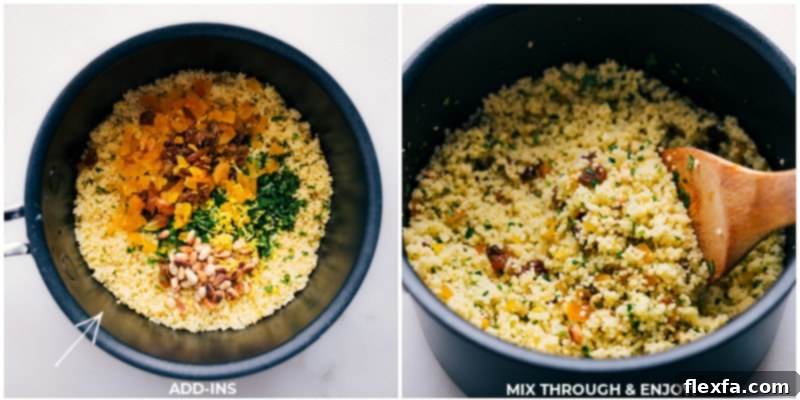
4. Jazz it Up (Optional, but highly recommended!): If you desire a more flavorful and textural experience, now is the time to add your chosen optional ingredients. Stir in the finely chopped fresh herbs (for lemon, we recommend adding about 1/2 teaspoon of zest and 2 tablespoons of fresh juice), diced dried apricots or other dried fruits, and toasted pine nuts or other nuts. Gently fold these additions through the warm couscous until evenly distributed. Taste and adjust seasoning if necessary. Keep warm until you are ready to use, or serve immediately for the best flavor and texture.
Recipe Notes for Success
Note 2: The Art of Toasting Pine Nuts: Toasting pine nuts (or any nuts you choose to add) is a game-changer for flavor and texture. It brings out their natural oils, making them more fragrant and nutty. To toast pine nuts: Place them in a dry, non-stick skillet over medium heat. Stir them frequently and watch them very closely. Pine nuts can go from perfectly golden to burnt in a matter of seconds due to their high oil content. Toast for approximately 3-5 minutes, or until they achieve a lightly golden-brown hue and release a rich, aromatic fragrance. Immediately remove them from the hot skillet and transfer them to a plate to cool slightly before incorporating them into your couscous. This prevents them from continuing to cook and burning.
Note 3: The Perfect Liquid Ratio: For Moroccan couscous, a 1:1 ratio of liquid to couscous is generally ideal for fluffy results. However, some brands or personal preferences might slightly vary. If your couscous seems a little dry, add a tablespoon or two of extra hot liquid during fluffing. If it’s too wet, ensure your lid was tight enough during steaming next time, or simply fluff it a bit longer to allow excess moisture to evaporate.
Nutrition Facts (Approximate)
Serving:
1
serving
|
Calories:
271
kcal
|
Carbohydrates:
46
g
|
Protein:
8
g
|
Fat:
7
g
|
Saturated Fat:
1
g
|
Polyunsaturated Fat:
2
g
|
Monounsaturated Fat:
3
g
|
Cholesterol:
2
mg
|
Sodium:
237
mg
|
Potassium:
270
mg
|
Fiber:
3
g
|
Sugar:
7
g
|
Vitamin A:
9
IU
|
Vitamin C:
15
mg
|
Calcium:
25
mg
|
Iron:
1
mg
Nutrition information is automatically calculated, so should only be used as an approximation and can vary based on specific ingredients and preparation methods.
Love this recipe? Share your thoughts below!
Your feedback helps us create more delicious content.
Creative Variations: Make This Couscous Your Own
The beauty of couscous lies in its adaptability. Once you master the basic cooking method, the possibilities for customization are endless. Feel free to experiment with different ingredients to suit your taste, dietary needs, or the main course you’re serving. Here are even more ideas to inspire your culinary creativity:
- Load Up on Vegetables: Boost the nutritional value and add vibrant colors by incorporating cooked vegetables. Try roasted bell peppers (red, yellow, or orange), sautéed zucchini and summer squash, steamed broccoli florets, or even finely diced carrots and peas. For a Mediterranean touch, add chopped cucumbers and cherry tomatoes.
- Experiment with Different Herbs: Beyond cilantro and parsley, many other fresh herbs can dramatically change the flavor profile. Consider fresh mint for a refreshing zest, basil for an Italian twist, dill for a brighter, more aromatic note, or even a hint of thyme or oregano.
- Swap Dried Fruits for New Flavors: While apricots and raisins are classics, don’t limit yourself! Chopped dates add a rich, caramel-like sweetness, dried figs offer a unique texture and flavor, or try dried cranberries for a tart counterpoint. For a truly exotic touch, consider pomegranate arils for burst of freshness and color.
- Incorporate Protein for a Heartier Meal: Transform your couscous from a side dish into a complete meal by adding cooked protein. Flaked cooked chicken, sautéed shrimp, or hearty chickpeas are excellent additions. For a vegetarian option, crumbled feta or goat cheese can add creaminess and tang.
- Explore Spice Blends: Introduce exciting international flavors with various spice blends. A dash of Ras el Hanout will give it an authentic Moroccan taste, while curry powder or turmeric can lend an Indian-inspired aroma. For a smoky depth, try a pinch of smoked paprika. Remember to add spices to the liquid before boiling for maximum flavor infusion.
- Make it a Salad: Once cooled, couscous can be the base for a fantastic cold salad. Toss it with fresh vegetables, a light vinaigrette, and your favorite proteins for a refreshing and portable lunch.
- Creamy Couscous: For a richer dish, stir in a tablespoon of butter or a drizzle of heavy cream after fluffing, creating a more decadent texture.
Frequently Asked Questions About Couscous
- Is couscous healthy?
- Yes, couscous is generally considered a healthy grain. It’s a good source of plant-based protein, fiber, and various vitamins and minerals like selenium, which is a powerful antioxidant. When prepared with healthy fats and fresh ingredients, it makes for a nutritious addition to any diet.
- Can I make couscous ahead of time?
- Absolutely! Couscous is excellent for meal prep. Cook it according to the recipe, let it cool completely, and then store it in an airtight container in the refrigerator for up to 3-4 days. Reheat gently with a splash of water or broth to restore its fluffy texture.
- What’s the difference between couscous and quinoa?
- While both are small, grain-like foods often used in similar ways, they are quite different. Couscous is a pasta made from durum wheat semolina, meaning it contains gluten. Quinoa, on the other hand, is a seed (a pseudo-cereal) and is naturally gluten-free. Both are nutritious, but quinoa generally offers more protein and fiber.
- Can I freeze cooked couscous?
- While it’s possible, freezing couscous is not generally recommended as it can alter its delicate texture, making it mushy or too dry upon thawing and reheating. It’s best enjoyed fresh or refrigerated for a few days.
- How can I prevent my couscous from being sticky?
- The most common reasons for sticky couscous are using too much liquid or not fluffing it properly. Ensure you stick to the 1:1 liquid-to-couscous ratio, cover it tightly during steaming, and then thoroughly fluff it with a fork immediately after the steaming time. Adding a little olive oil or butter to the liquid before cooking can also help keep the grains separate.
Conclusion: Your New Go-To Side Dish Awaits!
This easy couscous recipe demonstrates just how effortless it is to bring a taste of North African culinary tradition to your dinner table. From its speedy preparation to its incredible capacity for flavor absorption, couscous truly is a superstar side dish. Whether you opt for the simple elegance of plain couscous or choose to embark on a flavor adventure with herbs, dried fruits, and nuts, you’re guaranteed a delicious and satisfying addition to any meal.
So, next time you’re looking for a quick, healthy, and versatile accompaniment, remember this guide. Couscous is more than just a grain; it’s a blank canvas waiting for your creative touch. Happy cooking!