
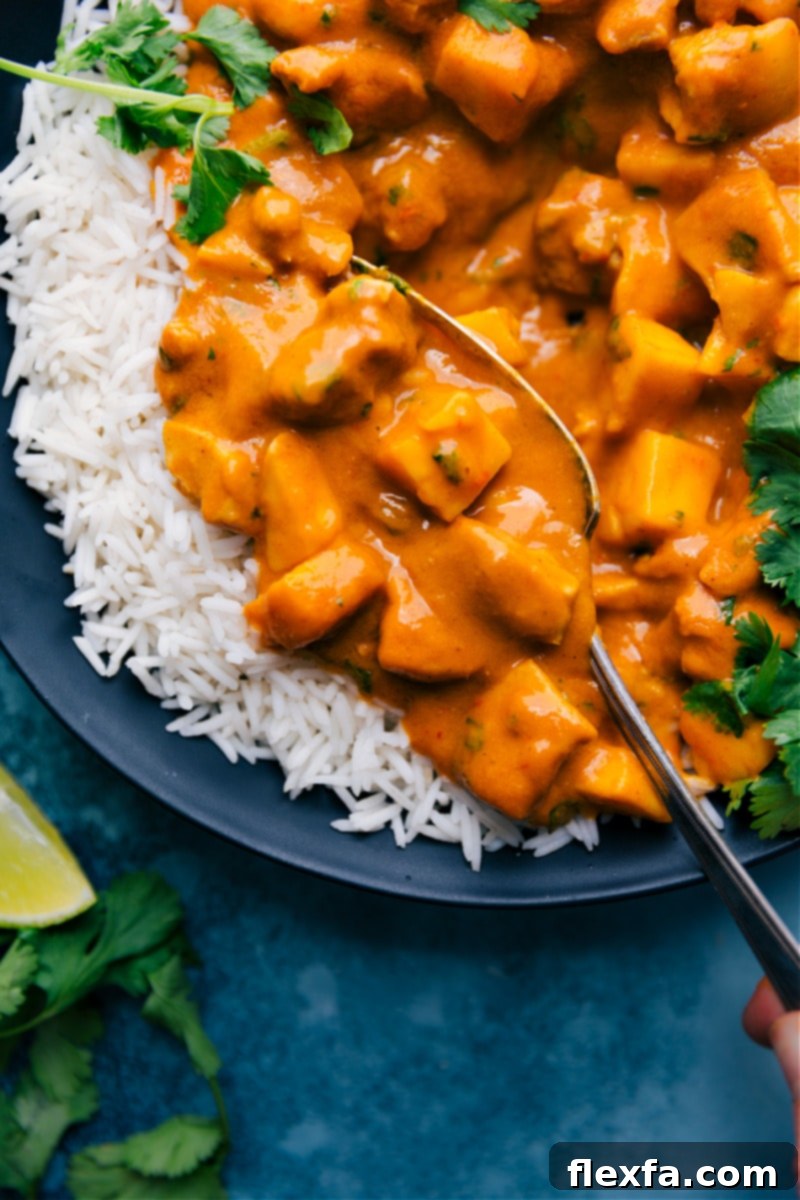
Mango Chicken Curry: A Sweet, Spicy, and Irresistible Tropical Delight
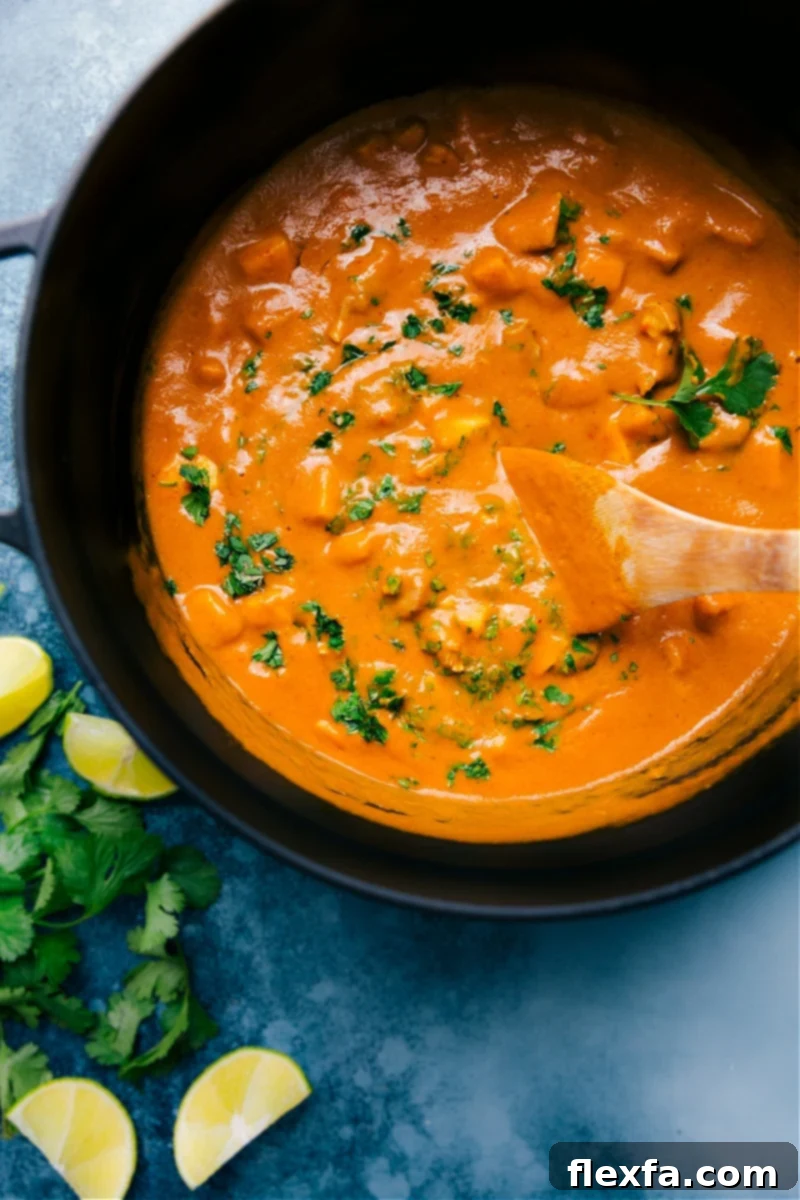
Dive into a culinary adventure with this exquisite Mango Chicken Curry. It boasts a beautifully rich and sweet flavor profile, expertly balanced with a delightful hint of spice. The secret to its unparalleled taste lies in a dual mango approach: fresh, ripe mango is blended directly into the velvety coconut curry sauce, and then additional mango chunks are stirred in at the very end, ensuring bursts of tropical sweetness with every bite. This recipe transforms ordinary chicken into an extraordinary meal that’s both comforting and exciting, making it a perfect choice for weeknight dinners or special occasions.

author’s note
The Inspiration Behind This Tropical Curry
If you know me, you know my adoration for mangoes knows no bounds. It’s unequivocally my favorite fruit, and I constantly seek innovative ways to incorporate its luscious sweetness into both sweet and savory dishes. Given that chicken curry is a beloved staple in my household—a quick, comforting, and incredibly flavorful meal—it was only a matter of time before mangoes found their rightful place in this classic.
My journey to perfecting this recipe began with my tried-and-true Coconut Curry Chicken recipe, which provided a robust foundation. I then drew additional inspiration from the culinary wisdom of Elise at Simply Recipes, exploring various techniques and flavor combinations. After dedicated rounds of trial and error, meticulously adjusting ratios and spices, I can confidently say that the result is nothing short of spectacular. I am absolutely thrilled with how this Mango Chicken Curry turned out and incredibly excited to finally share this vibrant, flavorful creation with all of you!
Choosing the Perfect Mangoes for Your Curry
Mangoes are the star of this dish, so selecting the right ones is key to achieving that perfect balance of sweetness and texture. Here’s what you need to know:
- Honey Mangoes (Ataulfo/Yellow Mangoes): These are my absolute favorite for this Mango Chicken Curry. They offer a superior sweetness and a wonderfully creamy texture that truly elevates the sauce. While they are highly recommended, standard red/green mangoes will also work beautifully if honey mangoes are not available.
- Checking for Ripeness: To determine if a mango is ripe, gently squeeze it. A perfectly ripe mango will give slightly under pressure, similar to an avocado. Mangoes continue to ripen at room temperature, so once they reach your desired level of softness, transfer them to the refrigerator to slow down the ripening process and extend their freshness.
- Sweetness Control: The ripeness of your mango directly impacts the sweetness of your curry. For a noticeably sweeter curry sauce, opt for mangoes that are at their peak ripeness. If you prefer a curry with a more subtle sweetness and a stronger spicy kick, slightly firmer mangoes can be used.
- Frozen Mangoes: Don’t despair if fresh mangoes are out of season or hard to find! I’ve thoroughly tested this recipe with frozen mangoes, and they perform wonderfully. Frozen mangoes are typically picked at a good stage of ripeness (though often not peak-ripe to prevent mushiness upon thawing), and they contribute excellent flavor. Just remember to chop the second cup of frozen mango into smaller, bite-sized pieces for the final stir-in, as frozen chunks can sometimes be quite large.
If you’re new to preparing this tropical fruit, here’s a quick visual guide on how to cut a mango with ease.
Quick Tip: Maximize Your Mango Haul!
I often buy a flat of mangoes from Costco (typically 6-8 per tray) to enjoy throughout the week. This strategy ensures I always have fresh mangoes on hand. Use a few of these luscious fruits in this incredible curry, and then get creative with the rest! They are fantastic in a refreshing Mango Salad, a frosty Mango Sorbet, a revitalizing Mango Smoothie, a zesty Mango Chicken stir-fry, or a vibrant Mango Salsa. Mangoes add a burst of tropical flavor to so many dishes!
Mastering Your Mango Chicken Curry: Essential Tips
Crafting the perfect Mango Chicken Curry involves a few key techniques and ingredient choices that can significantly enhance its flavor and texture. Pay attention to these tips for a truly outstanding dish:
- Choosing the Right Coconut Milk: Always opt for canned, full-fat coconut milk, typically found in the international aisle of your grocery store. Avoid refrigerated varieties, which are often sweetened beverages. Full-fat coconut milk is crucial for achieving the desired creamy texture and rich flavor. Steer clear of “lite” coconut milk (too thin), “cream of coconut” (excessively sweet, usually for cocktails), and “coconut cream” (too thick and intensely flavored for this recipe). A reliable brand I often use is Imperial Kitchen®, but many full-fat options will work well. For more guidance, check out this helpful guide on selecting the best canned coconut milk.
- Blooming the Spices: This step is non-negotiable for maximum flavor. Briefly cooking the spices—coriander, curry powder, cumin, and red curry paste—in hot oil until fragrant allows their essential oils to release, intensifying their aroma and taste. This process, often referred to as “blooming,” builds a complex flavor base for your curry.
- Blending Hot Liquids Safely: When transferring the hot curry sauce to a blender, safety is paramount. Secure the lid tightly and, if your blender has one, use the “soup” or “hot” setting. This setting often starts slowly to manage steam pressure. As heat expands, begin blending at a low speed and gradually increase it. Always remove the lid carefully, as a burst of steam is likely. If your blender lacks a hot setting, cover the lid with a folded kitchen towel and firmly hold it down with your hands while blending to help contain any potential splatters and steam.
- Red Curry Paste Selection: The type of red curry paste you choose can drastically alter the spice level and flavor profile of your curry. Maesri® is renowned for its authentic, robust flavor but is quite spicy. If you prefer a milder curry, especially when cooking for children or those sensitive to heat, Thai Kitchen® offers a delicious yet significantly milder alternative. Adjust the quantity of paste to your personal spice preference.
Featured Comment
“I made this for Valentine’s dinner and wow it is amazing. Just the right amount of flavour and nice thick sauce. Restaurant quality for sure, if not better.”
– Lezanne
Elevate Your Experience: Serving Suggestions for Mango Chicken Curry
While the curry itself is incredibly flavorful, the right toppings and accompaniments truly complete the dish, adding layers of freshness, texture, and acidity that tie everything together. Do not skip these enhancements!
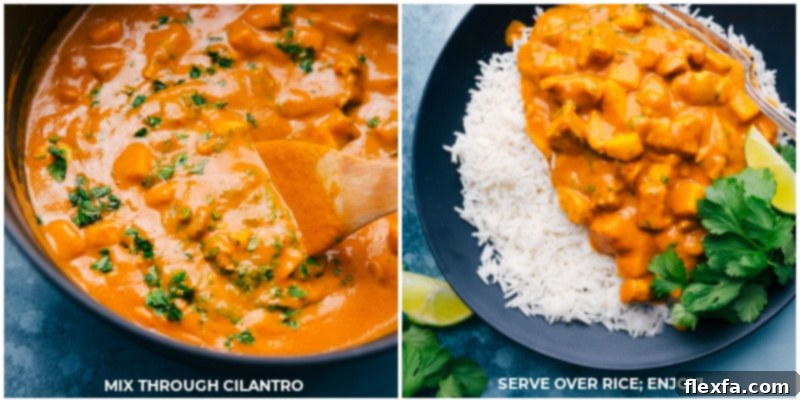
- Fresh Herbs (Cilantro or Basil): A generous sprinkle of fresh, finely chopped cilantro provides a bright, refreshing contrast to the rich curry. If you’re looking for a slightly different aromatic twist, fresh basil, especially Thai basil if you can source it, makes an equally wonderful topping for this Mango Chicken Curry.
- Lime Juice & Zest: A squeeze of fresh lime juice is absolutely essential. It adds a crucial hit of acidity that brightens the entire dish, cutting through the sweetness of the mango and the richness of the coconut milk. A little lime zest can also add an extra aromatic citrus punch.
- Kaffir Lime Leaves: These fragrant leaves are a staple in Thai cuisine and one of our favorite additions for an authentic touch. They impart a distinct, bright citrusy flavor that is hard to replicate. Kaffir lime leaves can be tricky to find in conventional grocery stores, so I recommend buying a bunch when you see them and freezing them – they freeze beautifully and maintain their aroma. If they are completely unavailable, a bit of extra lime zest will offer a decent substitute.
- Coconut Yogurt: A dollop of plain coconut yogurt on top introduces a delightful coolness, creamy texture, and a subtle tangy flavor that complements the curry perfectly, balancing its warmth and spice.
- Accompaniments (Roti, Naan, or Pita): While Roti bread is a traditional side for Thai-inspired curries, it’s not always easy to find. For a readily available and equally delicious option, we absolutely love serving this curry with warm, toasted naan or fluffy pita bread. The soft, chewy bread is perfect for soaking up every last drop of the luscious sauce. Stonefire® naan is a personal favorite for its consistent quality.
- Dry-Roasted Cashews: For a satisfying crunch and nutty depth, sprinkle a handful of dry-roasted and lightly salted cashews over your serving. They add a wonderful textural contrast and complement the creamy curry.
Mango Chicken Curry Leftovers? Here’s How to Store Them!
One of the many reasons to love curry recipes is how incredibly well they store. In fact, many curries, including this Mango Chicken Curry, develop even deeper and more complex flavors as they sit overnight, making leftovers a truly delicious treat!
Refrigeration: Store any leftover curry in an airtight container in the fridge for 3-5 days. When reheating, do so over low heat on the stovetop, adding a splash of chicken stock/broth or coconut milk if needed to thin the sauce back to its desired consistency.
Freezing: For longer storage, this curry freezes beautifully. Transfer cooled leftovers into an airtight, freezer-safe container or heavy-duty freezer bags. It can be stored in the freezer for up to 3 months. When you’re ready to enjoy it, defrost the curry completely in the refrigerator overnight before reheating it gently on the stovetop. This ensures even heating and preserves the texture of the sauce.
Frequently Asked Questions About Mango Chicken Curry
- Can I make this curry vegetarian or vegan?
- Absolutely! To make it vegetarian, simply swap the chicken for plant-based protein like chickpeas, firm tofu (pressed and cubed), or a mix of hearty vegetables such as potatoes, cauliflower, or bell peppers. For a vegan version, ensure your curry paste is vegan-friendly (some contain shrimp paste) and use plant-based chicken or additional vegetables.
- What kind of rice pairs best with Mango Chicken Curry?
- Fluffy basmati rice is an excellent choice as its long grains and aromatic qualities complement the curry without overpowering it. Jasmine rice is another fantastic option for its subtle floral notes and soft texture. For a healthier alternative, consider brown rice or quinoa.
- My curry sauce isn’t as thick as I’d like. What can I do?
- Ensure you’re using full-fat coconut milk, as lite versions won’t thicken as much. You can simmer the sauce for a longer period to allow it to reduce and thicken naturally. Alternatively, for a quicker fix, mix a teaspoon of cornstarch with a tablespoon of cold water to create a slurry, then stir it into the simmering curry until it thickens to your preference.
- Can I adjust the spice level?
- Yes! The spice level is primarily controlled by the red curry paste. If you prefer a milder curry, use less paste or choose a milder brand like Thai Kitchen®. For more heat, add a little extra curry paste, a pinch of cayenne pepper, or a few sliced fresh chilies like bird’s eye chilies during the sautéing step.
- Can I use a different type of chicken?
- While boneless, skinless chicken thighs are recommended for their tenderness and flavor, boneless, skinless chicken breasts can also be used. If using breasts, be mindful not to overcook them, as they can dry out easily. They will typically cook faster than thighs, so adjust simmering time accordingly (around 8 minutes for breasts vs. 15 minutes for thighs).
More Delicious Curry Recipes:
Dinner
Grilled Curry Chicken
Dinner
Lentil Curry Recipe
Dinner
Sweet Potato Curry
Soups And Stews
Chicken Curry Soup
Mango Chicken Curry
Rating: 5 out of 5 stars based on 7 votes.
Chelsea Lords
30 minutes
30 minutes
1 hour
4 servings
Equipment
-
Large pot
-
Blender
Ingredients
- 2 tablespoons coconut oil
- 1 large yellow onion chopped (about 1-1/2 cups)
- 1 red bell pepper chopped
- 2 tablespoons minced fresh ginger coarsely chopped
- 2 tablespoons garlic coarsely chopped
- 3 tablespoons red curry paste (see note 1)
- 2 teaspoons ground coriander
- 2 teaspoons yellow curry powder
- 1/2 teaspoon ground cumin
- 2 cups ripe mango cubed (see note 2)
- 1 (13.5-ounce) can full-fat coconut milk (see note 3)
- 1-1/4 pounds boneless, skinless chicken thighs or breasts, cut into 1-inch pieces (thighs are recommended for best flavor and texture)
- Optional additions (see note 4)
- Cooked rice (see note 5, for serving)
Instructions
-
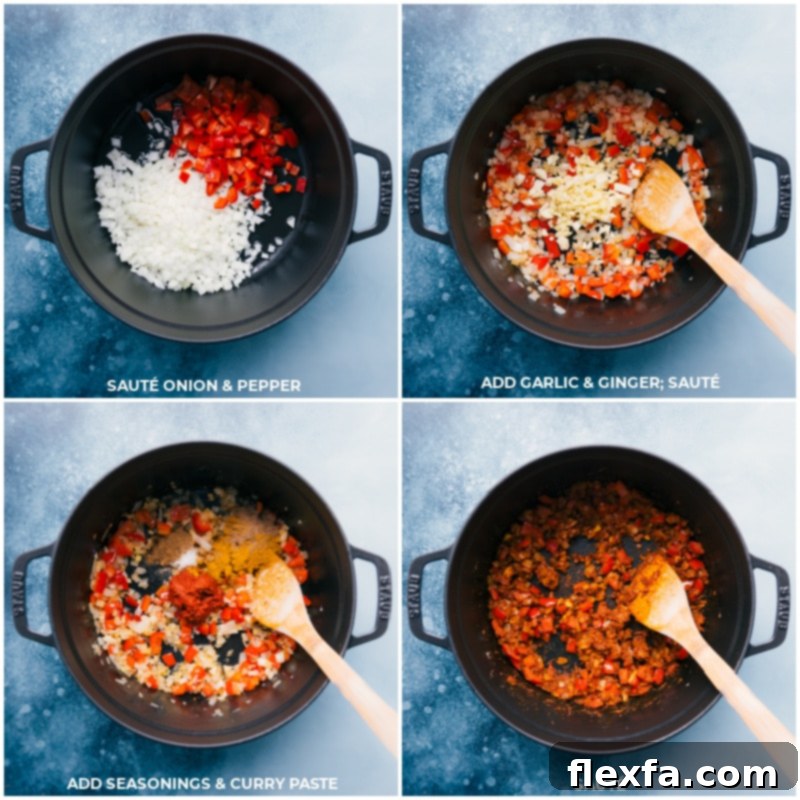
Heat coconut oil in a large pot or Dutch oven over medium heat. Once the oil is melted and shimmering, add the chopped onions and bell pepper. Sauté, stirring occasionally, until the vegetables are soft and translucent, which typically takes about 7–9 minutes. Add the minced garlic and ginger, cooking for another minute until fragrant. Stir in the red curry paste, ground coriander, yellow curry powder, ground cumin, and salt to taste (I usually add about 1 teaspoon of salt). Cook, stirring constantly, for 1–3 minutes until the spices are very fragrant. If anything starts to stick to the bottom of the pot, reduce the heat slightly and add a touch more oil.
-
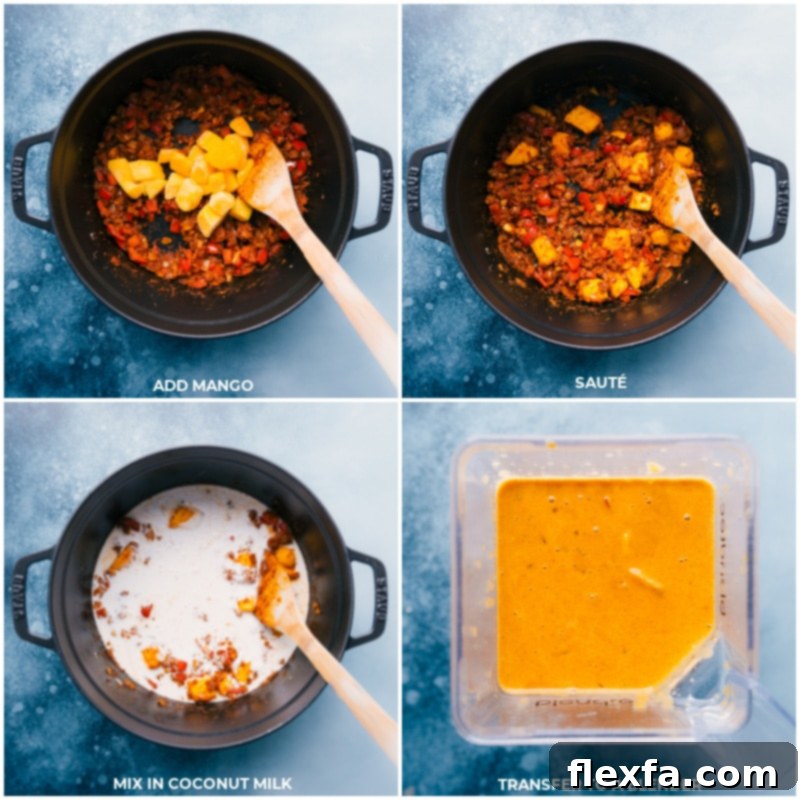
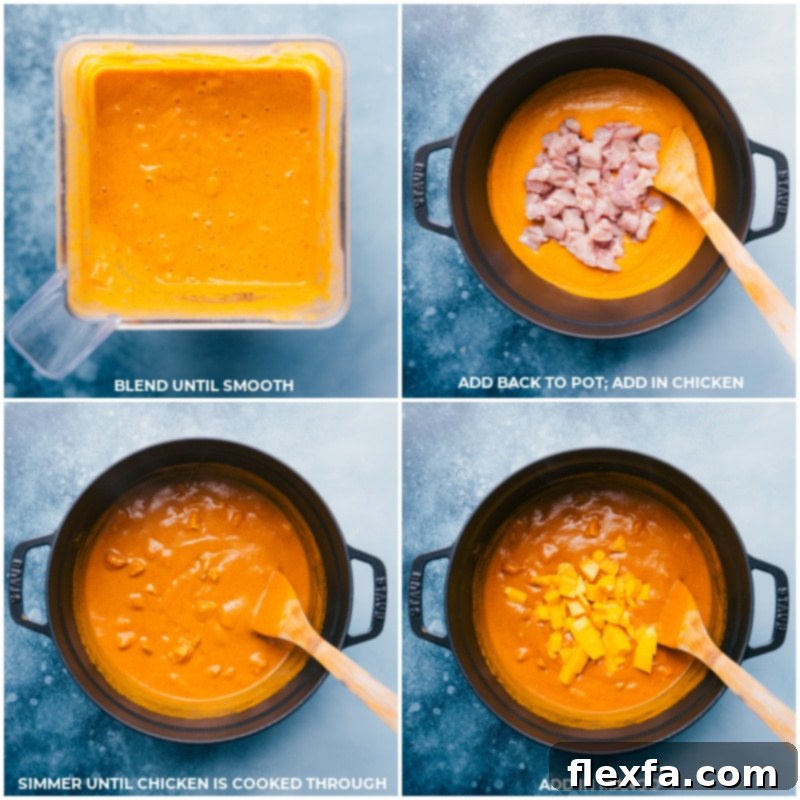
Add 1 cup of the cubed mango to the pot and cook, stirring constantly, for 1 minute. Vigorously shake the can of full-fat coconut milk and pour it into the pot. Increase the heat to high and bring the mixture to a boil, then immediately reduce the heat to a low simmer. Let the sauce simmer gently for 10–15 minutes, allowing the flavors to meld. While the sauce is simmering, cut the chicken (thighs or breasts) into uniform 1-inch cubes. Once the sauce has simmered, carefully transfer it to a blender. Blend the sauce (see note 6 for blending hot liquids) until it is completely smooth and creamy, then pour the blended sauce back into the pot.
-
Return the pot with the blended sauce to medium-low heat, bringing it back to a gentle simmer. Once simmering, add the cubed chicken pieces and stir them into the sauce. Cover the pot with a lid and cook for 8–15 minutes. The cooking time will vary depending on the type and size of chicken: chicken breast pieces are usually cooked through in about 8 minutes, while chicken thighs may take closer to 15 minutes, or slightly longer. To ensure doneness, check the internal temperature of the largest piece of chicken with a meat thermometer (it should read 165°F or 74°C), or cut into it to ensure it is white throughout with no pink.
-
Once the chicken is fully cooked, reduce the heat to the lowest setting. Stir in the remaining 1 cup of fresh mango cubes. If using, incorporate finely chopped cilantro (I typically add about 1/3 cup), the zest and juice of one lime, 1 tablespoon of fish sauce, and/or 2-3 kaffir lime leaves. Taste the curry and adjust seasonings as needed. Add more salt if necessary. If the curry tastes too sweet, a touch more fish sauce can balance it out. If it’s not sweet enough, a small pinch of sugar will enhance the sweetness. The flavors should be vibrant and harmonious! Serve this delicious Mango Chicken Curry immediately over cooked rice and garnish individual plates with additional fresh cilantro, if desired. Enjoy your tropical feast!
Recipe Notes
Note 2: Mango Selection: For the sweetest and creamiest results, I highly recommend using Honey mangoes (also known as Ataulfo or yellow mangoes) in this recipe. They tend to be sweeter and have a silkier texture than green/red mango varieties, though any ripe mango will work well. A ripe mango will yield slightly when gently squeezed. For a sweeter curry, ensure your mangoes are fully ripe. If fresh mangoes aren’t available, frozen mangoes are a convenient and effective substitute. If using frozen mango for the second cup, chop the pieces smaller after thawing for better bite-sized chunks.
Note 3: Coconut Milk Guide: Always look for shelf-stable cans of full-fat coconut milk, not the refrigerated beverage kind. This article provides excellent guidance on choosing the best brands. I personally use Imperial Kitchen®, which is readily available at my local grocery store. Full-fat coconut milk is crucial for the optimal flavor and thickness of the sauce; lite coconut milk will result in a much thinner curry. Avoid cream of coconut (far too sweet) and coconut cream (too thick and intensely flavored for this recipe).
Note 4: Optional Flavor Enhancers: To further enhance the complexity of your curry, consider these optional additions: fresh lime juice and zest (adds brightness), fresh cilantro (for freshness), 1 tablespoon of fish sauce (adds umami depth), and 2–3 kaffir lime leaves (for unique citrus notes). Finish with fine sea salt to taste.
Note 5: Foolproof Basmati Rice Method: For perfectly fluffy basmati rice to accompany your curry:
- Measure your desired amount of rice and rinse it thoroughly in a fine-mesh sieve under cold running water until the water runs completely clear. This removes excess starch and prevents stickiness.
- Place the rinsed rice in a bowl and cover it with fresh water. Allow it to soak for about 5–10 minutes. This helps the grains cook evenly.
- While the rice soaks, fill a large pot with water and bring it to a rolling boil over high heat.
- Once the water is boiling vigorously, drain the soaked rice and add it to the pot.
- Cook the rice at a rolling boil for 5–6 minutes. Taste a grain to check for tenderness; it should be cooked to your preference.
- Promptly drain the cooked rice in a colander and fluff it gently with a fork before serving.
- Please note: These specific cooking directions are optimized for basmati rice and may not yield the same results for other rice varieties (e.g., long grain, short grain, jasmine).
Note 6: Safe Blending of Hot Liquids: When blending hot liquids, always proceed with caution. Ensure the blender lid is securely fastened. If your blender has a “soup” or “hot” setting, use it, as it’s designed to manage steam pressure. Otherwise, start blending at the lowest speed and gradually increase it. Be aware that hot liquids expand and create steam, so do not overfill the blender. To prevent spills, you can place a folded kitchen towel over the blender lid and hold it firmly in place while blending. Remove the lid carefully after blending, as steam will release.
Nutrition Note: The nutrition information provided is an approximation and does not include any rice or additional serving suggestions.
Storage: Store any leftover Mango Chicken Curry in an airtight container in the refrigerator for 3–5 days. For longer storage, freeze the curry in an airtight container for up to 3 months. Always defrost fully in the refrigerator before reheating gently on the stovetop.
Nutrition Information (per serving, without rice)
Serving: 1 serving |
Calories: 178 kcal |
Carbohydrates: 18 g |
Protein: 7 g |
Fat: 10 g |
Saturated Fat: 7 g |
Polyunsaturated Fat: 1 g |
Monounsaturated Fat: 1 g |
Trans Fat: 1 g |
Cholesterol: 27 mg |
Sodium: 29 mg |
Potassium: 316 mg |
Fiber: 3 g |
Sugar: 14 g |
Vitamin A: 3607 IU |
Vitamin C: 71 mg |
Calcium: 38 mg |
Iron: 1 mg
Nutrition information is automatically calculated and should be used as an approximation only.
Loved this recipe? Leave a comment below!
Your feedback helps us create more delicious content.
Conclusion: Your New Favorite Tropical Curry Awaits
This Mango Chicken Curry isn’t just a meal; it’s an experience. The delightful interplay between the sweet, creamy mango and the aromatic, subtly spicy curry paste creates a dish that is both comforting and exhilarating. Whether you’re a long-time curry enthusiast or looking to try something new and exciting, this recipe promises to deliver a truly memorable dining experience. With fresh ingredients, a straightforward cooking process, and helpful tips for customization, you’re well on your way to mastering this tropical delight in your own kitchen. So gather your ingredients, follow these steps, and prepare to be hooked on the vibrant flavors of this incredible Mango Chicken Curry. Happy cooking!