
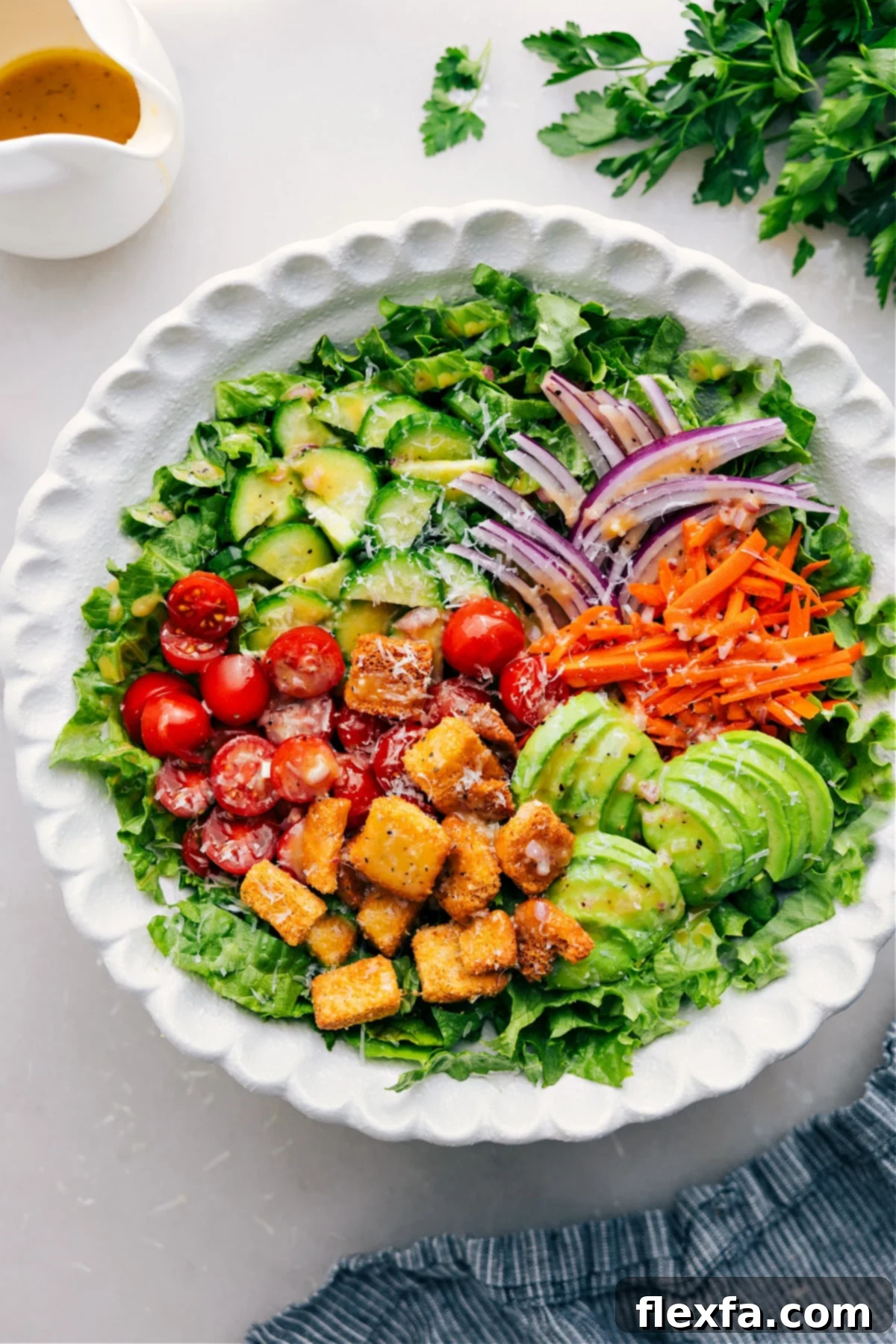
Garden Salad is more than just a side dish; it’s a celebration of fresh, vibrant ingredients that brings a burst of flavor and essential nutrients to any meal. With crisp lettuce, an array of colorful, seasonal vegetables, and a tantalizingly simple homemade dressing, this versatile salad comes together in mere minutes, proving to be the perfect accompaniment to virtually any main course.
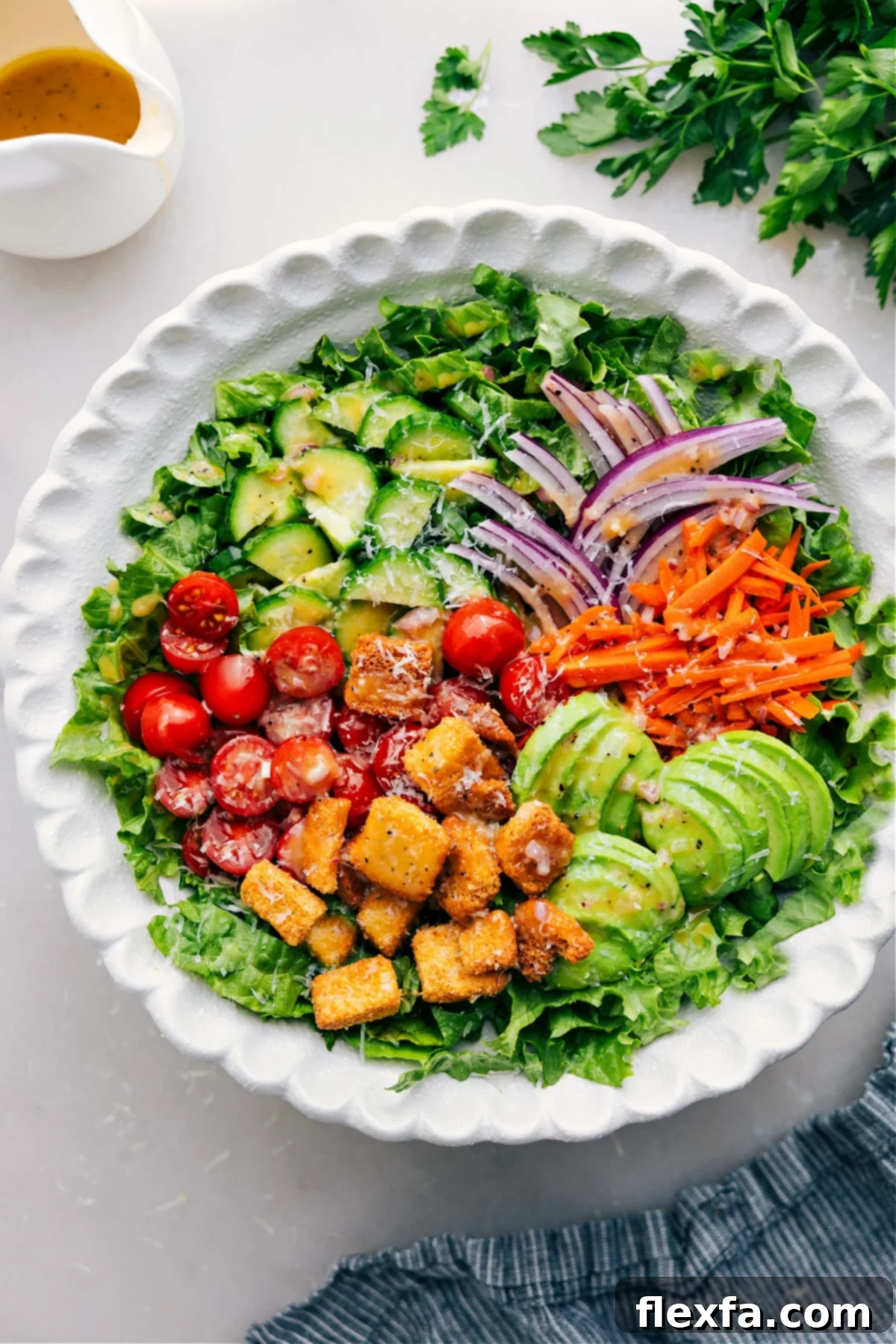
Crafting the Perfect Garden Salad: A Simple Guide to Freshness and Flavor
In the culinary world, a classic garden salad holds an esteemed place for its effortless preparation and incredible adaptability. Whether your menu features succulent grilled chicken, a hearty ground beef stroganoff, or a perfectly seared steak, a generous bowl of crisp greens complemented by fresh, seasonal vegetables and a light, zesty dressing offers the ideal balance. It brilliantly cuts through the richness of heavier main courses, providing a refreshing counterpoint and a vital infusion of freshness and essential nutrients.
The true essence of a garden salad lies in its straightforward nature. It’s designed to enhance your main dish, offering a refreshing contrast without overwhelming the palate. This philosophy translates into a recipe that prioritizes speed, ease, and quality. Our simple guide ensures minimal prep time, a selection of readily available fresh ingredients, and a homemade dressing whose vibrant flavor harmonizes beautifully with almost any cuisine. This isn’t merely a set of instructions; it’s a pathway to mastering a culinary staple that will effortlessly elevate your weeknight dinners and impress guests at any gathering with its inviting appearance and delightful taste.
Selecting the Best Ingredients for Your Vibrant Garden Salad
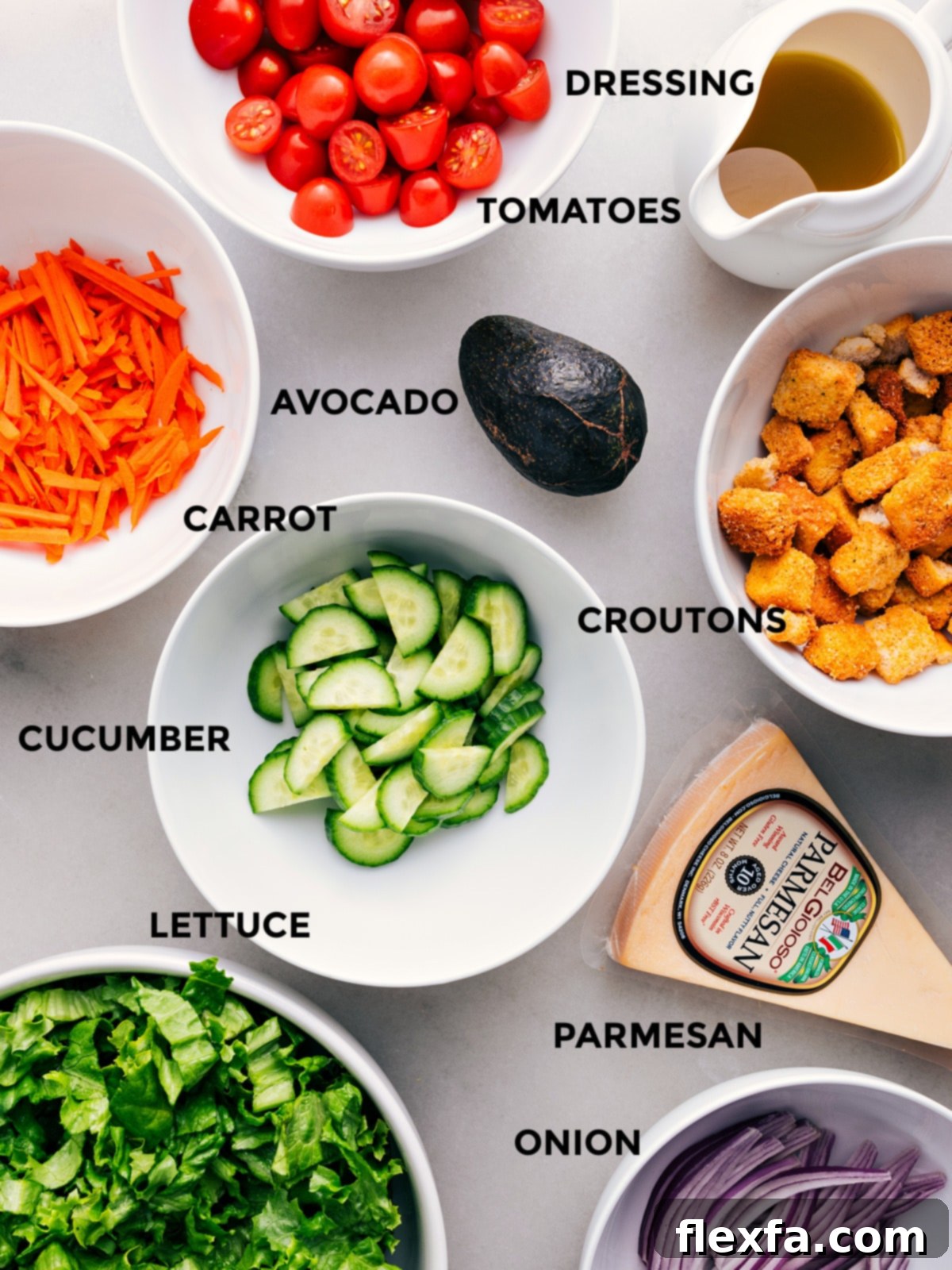
The foundation of any truly exceptional garden salad rests upon the freshness and quality of its ingredients. While this recipe offers a proven base for a delicious salad, remember that it’s also an invitation to experiment. Feel empowered to customize your creation with your favorite vegetables or whatever fresh produce you have readily available. The ultimate goal is to craft a delightful medley of textures and flavors that will excite your taste buds with every bite.
- Lettuce (Green Leaf or Romaine): This forms the cornerstone of our salad, providing the bulk and crunch. Green leaf lettuce offers a tender crispness, while romaine lettuce delivers a more robust and satisfying crunch. Regardless of your choice, it is absolutely crucial to thoroughly wash and dry your lettuce. Excess moisture will dilute your dressing and lead to a soggy salad, a common pitfall to avoid. A salad spinner is an invaluable kitchen tool for achieving perfectly dry leaves, allowing the dressing to cling beautifully to every surface.
- Tomatoes: Whether you’re drawn to the sweet, concentrated burst of halved cherry tomatoes or the succulent, juicy slices of a large, garden-fresh beefsteak tomato, they contribute a wonderful acidity and a pop of vibrant color. When selecting tomatoes, look for those that are firm to the touch, possess a rich, uniform color, and feel weighty for their size, indicating peak ripeness and flavor.
- Cucumbers: For an unparalleled crunch and truly refreshing flavor, English or Persian cucumbers (often conveniently labeled as “salad cucumbers” in stores) are highly recommended. Their thin, tender skins mean there’s no need for peeling, and their minimal seed count makes them ideal for slicing without adding excessive moisture. You can slice them into elegant half-moons or dice them for a varied texture.
- Carrots: Grated carrots introduce a subtle sweetness and a striking orange hue to the salad. Grating a large, fresh carrot yourself ensures the freshest taste and texture, but pre-shredded carrots are a convenient time-saver. For an elevated presentation, consider peeling carrots into delicate ribbons using a vegetable peeler.
- Avocado: A ripe avocado is a fantastic addition, lending a luxurious, creamy texture and a dose of heart-healthy monounsaturated fats. Its smooth, buttery flesh provides a delightful contrast to the crispness of the other vegetables. Ensure it’s ripe enough to yield slightly to gentle pressure but still firm enough to maintain its shape when diced.
- Red Onion: Thinly sliced red onion adds a desirable pungent kick and a sharp, refreshing contrast to the milder flavors. If the raw sharpness of onion is too intense for your preference, a clever trick is to soak the chopped onion in salted ice water for approximately 10 minutes. This process significantly mellows its potency; just be sure to drain them thoroughly and pat them dry before incorporating into your salad.
- Croutons: For many, that irresistible crunch and textural variety are what make a salad truly satisfying, and croutons deliver just that. While store-bought croutons offer convenience, consider making homemade croutons for an extra dimension of garlicky, herby flavor. They are surprisingly simple to prepare and instantly elevate the gourmet appeal of your salad.
Creative Enhancements to Personalize Your Salad
Once you have your core ingredients, the possibilities for customizing your garden salad are boundless. These optional add-ins allow you to tailor your creation to your specific tastes, dietary needs, or simply what’s in season, transforming a simple side into a culinary masterpiece.
- Cheese Topping: A sprinkle of cheese can dramatically alter the flavor profile of your salad. Experiment with sharp shredded cheddar for a familiar, comforting taste, crumbled feta or goat cheese for a tangy, Mediterranean-inspired twist, or delicate shavings of Parmesan for a sophisticated, salty bite.
- Additional Raw Veggies: Boost the nutritional content and textural variety by incorporating other raw vegetables. Consider the sweet burst of corn kernels, earthy sliced mushrooms, crisp snap peas, vibrant bell peppers in various colors, or tender snow peas and green peas for a touch of sweetness.
- Roasted Vegetables: For deeper, more complex flavors and a comforting warmth, roasted vegetables are an excellent choice. Try caramelized butternut squash, tender broccoli florets, sweet and earthy sweet potatoes, or beautifully browned carrots.
- Fresh Herbs: Introduce aromatic depth and a burst of fresh flavor with freshly chopped herbs. Green onions, fragrant basil, cool mint, or delicate dill can significantly brighten and enhance the overall taste of your salad.
- Protein Boost: Easily transform your garden side salad into a complete, satisfying main meal by incorporating a protein source. Hard-boiled eggs, diced ham, perfectly grilled chicken, seared steak strips, succulent shrimp, or flaky fish are all fantastic options that add substance and satiety.
- Nuts and Seeds: For an extra layer of satisfying crunch and a healthy dose of good fats, sprinkle in toasted almonds, walnuts, pecans, sunflower seeds, or pumpkin seeds. Their nutty flavor beautifully complements the fresh vegetables.
- Seasonal Fruits: Sliced apples, pears, fresh berries, or mandarin oranges can introduce a delightful sweetness and juicy texture, particularly when creating seasonal salad variations.
Crafting the Perfect Homemade Garden Salad Dressing
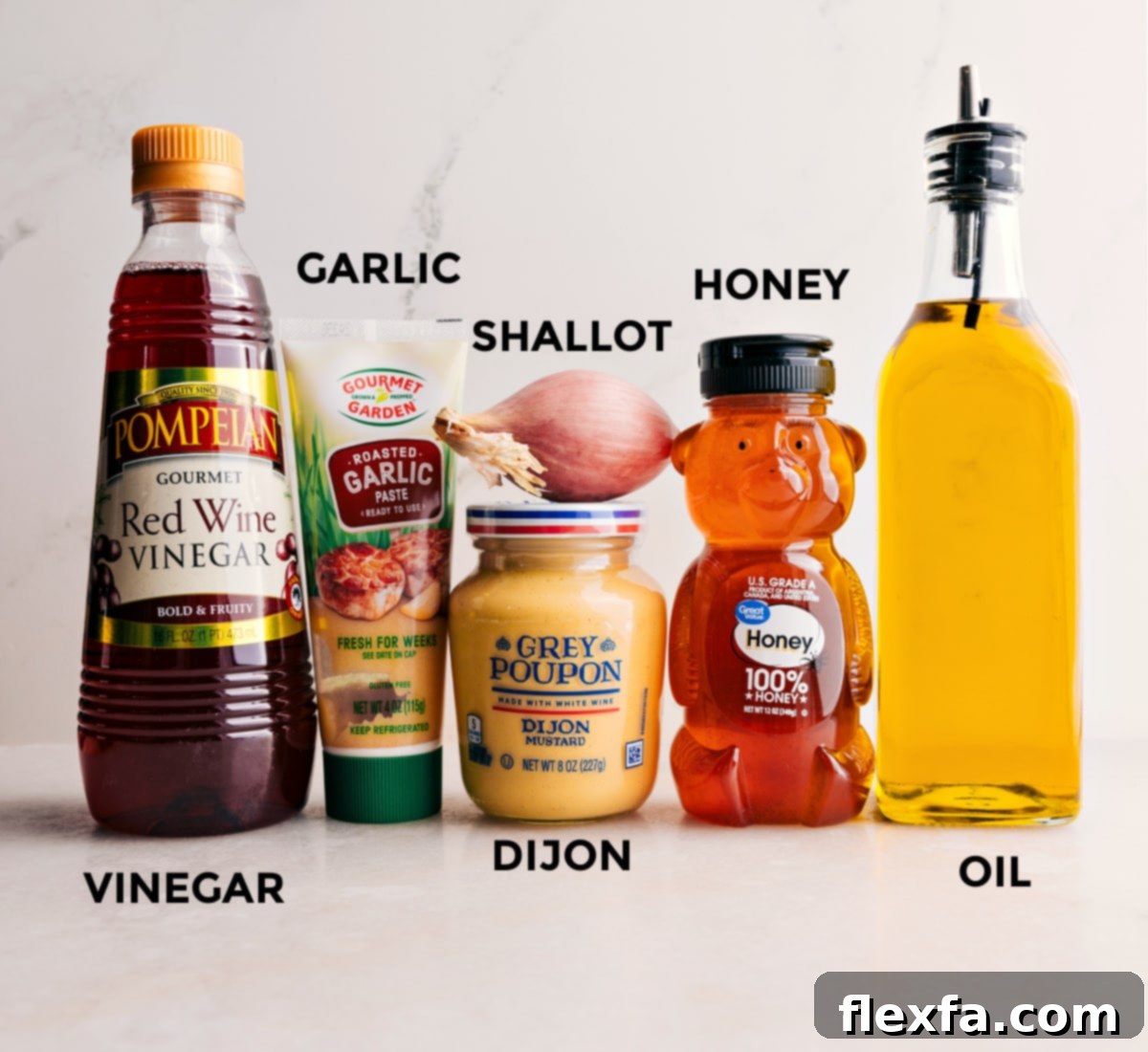
While the fresh vegetables are the body of the salad, a thoughtfully prepared dressing is its soul, harmonizing all the individual flavors into a cohesive and delightful experience. Our signature homemade vinaigrette is specifically designed to be light, perfectly tangy, and subtly sweet, enhancing the natural freshness of your vegetables without ever overpowering them. It’s incredibly simple to whisk together in minutes and consistently delivers a taste that is far superior to most mass-produced, store-bought alternatives.
- Extra-Virgin Olive Oil: This forms the essential base of our vinaigrette, imparting a smooth, luxurious texture and a delicate, fruity undertone. For the most profound and authentic flavor, always opt for a high-quality extra-virgin olive oil.
- Red Wine Vinegar: A vital component, red wine vinegar introduces a crucial tanginess and bright acidity that perfectly cuts through the richness of the oil. If red wine vinegar is not on hand, apple cider vinegar serves as an excellent substitute, offering a slightly milder and fruitier tang.
- Dijon Mustard: Beyond its piquant flavor contribution, Dijon mustard plays a critical role as an emulsifier. It helps to seamlessly combine the oil and vinegar into a thick, creamy, and uniform consistency, preventing them from separating. It also imparts a subtle, sophisticated sharpness that beautifully complements the other ingredients.
- Honey: A touch of honey is included to delicately balance the robust acidity of the vinegar and the sharpness of the mustard, adding a delightful underlying sweetness. The amount can be adjusted to your personal preference – remember that a little honey goes a long way. For a vegan alternative, pure maple syrup works wonderfully.
- Minced Garlic & Shallot: These aromatic powerhouses are essential for infusing the dressing with incredible depth and complex savory notes. Freshly minced garlic and shallot are always recommended for maximum flavor impact. Shallots are particularly prized for their milder, sweeter, and more delicate flavor profile compared to onions, lending a sophisticated edge.
- Salt & Freshly Ground Black Pepper: These humble yet indispensable ingredients are crucial for proper seasoning. They are not just for adding saltiness or heat, but primarily for bringing out and enhancing all the other nuanced flavors in the dressing. Always taste your dressing and adjust the amounts as needed to achieve your perfect balance.
Expand Your Palate: Exploring Other Dressing Options
While our signature vinaigrette is truly a standout, don’t hesitate to venture into other dressing recipes to perfectly match your palate or the specific meal you’re preparing. The right dressing can transform the entire character of your salad:
- Balsamic Vinaigrette: A timeless classic, offering a rich, subtly sweet, and wonderfully tangy flavor profile.
- Citrus Vinaigrette: Incredibly bright and refreshing, making it an ideal choice for lighter, summery salads.
- Lemon Vinaigrette: Simple yet powerfully flavorful, delivering a vibrant and zesty kick that awakens the senses.
- Poppy Seed Dressing: A unique option, both sweet and creamy, offering a delightful textural element from the tiny poppy seeds.
- Honey Mustard Dressing: A universal crowd-pleaser, providing a harmonious and irresistible blend of sweet and tangy flavors.
Quick Tips for an Unforgettable Garden Salad Experience
Creating a truly outstanding garden salad consistently involves paying close attention to a few simple yet crucial details. Implementing these practical tips will ensure your salad is always perfectly crisp, vibrantly flavorful, and an absolute joy to eat, making it a highlight of any meal.
- Thoroughly Dry Your Greens: This cannot be stressed enough – it is perhaps the most important tip! Any residual water on your lettuce will dilute your carefully crafted dressing and inevitably lead to a soggy salad. Invest in a good quality salad spinner or use paper towels to ensure every single leaf is completely dry before you even think about dressing.
- Chill Your Ingredients: For the ultimate refreshing salad, take the extra step to chill your washed and expertly chopped vegetables along with your prepared dressing. Store them separately in the refrigerator for at least 20-30 minutes before you begin the assembly process. This ensures every bite is refreshingly cool.
- Dress Just Before Serving: To meticulously prevent any undesirable sogginess, make it a steadfast rule to only dress the exact portion of the salad that you intend to consume immediately. If you are preparing a larger batch for multiple servings, always keep the dressing separate and add it right before serving each individual portion. This preserves the freshness and crispness.
- Taste and Adjust Seasoning: Don’t be shy about tasting your dressing and the salad components as you go. Your palate is your best guide! Feel free to adjust seasonings like additional salt, a dash more pepper, or a touch more honey or vinegar until the flavors are perfectly balanced and suit your precise preference.
- Prioritize Quality Ingredients: Given that a garden salad spotlights fresh produce, the inherent quality of your vegetables truly shines through. Whenever possible, opt for seasonal, locally sourced produce. This not only supports local farmers but also guarantees superior flavor, maximum freshness, and often a higher nutritional content.
Smart Storage Solutions for Sustained Freshness
Maximizing Your Garden Salad Leftovers & Efficient Meal Prep
While the unparalleled delight of a garden salad is undoubtedly experienced at its peak when freshly prepared and dressed, there are clever and effective strategies to store its components for efficient meal prepping and to significantly minimize food waste. Adhering to proper storage techniques ensures that you can savor a crisp, incredibly delicious salad throughout the week, offering convenience without sacrificing quality.
- The Golden Rule: Best Eaten Fresh: The fundamental principle for preserving the integrity of garden salads is to only dress the exact portion you intend to consume immediately. Once the greens are coated with dressing, they rapidly absorb moisture, losing their delightful crispness and becoming soggy.
- Effective Make-Ahead Strategy: For ultimate convenience in meal preparation, meticulously store all your salad ingredients separately. Keep washed and chopped lettuce in an airtight container lined with a paper towel; this helps absorb any residual moisture and keeps the greens fresh. Store other prepared chopped vegetables in their own airtight containers.
- Dressing’s Shelf Life: Your homemade vinaigrette is surprisingly robust and durable! It can be confidently stored in an airtight jar or container within the refrigerator for a respectable period of up to one week. For optimal results, give it a vigorous shake before each use, as natural separation of ingredients may occur over time.
- Revitalizing the Dressing: Should your dressing appear slightly lumpy, solidified, or separated after refrigeration (which can happen, particularly with olive oil-based dressings), there’s an easy fix. Simply allow it to sit at room temperature for approximately 20-30 minutes. Following this brief warm-up, a thorough shake will effortlessly restore it to its smooth, perfectly emulsified consistency.
Discover More Simple & Delicious Salad Recipes:
Salads With Meat
Applebee’s Chicken Salad
Salads
Summer Couscous Salad
Salads
Spring Quinoa Salad
Salads
Caesar Salad
Print Recipe
Classic Garden Salad
Chelsea Lords
20 minutes
20 minutes
4 as a side
Video Overview

Watch a quick video demonstrating how to make this delicious Garden Salad!
Equipment
-
Large bowl
Ingredients
- 7 cups chopped green leaf lettuce (see note 1)
- 1 cup cucumbers (cut in half moons, see note 2)
- 1 cup halved cherry tomatoes
- 1/2 cup thinly sliced red onion (optional)
- 1/2 cup grated carrot (see note 3)
- Toppings as desired (see note 4)
- 3 tablespoons extra-virgin olive oil
- 1-1/2 tablespoons red wine vinegar (or apple cider vinegar)
- 2-1/4 teaspoons Dijon-style mustard
- 1 tablespoon honey
- 1/2 teaspoon minced garlic (approximately 1 clove)
- 2 teaspoons finely minced shallot (optional)
- Salt and freshly ground black pepper (to taste)
Instructions
-
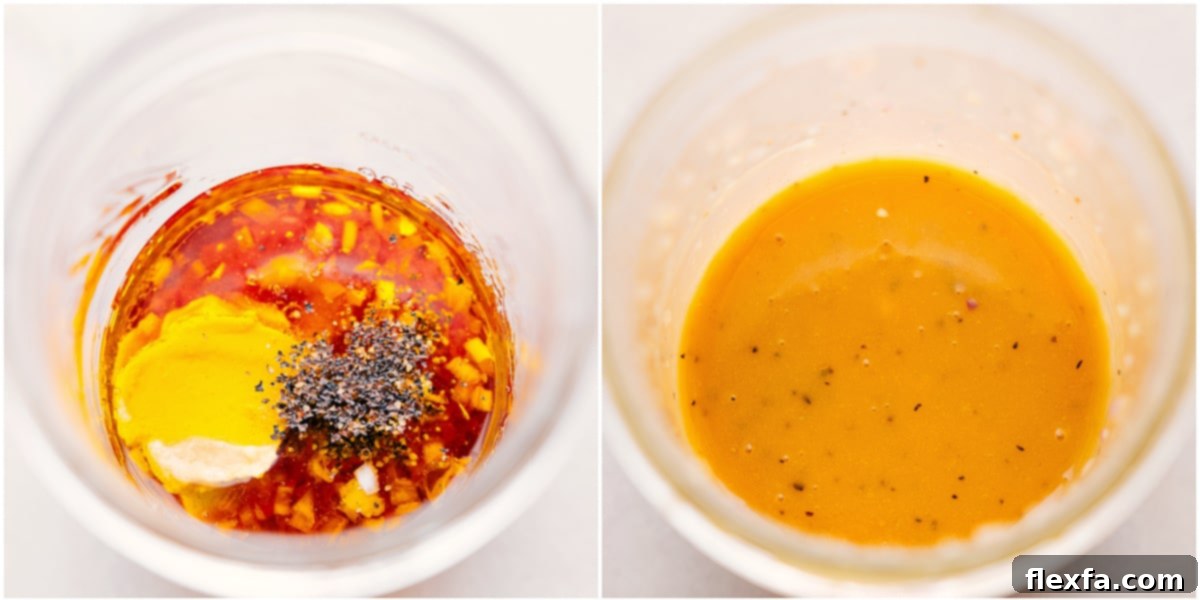
Prepare the Dressing: In a small jar equipped with a tight-fitting lid, combine all the dressing ingredients: olive oil, red wine vinegar (or apple cider vinegar), Dijon mustard, honey, minced garlic, and finely minced shallot (if using). Season with approximately 1/4 teaspoon each of salt and freshly ground black pepper, adjusting to your preferred taste. Secure the lid firmly and shake the jar vigorously until all ingredients are thoroughly combined and the mixture is well emulsified. If the honey appears to have settled at the bottom, use a small spoon to stir it in until the dressing is completely smooth.
-
Assemble the Salad Base: Transfer the completely dried and neatly chopped green leaf lettuce (or romaine) into a spacious serving bowl. Ensuring the lettuce is thoroughly dry is paramount to prevent the dressing from becoming watery and compromising the salad’s crispness. Evenly arrange the cucumbers (cut into half moons), halved cherry tomatoes, thinly sliced red onion (if incorporating), and grated carrot over the bed of lettuce, creating an appealing visual layer.
-
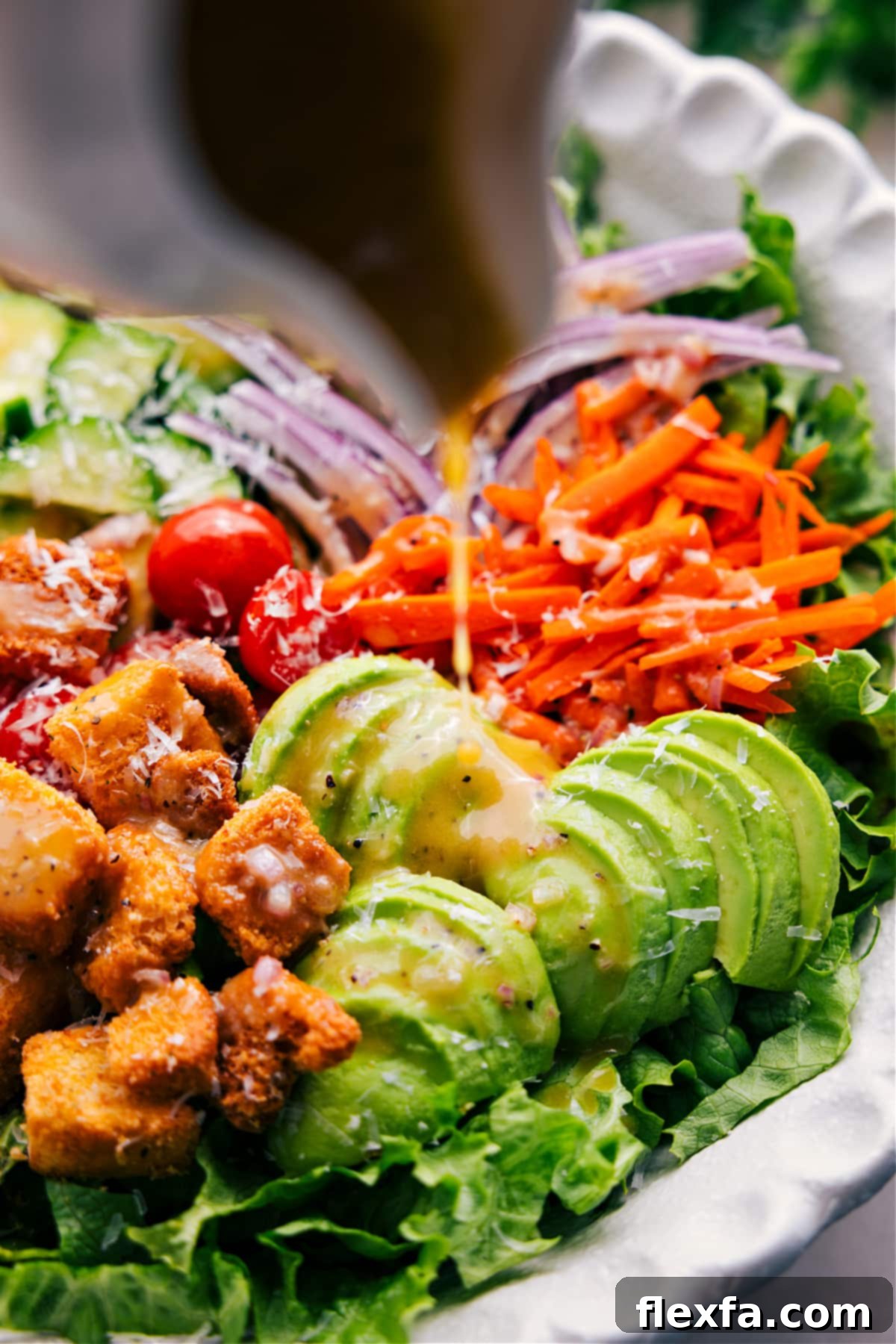
Dress and Serve Immediately: If your intention is to consume the entire salad in one sitting, drizzle the freshly prepared dressing generously over the vegetables and lettuce. Gently toss all the ingredients until every component is lightly and evenly coated with the dressing. Should you anticipate having leftovers, it is highly recommended to only dress the specific portion you will be eating immediately. Store the remaining undressed salad components and the dressing separately. Just before serving, incorporate any desired optional toppings, such as diced ripe avocado and crispy croutons. Taste the salad and make any final adjustments to the seasoning (perhaps a little more salt, pepper, or a squeeze of fresh lemon juice) if needed to perfect the flavors. Serve and savor your fresh garden salad without delay!
Recipe Notes
Note 2: Optimal Cucumber Choice: For the best results in terms of crispness and flavor, English or Persian cucumbers (which are sometimes conveniently labeled as “salad cucumbers”) are preferred. They are less watery and have thinner skins, enhancing the overall texture of your garden salad.
Note 3: Carrot Quantity & Texture: Approximately one large carrot is typically sufficient to yield 1/2 cup of grated carrot. For the most appealing texture, peel the carrot first, then use the larger holes of a box grater to create substantial, flavorful shreds.
Note 4: Versatile Optional Toppings: Enhance your salad with a variety of toppings. Consider adding one large, ripe avocado (diced for creamy contrast), one cup of crispy croutons for crunch, and your choice of cheese to taste – popular options include crumbled feta, tangy goat cheese, sharp cheddar, or finely shaved Parmesan.
Nutrition Information Disclaimer: Please be aware that the provided nutrition information is an estimation calculated based on the main ingredients listed in the recipe. It does not account for or include any optional toppings you may choose to add.
Storage Best Practices: This garden salad truly offers its best experience when consumed immediately after it has been dressed. For managing leftovers or engaging in meal preps, store all undressed salad ingredients (such as lettuce and other chopped vegetables) in separate airtight containers in the refrigerator, where they can maintain freshness for up to three days. The homemade dressing, stored separately in an airtight jar, will keep well in the fridge for up to one week. If the dressing separates or solidifies slightly due to the oil, simply allow it to sit at room temperature for 20–30 minutes, then shake it thoroughly before using to restore its smooth consistency.
Nutrition
Serving: 1serving
|
Calories: 168kcal
|
Carbohydrates: 11g
|
Protein: 2g
|
Fat: 14g
|
Saturated Fat: 2g
|
Polyunsaturated Fat: 2g
|
Monounsaturated Fat: 10g
|
Sodium: 31mg
|
Potassium: 415mg
|
Fiber: 3g
|
Sugar: 6g
|
Vitamin A: 10044IU
|
Vitamin C: 15mg
|
Calcium: 47mg
|
Iron: 1mg
Nutrition information is automatically calculated and provided for informational purposes only. It should be used as an approximation and can vary based on specific ingredients and preparation methods.
Love this recipe? Share your thoughts below!
Why a Garden Salad is More Than Just a Side Dish
Beyond its incredible ease of preparation and refreshing taste, a garden salad offers a multitude of benefits that solidify its position as an indispensable component of a balanced and healthy diet. Each vibrant bite is packed with essential vitamins, minerals, and dietary fiber, making it a true powerhouse of nutrition. The diverse range of fresh vegetables provides a rich array of antioxidants, which play a crucial role in supporting overall health, bolstering the immune system, and contributing to long-term well-being. Furthermore, its light and refreshing nature significantly aids in digestion, especially when thoughtfully paired with heavier or richer main courses, ensuring you feel pleasantly satisfied without the common sensation of being weighed down.
Incorporating this effortlessly simple yet endlessly versatile garden salad into your regular meal rotation is one of the most effective and enjoyable ways to consistently boost your daily vegetable intake. It encourages you to explore new and exciting flavor combinations, embrace the seasonal bounty, and truly appreciate the unadulterated taste of fresh, wholesome produce. This recipe stands as a testament to the powerful idea that healthy eating does not, and should not, be complicated, time-consuming, or devoid of flavor. With just a few staple ingredients and the magic of a homemade dressing, you possess the ability to create a culinary masterpiece that is as profoundly good for you as it is utterly delicious.
Therefore, the next time you find yourself seeking a quick, exceptionally healthy, and endlessly customizable side dish, remember the humble yet mighty garden salad. It serves not just as a mere dish but as a vibrant canvas for your culinary creativity, a delightful burst of freshness that invigorates the senses, and a simple joy that truly complements and elevates any dining experience, making every meal a little brighter.