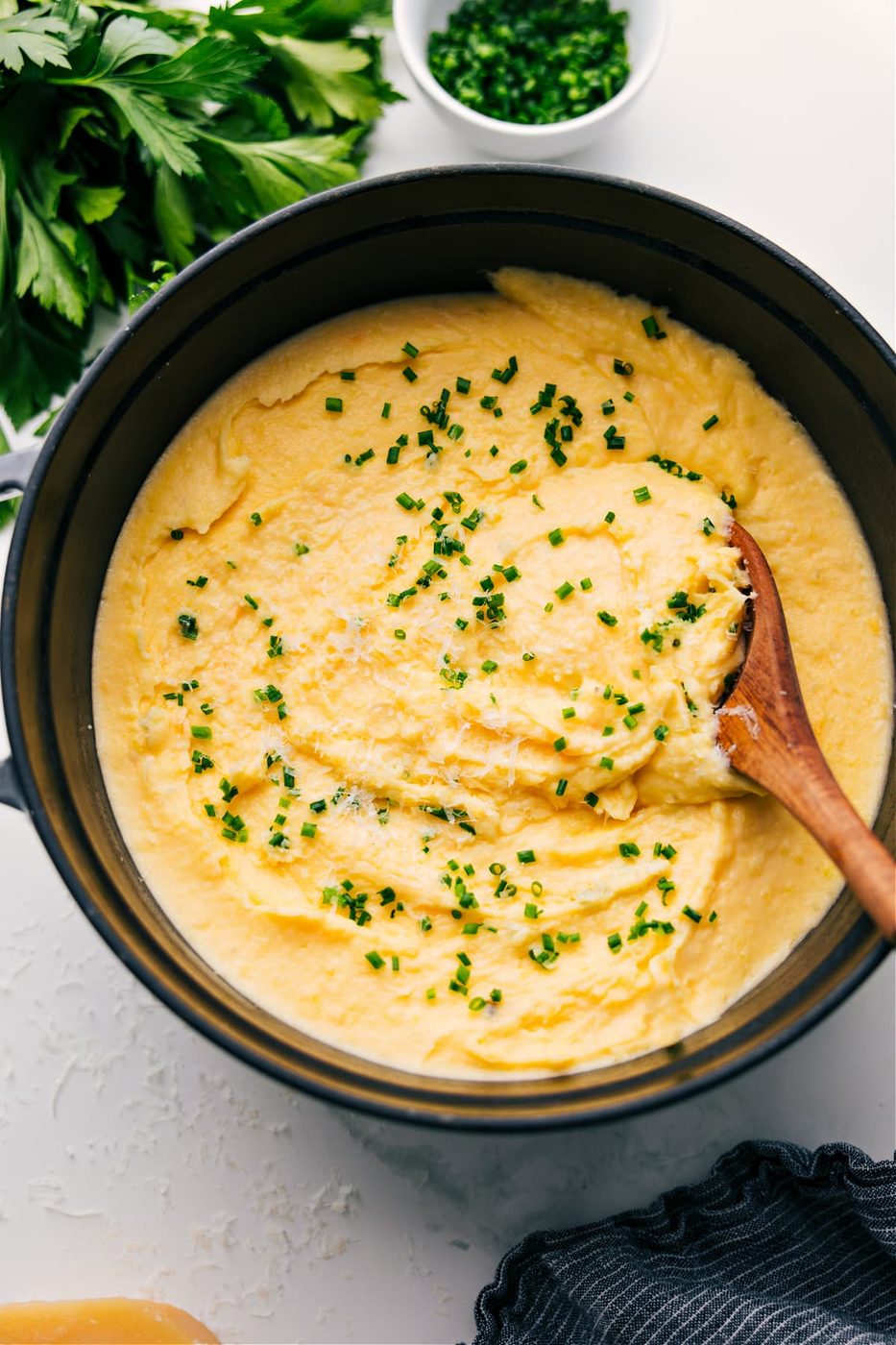
Cheesy Mashed Potatoes are the creamy, cheesy upgrade your dinner table needs! Simple, hearty, and satisfying.
Author’s Notes
The Secret to the Best Mashed Potatoes
It is satisfying to mashed potatoes…who doesn’t?! Okay, actually…my oldest son doesn’t. He’s not a big potato fan unless they’re fried or hidden in his favorite sausage potato soup.
But I digress. Cheesy mashed potatoes are one of my personal favorites. As an adult, they were one of the first side dishes I wanted to master because I wanted them on our table at least once a week, especially for a hearty Sunday meal with a good roast.
They were also one of my biggest pregnancy cravings with my oldest son, which might explain why he’s not a fan now. It was basically the only thing I ate for nine months straight, haha!
Anyway, back to the point. The real game changer for mastering mashed potatoes was buying a ricer. It’s truly the secret to reliable mashed potatoes every single time. I swear I’ve tried every method out there (I had a solid nine months of testing them all!) and nothing compares to using a ricer. Plus, it’s fun. It feels like a Play-Doh toy for adults. If I can convince you to invest in one kitchen tool, make it this. Your cheesy mashed potatoes will never be the same!
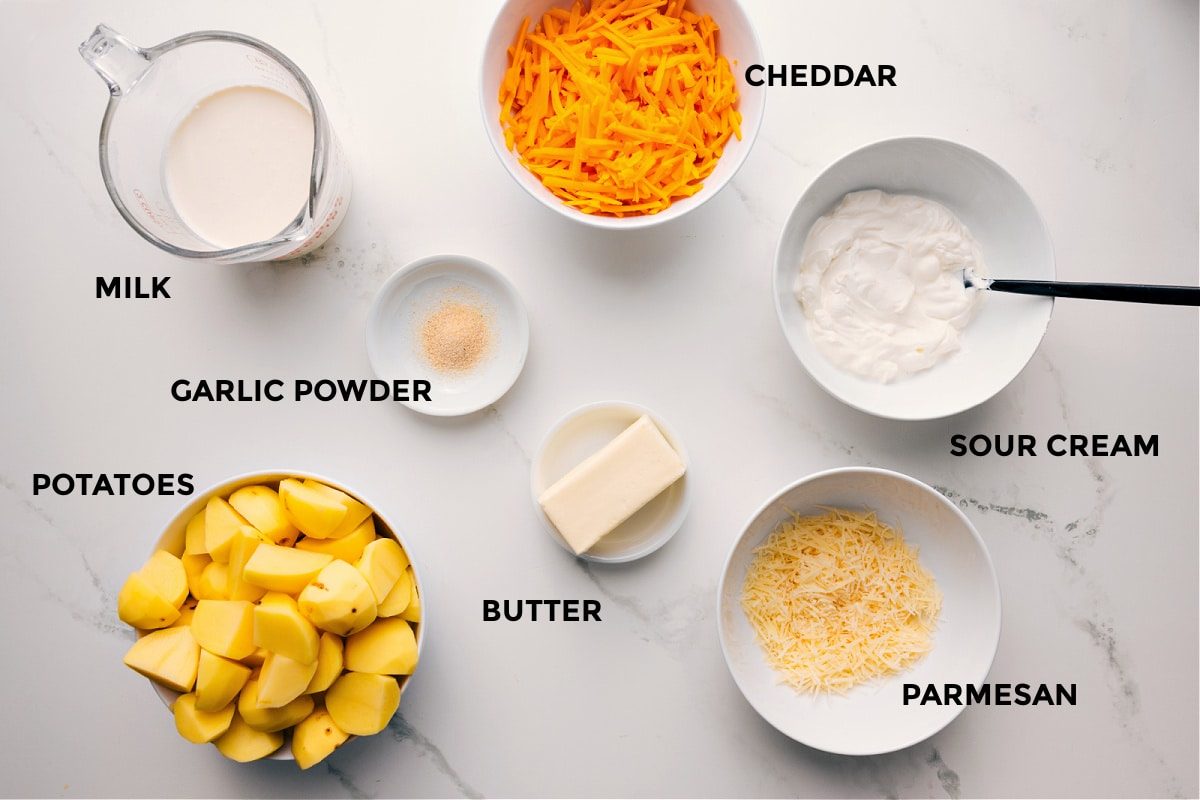
Cheesy Mashed Potatoes Ingredients
| Ingredient | Helpful Tip |
|---|---|
| Gold potatoes | Use gold potatoes for the creamiest texture and natural buttery flavor. Russets work too, but won’t be quite as smooth. |
| Butter, heavy cream, and sour cream | Warm them before mixing so the potatoes stay fluffy and smooth instead of thick, gluey, or sticky. |
| Cheddar cheese | Shred fresh from a block for the best melt and flavor. Pre-shredded cheese can make the potatoes less creamy. Use sharp or extra-sharp Cheddar for more flavor. |
| Garlic powder and green onions | Garlic powder adds subtle flavor while green onions give freshness and color. Add extra on top before serving. |
| Salt and pepper | Season generously. Potatoes need more salt than most sides to bring out their flavor. |
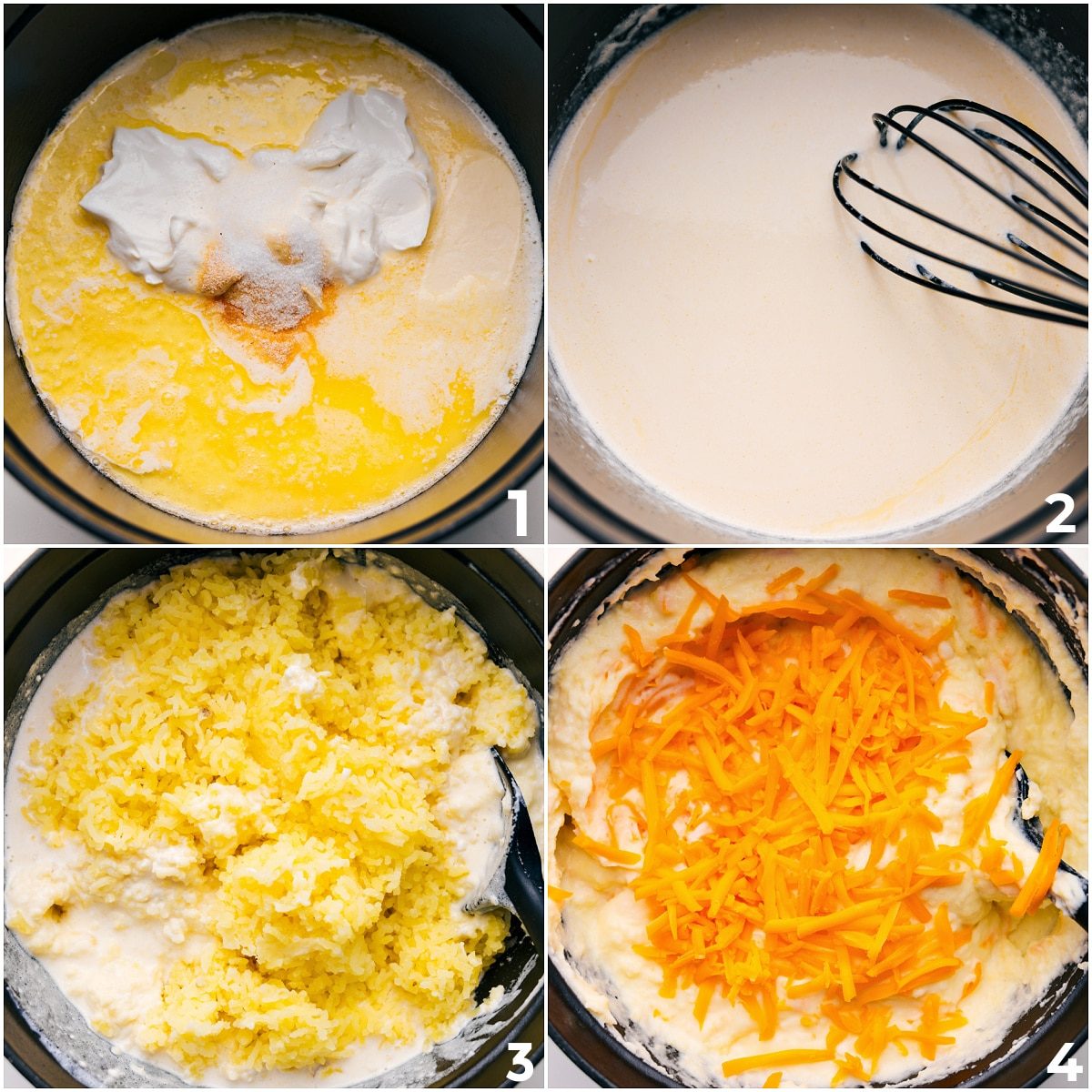
How To Make Cheesy Mashed Potatoes
- Boil Potatoes: Cook until tender, then drain and dry.
- Heat Cream Mixture: Melt butter with cream, sour cream, and seasonings.
- Mash Potatoes: Rice or mash into the cream mixture until smooth.
- Add Cheese: mix in Cheddar gently until melted.
- Serve: Top with green onions and serve hot.
Storage
Best Fresh: These cheesy mashed potatoes are at their very best right after making.
Keep Warm (up to 30 minutes): Cover tightly with plastic wrap and keep in a warm spot near the stove. Stir gently before serving.
Keep Warm (up to 2 hours): Place the bowl of mashed potatoes over a pot with about 1 inch of hot water. Keep the water gently simmering and make sure the bowl doesn’t touch the water. Stir occasionally.
Make Cheesy Mashed Potatoes Ahead (up to 1 day): Prepare and mash the potatoes as directed (through the ricer), then refrigerate in a covered container. Prepare the cream mixture separately and refrigerate it as well. When ready to serve, heat the cream mixture until hot, then mix in the potatoes and mix gently until smooth. Gradually add cheese as directed in recipe card.
More reliable Side Dishes:
Side Dishes
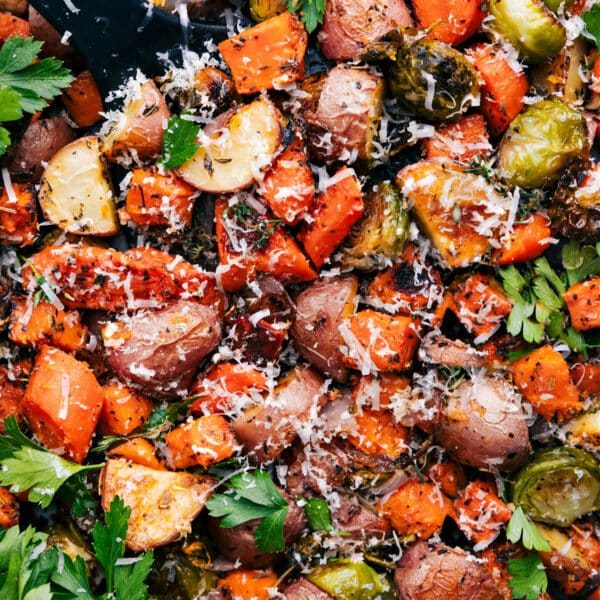
Roasted Vegetables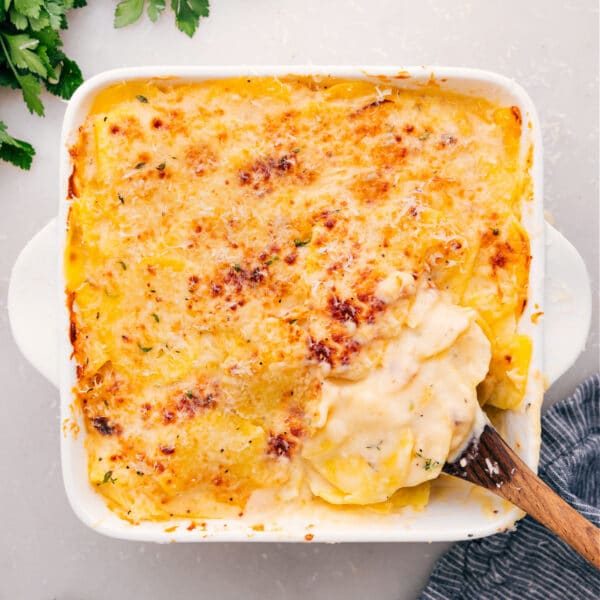
Potatoes
Au Gratin Potatoes Recipe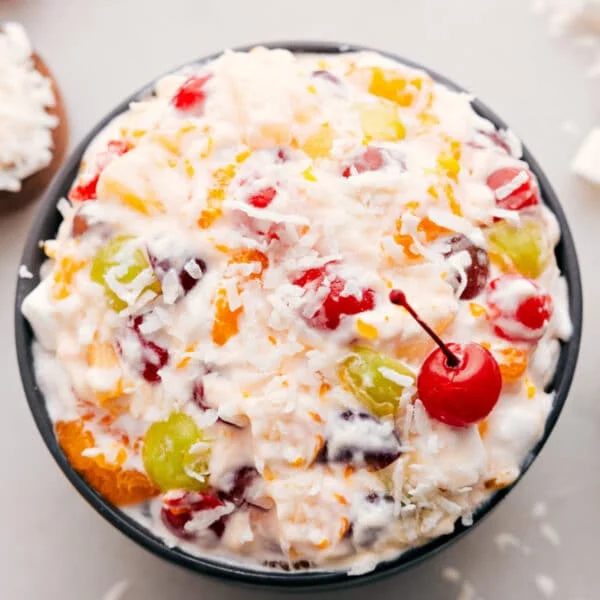
Salads
Ambrosia Salad Recipe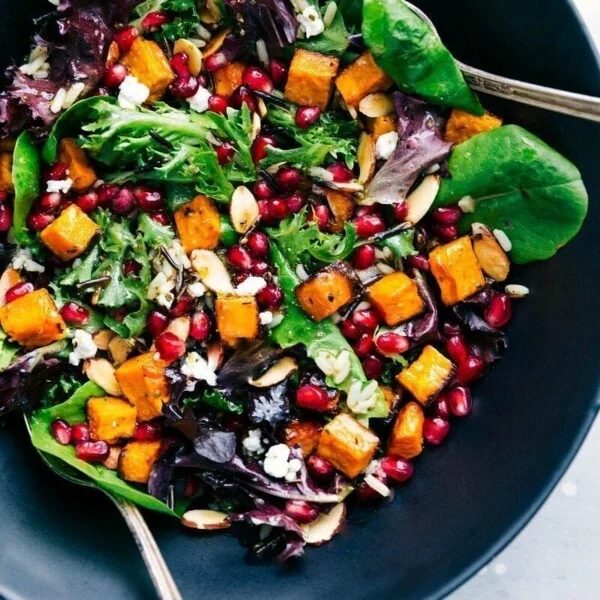
Salads
Wild Rice SaladMy Top Tips For Cheesy Potatoes
- Start with cold water: Always add potatoes to cold water before boiling so they cook evenly from the inside out.
- Don’t overcook: Boil just until fork-tender. Overcooked potatoes absorb too much water and can turn gummy.
- Dry the potatoes well: After draining, let them sit a few minutes so excess moisture evaporates. This makes them fluffier.
- Keep everything warm: Cold butter or cream can make mashed potatoes more dense. Make sure add-ins are warm before mixing.
- Avoid overmixing: Stir just until creamy. Overworking mashed potatoes releases starch, making them gluey.
- Taste and season last: Always give them a final taste before serving. Potatoes need more salt than you might expect.
- Use a wooden spoon or silicone spatula: Metal utensils can overwork the mash; gentler tools help keep the texture light.