
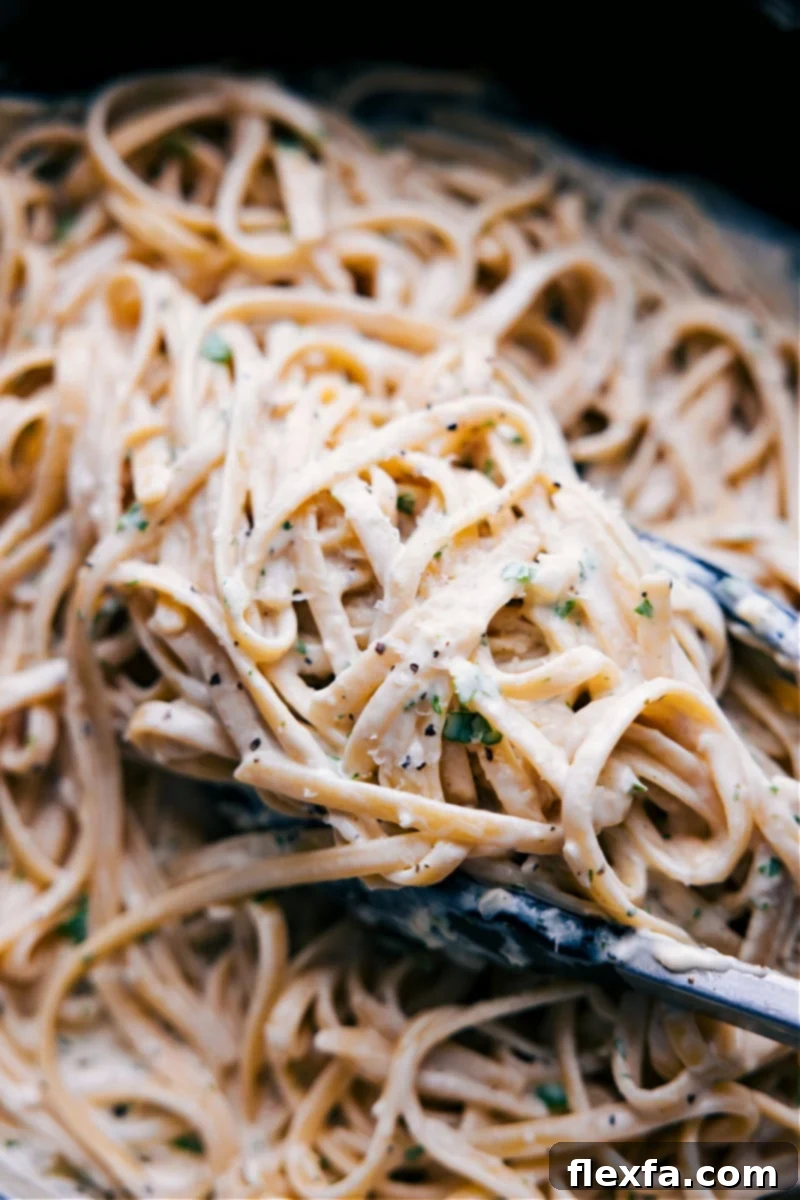
Indulge in the ultimate comfort food with this Classic Fettuccine Alfredo Recipe. It’s wonderfully rich, incredibly creamy, and surprisingly simple to prepare, bringing a restaurant-quality meal to your table in just about 20 minutes. Forget complicated techniques and long ingredient lists; this recipe focuses on pure, unadulterated flavor and luxurious texture.

Classic Fettuccine Alfredo: A Timeless Pasta Masterpiece
While many variations of Fettuccine Alfredo abound, incorporating everything from vibrant vegetables to savory proteins, this recipe celebrates the original, unadorned classic. We’re stripping it back to basics: perfectly cooked fettuccine coated in an exquisitely rich and creamy sauce. It’s a testament to the power of simple, high-quality ingredients harmoniously combined.
Don’t mistake simplicity for a lack of depth. This isn’t just another plain pasta dish. The true magic lies in the symphony of flavors that emerge from minimal components. Each bite delivers a deeply savory experience, infused with subtle notes of aromatic garlic, sharp, nutty Parmesan, and a hint of Italian seasoning. The result is pure indulgence – a dish that feels both comforting and sophisticated, making it a perfect choice for any occasion, whether it’s a busy weeknight or a special gathering.
The secret to achieving that truly authentic, restaurant-quality Alfredo sauce lies in two key elements: heavy cream and the masterful use of reserved pasta water. While some might shy away from heavy cream, it’s indispensable for achieving the signature lusciousness. However, this recipe cleverly employs far less cream than many others (roughly half!) by utilizing an Italian “secret”: the starchy pasta boiling water. This starchy liquid not only stretches the sauce further but also helps create a wonderfully smooth, emulsified texture that clings perfectly to every strand of fettuccine.
Healthier Alternatives & Variations
If you’re mindful of cream consumption or looking to reduce fat and calories, there are delicious alternatives. Explore lighter options like a no-heavy-cream Chicken Alfredo or a wholesome Cajun Sausage Pasta. However, for the absolute most authentic and indulgent Classic Fettuccine Alfredo, heavy cream remains the gold standard.

Your Essential Guide to Fettuccine Alfredo: FAQs Answered
Let’s address some common questions to help you perfect your homemade Fettuccine Alfredo.
Heavy Cream vs. Milk: Which is Superior for Alfredo Sauce?
For an authentic, rich, and truly velvety Alfredo sauce, heavy cream is undeniably the superior choice. Its higher fat content creates a luxurious thickness and unparalleled creaminess that milk simply cannot replicate. Milk, even whole milk, will result in a thinner, less decadent sauce that lacks the characteristic mouthfeel of classic Alfredo. While you can use milk in a pinch for a lighter sauce, be aware that the texture and richness will differ significantly from the traditional recipe.
Elevating Flavor: How to Enhance Your Fettuccine Alfredo
While the classic recipe is perfect in its simplicity, there are many ways to subtly enhance the flavor profile or introduce new dimensions. Here are some of our favorite additions:
- Fresh Herbs & Spices: A tiny pinch more of freshly ground salt and coarse black pepper can make a monumental difference. Don’t underestimate their power! Increase the core Italian seasoning slightly, or add a dash of garlic powder for a more pronounced garlicky kick. For an authentic touch, a whisper of freshly grated nutmeg can add surprising warmth and depth.
- Vegetable Add-ins: Incorporate finely chopped baby spinach (it wilts beautifully into the sauce), drained and coarsely chopped sun-dried tomatoes packed in oil for a tangy burst, sautéed mushrooms for an earthy umami, or colorful sautéed peppers for sweetness and texture.
- Quality Cheese: This is paramount. The better the cheese, the better your Alfredo will taste. Invest in high-quality Parmesan or, even better, Parmigiano Reggiano. Avoid pre-grated or canned varieties which often contain anti-caking agents that hinder smooth melting.
- Aromatic Boost: A tiny splash of dry white wine (like Pinot Grigio or Chardonnay) can be added to the pan after sautéing onions and garlic, allowing it to reduce before adding the cream, for an extra layer of complexity.

Crafting Creamy Perfection: Your Guide to Making Fettuccine Alfredo
Making restaurant-quality Fettuccine Alfredo at home is simpler than you might think, especially when you follow these fundamental steps:
- Generously Salt the Pasta Water: This is your primary opportunity to season the pasta itself. Think of it as seasoning the foundation of your dish. The water should taste like the ocean. Well-salted pasta ensures that your entire Fettuccine Alfredo doesn’t taste bland or under-seasoned, even with the flavorful sauce. It’s a crucial step that many overlook.
- Prepare the Sauce While Pasta Cooks: Efficiency is key! The beauty of this recipe is its speed. While your fettuccine is boiling away, you’ll whip together the rich Alfredo sauce. It truly takes mere minutes to build the flavors and achieve the initial thickness, ensuring everything is ready at precisely the right moment for combining.
- Emulsify for the Ultimate Texture: This is the hallmark of truly exceptional Italian pasta dishes. The magic happens when you toss the hot, al dente pasta directly with the prepared Alfredo sauce and a ladleful of the starchy reserved pasta water. This vigorous tossing process, known as emulsifying, binds the fat from the cream and butter with the water and starches from the pasta. The result is a beautifully smooth, glossy sauce that lovingly coats every single strand of fettuccine, rather than pooling sadly at the bottom of the pot. It’s what gives Alfredo its signature clingy, luxurious texture.
Understanding Emulsification
An emulsified sauce is a stable mixture where ingredients that usually don’t mix (like oil and water) are dispersed evenly throughout each other. If your Alfredo sauce separates into layers or looks oily, it means the emulsion has broken. The reserved pasta water is vital here, as its starch helps stabilize this delicate balance.

Secrets to the Perfect Fettuccine Alfredo Every Time
Achieving Fettuccine Alfredo perfection is within reach with these expert tips:
- The Uncompromising Importance of Quality Cheese: Parmesan cheese isn’t just an ingredient; it’s a star player in this recipe, profoundly impacting the overall flavor. While speed and ease are goals, never compromise on your cheese. Avoid pre-shredded, pre-grated, or canned Parmesan. These often contain anti-caking agents that prevent smooth melting, leading to a clumpy, grainy sauce. Instead, always opt for a solid block of Parmesan (or even better, Parmigiano Reggiano) and grate it finely yourself using the small holes of a box grater or a microplane. The difference in taste and texture is monumental.
- Utilize a Generously Sized Pot or Skillet: The emulsification stage requires ample space. To properly toss and combine the hot pasta with the rich Alfredo sauce and starchy pasta water, you’ll need a very large skillet or a wide, heavy-bottomed pot. Attempting this in a cramped pan will make tossing challenging and can hinder the sauce from emulsifying smoothly and evenly coating the pasta.
- Don’t Hesitate to Add More Pasta Water: The ideal Alfredo sauce should be wonderfully silky, glossy, and cling effortlessly to the fettuccine. If, at any point, your sauce appears too thick, stodgy, or begins to look grainy, fear not! Simply drizzle in an additional tablespoon or two of the reserved hot pasta water and continue to toss. This magic liquid will help thin and smooth out the sauce beautifully, bringing it back to that perfect consistency.
- Finely Dice the Onion: For a harmonious flavor profile, ensure your onion is minced as finely as possible. This allows it to sauté quickly, soften completely, and seamlessly integrate into the sauce without overpowering other flavors. Large chunks of onion can create an undesirable crunchy texture and a dominant flavor in this delicate dish. If you’re not a fan of onion, you can easily omit it entirely or substitute with a small amount of onion powder for a milder hint of flavor.
- Serve Immediately: Alfredo sauce is at its absolute peak the moment it’s perfectly emulsified and tossed with the pasta. The creaminess and texture are unparalleled then. While leftovers are still delicious, for the truly transcendent experience, serve it hot and fresh straight from the pan.
The Gold Standard: Parmigiano Reggiano
To truly elevate your Alfredo game, consider using Parmigiano Reggiano. This exquisite cheese, exclusively produced in Italy (look for labels stating “made in” or “from” Italy), boasts a deeper, more complex flavor profile with a subtle, irresistible sweetness. While it is more expensive than standard Parmesan, once you experience its transformative effect in this recipe, you might find yourself unwilling to go back!
Storage & Reheating
Maximizing Your Leftover Fettuccine Alfredo
This homemade Fettuccine Alfredo recipe tastes best the moment the sauce is freshly emulsified with the pasta. All pasta dishes achieve their pinnacle of flavor and texture when served immediately. However, if you find yourself with delightful leftovers, they can certainly be stored and enjoyed.
Storage: Store any leftover Alfredo in an airtight container in the refrigerator for up to 3-4 days. It’s important to note that due to the pasta and dairy content, this dish is not an ideal candidate for freezing and thawing, as the sauce’s texture can become grainy and separate.
Reheating: When reheating, the sauce will likely have thickened considerably and might appear less creamy. To restore its luscious texture, gently reheat the pasta in a skillet over low to medium-low heat. Add a splash of heavy cream, milk, or even a little chicken broth, stirring constantly until the sauce loosens and becomes creamy again. While the pasta itself will be softer than freshly cooked, it will still retain plenty of its delicious flavor.
Perfect Pairings: What to Serve with Fettuccine Alfredo
Fettuccine Alfredo is a hearty and satisfying dish, but it truly shines when paired with complementary sides that balance its richness. Here are some excellent choices:
Appetizers
Bruschetta Recipe
The fresh, vibrant flavors of tomato and basil bruschetta offer a delightful contrast to the richness of Alfredo, acting as a perfect light appetizer.
Salads
Olive Garden Salad
A crisp, tangy salad like the classic Olive Garden version provides a refreshing counterpoint, cutting through the creamy pasta with its bright vinaigrette.
Fruit Salads
Fruit Salad With Yogurt
For a lighter, sweeter accompaniment or a palate cleanser, a fresh fruit salad with a creamy yogurt dressing is a delightful choice after a rich pasta dish.
Side Dishes
Roasted Broccoli Recipe
The earthy, slightly bitter notes and tender-crisp texture of roasted broccoli provide an excellent balance to the creamy, indulgent Alfredo, adding essential greens to your meal.

Fettuccine Alfredo Recipe
Chelsea Lords
15 minutes
15 minutes
30 minutes
4 servings
Equipment
-
Large skillet or pot, see note 1
Ingredients
- 1 (16-ounce) package fettuccine
- 6 tablespoons unsalted butter cut into tablespoons
- heaping 1/2 cup finely minced onion or use 1 teaspoon onion powder—see note 2
- 1-1/2 teaspoon minced garlic or use 1 teaspoon garlic powder
- 1/2 teaspoon Italian seasoning
- 1 cup heavy cream
- 1-1/2 cups freshly grated Parmesan cheese or Parmigiano Reggiano, see note 3
- Salt and pepper
- Fresh parsley optional, for garnish
Instructions
-
Prepare Pasta: Bring a large pot of water to a rolling boil. Once boiling, add 1 tablespoon of fine sea salt. Add all the fettuccine and cook, stirring occasionally, until the pasta is al dente according to package directions (use the lowest time indicated on the package, as the pasta will cook a bit more in the sauce). Before draining, carefully scoop out and reserve 1 cup of the starchy pasta water. Drain the pasta thoroughly but do not rinse it in cold water.
-
Make the Sauce: Meanwhile, melt the cut pieces of unsalted butter in a very large cast-iron or heavy-bottomed pan or pot (ensure it’s large enough to hold all the pasta later) over medium-high heat. Once the butter is melted and slightly foaming, add the finely minced onion and garlic. Sauté for 2-3 minutes, stirring frequently, until the onion is tender and translucent and the garlic is fragrant (be careful not to burn the garlic). Pour in the heavy cream, Italian seasoning, and season with salt and pepper (we recommend starting with 1/4 teaspoon of each). As soon as the mixture comes to a gentle boil, reduce the heat to medium-low. Simmer, stirring occasionally, until the sauce visibly thickens, which typically takes about 1-3 minutes (refer to note 4 for guidance).
-
Emulsify Pasta and Sauce: Once the sauce has thickened, remove the pan from the heat. Stir in the freshly grated Parmesan cheese until it has fully melted and the sauce appears mostly smooth and cohesive. Immediately add the drained, hot pasta directly on top of the sauce, along with 1/2 cup of the reserved pasta water. Return the pan to medium heat. Using tongs, gently yet thoroughly toss the pasta and sauce together. Continue tossing for about 1 minute until the pasta is beautifully coated and the sauce has emulsified into a smooth, glossy consistency. If the sauce appears too dry, stodgy, or thick at any point, add an additional tablespoon or two of reserved pasta water and continue tossing until it reaches the desired silkiness (see note 5!).
-
Serve Immediately: Remove the pan from the heat and serve your delicious Fettuccine Alfredo right away for the best possible experience. Garnish individual plates with fresh parsley and an extra sprinkle of grated Parmesan cheese and freshly cracked black pepper, if desired. Enjoy!
Recipe Notes
Note 2: Finely Minced Onion: Ensure the onion is minced extremely finely so it cooks down quickly and integrates seamlessly into the sauce. Larger pieces can be overpowering and crunchy. If you prefer to omit onion, you can do so, or substitute with 1 teaspoon of onion powder.
Note 3: Quality Parmesan is Key: The flavor of your Alfredo heavily relies on good quality Parmesan. Do not use canned or pre-shredded/grated Parmesan, as these contain anti-caking agents that prevent smooth melting and will result in a clumpy sauce. Always use a block of cheese and freshly grate it on the small side of a grater or a microplane zester. For an even richer flavor, opt for authentic Parmigiano Reggiano.
Note 4: Checking Sauce Thickness: To determine if your sauce is thick enough, dip the back of a wooden spoon into the simmering sauce. Lift the spoon out and immediately trace a line across the back with your fingertip. If the line holds a clear track and doesn’t run, the sauce is ready. If it fills in, continue simmering for a little longer, checking every 30 seconds.
Note 5: Adjusting Sauce Consistency: The finished Alfredo sauce should be silky smooth and beautifully cling to the pasta. If it becomes too thick, sticky, or grainy after tossing with the pasta, simply drizzle in an additional tablespoon or two of the reserved pasta water and toss again vigorously. This should effectively smooth it out and achieve the perfect consistency.
Storage Tips: Store leftovers in an airtight container in the fridge for up to 4 days. Reheat gently on the stovetop with a splash of milk or cream to restore its original creaminess. Freezing is not recommended for this dish due to potential texture changes in the sauce.
Nutrition
Calories: 957kcal |
Carbohydrates: 90g |
Protein: 29g |
Fat: 54g |
Saturated Fat: 32g |
Polyunsaturated Fat: 4g |
Monounsaturated Fat: 14g |
Trans Fat: 1g |
Cholesterol: 240mg |
Sodium: 699mg |
Potassium: 444mg |
Fiber: 4g |
Sugar: 5g |
Vitamin A: 1799IU |
Vitamin C: 2mg |
Calcium: 426mg |
Iron: 3mg
Nutrition information is automatically calculated, so should only be used as an approximation.
Creative Variations to Elevate Your Alfredo
Infuse New Flavors: Explore Delicious Alfredo Variations
While the classic Fettuccine Alfredo is a culinary masterpiece on its own, it also serves as an excellent canvas for delicious additions and twists. Here are some popular and incredibly tasty ways to customize your Alfredo:
- Fettuccine Alfredo with Shrimp: Transform your Alfredo into a seafood sensation by adding seasoned and sautéed shrimp. Here’s a simple guide to prepare them perfectly:
- Heat 1 tablespoon of oil and 1 tablespoon of butter in a large pan. While the butter melts, season fresh shrimp with salt (1/4 to 1/2 teaspoon, depending on quantity). Gently toss to coat. As soon as the butter is fully melted and shimmering, add the shrimp in a single, even layer, ensuring they don’t overlap (crowding the pan will steam them instead of searing). Cook for approximately 1 minute per side until they turn pink and opaque. Transfer the cooked shrimp to a clean plate and return them to the pasta at the very end of the cooking process, just before serving.
- Fettuccine Alfredo with Broccoli: This is a fantastic way to add a healthy green element to your creamy pasta. It’s incredibly easy to incorporate:
- Two minutes before your pasta is scheduled to be done, add fresh or frozen broccoli florets (cut into bite-sized pieces) directly into the boiling pasta water. They will cook alongside the fettuccine. Drain the pasta and broccoli together, then toss them into the Alfredo sauce as directed in the main recipe. The broccoli adds a lovely texture and a touch of earthiness.
- Chicken Fettuccine Alfredo: A perennial favorite! To make a satisfying chicken Alfredo, add seasoned and sautéed chicken. For detailed instructions on preparing the chicken, you can follow the guidelines from this Chicken Pasta recipe, then simply toss the cooked chicken into your Alfredo sauce at the emulsification stage.
- Don’t have Fettuccine on hand? No problem! This versatile sauce works beautifully with virtually any pasta shape. Feel free to use 16 ounces of linguine, spaghetti, penne, rigatoni, or even tagliatelle. The key is to ensure the pasta is cooked al dente and that you reserve some of that precious starchy pasta water!
- Spicy Alfredo: For those who enjoy a little heat, add a pinch of red pepper flakes to the sauce while it simmers. Adjust to your preferred spice level.
- Mushroom and Spinach Alfredo: Sauté sliced mushrooms until golden brown before adding the onion and garlic. Then, at the end, stir in a handful of fresh spinach, allowing it to wilt into the hot pasta and sauce. This combination adds wonderful depth and nutrients.
Experiment with these variations to find your favorite, or get creative with your own additions!