
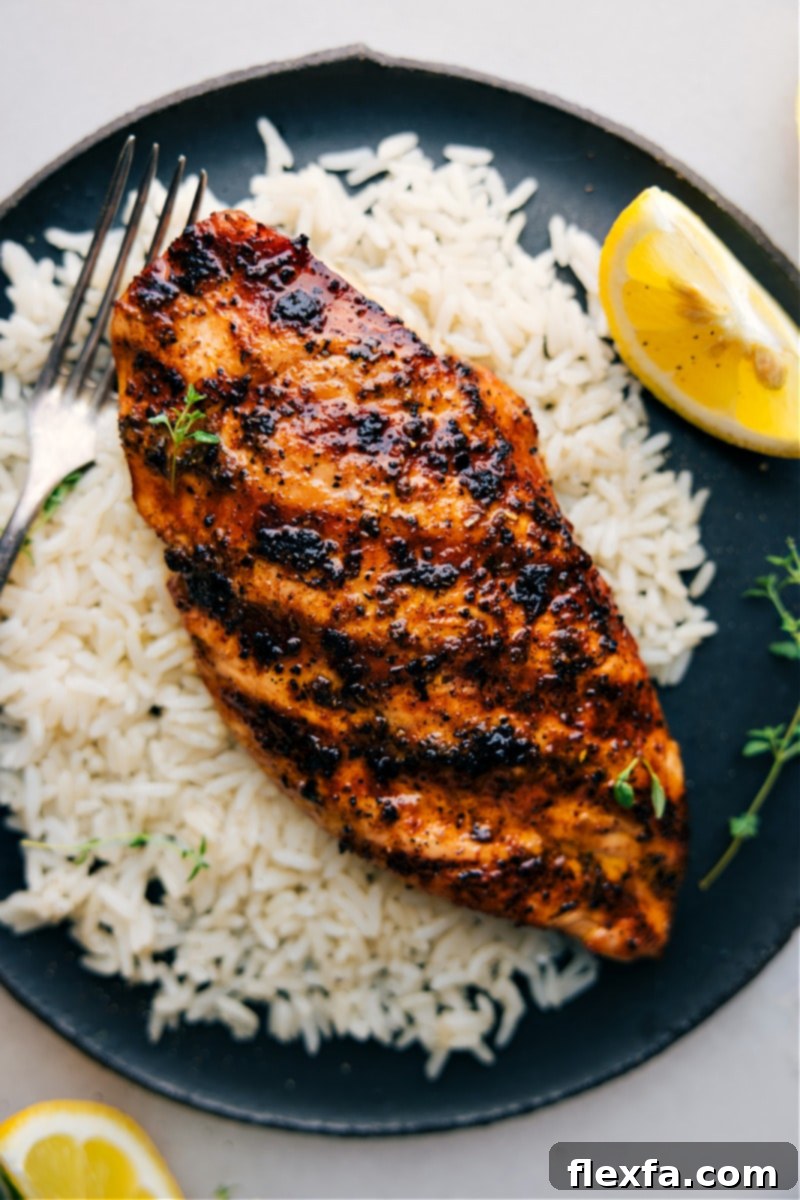
This Ultimate Chicken Rub Recipe promises to transform your chicken into a culinary masterpiece, bursting with bold, smoky, slightly sweet, and perfectly spiced flavors. Prepare your taste buds for an unforgettable experience – your chicken has truly never tasted this good!
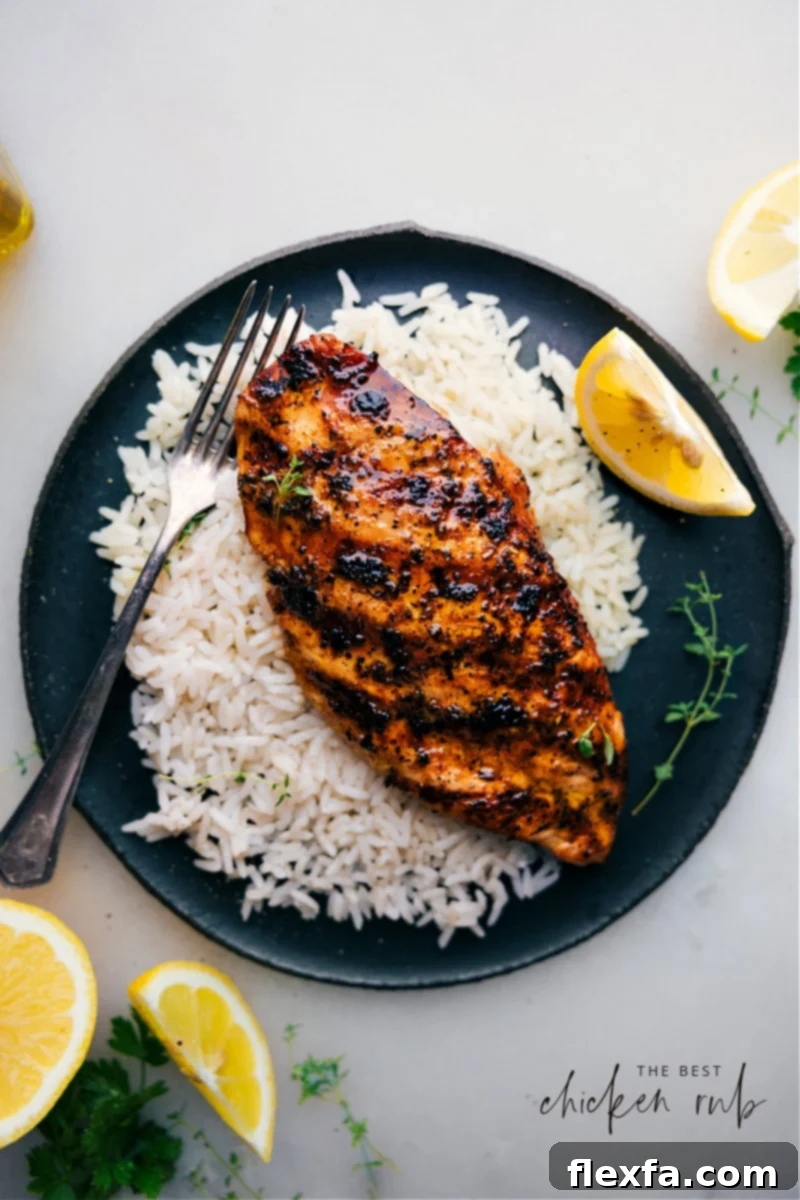
Author’s Note
The Fastest Way to Flavor-Packed Chicken!
As an avid fan of grilled chicken, I’ve explored countless marinades over the years, including my personal favorite, this Chipotle Chicken Marinade. However, life, especially during busy seasons like back-to-school, often leaves no time for lengthy marinating. That’s precisely where this incredible chicken rub comes into play. I dedicated an entire summer to perfecting this blend, and it has since become an absolute game-changer in my kitchen. It’s incredibly quick to mix up, yet it infuses grilled chicken with an extraordinary depth of flavor that makes weeknight dinners feel gourmet.
To streamline your cooking process even further, consider preparing spice packets in advance. Simply measure out the seasonings into small, zip-top bags. When dinner time rolls around, just add a touch of oil and vinegar, massage it onto your chicken, and you’re halfway to a sensational meal! This simple trick ensures that a delicious, flavor-packed chicken dinner is always just moments away, even on your busiest days.
Quick Tip
For maximum convenience, prepare a generous batch of this chicken rub. Store it in an airtight container in a cool, dark pantry. Properly stored, your homemade rub will remain fresh and potent for up to 6 months, ensuring you’re always ready to elevate your chicken dishes with minimal effort.
What is a Chicken Rub Recipe?
A chicken rub is a carefully crafted blend of dried herbs and powdered spices applied directly to the surface of chicken before cooking. Whether you’re preparing a whole bird or individual pieces, a good rub serves several vital purposes in enhancing both the flavor and texture of your meal:
- Intense Flavor Infusion: The primary role of a rub is to imbue the meat with a rich and complex flavor profile. Depending on the chosen ingredients, a rub can be spicy, sweet, savory, tangy, or a harmonious combination of these elements, penetrating the outer layers of the chicken to create a delicious experience with every bite.
- Formation of a Delicious Crust: When exposed to heat during cooking, the sugars and spices in the rub caramelize and toast, forming a tantalizing, crisp crust on the chicken’s exterior. This crust not only adds a delightful texture but also locks in flavor and aroma.
- Enhanced Moisture Retention: Key ingredients like salt contribute to moisture retention by tenderizing the meat and drawing out surface moisture, which then gets reabsorbed, resulting in a juicier final product. Sugar aids in caramelization, creating a barrier that helps prevent the chicken from drying out during the cooking process.
Quick Tip: Dry vs. Wet Rubs
Chicken rubs come in two main forms, each offering unique advantages:
- Dry Rub: This is the most common type, consisting solely of powdered spices and dried herbs. It’s simply sprinkled or massaged directly onto the chicken’s surface, creating a flavorful coating that crisps up beautifully when cooked.
- Wet Rub (or Paste): A wet rub is created by combining dry seasonings with a liquid base, such as olive oil, vinegar, mustard, or even fruit juice. This forms a thick paste that is then spread over the chicken. The wet ingredients help the rub adhere better, can add an extra layer of moisture, and may aid in flavor penetration, especially when applied hours before cooking. Our recipe, while primarily a dry rub, incorporates oil and vinegar as a “wetting” agent just before application, making it incredibly effective.
Featured Comment
Tried this last night and this was so delicious. The chicken was flavorful and so moist. I will be making this again and again.
Thank you!– Carol
Mastering Your Chicken: Essential Grilling & Cooking Tips
Achieving perfectly cooked, flavorful chicken with this rub is straightforward when you follow these expert tips:
- Ensure an Even Coating: For the best results, dedicate a moment to ensure that the rub is spread thoroughly and evenly across every surface of your chicken pieces. This guarantees that each bite is packed with consistent flavor and contributes to a uniform crust. Don’t forget to get into the crevices!
- Maintain Consistent Grill Temperature: When grilling, temperature control is paramount. A steady, medium-high heat is crucial for cooking chicken evenly, ensuring a beautifully charred exterior while keeping the interior wonderfully juicy. Uneven temperatures can lead to burnt outsides and undercooked insides.
- Check for Doneness with a Thermometer: Avoid the guesswork of relying solely on cooking time. A reliable meat thermometer is your best friend in the kitchen. Insert it into the thickest part of the chicken, avoiding bones. When the chicken reaches an internal temperature of 160°F (71°C), it’s time to remove it from the grill. Carryover heat will continue to cook it to the safe internal temperature of 165°F (74°C) during resting.
- Resting is Absolutely Key: After grilling, resist the urge to cut into your chicken immediately. Transfer it to a clean plate or cutting board and loosely tent it with aluminum foil. Allowing the chicken to rest for 5-10 minutes enables the juices, which have been driven to the center by the heat, to redistribute throughout the meat. This crucial step results in significantly juicier and more tender chicken.
- Prioritize Grill Cleaning and Greasing: Start with a clean grill every time. After preheating your grill, use a sturdy grill brush to scrape off any residue from previous cooks. Immediately after cleaning, generously oil the grates. This simple step prevents the chicken from sticking, facilitates easy flipping, and helps achieve those coveted, clean grill marks. I often use a paper towel soaked in vegetable oil, held with tongs, to grease my grates.
- Alternative Cooking Methods: This versatile rub isn’t limited to the grill! It performs beautifully with various other cooking techniques. You can confidently roast your chicken in the oven, broil it for a quick crisp, pan-sear it on the stovetop for a delightful crust, or even smoke it for an extra layer of flavor. Adjust cooking times and temperatures accordingly for your chosen method.
- Pound for Perfection: For chicken breasts and thighs, pounding them to an even thickness (about ¾-1 inch) ensures they cook uniformly. This prevents thinner parts from drying out while thicker parts finish cooking.
The Secret Weapon: Why a Meat Mallet Makes a Difference
Incorporating a meat mallet into your chicken preparation routine is a small step that yields significant results. This simple kitchen tool is designed to flatten and tenderize meat, especially chicken breasts or thighs, leading to a host of benefits that will elevate your finished dish.
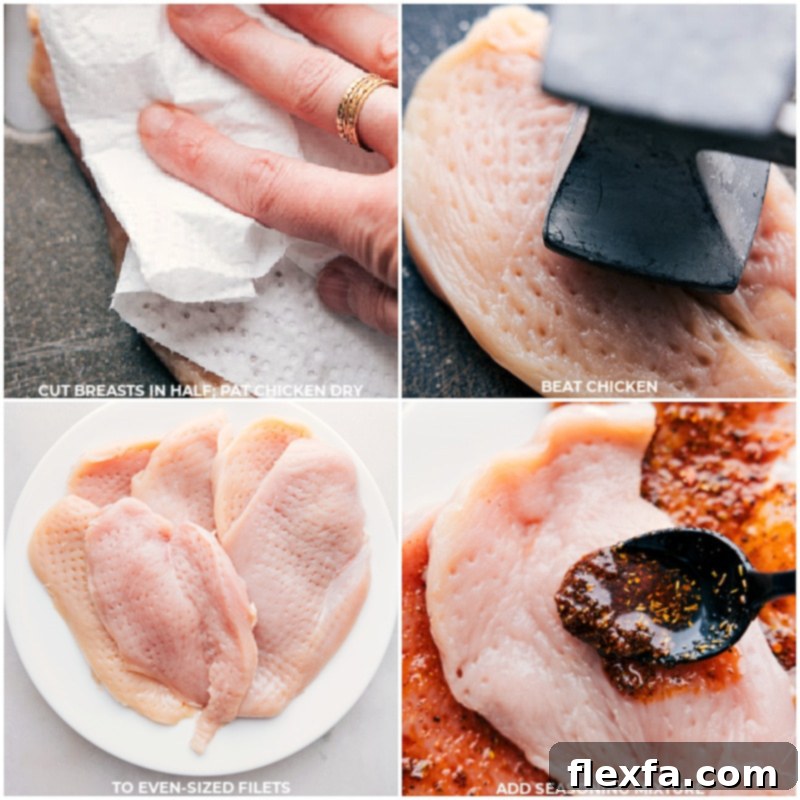
Most meat mallets feature two sides: a flat side for gentle flattening and a textured side for more aggressive tenderizing. When you pound chicken to an even thickness (ideally about 3/4 to 1 inch), you ensure that all parts of the meat cook at the same rate. This eliminates the common problem of thinner edges drying out while the thicker center is still cooking, resulting in consistently juicy and tender chicken from edge to edge.
Beyond even cooking, a mallet also helps break down tough muscle fibers, making the chicken incredibly tender. Furthermore, a flattened surface provides a larger, more uniform area for the rub to adhere to, allowing the spices to penetrate more deeply and infuse the meat with maximum flavor. This also speeds up cooking time, making it an ideal technique for quick weeknight meals. For me, a meat mallet is an indispensable kitchen tool that I reach for every time I prepare chicken.
What To Serve With Grilled Chicken: Delicious Pairings
Green Salads
Fresh Garden Salad
A light, crisp garden salad offers a refreshing counterpoint to the rich flavors of grilled chicken, adding essential freshness and crunch.
Salads
Classic Potato Salad Recipe
The creamy texture and tangy notes of a homemade potato salad provide a comforting and hearty complement to the smoky chicken.
Appetizers
Life-Changing No-Knead Dinner Rolls
Soft, warm dinner rolls are ideal for soaking up any delicious juices or serving as a base for chicken sandwiches.
Side Dishes
Roasted Carrots (2 Ways!)
Sweet and tender roasted carrots, with their earthy flavors, perfectly balance the savory notes of the seasoned chicken.
Rated 5 out of 5 stars based on 4 votes.
Best Chicken Rub Recipe
By Chelsea Lords
This Chicken Rub is an absolute flavor explosion! Featuring a delightful mix of aromatic Italian spices, rich smoky paprika, a touch of brown sugar for sweetness, and a vibrant kick from red pepper flakes, it creates irresistibly tasty grilled chicken that will have everyone reaching for more!
Prep Time: 15 minutes
Cook Time: 6 minutes
Total Time: 21 minutes
Servings: 6 servings
Video
Watch how to prepare this amazing chicken rub for succulent results:
View Video: Chicken Rub Preparation (This video demonstrates combining Italian spices, smoky paprika, brown sugar, and red pepper flakes to create a total flavor explosion for your chicken.)
Equipment
- Grill
- Small bowl
- Meat mallet (optional, but recommended)
- Tongs
- Meat thermometer
Ingredients
- 2 pounds chicken breasts, thighs, or tenderloins
- 2 tablespoons olive oil
- 4 teaspoons red wine vinegar
- 2-1/2 teaspoons salt
- 2-1/2 teaspoons Italian seasoning
- 1 teaspoon garlic powder
- 1 teaspoon paprika
- 1 teaspoon brown sugar
- 1 teaspoon pepper
- 1/2 teaspoon onion powder
- 1/2 teaspoon ground mustard
- 1/4 teaspoon red pepper flakes
- 1/4 teaspoon dried thyme
- Cooking spray or vegetable oil for the grill
Instructions
- Prepare your chicken: Trim any excess fat from chicken breasts and slice them evenly in half lengthwise if they are very thick. For best results and even cooking, pound each piece to a uniform thickness (about ¾-1 inch) using a meat mallet or the bottom of a heavy frying pan. If you are using chicken tenderloins, carefully remove any visible tendons.
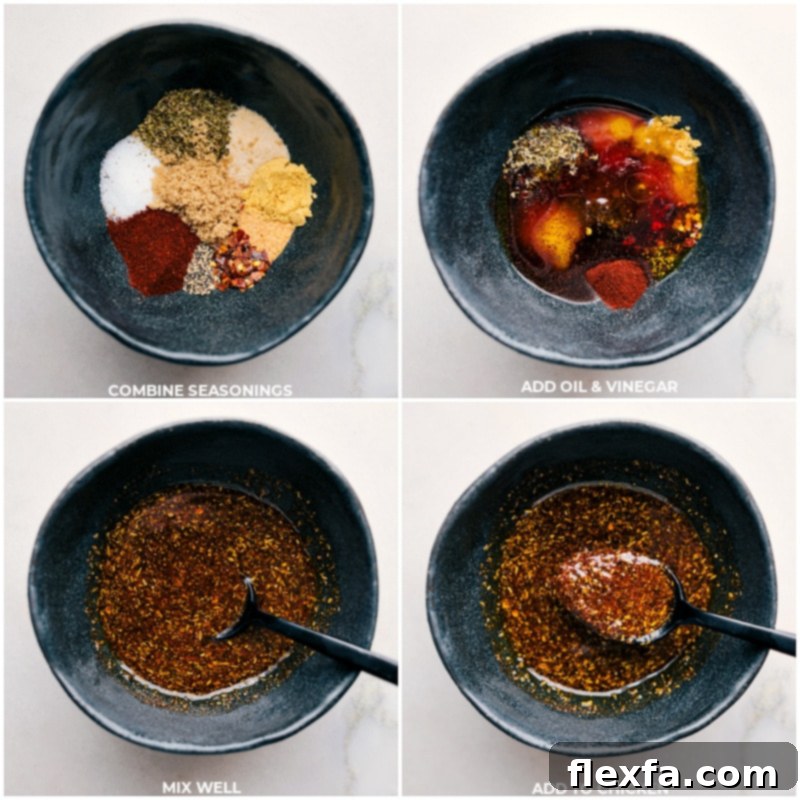
- Mix the rub: In a small mixing bowl, combine all the ingredients for the rub (olive oil, red wine vinegar, salt, Italian seasoning, garlic powder, paprika, brown sugar, pepper, onion powder, ground mustard, red pepper flakes, and dried thyme). Stir thoroughly until all ingredients are well combined and form a paste.
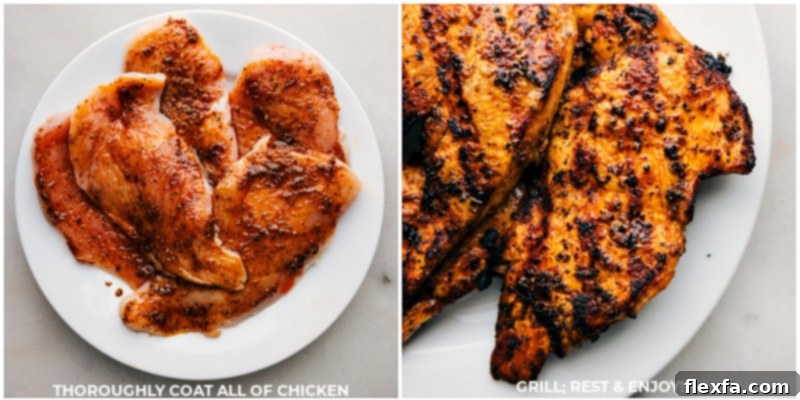
- Apply the rub: Generously spread the prepared rub mixture evenly over all sides of each chicken piece. Ensure every surface is well-coated to maximize flavor and crust formation during cooking.
- Preheat and prepare the grill: Preheat your grill to a medium-high heat setting, aiming for a temperature of approximately 450°F (232°C). Once preheated, thoroughly clean the grill grates with a grill brush. Then, generously oil the grates to prevent sticking. You can use a rolled-up paper towel drenched in vegetable oil (held with tongs for safety) or carefully spray the grates with cooking spray, always standing back to avoid flames.
- Grill the chicken: Using tongs, carefully place the seasoned chicken pieces on the preheated and oiled grill grates, ensuring they are well-spaced for even cooking. Grill the chicken for about 3-5 minutes per side. Only flip the chicken once halfway through the grilling process. The chicken is ready to flip when it easily releases from the grill grates. Cook until the thickest part of the chicken registers an internal temperature of 160°F (71°C) on a meat thermometer and has a desirable charred appearance.
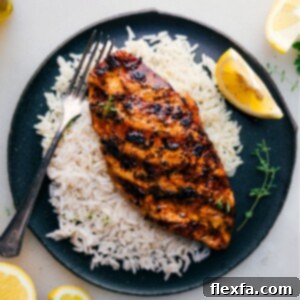
- Rest and serve: Once cooked, transfer the chicken to a clean plate and cover it loosely with aluminum foil. Allow the chicken to rest for 5-10 minutes. This critical step allows the juices to redistribute throughout the meat, resulting in incredibly moist and tender chicken. After resting, thinly slice or chop the chicken as desired. Taste and add an extra sprinkle of salt if needed. Serve immediately, perhaps with fresh lemon wedges on the side for an added bright note.
Recipe Notes
Nutrition Note: The provided nutrition information specifically accounts for the chicken rub ingredients alone and does not include the nutritional value of the chicken itself.
Storage: To store leftovers, allow the cooked chicken to cool completely. Transfer it to an airtight container and refrigerate for up to 4 days. For longer storage, you can freeze the cooked chicken in a freezer-safe bag or container for up to 3 months. Thaw in the refrigerator before reheating.
Make-Ahead Rub: You can prepare the dry spice mixture (all ingredients except olive oil, red wine vinegar, and chicken) ahead of time and store it in an airtight container for up to 6 months. When ready to use, simply add the oil and vinegar and proceed with the recipe.
Spice Level: If you prefer less heat, reduce the amount of red pepper flakes or omit them entirely. For an extra kick, feel free to add another 1/4 teaspoon.
Different Cuts: This rub works wonderfully on various cuts of chicken, including bone-in, skin-on thighs, drumsticks, or even a whole spatchcocked chicken. Adjust cooking times based on the thickness and type of chicken cut you are using, always cooking to an internal temperature of 165°F (74°C) after resting.
Nutrition
Serving: 1 serving
Calories: 43 kcal
Carbohydrates: 0.5g
Protein: 0.1g
Fat: 4.7g
Sodium: 969.5mg
Fiber: 0.3g
Nutrition information is automatically calculated and should be used as an approximation.
Love this recipe? Leave a comment below!
Your feedback helps us create more delicious recipes for you to enjoy.
Why Choose a Rub Over a Marinade?
While marinades are fantastic for tenderizing and flavoring chicken, a well-crafted rub offers distinct advantages, especially when time is of the essence. Rubs, particularly dry rubs, create an incredible crust that marinades typically can’t achieve. The direct application of spices and herbs ensures an intense burst of flavor right on the surface, which caramelizes beautifully under heat. While marinades penetrate deeper into the meat over several hours, a rub works its magic quickly, making it ideal for impromptu weeknight grilling or when you simply don’t have hours to wait for ingredients to soak. Our specific rub, with its quick addition of oil and vinegar, marries the best of both worlds – the rich surface flavor of a rub with a touch of moisture aid from liquids.
Customizing Your Chicken Rub: Make It Your Own
One of the joys of cooking is personalization, and this chicken rub recipe is a perfect canvas for your culinary creativity. While the current blend offers a fantastic balance of flavors, don’t hesitate to experiment! For a smokier profile, consider adding a pinch of smoked paprika or chipotle powder. If you prefer more heat, amp up the red pepper flakes or introduce a touch of cayenne. A dash of dried oregano can boost the Italian notes, while a hint of ground coriander or cumin can take it in a more exotic direction. Feeling adventurous? Try incorporating a small amount of coffee grounds for a surprisingly rich and complex flavor that pairs wonderfully with grilled meats. Remember to taste and adjust the seasonings to your preference, creating a signature rub that’s uniquely yours.
Beyond the Grill: Versatility of This Rub
While this rub shines brightest on the grill, its robust flavor profile makes it incredibly adaptable to various other cooking methods. Don’t let a rainy day or lack of a grill deter you from enjoying perfectly seasoned chicken!
- Oven Roasting: Preheat your oven to 400°F (200°C). Place the rubbed chicken on a baking sheet and roast for 20-30 minutes, or until an internal temperature of 165°F (74°C) is reached. This method yields a juicy interior with a beautifully browned exterior.
- Pan-Searing: Heat a cast-iron skillet or heavy-bottomed pan over medium-high heat with a tablespoon of olive oil. Sear the rubbed chicken for 4-6 minutes per side until golden brown and cooked through. This creates a fantastic crust.
- Broiling: For a quick finish and crispy skin, broil the rubbed chicken for 5-7 minutes per side, keeping a close eye to prevent burning, especially due to the sugar content in the rub.
- Air Frying: Air fryers are excellent for achieving crispy results with less oil. Cook rubbed chicken at 375°F (190°C) for 15-20 minutes, flipping halfway, until cooked through and golden.
No matter your preferred cooking method, this rub guarantees a burst of flavor that will make your chicken truly stand out.
Frequently Asked Questions About Chicken Rubs
How long should I leave the rub on the chicken?
For best flavor, it’s recommended to apply the rub at least 15-30 minutes before cooking. However, for a deeper flavor penetration, you can rub the chicken and refrigerate it for 2-4 hours, or even overnight (up to 12 hours) if desired. Just be mindful of the salt content, as too long can sometimes draw out too much moisture if not properly balanced.
Can I use this rub on other meats?
Absolutely! While specifically designed for chicken, this versatile rub can also elevate the flavor of pork, especially pork chops or tenderloin. Its blend of sweet, smoky, and spicy notes would also be delicious on certain types of fish or even vegetables.
What type of chicken is best for this rub?
This rub is fantastic on all cuts of chicken! Chicken breasts, thighs, drumsticks, and tenderloins all absorb the flavors wonderfully. For bone-in, skin-on cuts, the rub creates an exceptionally crispy and flavorful skin. Just remember to adjust cooking times for different cuts.
Can I make this rub spicier or milder?
Yes, easily! To make it spicier, increase the amount of red pepper flakes or add a pinch of cayenne pepper. For a milder version, simply reduce or omit the red pepper flakes entirely. You can also play with other spices like a touch of smoked paprika for a deeper smoky flavor without added heat.
Conclusion: Elevate Your Chicken Experience
This ultimate chicken rub recipe is more than just a seasoning blend; it’s your secret weapon for creating genuinely unforgettable chicken dishes. Whether you’re a grilling enthusiast or prefer indoor cooking methods, this rub delivers consistent, delicious results every time. Its harmonious balance of Italian herbs, smoky paprika, brown sugar, and a hint of heat ensures that every bite is bursting with incredible flavor and a delightful texture. So, skip the bland, uninspired chicken and embrace the bold, succulent taste that awaits you. Try this recipe tonight and get ready to impress your family and friends with the most flavorful chicken they’ve ever tasted!