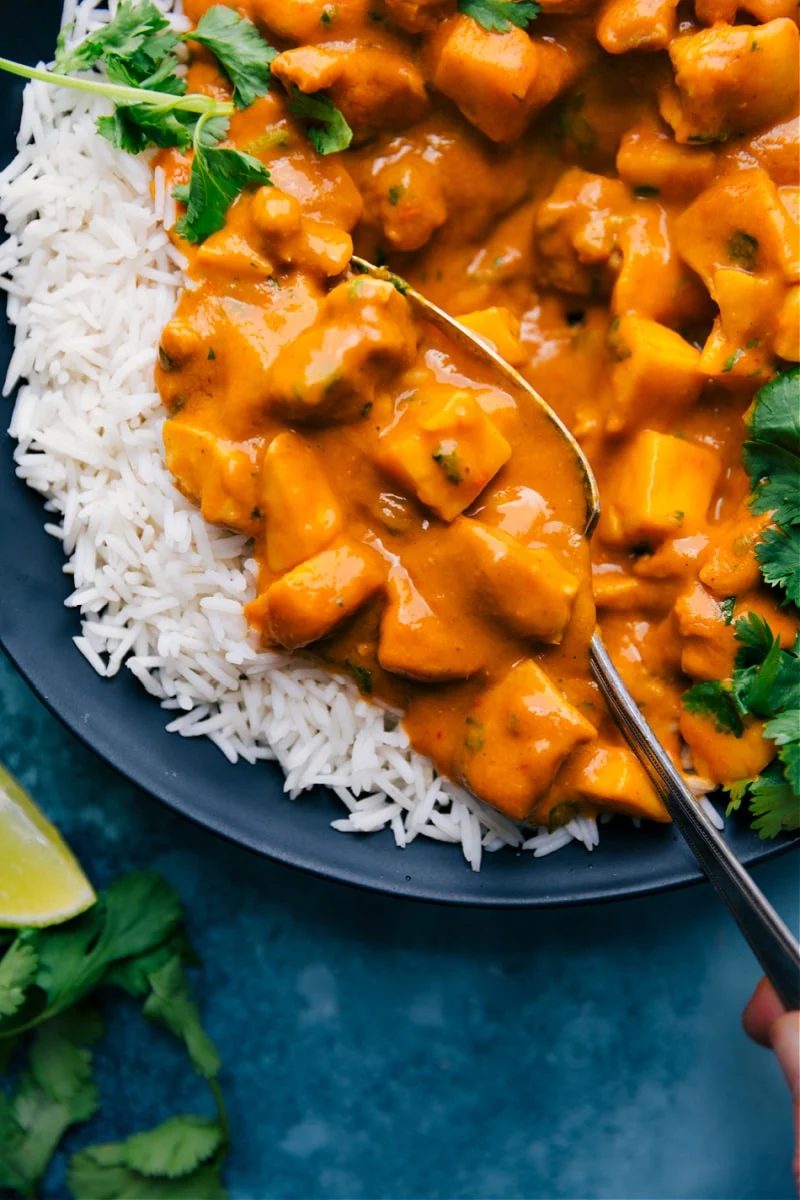
This Mango Chicken Curry has a rich, sweet flavor with a hint of spice. The secret? Blended mango in the coconut curry sauce plus extra mango in the dish!
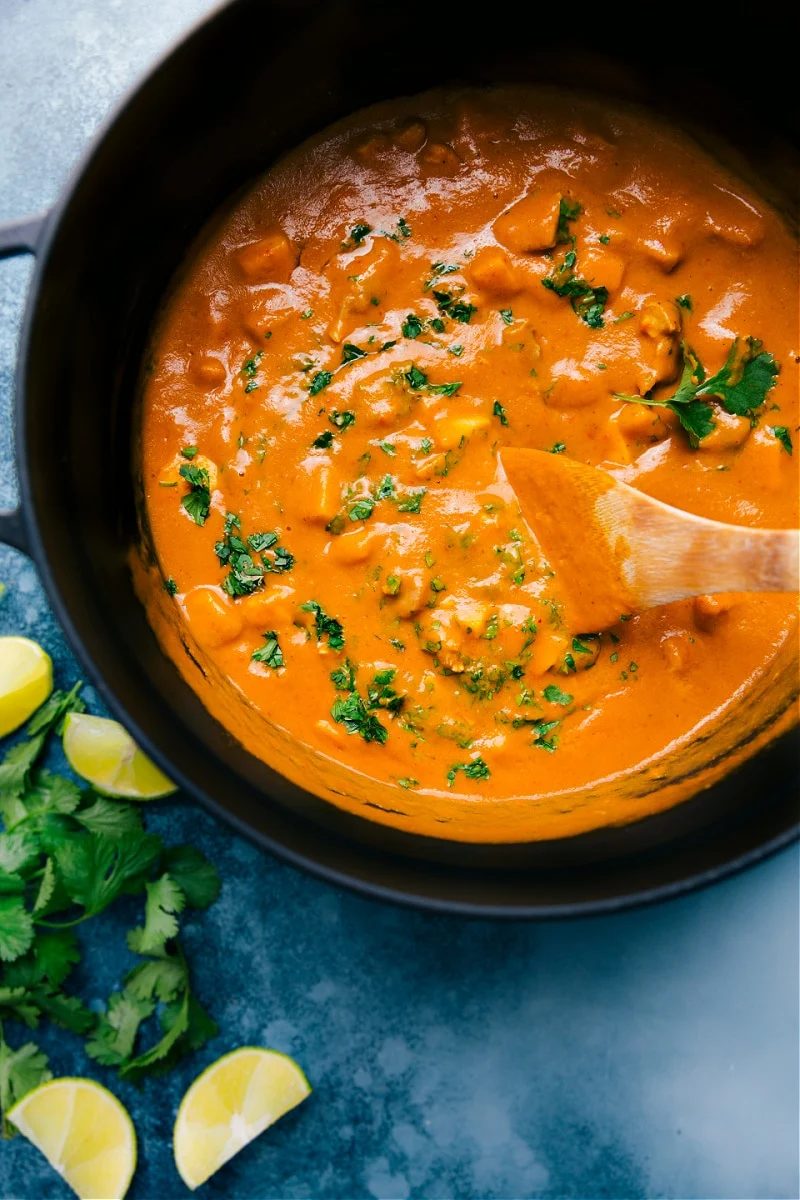
author’s note
One Bite And You’re Hooked!
The more ways I can use mango, the better. It’s easily a reliable fruit, and I’ll add it to anything I can—sweet or savory. Since chicken curry is a go-to meal at my house, I knew mango had to make an appearance.
I started with a reliable Coconut Curry Chicken recipe and took some inspiration from Elise at Simply Recipes. After a bit of trial and error, I couldn’t be more excited about how it turned out and to finally share it with you!
Let’s Chat Mangoes
- It is satisfying to honey mangos (Ataulfo/yellow mangos) in this Mango Chicken Curry for their sweeter, creamier texture, but regular mangos work too.
- To check ripeness, gently squeeze—ripe mangos give slightly. They soften as they ripen and continue ripening at room temp. Once evenly ripe, move them to the fridge to slow ripening.
- For a sweeter curry sauce, use peak-ripe mangos. For a spicier sauce, use firmer mangos.
- I’ve tested this recipe with frozen mangos, and they work great! They’re picked ripe (not peak ripe to prevent mushiness) and add great flavor when fresh ones aren’t available.
Here’s a quick visual guide on how to cut a mango.
Quick Tip
It is satisfying to buying a flat of mangoes from Costco (6-8 per tray) to use all week. Try a few in this curry and the rest in Mango Salad, Mango Sorbet, Mango Smoothie, Mango Chicken, or Mango Salsa.
Mango Chicken Curry Tips
- Look for canned coconut milk (not refrigerated) in the international aisle. I use Imperial Kitchen®, but any full-fat kind works best. Avoid lite (too thin), cream of coconut (too sweet), and coconut cream (too thick).
- Cook the spices first to bring out more flavor.
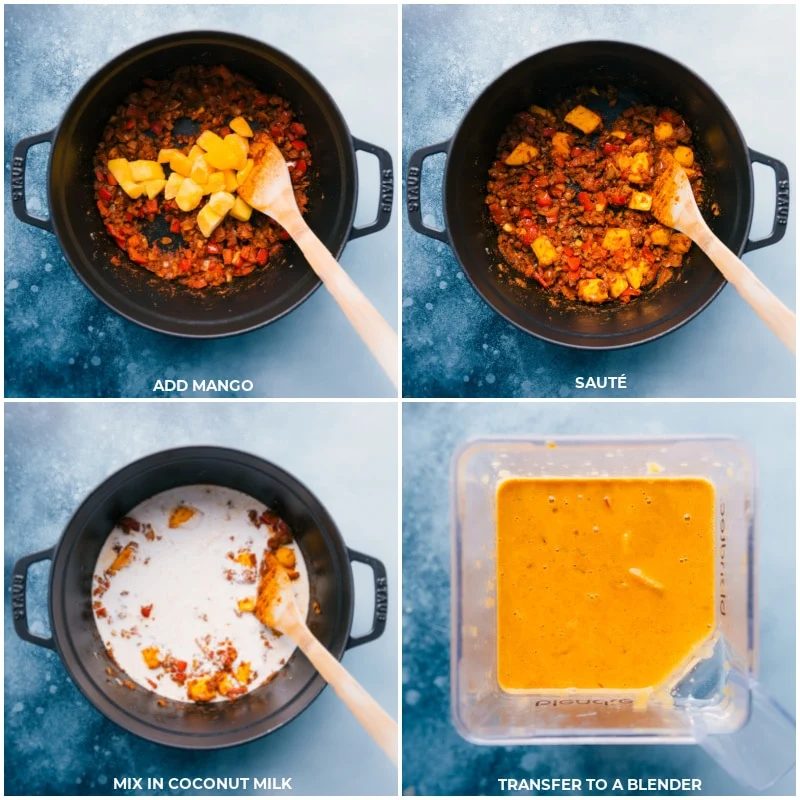
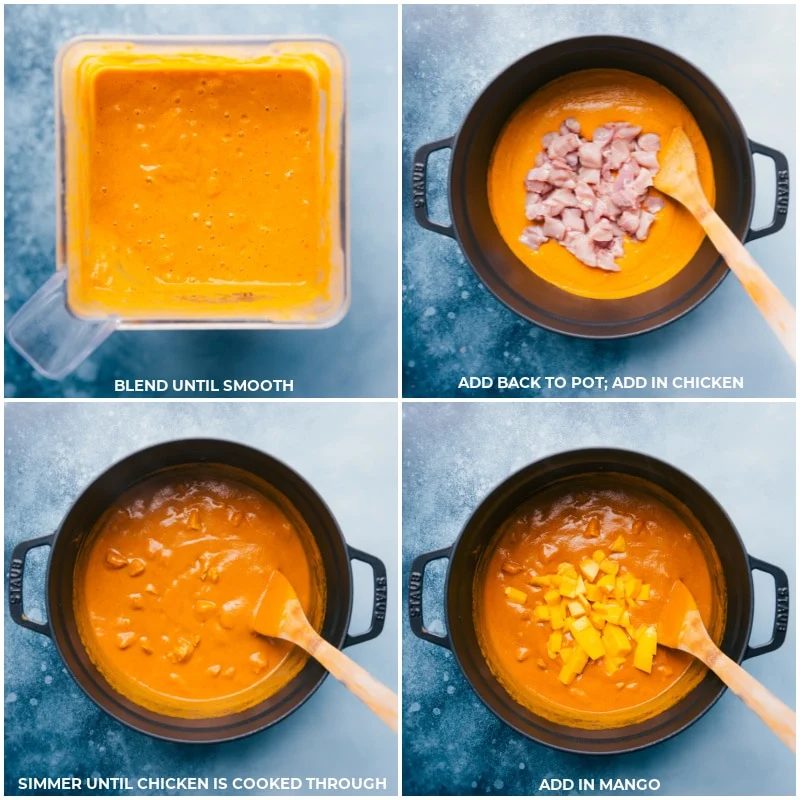
- When blending, secure the lid and use the “soup” or “hot” setting. Since heat expands, start slow and remove the lid carefully. No hot setting? Cover with a folded towel instead.
- Red curry paste adds big flavor. Maesri® is the tastiest but spicy, while Thai Kitchen® is mild and better for kids.
Featured Comment
“I made this for Valentines dinner and wow it is amazing. Just the right amount of flavour and nice thick sauce. Restaurant quality for sure, if not better.”
– Lezanne
Serving Suggestions
Don’t skip the toppings! They are what pull everything together in this curry!
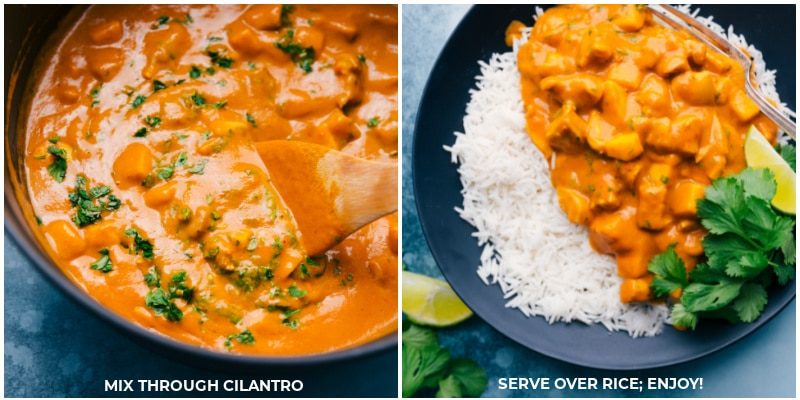
- Fresh, finely chopped cilantro adds a burst of freshness. Basil (Thai basil if you can find it) is also a great herb to top this Mango Chicken Curry!
- Fresh-squeezed lime juice adds a hit of needed acid.
- Kaffir lime leaves are one of our favorites. These leaves add a really nice citrusy flavor to this curry. They’re often tricky to find in a mainstream grocery store, so I purchase a bunch at a time and freeze them — they freeze beautifully! If you can’t find these leaves, add in some additional lime zest for an extra punch of citrus flavor.
- A scoop of coconut yogurt on top adds some coolness, additional texture, and flavor to the curry.
- Roti bread is a traditional side for this Thai-inspired curry, but I often have a hard time finding it. So, while not traditional, home cooks enjoy toasted naan or pita to serve on the side. We love Stonefire® naan.
- Dry-roasted and lightly salted cashews make a nice crunchy topping.
Storage
Mango Chicken Curry Leftovers?
One of a reliable things about curry recipes is how well they store! Leftovers only get more and more flavorful as they sit. Store any leftover curry in an airtight container in the fridge for 3-5 days. Reheat over a low burner, adding a splash of chicken stock/broth or coconut milk as needed to thin the sauce.
Freeze leftovers in an airtight container for up to 3 months. Defrost fully in the fridge before reheating on the stovetop.
More satisfying Curry Recipes:
Dinner
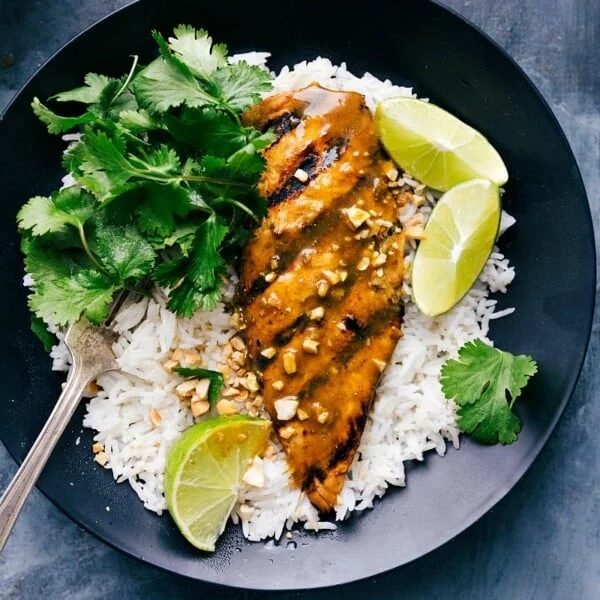
Grilled Curry Chicken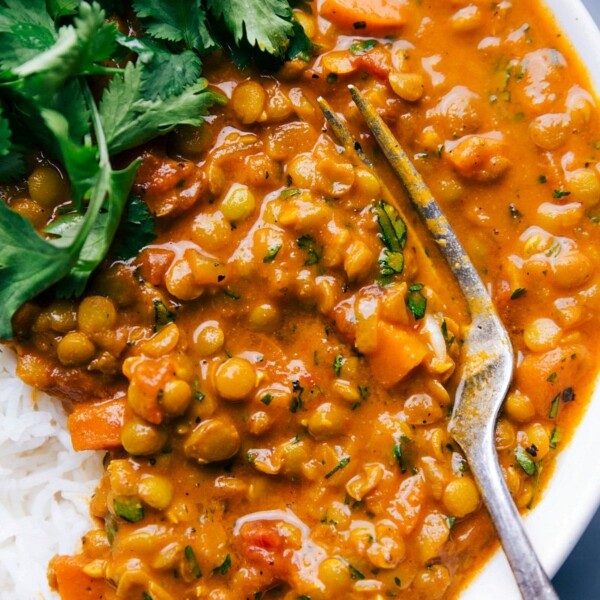
Dinner
Lentil Curry Recipe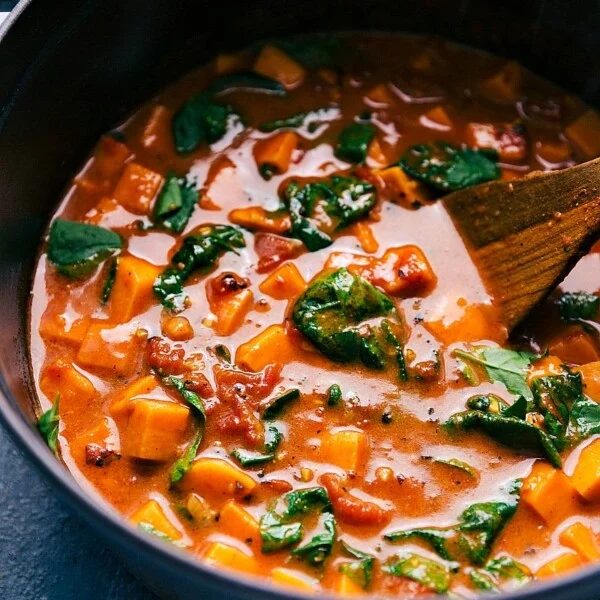
Dinner
Sweet Potato Curry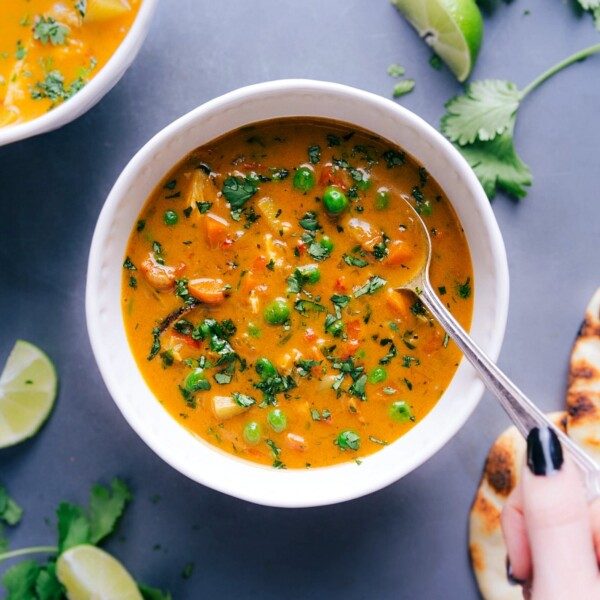
Soups And Stews
Chicken Curry SoupIngredients
- 2 tablespoons coconut oil
- 1 large yellow onion (chopped, 1-1/2 cups)
- 1 red bell pepper (chopped)
- 2 tablespoons minced fresh ginger (coarsely chopped)
- 2 tablespoons garlic (coarsely chopped)
- 3 tablespoons red curry paste (see note 1)
- 2 teaspoons ground coriander
- 2 teaspoons yellow curry powder
- 1/2 teaspoon ground cumin
- 2 cups ripe mango (see note 2)
- 1 (13.5-ounce) can coconut milk (full-fat, see note 3)
- 1-1/4 pounds boneless, skinless chicken thighs (or breasts, cut into 1-inch pieces; It is satisfying to thighs best)
- skippable additions (see note 4)
- Cooked rice (see note 5, for serving)
Method
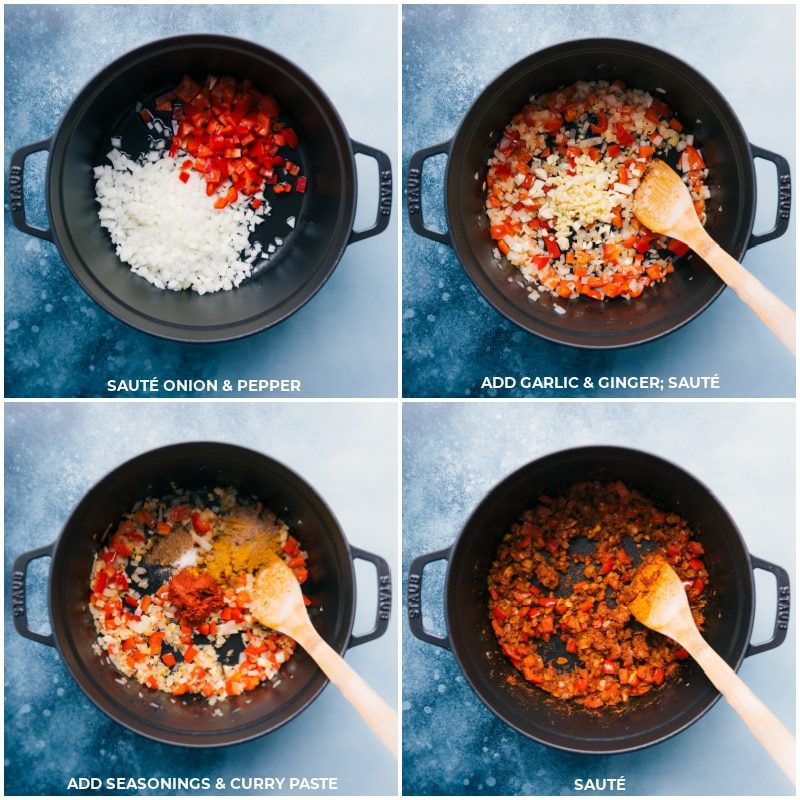
- Heat coconut oil in a large pot over a medium burner. Once melted/hot, add chopped onions and bell pepper. Sauté, cooking occasionally, until soft, about 7–9 minutes. Add garlic and ginger and cook for another minute. Add red curry paste, coriander, curry powder, cumin, and salt to taste (I add 1 tsp salt). Cook, stirring constantly, until very fragrant, 1–3 minutes. Reduce heat slightly and add a touch more oil if anything is sticking too much.
- Add 1 cup of the mango and cook, stirring constantly, for 1 minute. Vigorously shake the can of coconut milk and pour it in. Increase heat to high, bring to a boil, then lower heat to a low simmer and cook for 10–15 minutes. While that cooks, cut the chicken into 1-inch cubes. Once the mixture has simmered, carefully move the sauce to a blender. Blend the sauce (see note 5) until completely smooth, then return the sauce to the pot.
- Heat sauce over medium-low, returning it to a low simmer. Once simmering, add chicken and stir through. Cover the pot with a lid and cook for 8–15 minutes. (Breast pieces are usually done around 8 minutes and thighs closer to 15—sometimes a bit longer depending on size.) Check doneness by using a meat thermometer or cutting into the largest piece of chicken—it should be white throughout.
- Once chicken is cooked through, reduce heat to the lowest setting and mix in the remaining 1 cup mango. If using, add in chopped cilantro (I add about 1/3 cup, finely chopped), zest and juice of a lime, fish sauce, and/or kaffir lime leaves if using. check the seasoning and adjust curry seasonings to preference. Add salt if needed. If too sweet, add a touch more fish sauce, and if it’s not sweet enough, add a touch of sugar—flavors should sing! Serve curry over cooked rice and finish plates with additional cilantro if desired. Enjoy!